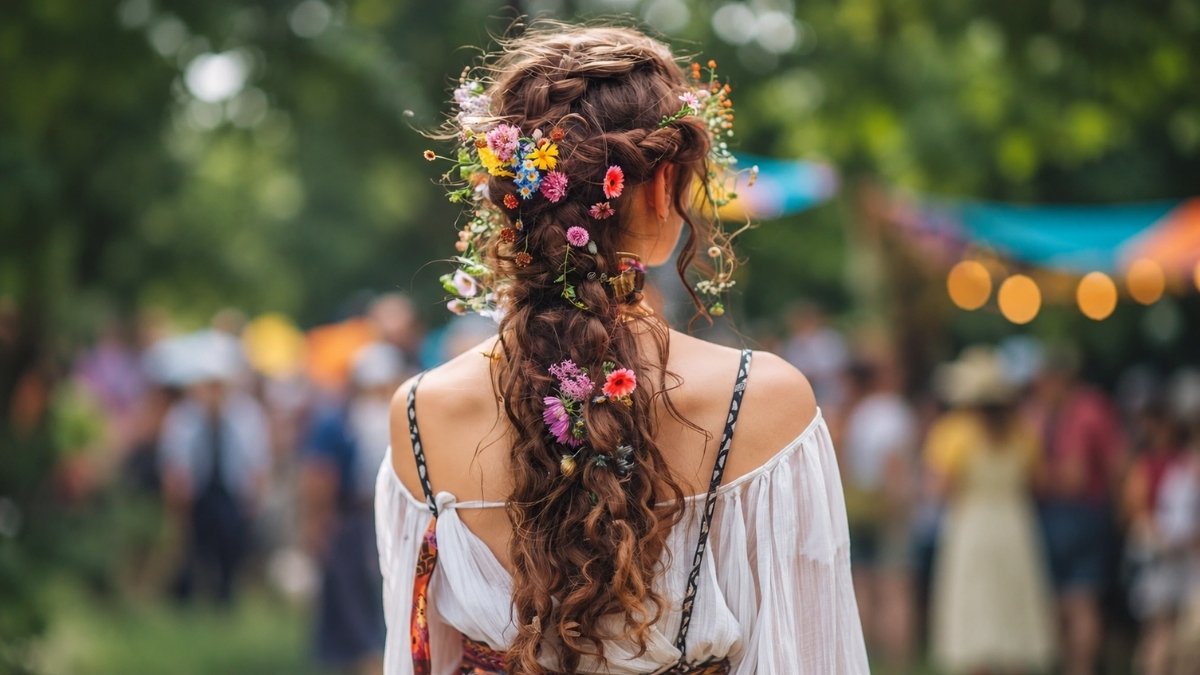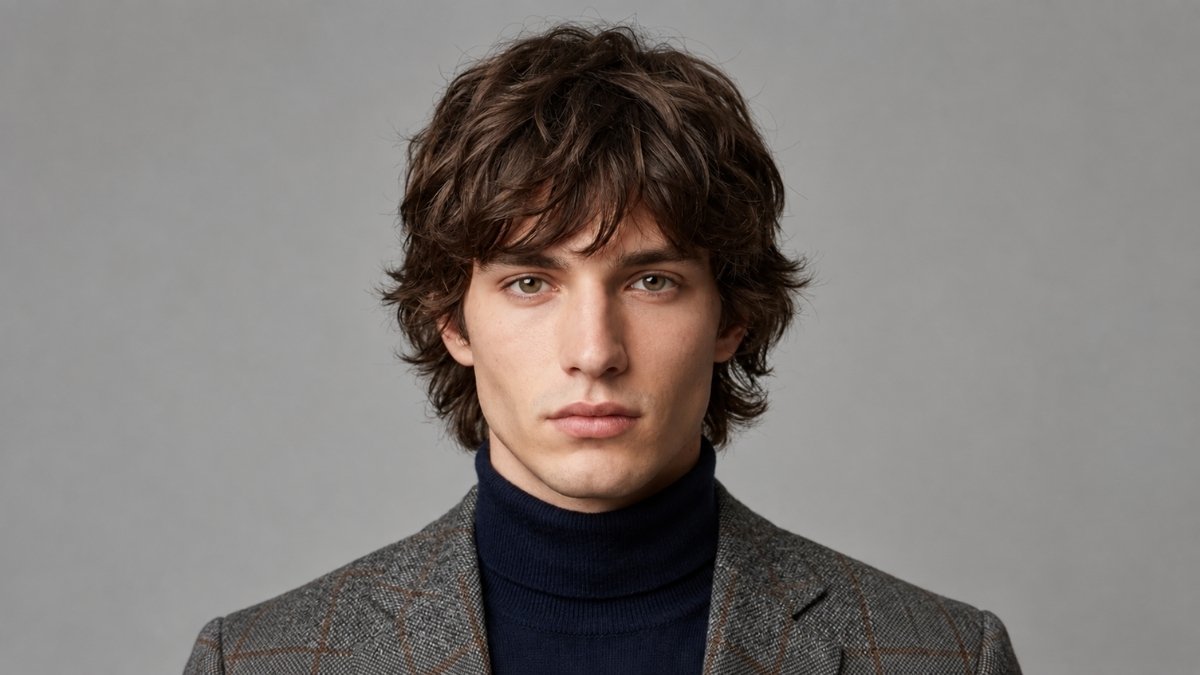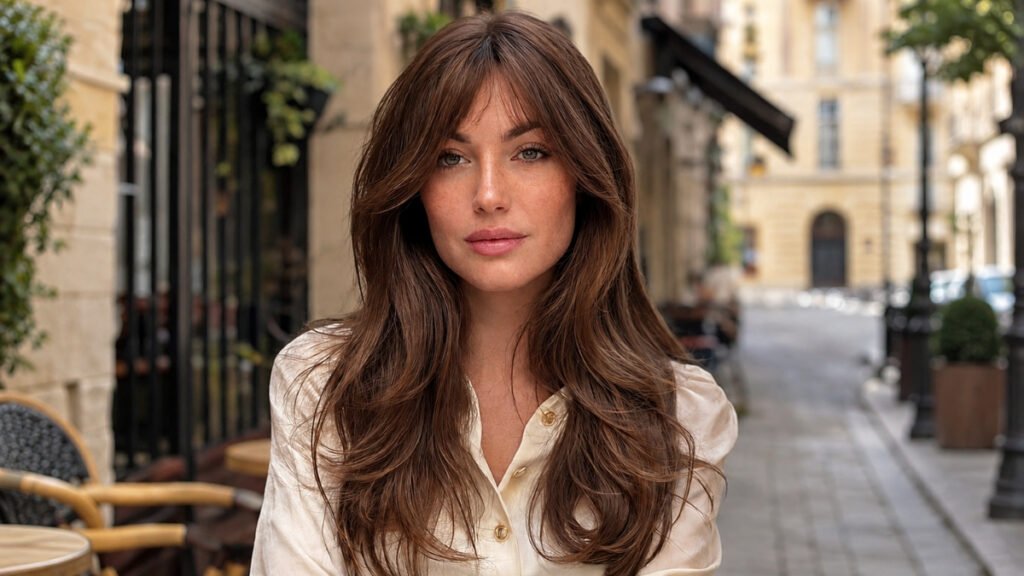
Old money hair is less about copying an heiress and more about refusing to let the haircut look desperate for attention. The strongest versions have a clean shape, healthy-looking ends, controlled movement, and enough restraint that the cut still works after the blowout falls.
That is why the aesthetic keeps circling back to bobs, lobs, blended layers, soft fringes and polished short cuts. Fuller lines, invisible layering and touchable finishes all do the same job. A good old-money cut still looks composed when you have done very little to it.
The expensive part is not the number of layers. It is precision. A blunt perimeter that is fraying at the ends looks neglected. Long layers cut without regard for density look thin. Quiet luxury stops being quiet when the haircut needs a full production every morning.
15 Old Money Haircuts for Women
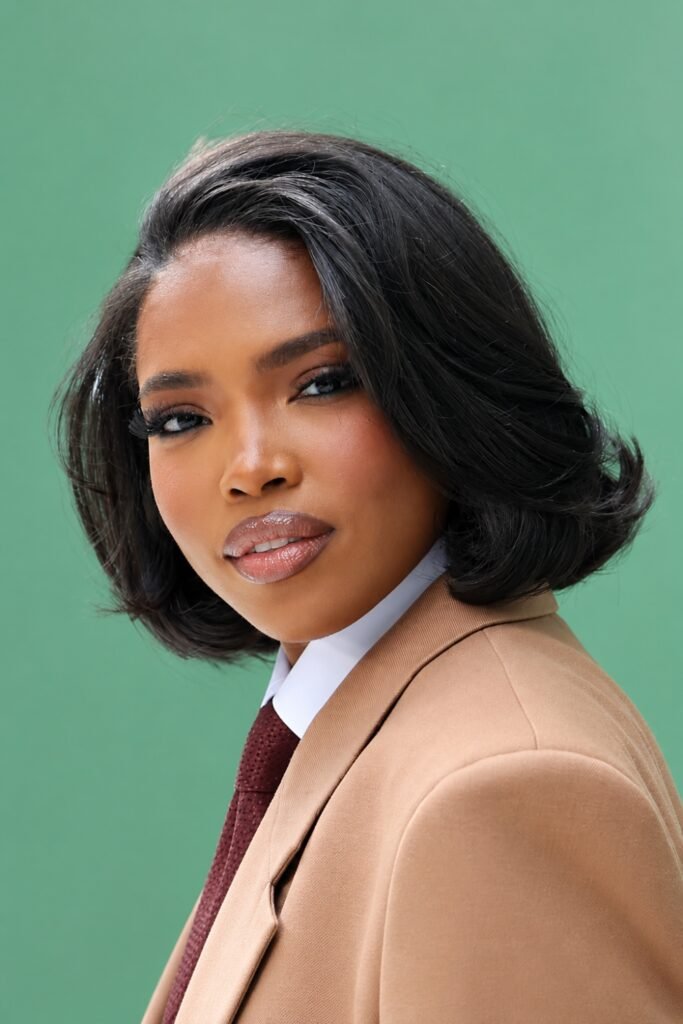
1. Classic Chin-Length Bob
A clean chin-length bob has the exact discipline this aesthetic needs. The perimeter is strong, the shape is recognizable, and there is nowhere for damaged ends or careless layering to hide.
Wear it smooth, softly beveled, or with one restrained bend. The bob already has status; piling on elaborate waves usually weakens it.
Best for: straight to softly wavy hair, fine-to-medium density, polished wardrobes.
 Save
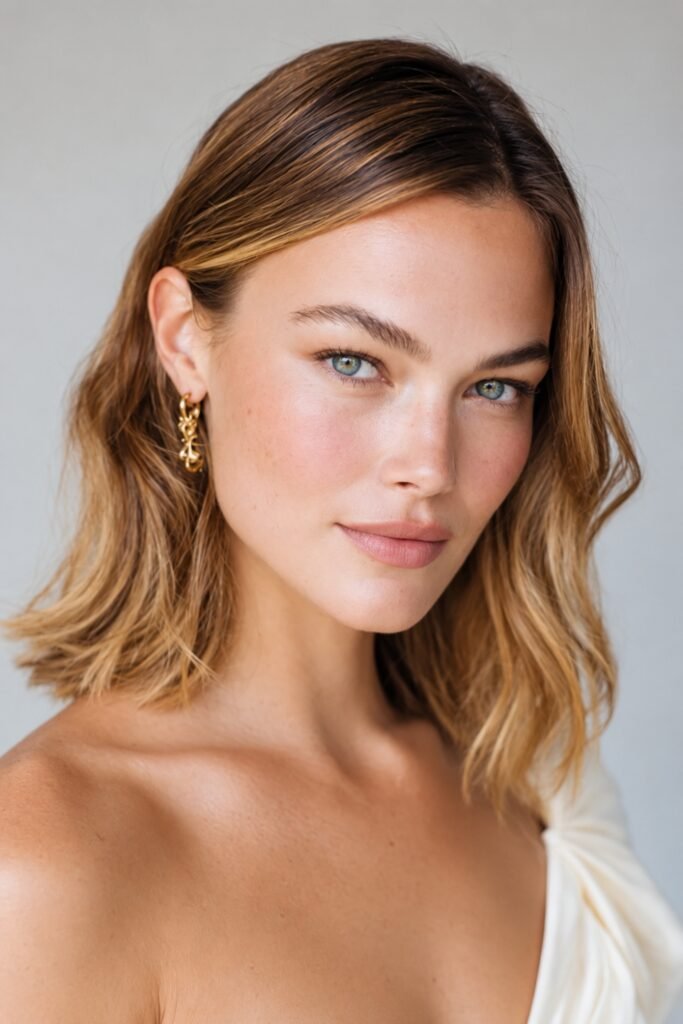
Save2. Soft Luxury Lob
A collarbone lob keeps the visual weight of a bob but gives you more room for ponytails, low buns, and soft blowouts. Keep the perimeter full and the layering discreet.
This is not a shredded lob. If you can count every layer from across the room, the cut has left quiet luxury and entered a different conversation.
Best for: medium lengths, professional styling, women who want versatility.
 Save
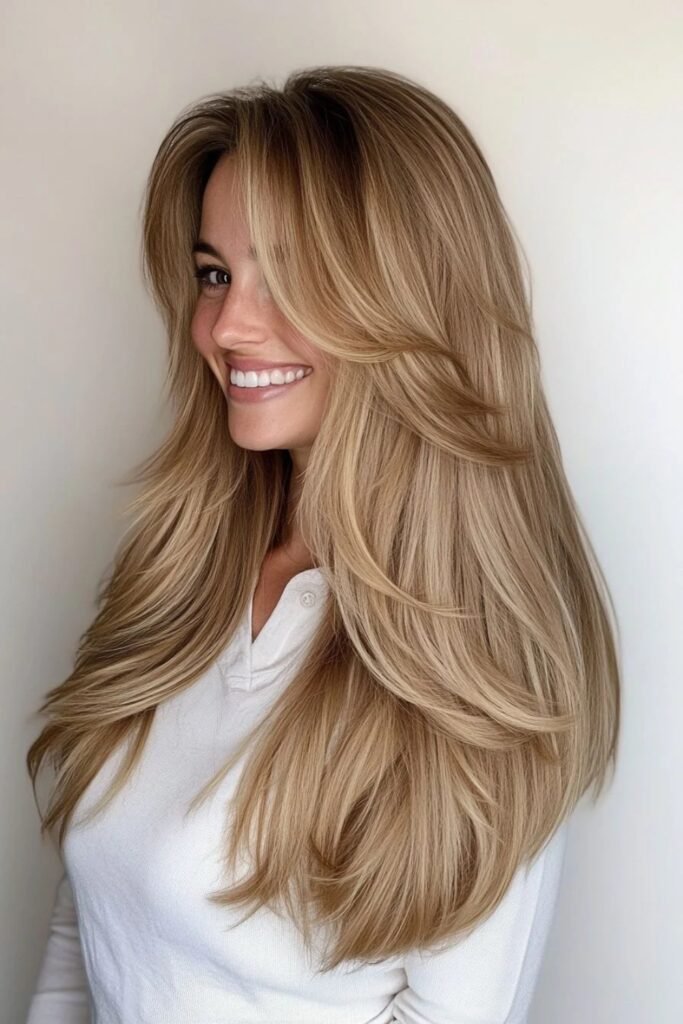
Save3. Long Blended Layers
Long old-money hair works best when the layers seem to disappear into the haircut. Internal or ghost-style layering can create movement while the surface still reads healthy and substantial.
Ask for enough layering to prevent a heavy curtain, not enough to turn the ends transparent. Wealthy-looking hair is allowed to have density.
Best for: long straight or wavy hair, medium-to-thick density.
 Save
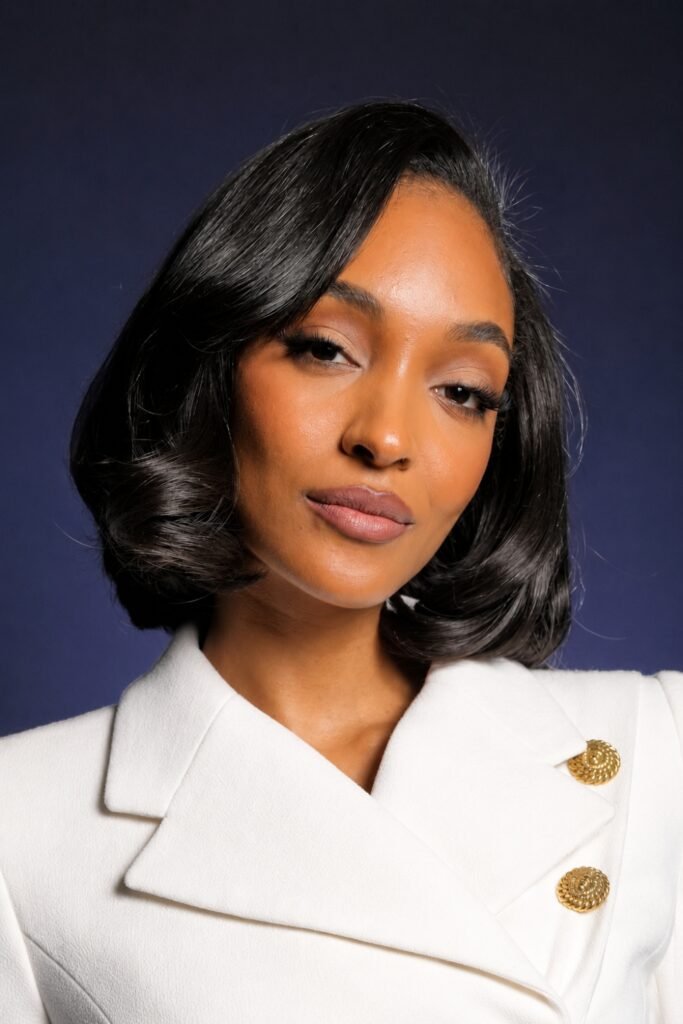
Save4. Side-Parted Bob
A side part changes a simple bob without adding more haircut. It creates asymmetry, opens one side of the face, and gives the style a slightly more formal finish.
Tuck one side behind the ear and leave the other smooth. That is enough. Old money styling loses something when every detail asks to be noticed.
Best for: bobs, straight or wavy hair, minimalist styling.
 Save
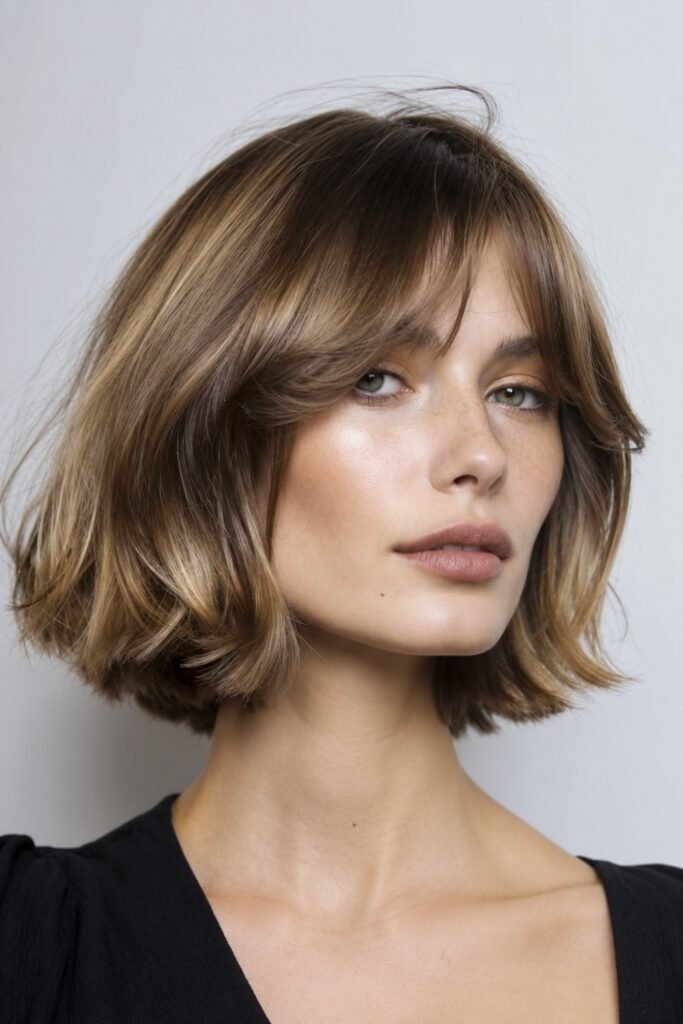
Save5. Soft French Bob
A jaw-length French bob can fit the aesthetic when the texture is soft and the fringe, if present, is integrated rather than theatrical. Keep the outline deliberate and the finish touchable.
Skip the exaggerated beret-and-perfect-red-lip interpretation if you want the haircut itself to feel expensive. Let the cut do its own work.
Best for: fine-to-medium hair, jaw-length cuts, natural texture.
 Save
Save6. Collarbone Cut With Face-Framing Layers
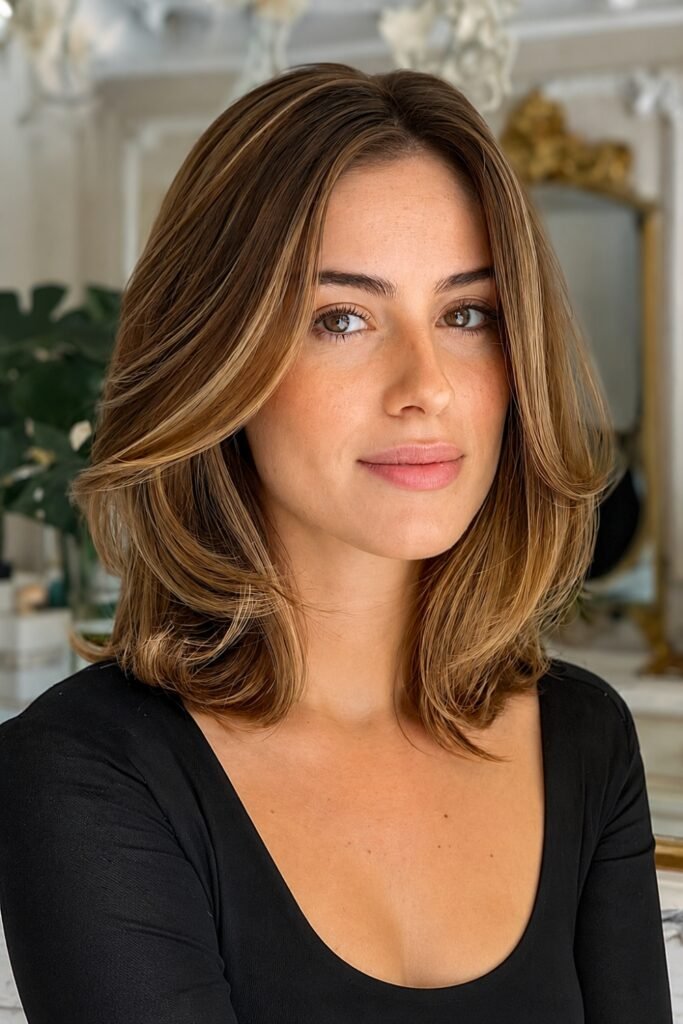
A collarbone cut becomes more flattering when the front has a few controlled layers around the cheek, jaw, or collarbone. The rest can remain relatively full.
The mistake is carving the entire front into thin feathers. Face framing should support the haircut, not leave two wispy curtains disconnected from it.
Best for: medium hair, round or oval styling goals, blowout wearers.
 Save
Save7. Long Hair With Soft Curtain Bangs
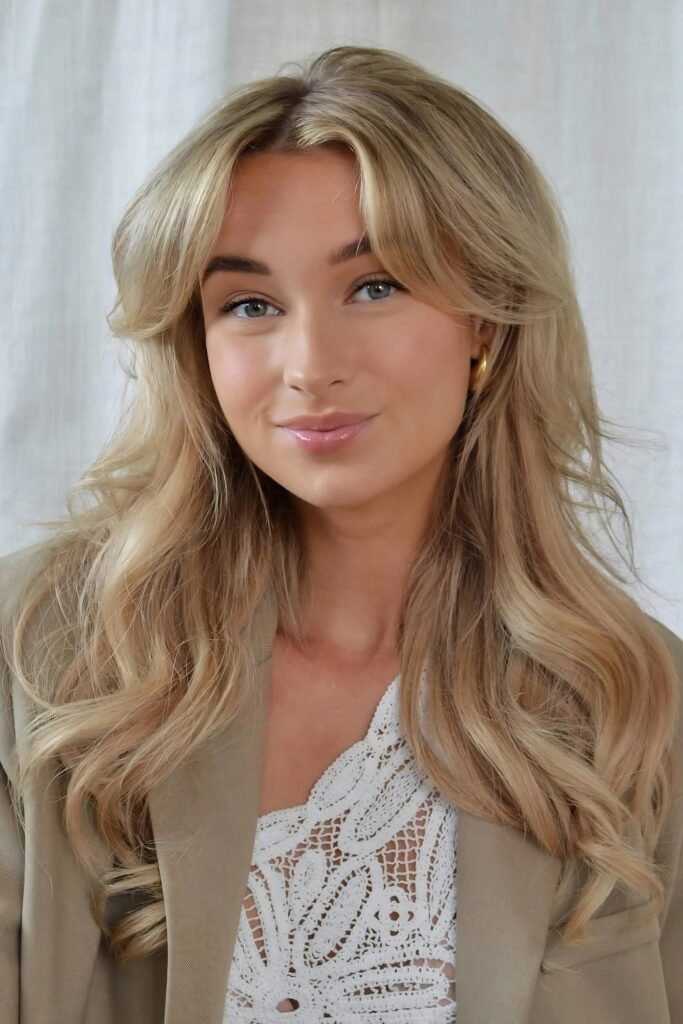
Curtain bangs work here when they blend back into long layers instead of sitting as a separate trend piece. Keep them long enough to sweep away from the face and grow out gracefully.
A fringe that demands trimming every two weeks is not automatically more luxurious because it photographs well. The best version has an exit strategy.
Best for: long hair, center or soft off-center parts, face framing.
 Save
Save8. Rounded Bob With Understated Layers
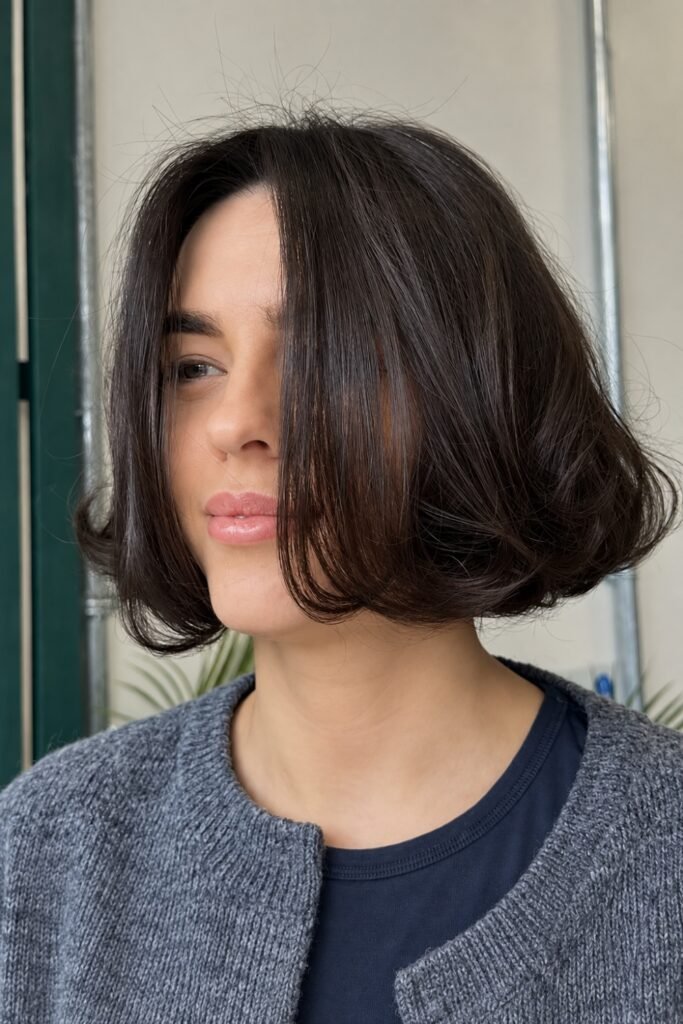
A rounded bob keeps a clean outer silhouette while subtle layers inside prevent it from feeling helmet-like. It is especially useful for hair that needs body without visible choppiness.
Use a round brush or a gentle bend through the ends, but stop before the bob becomes a pageant set. The curve should look like the haircut wants to sit there.
Best for: fine or medium hair, classic styling, mature and younger women alike.
 Save
Save9. Shoulder-Length Blowout Cut
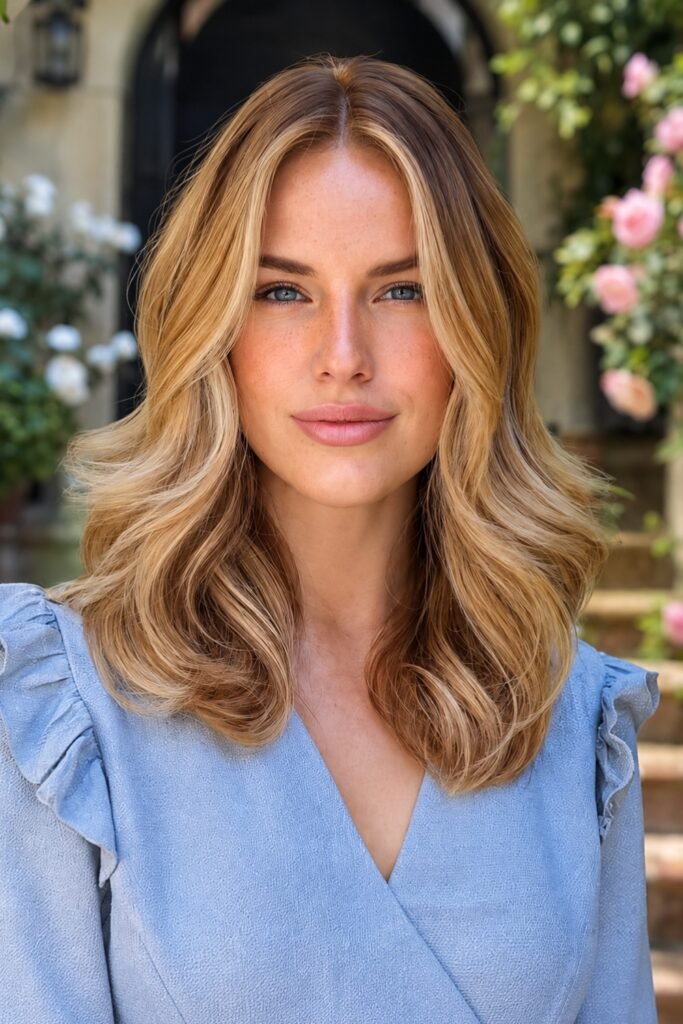
A shoulder-length cut with long blended layers gives a blowout room to expand without relying on extreme layering. When the styling drops, the haircut should still have a clean line.
That is the test. If the style only works for ninety minutes after hot rollers, you bought a hairstyle, not a haircut.
Best for: medium-to-thick hair, soft volume, event-to-everyday wear.
 Save
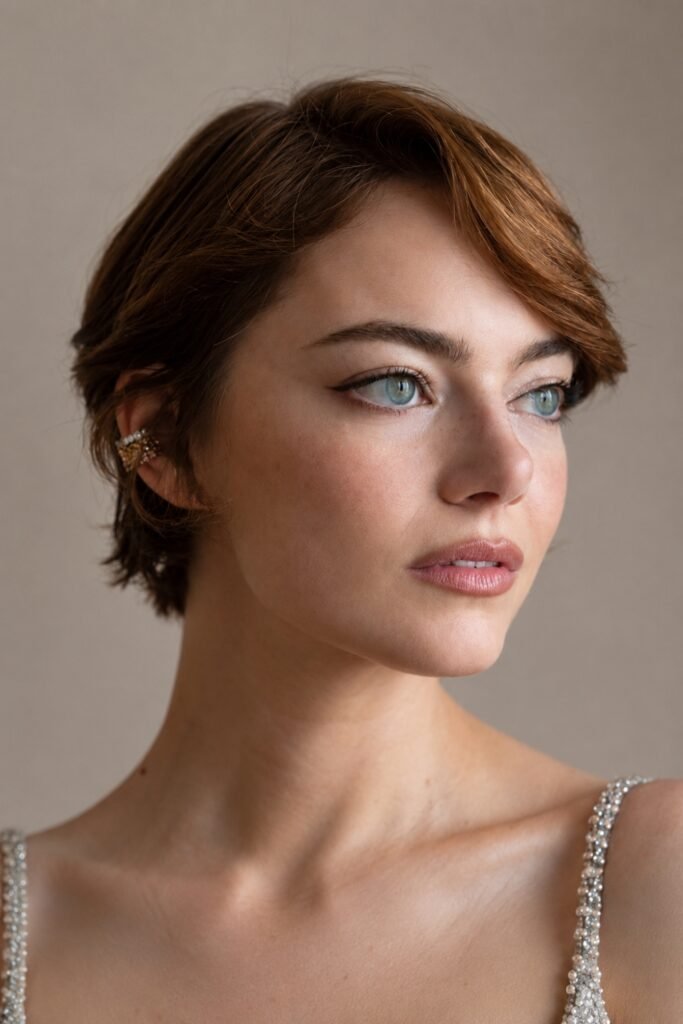
Save10. Polished Pixie With Side Fringe
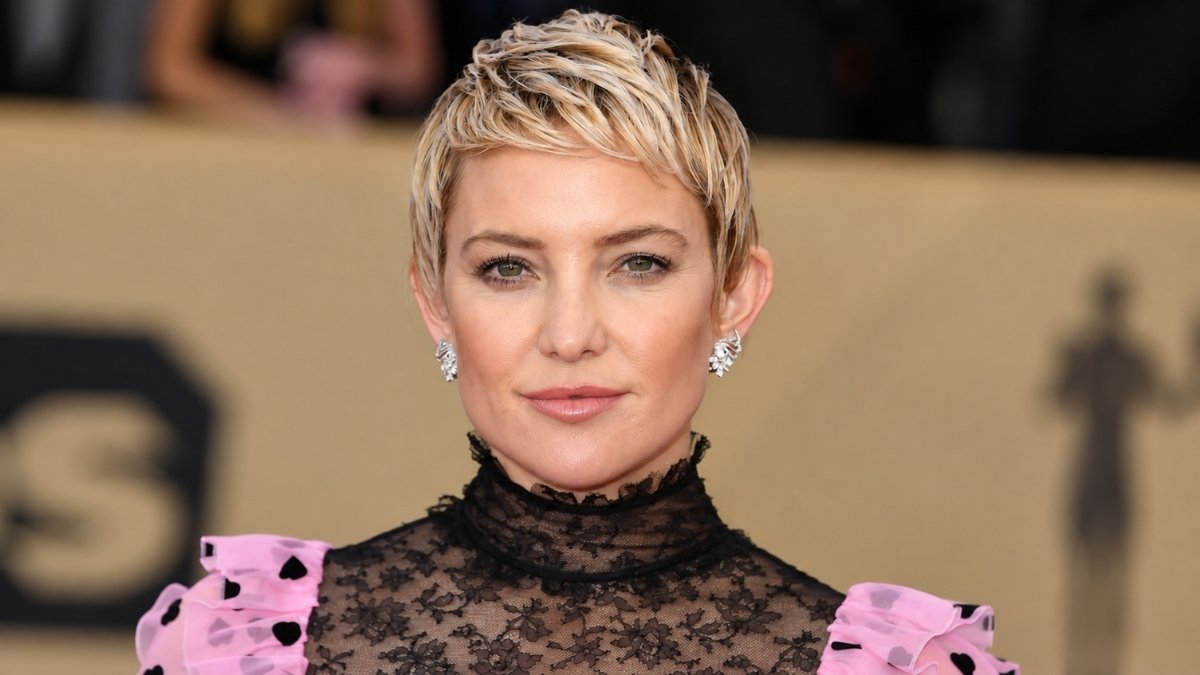
A neat pixie with a longer side fringe can look just as refined as a bob. Keep the nape clean, the texture controlled, and the fringe soft enough to move.
Avoid turning every section into a spike. The sophistication comes from the silhouette and grooming, not from proving short hair can hold product.
Best for: straight or wavy hair, strong features, low styling time.
 Save
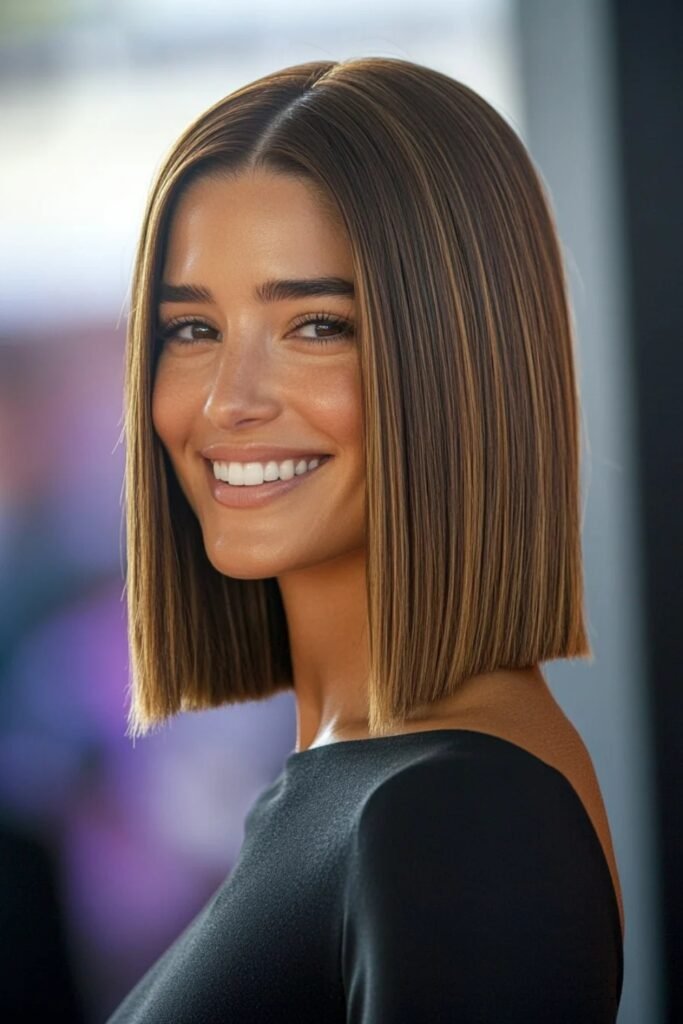
Save11. Blunt Long Bob
A blunt lob makes healthy density the focal point. Minimal layering keeps the baseline substantial, which is particularly useful for fine hair that loses visual weight quickly.
The ends need maintenance because the line exposes damage. A blunt cut with split, see-through ends is not relaxed elegance; it is a trim appointment overdue.
Best for: fine-to-medium straight hair, sleek styling, minimal layers.
 Save
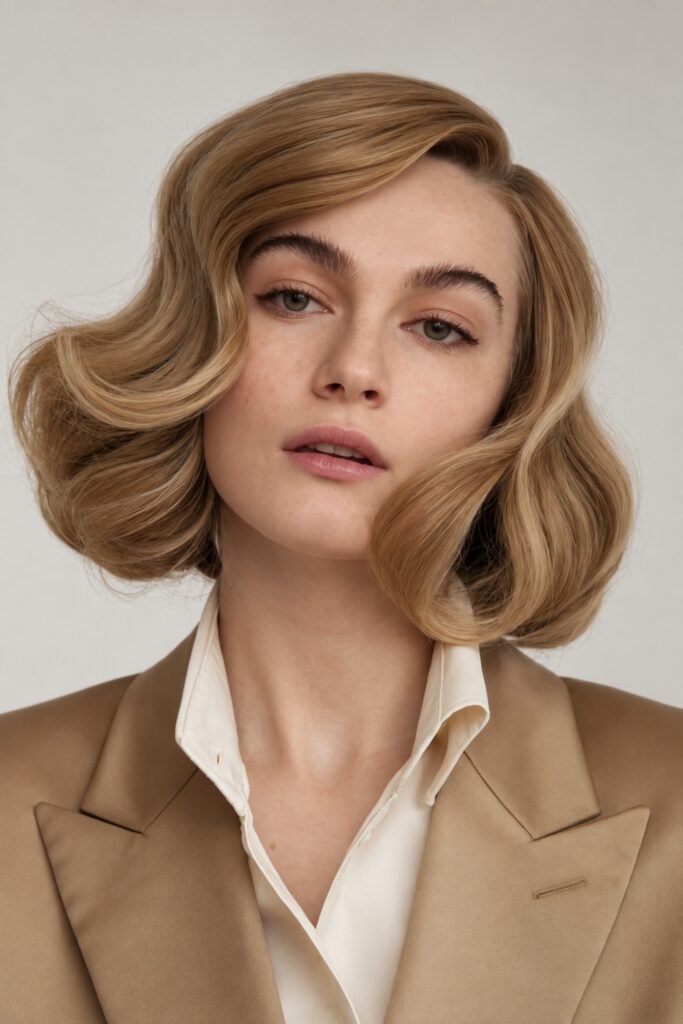
Save12. Soft Wavy Bob
Start with a classic bob and add broad, brushed waves rather than beachy separation. The shape remains neat, but the finish feels less formal than a sleek bob.
Keep the wave pattern irregular and soft. Identical curls make the haircut look set; old-money hair should look like it has somewhere else to be.
Best for: naturally wavy hair or heat styling, dinners, weddings, everyday polish.
 Save
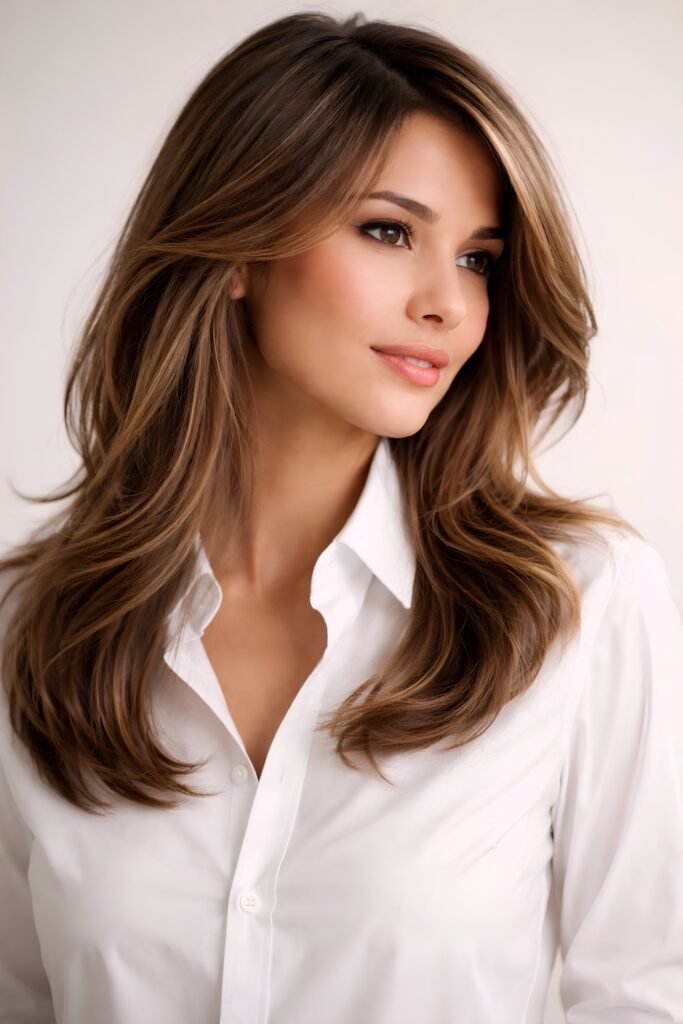
Save13. Long Side-Swept Layers
Long hair with a side-swept front section creates movement across the face while the rest of the layers stay subtle. It is glamorous without needing a dramatic fringe.
Use the natural part if it behaves well. Fighting a stubborn growth pattern every morning is not sophistication; it is unpaid labor.
Best for: long straight or wavy hair, fuller blowouts, side-part lovers.
 Save
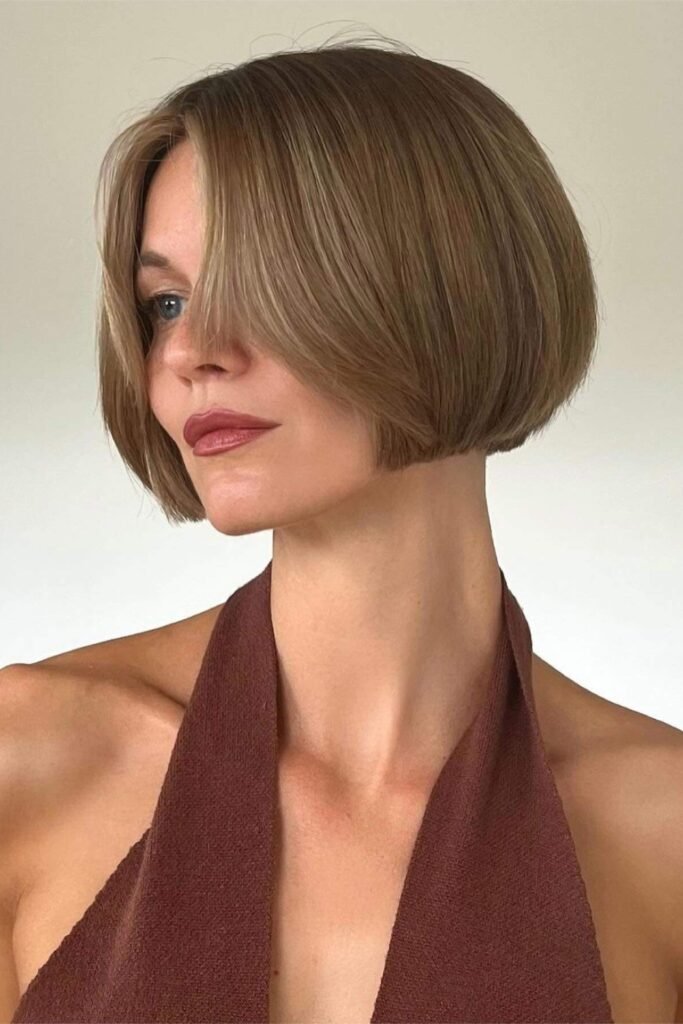
Save14. Sleek Pageboy-Inspired Bob
A pageboy-inspired bob uses a smooth curved perimeter and controlled shape. Modernize it by keeping the finish light and the curve subtle rather than recreating a rigid retro set.
This is one of the sharper options in the list, so condition matters. Shine and clean ends carry the entire idea.
Best for: straight hair, vintage minimalism, strong bob silhouettes.
 Save
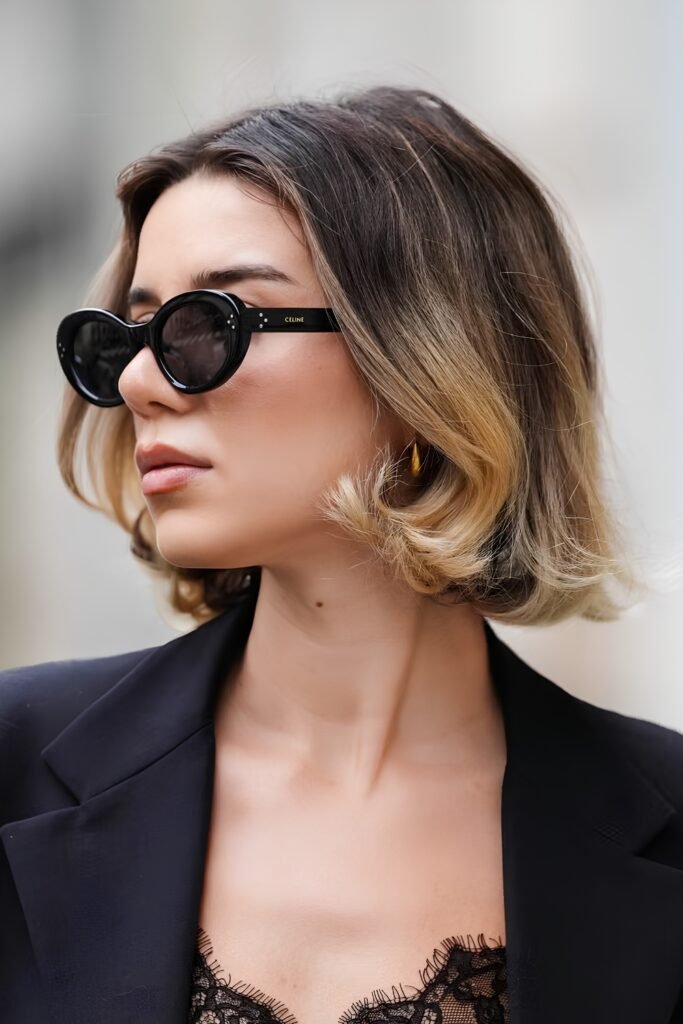
Save15. Grown-Out Bob With Invisible Layers
A bob growing toward the collarbone can become an intentional style rather than an awkward phase when internal layers keep it moving. The outer line stays calm while hidden structure removes heaviness.
This is old-money logic at its best: the haircut does not announce every maintenance decision. It simply keeps behaving.
Best for: women growing out a bob, medium density, low-drama maintenance.
 Save
SaveQuick Guide: Pick Your Old Money Cut
| Hair goal | Strong choices | What makes it work | Avoid |
| Short + polished | Classic bob, side-parted bob, pixie | Clean outline and controlled finish | Over-texturizing |
| Medium + versatile | Luxury lob, collarbone layers, grown-out bob | Full perimeter with subtle movement | Thin disconnected ends |
| Long + expensive-looking | Blended layers, curtain bangs, side-swept layers | Healthy density and invisible structure | Excessive short layers |
| Fine hair | Blunt lob, rounded bob | Preserves visual weight | Aggressive thinning |
| Thick hair | Ghost layers, long blended layers | Removes internal bulk quietly | One heavy block |
| Event-ready | Soft wavy bob, blowout cut | Movement without losing shape | Over-set identical curls |
What Actually Makes a Haircut Look ‘Old Money’?
The internet version of old money can become costume quickly: pearl headband, giant blowout, beige sweater, done. A haircut is more convincing when the luxury comes from fundamentals, clean ends, a deliberate perimeter, proportionate layers, and a finish that suits the natural texture.
Shape and condition matter more than any single reference photo. Clean lines, full ends and movement you can touch are what make the cut look expensive.
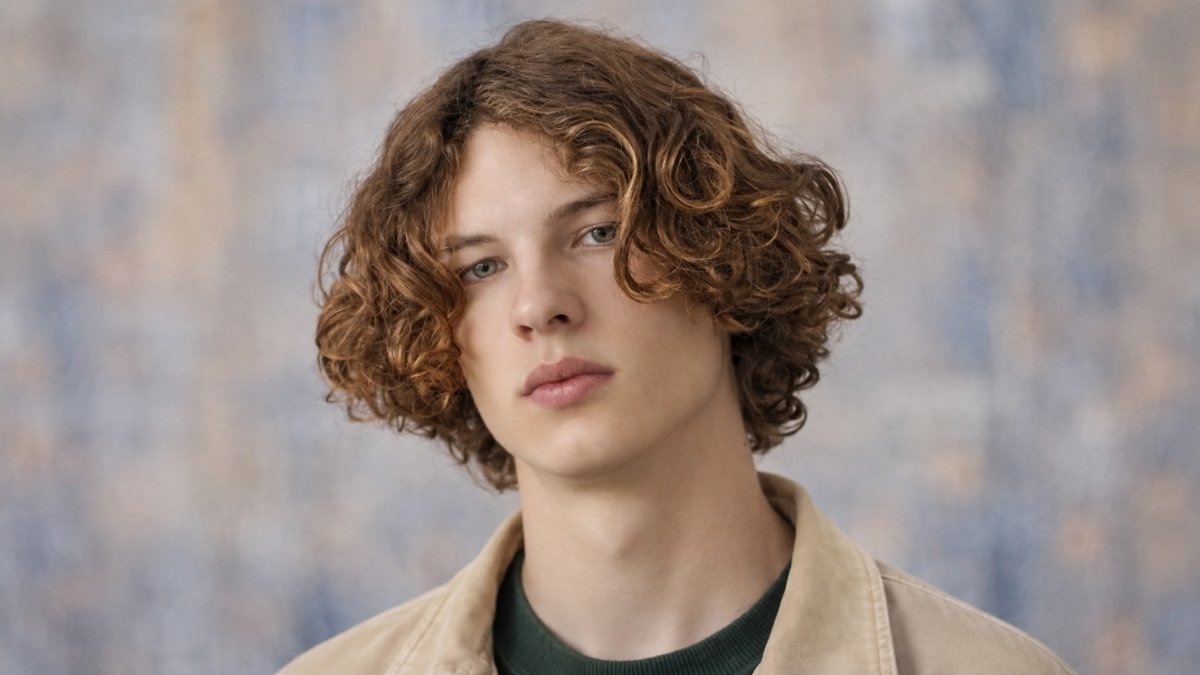
Old money hair also does not have to mean straight hair. Curls, coils, and waves can use the same principles: excellent shape, controlled condition, intentional volume, and no requirement to erase natural texture.
The Cut Matters More Than the Blowout
A blowout can make almost any haircut look expensive for an afternoon. The real question is what happens the next morning. Strong old-money cuts retain a readable silhouette when air-dried, loosely brushed, tied back, or styled with less volume.
That is why invisible layers and fuller perimeters are useful. They create internal movement without making the haircut dependent on each individual piece being curled in the correct direction.
For shorter options, our medium-length bob guide covers classic, French and fuller bob shapes. Want movement without visible choppiness? Compare ghost layer haircuts. For a longer retro-polished direction, see the 90s lob haircut guide, and short cuts with a vintage edge are in our vintage hairstyles for short hair.
What to Tell Your Stylist
Do not ask only for an ‘old money haircut.’ Describe the structure: a full perimeter, soft or invisible layers, clean ends, a bob that tucks neatly, a fringe that grows out well, or long layers that still look dense at the bottom.
Bring one photo of the cut and another of the finish if necessary. A voluminous blowout can disguise the actual haircut in a reference image, and you want your stylist to understand which part you are buying.
Most importantly, tell them how you style your hair on an ordinary Tuesday. A cut that requires forty minutes every morning is not effortless just because the final photo looks effortless.
How to Style Old Money Hair Without Overdoing It
Prioritize condition and shape. Use heat protection when heat styling, choose a smoothing or volumizing product appropriate for your texture, and use a round brush or large rollers only where they add useful movement.
Avoid making every section perfect. Brush curls out, let the part sit naturally, and keep the finish touchable. The aesthetic works because the hair looks maintained, not managed by a committee.
Accessories should follow the same rule. A tortoiseshell clip, slim headband, silk ribbon, or discreet barrette can work. Wearing all four at once turns restraint into evidence.
Frequently Asked Questions
What is an old money haircut for women?
It is an aesthetic label for polished, timeless cuts with clean shapes, healthy-looking ends, subtle layering, and understated styling. Classic bobs, lobs, blended long layers, and refined pixies fit easily.
What is the best old money haircut for long hair?
Long blended or invisible layers are strong choices because they preserve density while adding movement. Soft curtain bangs or a side-swept front can add framing without making the cut overly trendy.
Which bob looks most old money?
A classic chin bob, side-parted bob, rounded bob, blunt lob, or softly textured French bob can all work. Clean condition and proportion matter more than one exact bob shape.
Can curly hair have an old money look?
Yes. The aesthetic does not require straightening. A well-shaped curly bob or longer layered curls can look refined when the cut distributes volume intentionally and the hair is well conditioned.
Are curtain bangs old money?
They can be when they are soft, longer, and blended into the rest of the haircut. Very short or heavily separated fringe creates a more trend-specific effect.
Is an old money haircut high maintenance?
Not necessarily. Precision bobs need regular shape maintenance, but lobs, long blended layers, and grown-out bobs can be relatively forgiving. Styling time depends on texture and desired finish.
What hair color works with old money haircuts?
Natural-looking brunette, blonde, red, gray, and black hair can all fit. Gloss, dimension, and healthy-looking condition generally matter more than chasing one specific ‘old money’ shade.
How do I make my haircut look expensive?
Keep the ends healthy, choose layering that suits your density, maintain a clear silhouette, and avoid overloading the hair with product. A precise cut with a simple finish usually looks more refined than excessive styling.
The Quiet-Luxury Test
Style the haircut, then remove one thing: one roller, one accessory, one extra pass of the iron, one pump of product. If the hair improves, keep removing.
The best old money haircut does not look expensive because it is complicated. It looks expensive because nothing appears accidental: the ends are clean, the shape is balanced, the movement has somewhere to go, and then you leave it there.