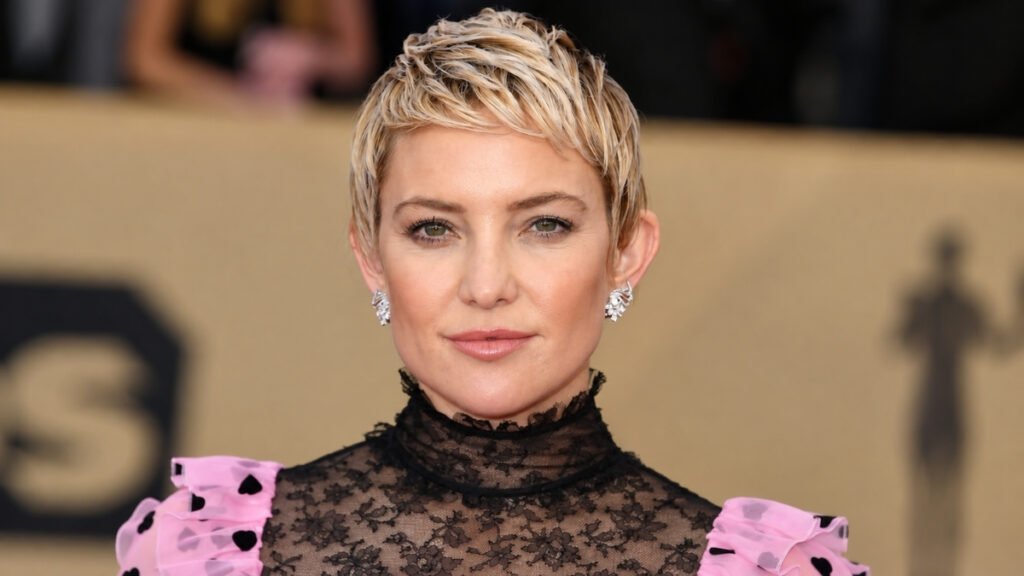
Diamond-shaped faces already have the feature many haircuts try to manufacture: strong cheekbones. The balancing act is elsewhere. The forehead and chin are usually narrower than the cheekbone line, so a haircut can either soften that contrast or deliberately put it on display.
That does not mean hiding your cheekbones under curtains of hair. It means deciding where the width goes. Side-swept fringe can add visual movement across the forehead. Soft layers and curls can build fullness closer to the jaw. A clean pixie can do the opposite and expose the geometry completely.
Proportion is the rule. No style is off limits, and the best version knows what your cheekbones are already doing before adding more angles, height or width.
How to Tell If You Have a Diamond-Shaped Face
A diamond face is typically widest through the cheekbones, with a comparatively narrower forehead and jawline or chin. It can be confused with heart-shaped or oval faces, so look at the widest point rather than focusing on one feature.
Face shape is also only one part of haircut choice. Hair density, curl pattern, forehead height, jaw structure, glasses, styling time, and personal taste can matter more than a label. Use the shape as a design clue, not a diagnosis.
16 Hairstyles for Diamond-Shaped Faces
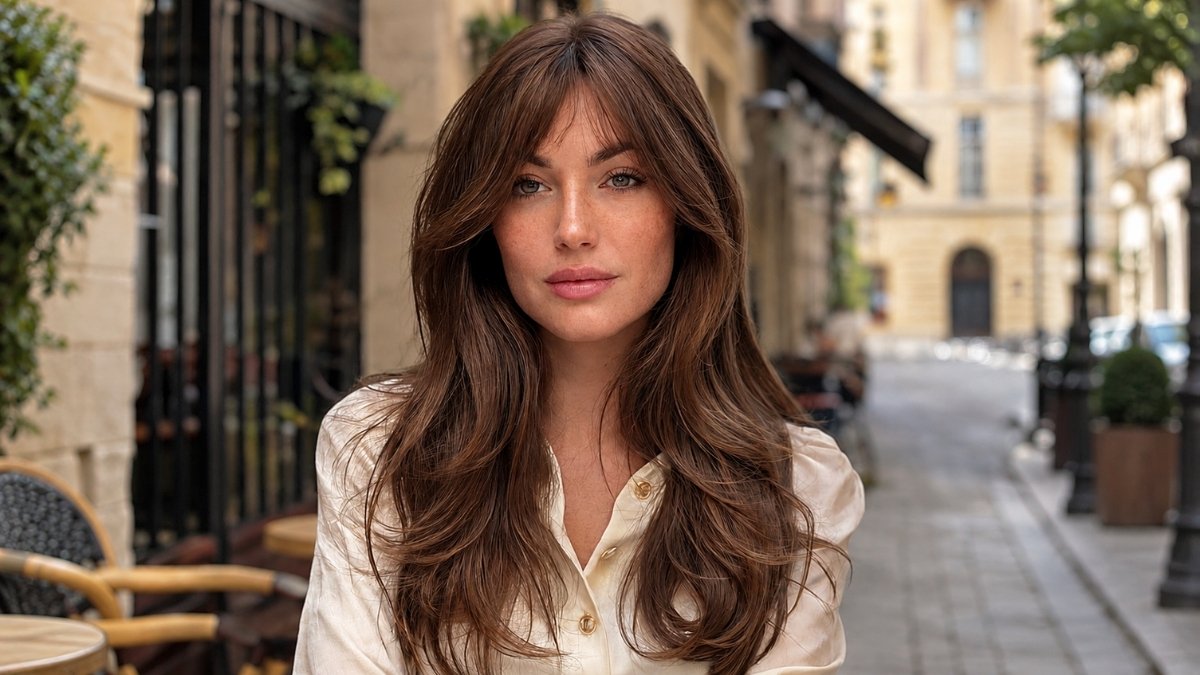
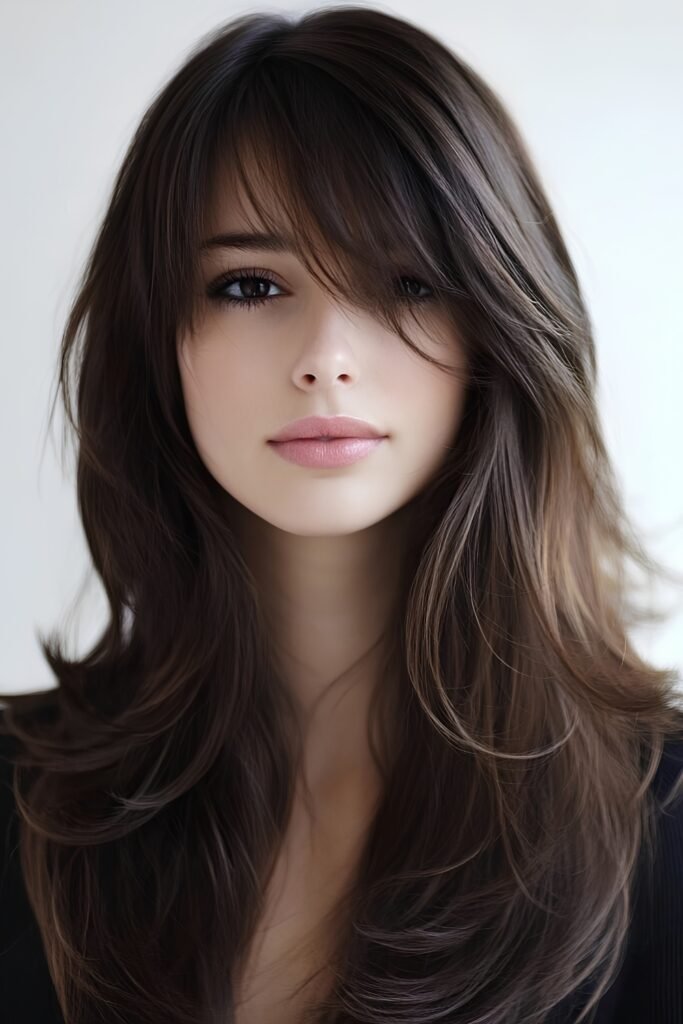
1. Side-Swept Bangs With Long Layers
A diagonal fringe breaks up the narrower upper face without placing a heavy horizontal line across it. Long layers then keep movement through the lower lengths so the cheekbones are not the only point carrying width.
Let the fringe skim rather than completely cover the face. The goal is movement across the forehead, not hiding half of it.
Best for: medium-to-long straight or wavy hair, prominent cheekbones, softer styling.
 Save
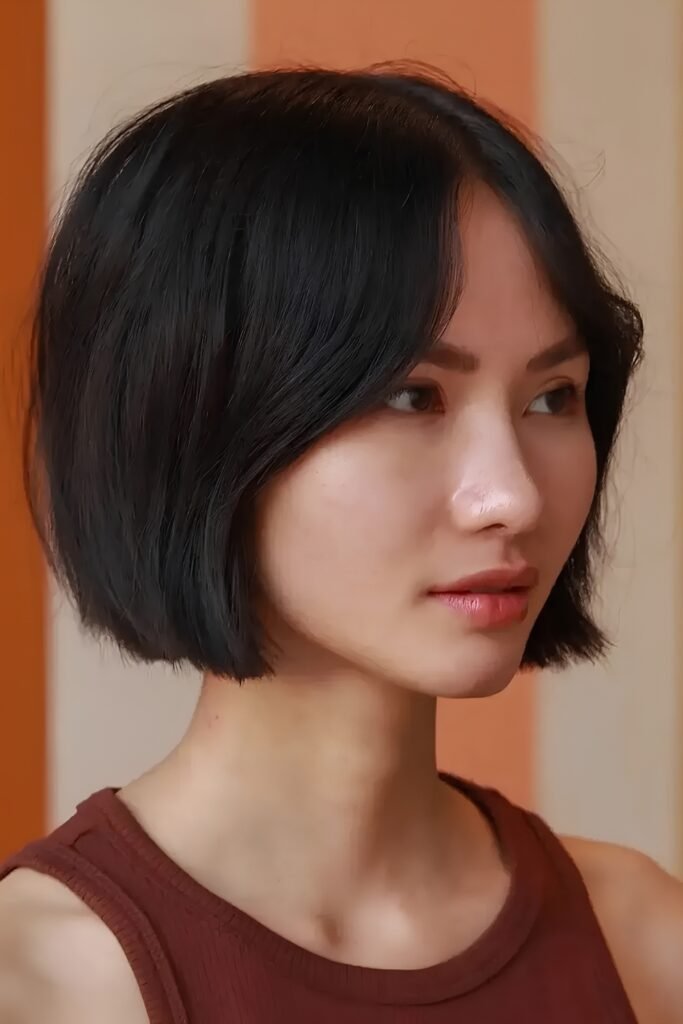
Save2. Chin-Length Layered Bob
A layered bob that finishes around the chin can add useful visual weight below the cheekbones. Soft graduation is more forgiving than a severe blunt line sitting at the widest point of the face.
Style the ends with a slight bend or texture. A bob should support the jaw area, not create another hard geometric edge.
Best for: straight or wavy hair, fine-to-medium density, short-hair lovers.
 Save
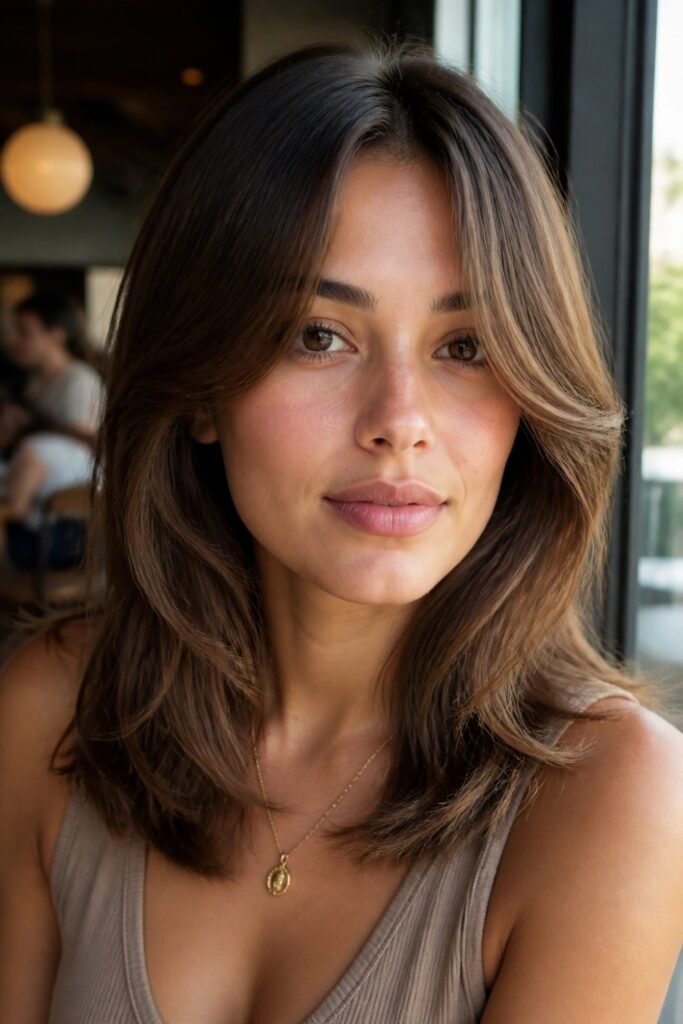
Save3. Soft Curtain Bangs With Face-Framing Layers
Curtain bangs can work beautifully when they open gently rather than splitting into two rigid panels. Pair them with face-framing layers that continue below the cheekbones toward the jaw.
Keep some softness at the temples. Excessive crown lift plus bare temples can make the center of the face look even wider by comparison.
Best for: medium-to-long hair, center parts, soft layered cuts.
 Save
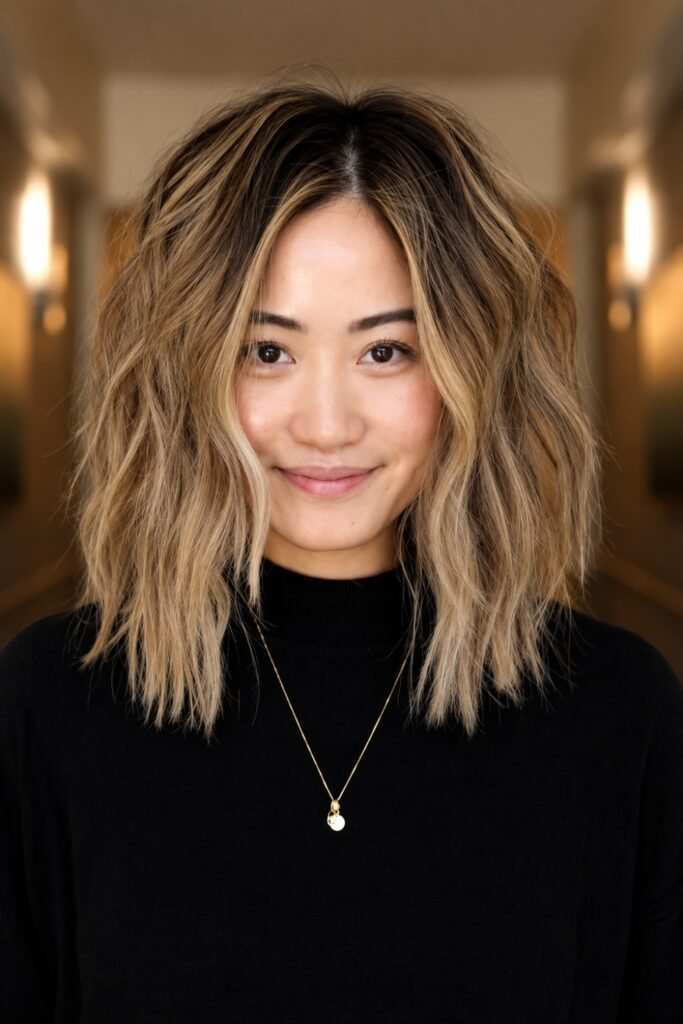
Save4. Wavy Lob With an Off-Center Part
A collarbone lob keeps enough length to create movement below the cheekbone line, while an off-center part introduces asymmetry through the upper face. Loose waves stop the cut from becoming one flat vertical curtain.
Start the strongest bend around the jaw or slightly below. You already have cheekbones; they do not need a second set made from hair.
Best for: wavy or heat-styled hair, medium density, versatile everyday wear.
 Save
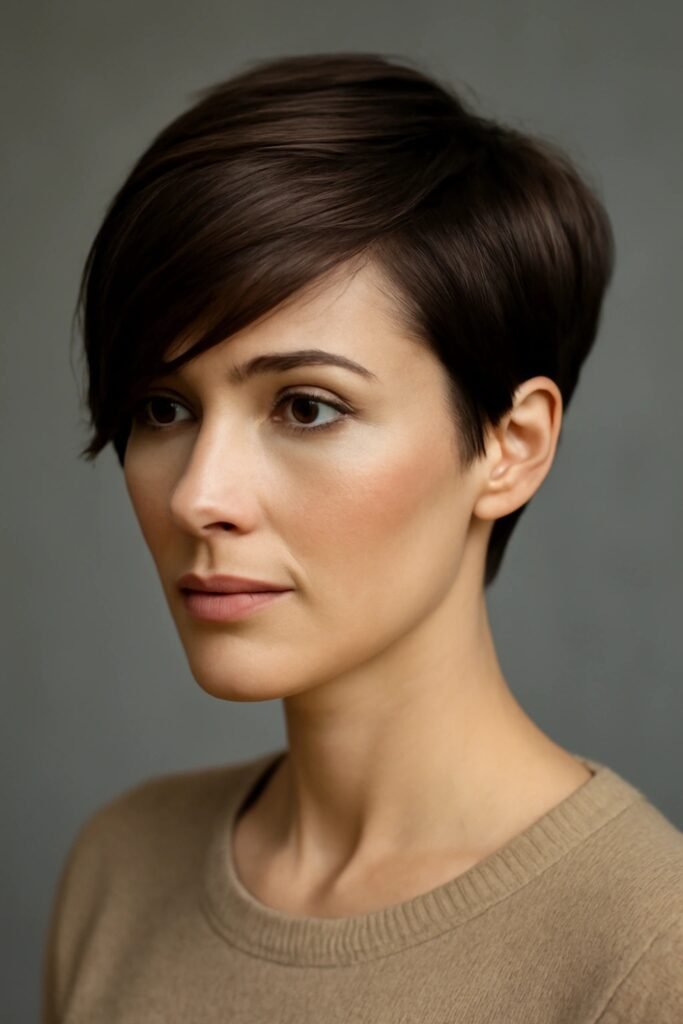
Save5. Side-Swept Pixie
A pixie does not have to disguise a diamond face. A longer side fringe gives the forehead diagonal movement while the short sides expose the cheekbones confidently.
Keep the top textured rather than building extreme vertical height. A little lift is shape; a towering top can make a narrow chin feel even narrower.
Best for: straight, wavy, or lightly curly hair, bold short cuts.
 Save
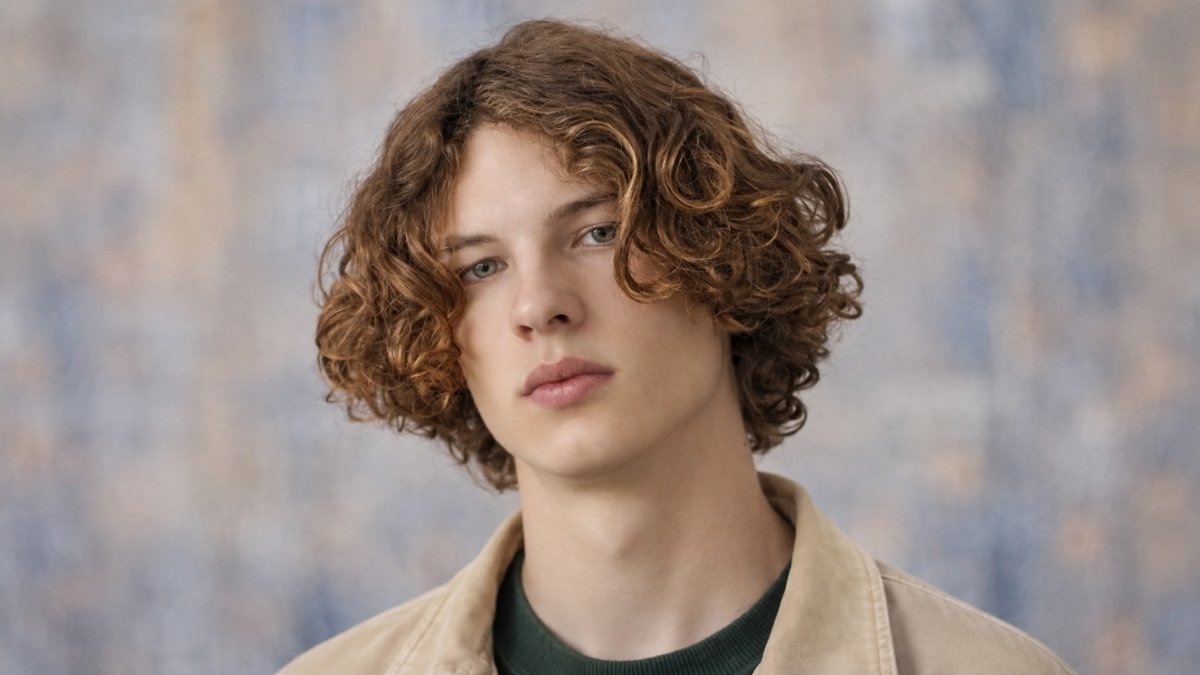
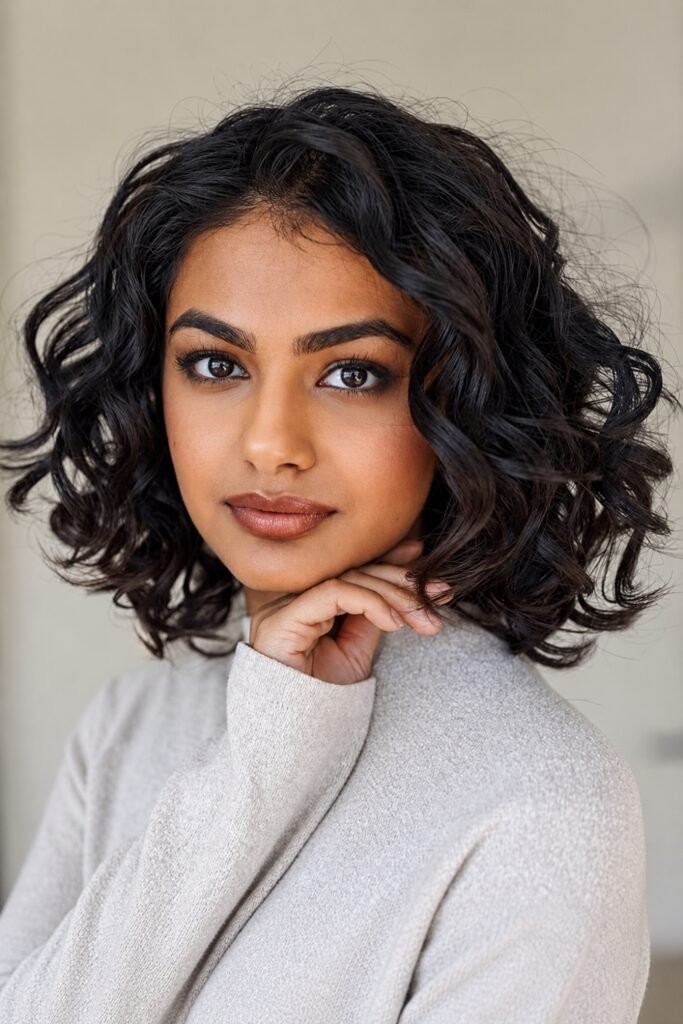
Save6. Curly Bob With Soft Volume
A curly bob can distribute volume around the jaw and lower sides instead of stacking everything at cheekbone level. The result keeps the natural texture while making the silhouette feel more balanced.
Ask for curl-by-curl or texture-aware shaping where appropriate. Cutting curls into one triangular block wastes the advantage of the texture.
Best for: curly hair, chin-to-shoulder lengths, natural volume.
 Save
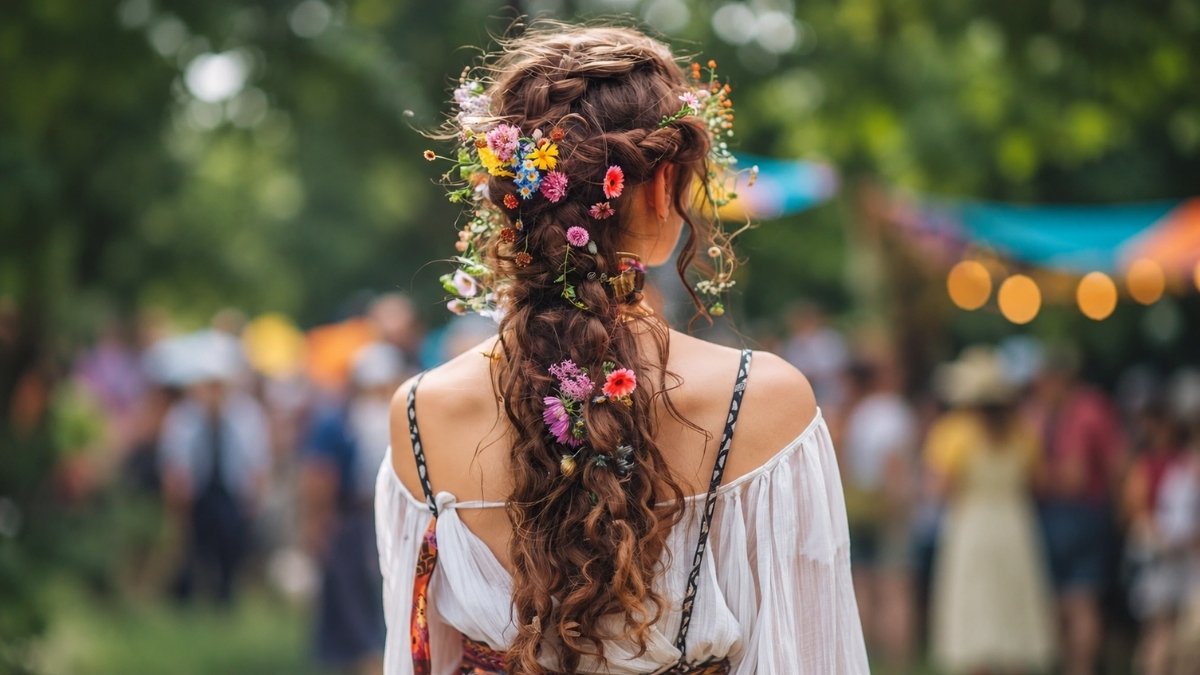
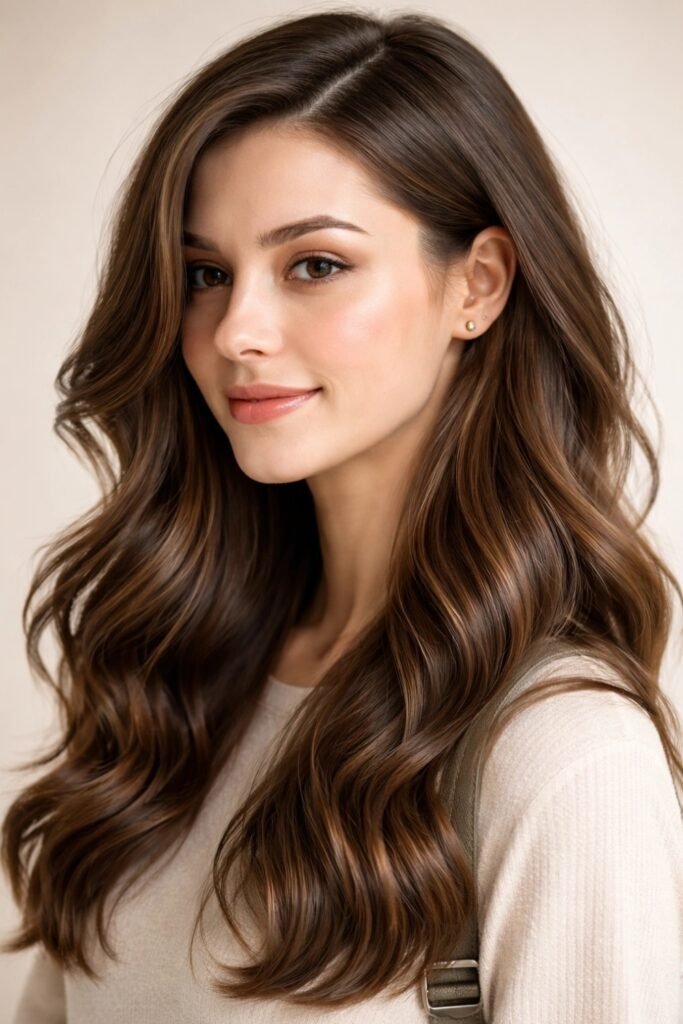
Save7. Long Waves With a Side Part
Long waves soften strong cheekbones simply by adding movement through a larger vertical area. A side part keeps the top from feeling too symmetrical and can visually broaden one side of the forehead.
Avoid concentrating every wave directly beside the cheeks. Let the pattern travel through the jaw and lengths.
Best for: long wavy hair, thick hair, romantic styling.
 Save
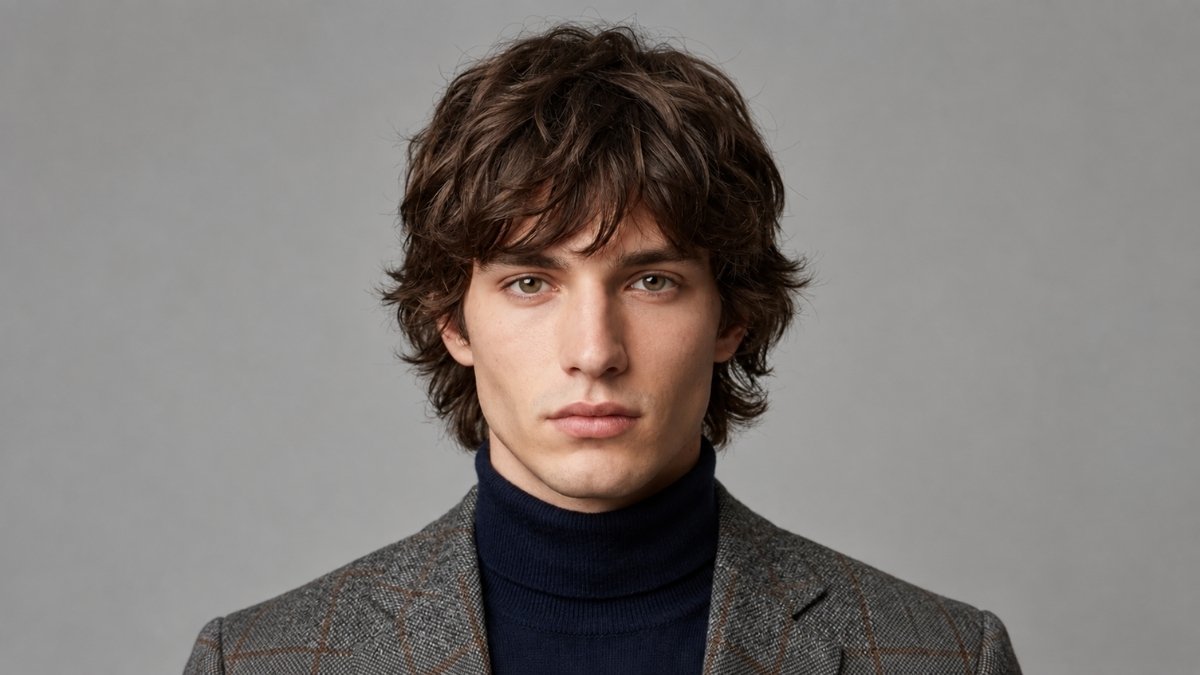
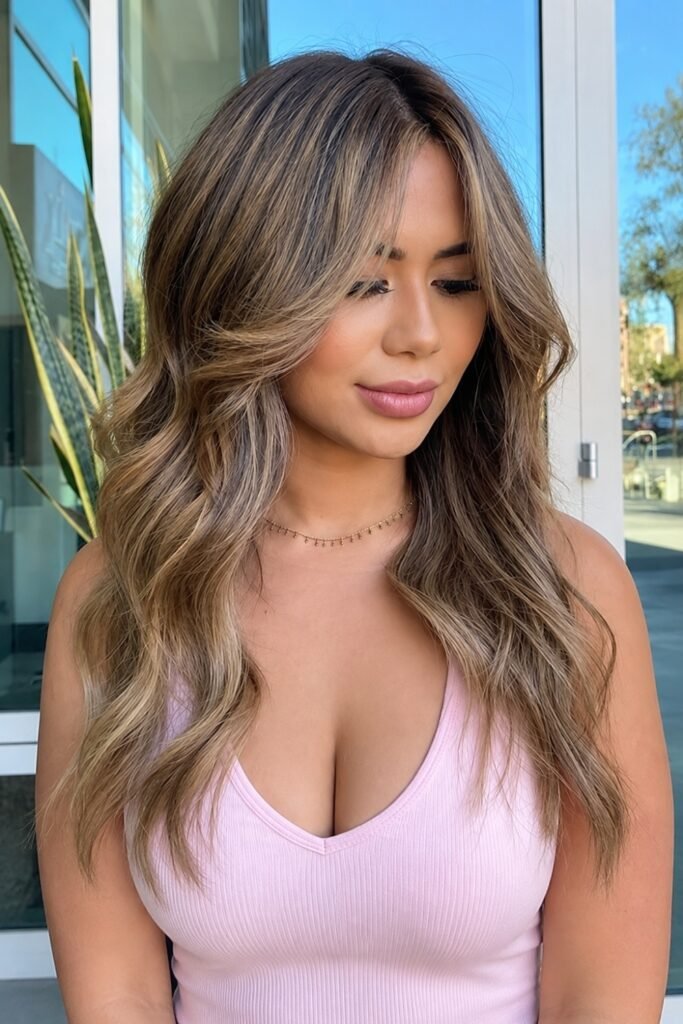
Save8. Feathered Face-Framing Layers
Feathered layers that flick away from the face can create air around the cheekbones while carrying movement toward the jaw and shoulders. They are especially useful if you want shape without committing to a full fringe.
The shortest face-framing piece matters. If it ends exactly at the widest cheekbone point and flips outward aggressively, it may add width precisely where you already have it.
Best for: medium-to-long straight or wavy hair, blowout styling.
 Save
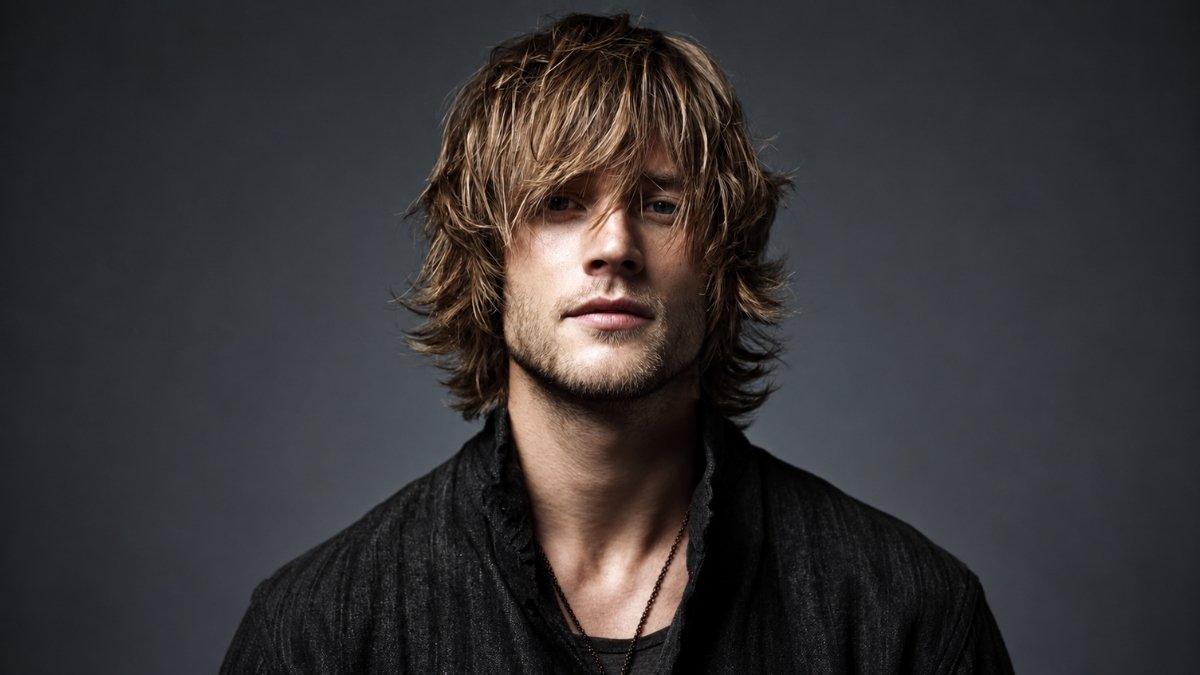
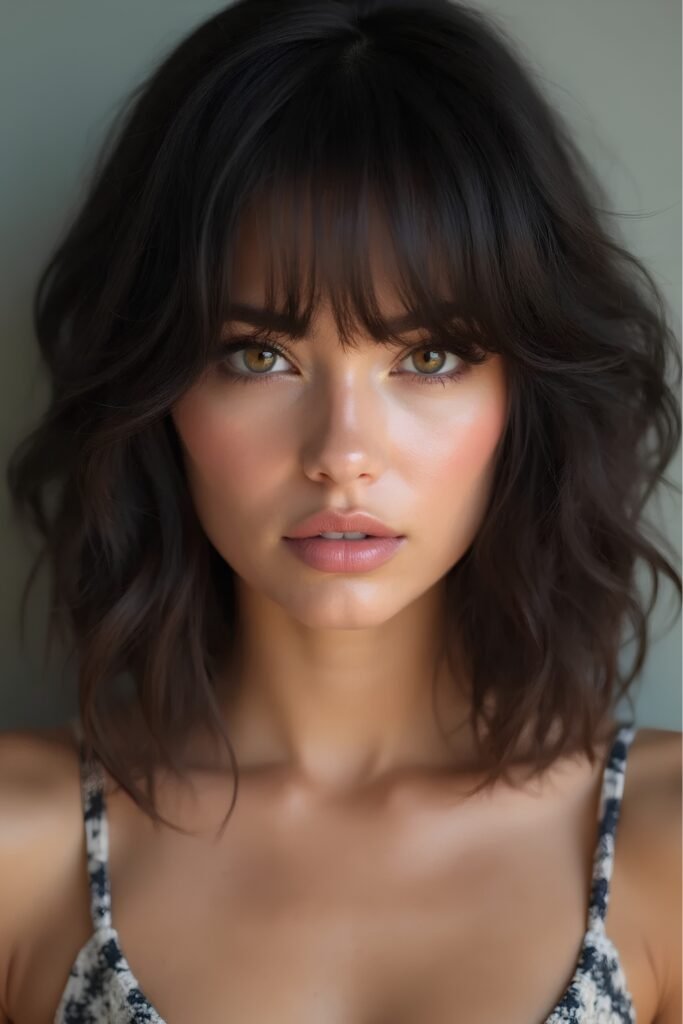
Save9. Textured Shag With Wispy Fringe
A soft shag uses irregular layers and a wispy fringe to make a sculpted face feel less formal. The best version keeps some width through the sides and lower layers instead of putting all the volume on the crown.
Choose a fringe with gaps and movement. A dense blunt fringe can work, but it creates a much stronger graphic effect.
Best for: wavy hair, medium lengths, women who like undone texture.
 Save
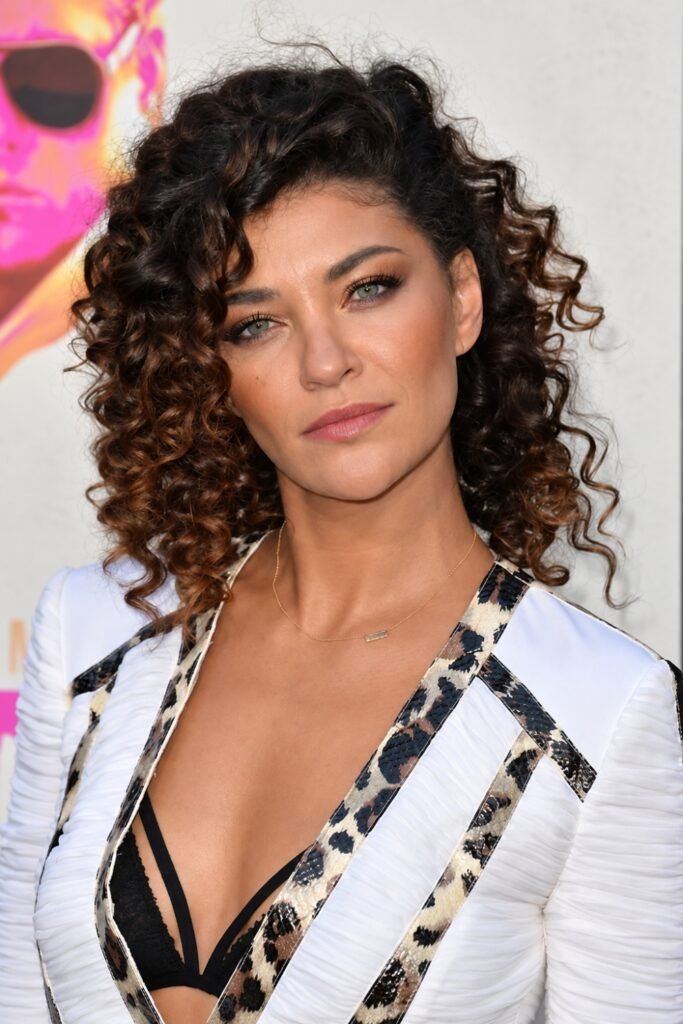
Save10. Curly Side Part
A side part gives curls direction while preserving natural fullness around the forehead and lower face. This is particularly effective when the curls are shaped to avoid one wide shelf at cheek level.
Do not flatten the temples into silence while building a huge curly top. Balance needs distribution, not relocation.
Best for: curly and coily hair, medium-to-long lengths.
 Save
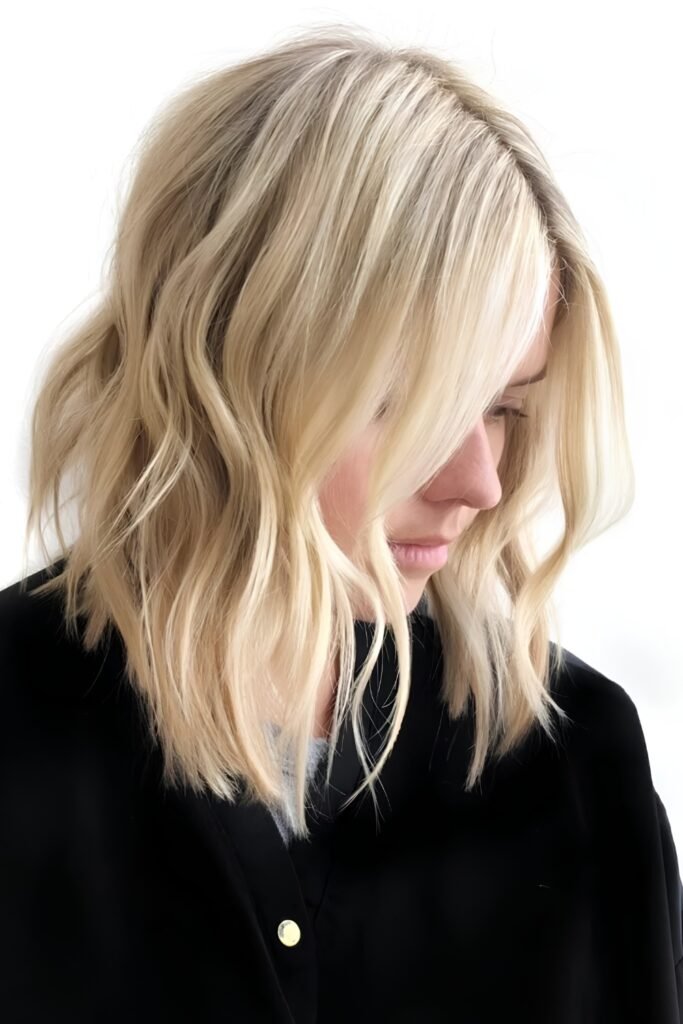
Save11. Angled Lob With Soft Ends
A subtle angled lob can lengthen toward the front while still keeping fullness near the lower face. The trick is softening the ends so the haircut does not become another sharp angle competing with strong cheekbones.
Wear it sleek with a slight bend or add loose texture. Precision is fine; severity is optional.
Best for: straight or wavy hair, polished styling, collarbone length.
 Save
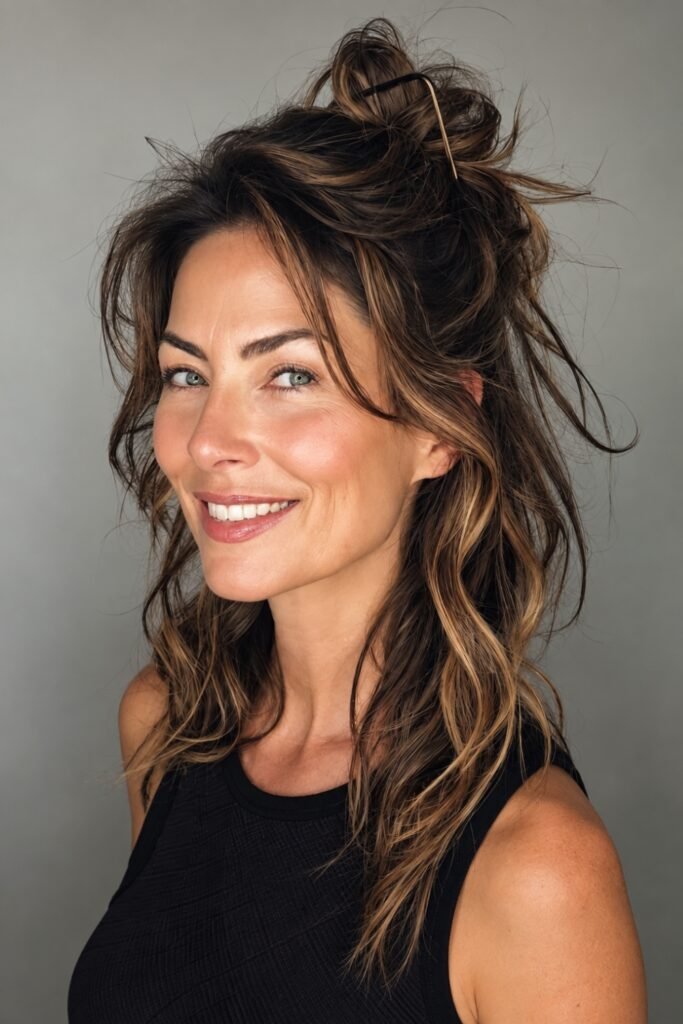
Save12. Half-Up Hair With Loose Face Pieces
A half-up style lifts hair away from the face while leaving enough softness around the temples and jaw to balance the cheekbone line. It is more forgiving than a fully slicked high ponytail.
Leave intentional pieces, not random flyaways. A small bend in those sections can make the style look finished without becoming overly formal.
Best for: medium-to-long hair, weddings, dates, everyday styling.
 Save
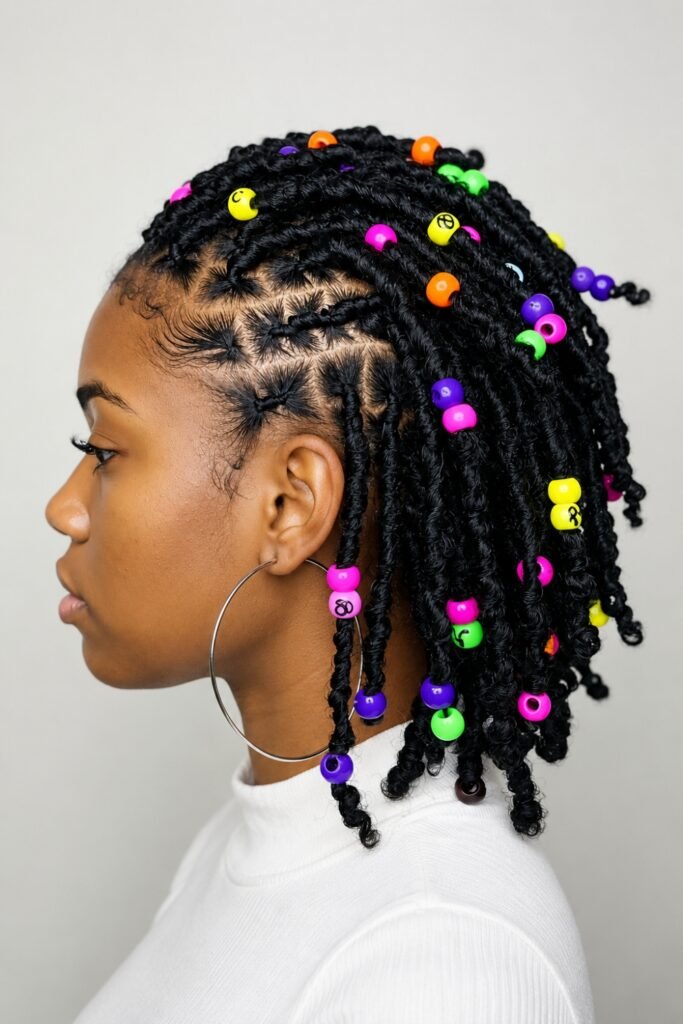
Save13. Short Kinky Twists With Beads
Chin-length kinky twists can create controlled fullness below the cheekbones while the individual twists add vertical texture. A few beads or cuffs give detail without changing the underlying silhouette.
Keep the overall shape intentional. Too much bulk directly beside the cheekbones can make the widest point look even broader.
Best for: coily hair, protective styling, chin-length looks.
 Save
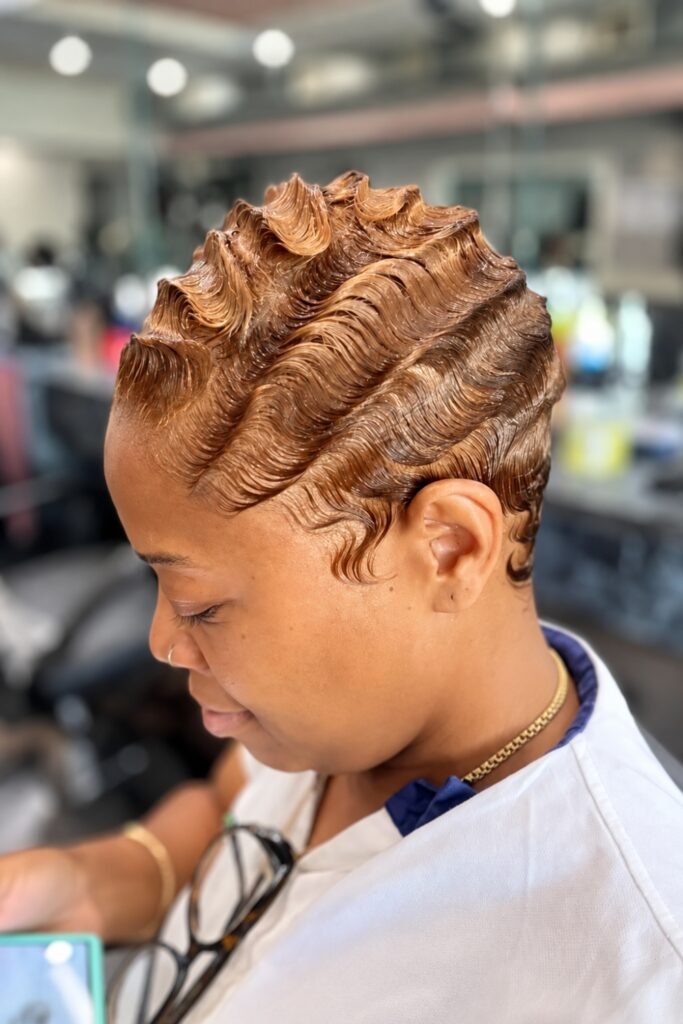
Save14. Side-Swept Finger Waves
Finger waves create deliberate curves across the forehead and temples, which can contrast beautifully with angular cheekbones. A side-swept arrangement is softer than a perfectly centered, mirrored pattern.
This style is supposed to be sculpted, so polish is welcome. Just keep the wave placement from creating maximum outward width exactly at cheek level.
Best for: short hair, formal events, vintage-inspired styling.
 Save
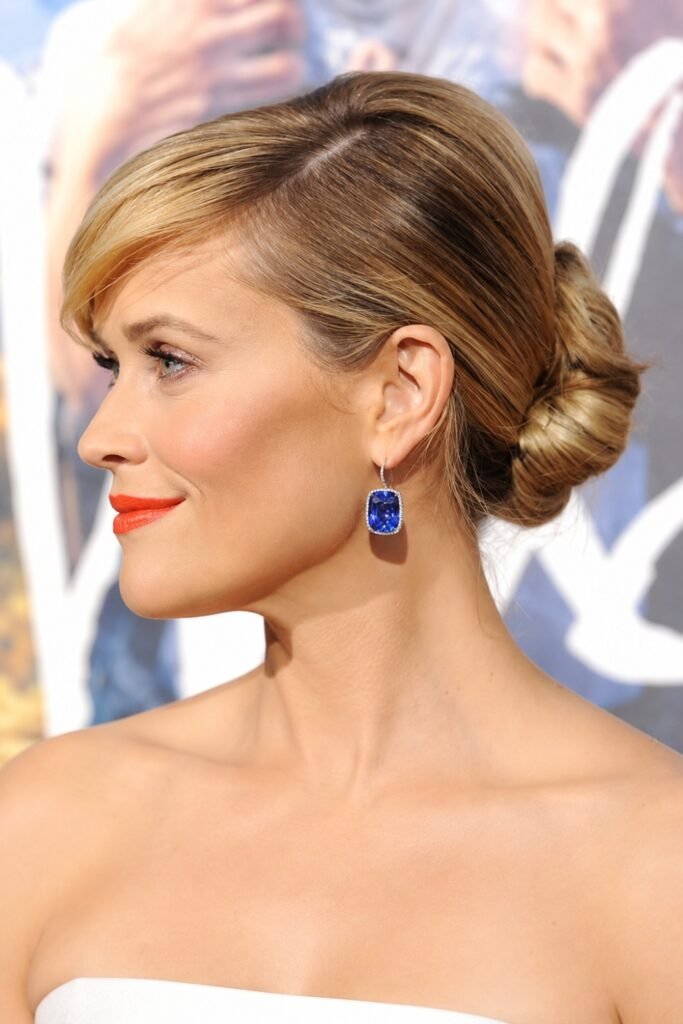
Save15. Low Bun With Side-Swept Fringe
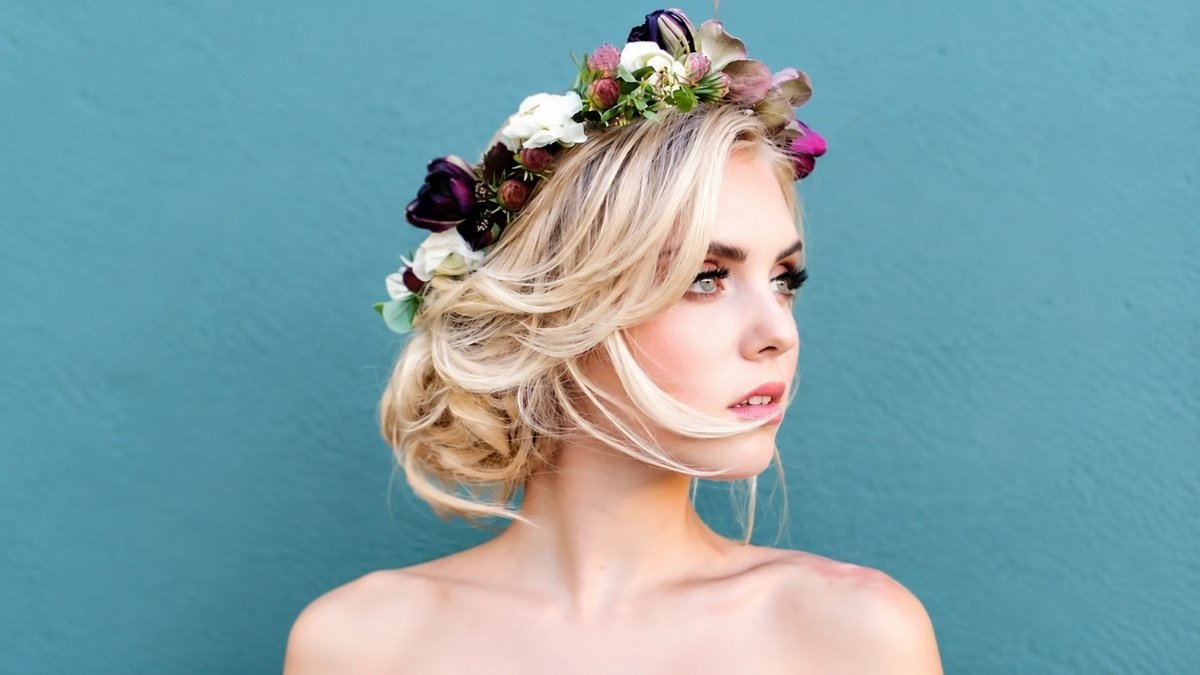
A low bun keeps the visual weight closer to the nape while a side fringe or soft tendrils add movement around the narrower forehead and jaw. It is a strong formal option because the cheekbones stay visible without the whole head being slicked flat.
Avoid pulling every hair straight backward under maximum tension if your goal is softness. That version exposes the geometry rather than balancing it.
Best for: medium-to-long hair, weddings, work events, evening looks.
 Save
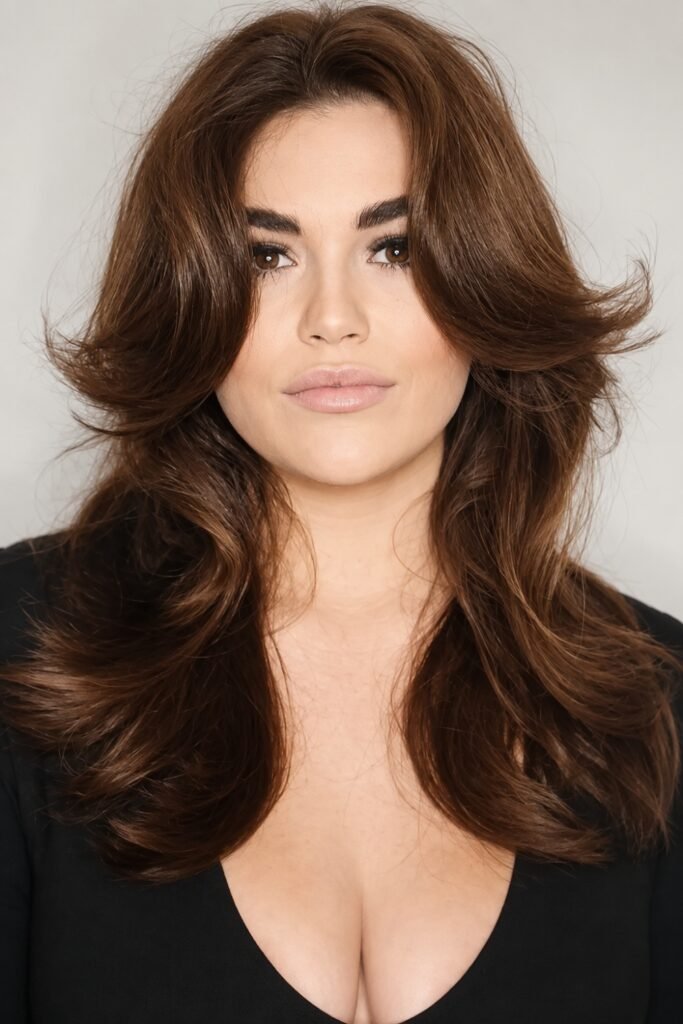
Save16. Layered Curls With Cheekbone-to-Jaw Movement
Layered curls can distribute volume through several levels of the haircut instead of concentrating it at one horizontal point. Keep enough fullness below the cheekbones to support the narrower jaw.
The best layers follow the curl pattern and density. Removing too much weight can leave a wide upper shape sitting over thin ends, the exact opposite of the intended balance.
Best for: curly hair, medium-to-long lengths, high natural volume.
 Save
SaveQuick Guide: Choose by Hair Length and Goal
| Your goal | Strong choices | Why they help | Watch out for |
| Add softness near forehead | Side-swept bangs, curtains, side part | Adds diagonal or lateral movement | Flat bare temples + huge crown |
| Add fullness near jaw | Curly bob, layered bob, lob | Moves visual weight below cheekbones | Maximum width at cheek level |
| Keep hair short | Side-swept pixie, finger waves | Shows bone structure with controlled upper movement | Excessive vertical height |
| Keep hair long | Long waves, feathered layers, layered curls | Spreads movement through more length | One-length flat curtains |
| Formal style | Low bun, half-up style | Keeps cheekbones visible with soft framing | Severe slick-back if softness is desired |
| Protective style | Short kinky twists | Builds texture and lower-face fullness | Too much bulk at widest point |
Where Should Layers Start on a Diamond-Shaped Face?
There is no mandatory starting point, but the widest cheekbone area is useful to notice. If your shortest layer ends there and flips outward strongly, it can add more width to the face’s widest point. Moving the strongest outward movement slightly above or below that line often creates a softer result.
For long hair, layers around the jaw and collarbone can give the lower face more visual support. For short hair, a diagonal fringe or textured temple area can add interest to the narrower upper face without requiring extra length.
Bangs for Diamond Faces: What Usually Works
Side-swept bangs are the easiest because they create a diagonal across the forehead. Soft curtain bangs can also work when they retain some width at the temples and connect into longer face-framing layers.
Blunt bangs are not forbidden. They simply make a stronger graphic statement and can visually shorten the upper face. If that is the look you want, wear them. Face-shape advice should refine a haircut, not turn your forehead into a restricted zone.
Want more movement around your face? Our face-framing layers with bangs cover curtain, side-swept and wispy options, and our short layered haircuts suit a shorter switch. For a short twist look, see these kinky twist hairstyles.
What to Tell Your Stylist
Say which feature you want to emphasize, not just that you have a diamond face. If you love your cheekbones, ask for a cut that exposes them. If you want a softer silhouette, ask for movement around the forehead and jaw.
Bring a reference with similar hair density and texture. A layered cut on fine straight hair and the same outline on dense curls are not the same haircut in practice.
Ask where the shortest face-framing layer will land when the hair is dry. That one detail can decide whether the cut adds movement around the cheekbone or adds another strong line directly on top of it.
Frequently Asked Questions
What hairstyle is best for a diamond-shaped face?
Side-swept bangs, layered bobs, wavy lobs, soft curls, face-framing layers, and textured pixies can all work. The best choice depends on whether you want to soften or emphasize prominent cheekbones.
What does a diamond-shaped face look like?
It is generally widest through the cheekbones, with a comparatively narrower forehead and chin or jawline. Individual features vary, so use this as a proportion guide rather than a rigid category.
Are bangs good for diamond-shaped faces?
Yes. Side-swept and soft curtain bangs can add movement through the narrower forehead and connect into face-framing layers. Blunt bangs can also work when a stronger graphic effect is desired.
Is short hair flattering on a diamond face?
Yes. Side-swept pixies, layered bobs, curly bobs, and finger waves can showcase strong cheekbones while using fringe, texture, or lower-side volume to adjust the silhouette.
Should diamond-shaped faces avoid center parts?
No. Center parts can work, especially with curtain bangs, waves, or layers that add softness around the temples and jaw. An off-center or side part simply creates more asymmetry.
What bob suits a diamond-shaped face?
A chin-length layered bob, curly bob, or softened lob can work well because the cut can add movement and fullness below the cheekbone line. Avoid assuming every bob needs to be blunt.
Do curls suit diamond-shaped faces?
Yes. Curls can distribute fullness around the forehead, jaw, and lengths. A well-shaped curly cut prevents all the volume from collecting only at the widest cheekbone area.
What hairstyles highlight diamond cheekbones instead of softening them?
A side-swept pixie, slicker short style, low bun, or controlled finger waves can expose and emphasize cheekbones. Balance is optional; showing the face shape proudly is also a valid styling goal.
The Cheekbone Test
Style your hair, then look at the silhouette rather than the individual strands. Where is the widest point created by the hair? If it sits exactly beside your already-prominent cheekbones and the rest of the style narrows sharply above and below, decide whether that extra emphasis is intentional.
If it is, keep it. If not, move some volume toward the forehead, jaw, or lower lengths. Diamond-shaped faces do not need correcting. They just give you a very clear starting point for deciding where the hair should carry its weight.