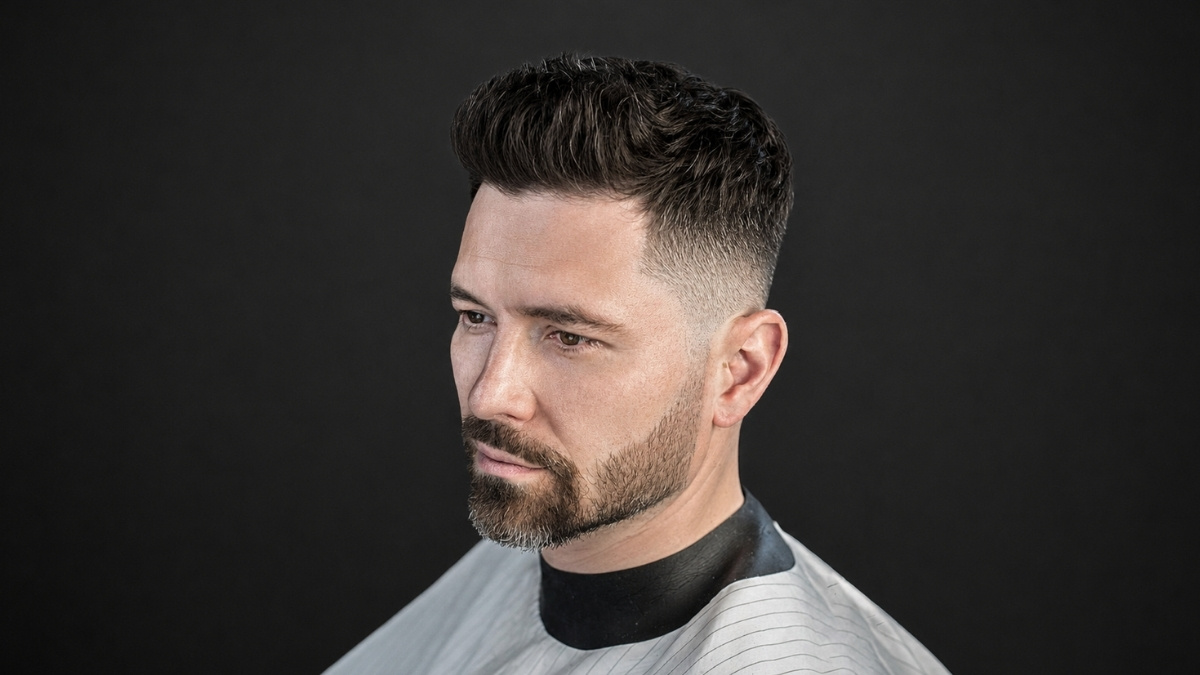
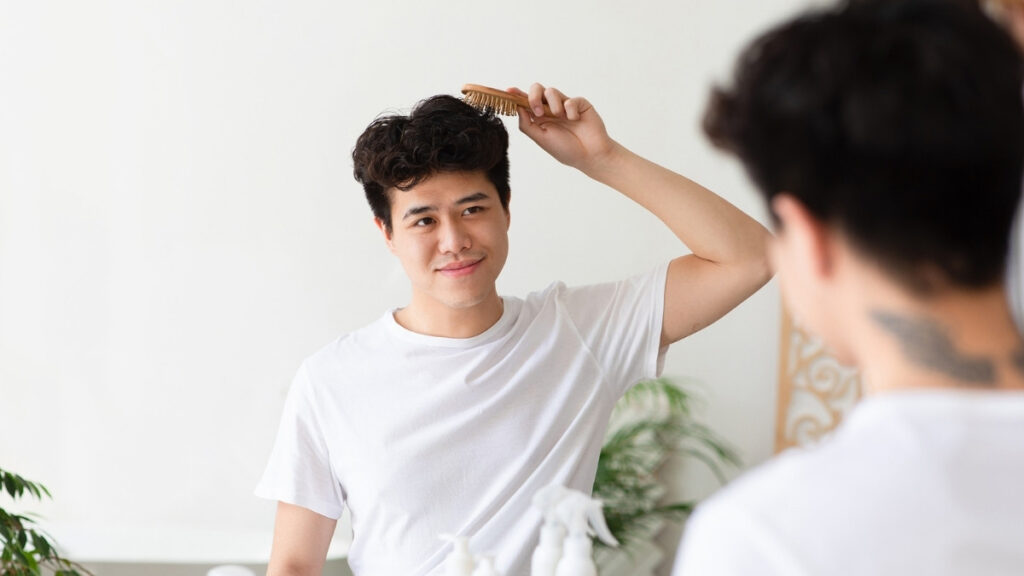
Hair that looks good is almost always hair that has been consistently maintained rather than perfectly styled on one particular day. Grooming expert EB told Harry Rosen in 2026 that people are much more intentional about caring about themselves in 2026, and that nothing is easier than a good hairstyle when you have the right routine underneath it.
Professional barber Khamis Maiouf, who holds a Level 3 hairdressing qualification from Hinckley College and brings over 20 years of barbering experience, told Book of Barbering in April 2026 that the difference between hair that looks exceptional and hair that merely exists comes down to consistent, informed maintenance. The reality is simpler than most men imagine.
These 16 healthy hair routines cover every aspect of men’s hair care in 2026, from washing frequency and scalp health through to trimming schedules, diet, and the specific products that barbers and grooming experts confirm are worth using.
The Foundation: What Healthy Men’s Hair Actually Needs
Barberstake UK November 2025 confirms three things damage hair most consistently in men’s routines: aggressive towelling, harsh brushing, and excessive heat. All three happen most easily when the hair is wet, which is when the hair shaft is at its most vulnerable and most elastic.
The scalp is where the health conversation starts, not the hair itself. Barberstake confirms that focusing exclusively on hair while ignoring scalp creates problems, because the scalp is where hair grows and its health directly impacts hair quality. A scalp massage, appropriate product selection, and occasional deep cleaning produce better long-term results than any styling product.
Khamis Maiouf confirms the three non-negotiables for every successful hair care routine: proper washing frequency, the right water temperature, and consistent trimming. These basics apply whether your hair is thick curls or fine and straight.
Washing and Cleansing Routines
1. Wash Two to Three Times Weekly, Not Daily
Wash your hair two to three times a week rather than every day. Barber BH told Harry Rosen 2026 that over-washing strips the hair and scalp of their natural oils, and that less shampooing is often better for the overall condition of both.
The scalp produces sebum, the natural oil that keeps both the scalp and the hair shaft hydrated. Daily washing removes this sebum before it can travel down the hair shaft and do its conditioning work. The result of daily washing over months is a scalp that compensates by producing more oil, creating the appearance of greasy hair faster after each wash than before the daily habit started.
If your work involves sweat or your scalp genuinely produces excess oil, a water-only rinse on non-wash days keeps the hair feeling clean without stripping the natural oil balance. Use shampoo only on the two or three designated wash days.
 Save
2. Use a Sulphate-Free Shampoo for Regular Washing
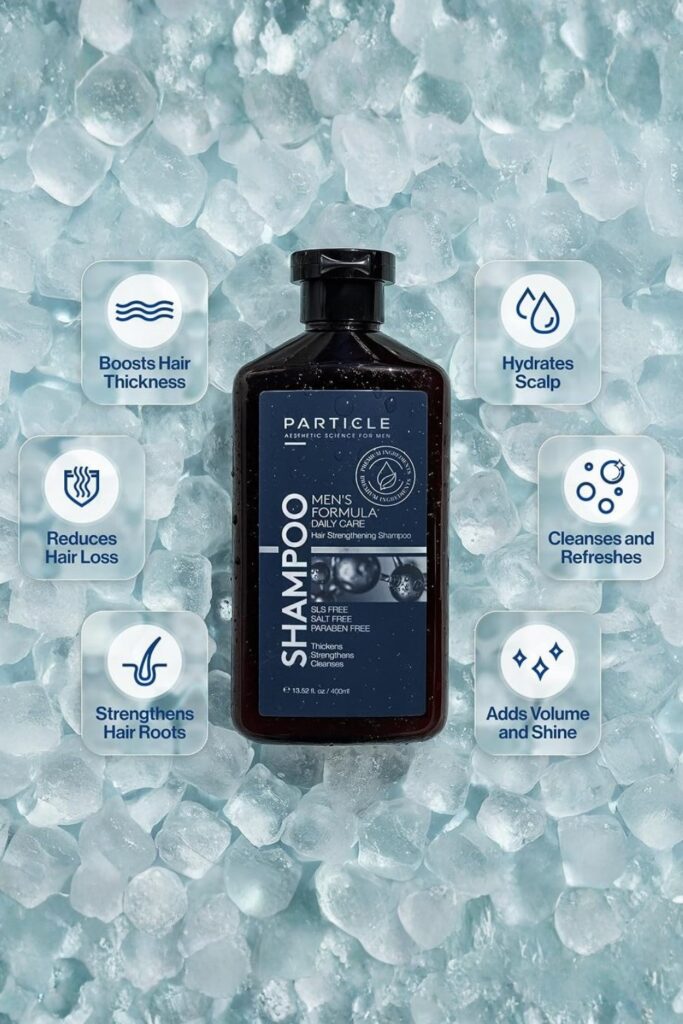
Choose a sulphate-free formula for your regular two-to-three-times-weekly shampoo. Khamis Maiouf confirms that daily shampoo, when used, should be sulphate-free for regular use. Sulphates are the harsh detergent ingredients that produce a high lather but strip the hair cuticle of moisture at the same time.
Sulphate-free shampoos clean effectively at lower concentrations and leave the hair cuticle in a better condition after washing. For men with colour-treated or highlighted hair, a sulphate-free formula is non-negotiable because sulphates strip colour significantly faster than sulphate-free alternatives.
Look for tea tree oil in the formula for oily scalps specifically, as Khamis Maiouf names tea tree oil as one of the targeted ingredients for scalp oil control. For dry hair or a dry scalp, argan oil in the shampoo formula provides moisture alongside the cleansing.
 Save
3. Add a Weekly Clarifying Shampoo
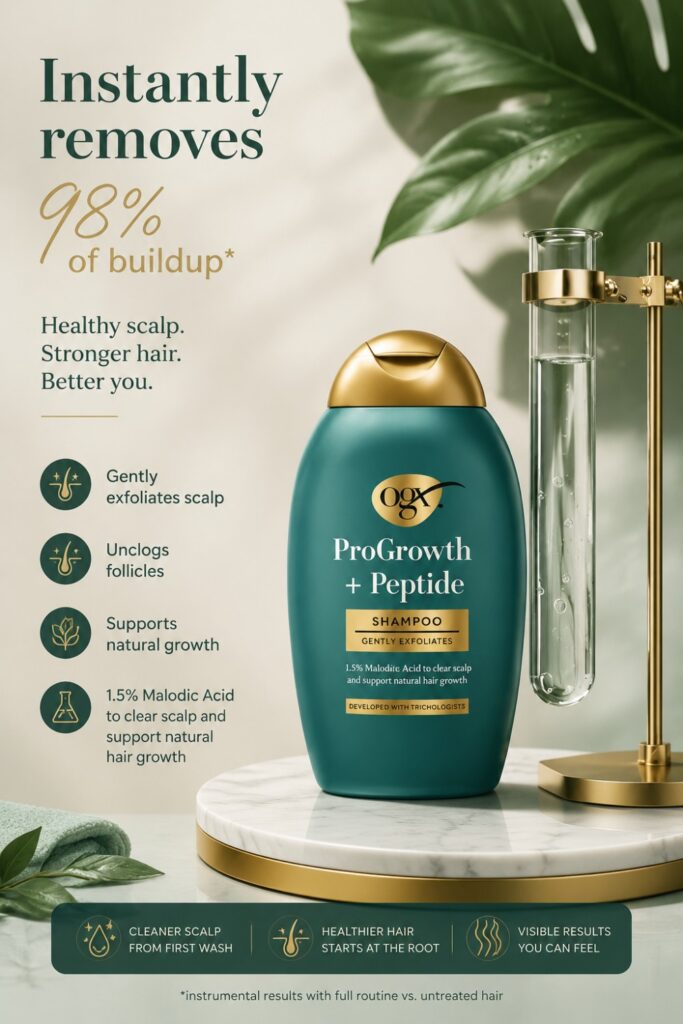
Use a clarifying shampoo once a week to remove the product buildup, mineral deposits, and excess sebum that a regular sulphate-free shampoo does not fully remove over time. Khamis Maiouf confirms that clarifying shampoo once weekly removes buildup that accumulates between regular washes.
Product buildup from styling clays, pomades, and waxes accumulates at the scalp over weeks of use and creates a residue layer that makes the hair appear flat, dull, and oily faster after each wash. A clarifying shampoo dissolves this residue at the scalp and returns the hair to a clean base. Do not use clarifying shampoo more than once a week, as the formula is stronger than a regular shampoo and will dry the scalp if overused.
 Save
4. Work Shampoo in with Your Fingertips, Not Your Nails
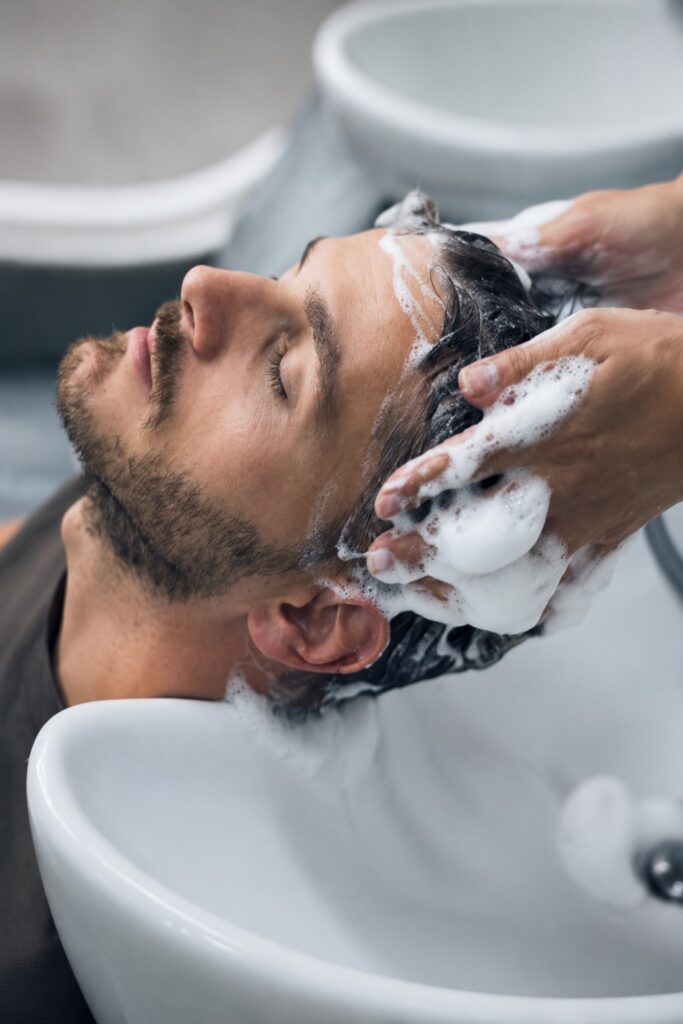
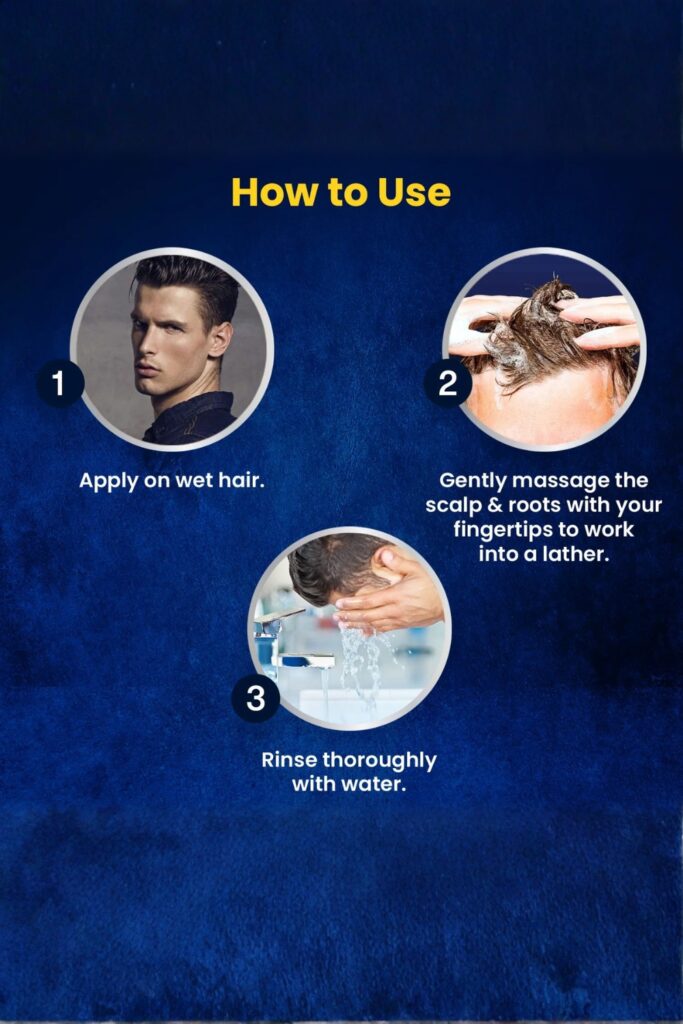
Apply shampoo and massage it into the scalp using the pads of your fingertips in circular motions rather than raking with the nails. Barber BH at Harry Rosen 2026 specifically confirms that properly working shampoo in with your fingertips makes a real difference to the effectiveness of the cleansing and the health of the scalp.
Fingertip massage during shampooing performs two functions simultaneously. It distributes the shampoo across the full scalp surface without concentration at one point, which prevents over-cleansing in one zone and under-cleansing in another. It also stimulates circulation at the scalp, which is separately confirmed by Khamis Maiouf as beneficial for hair growth when done consistently.
 Save
5. Rinse with Cool Water to Seal the Cuticle
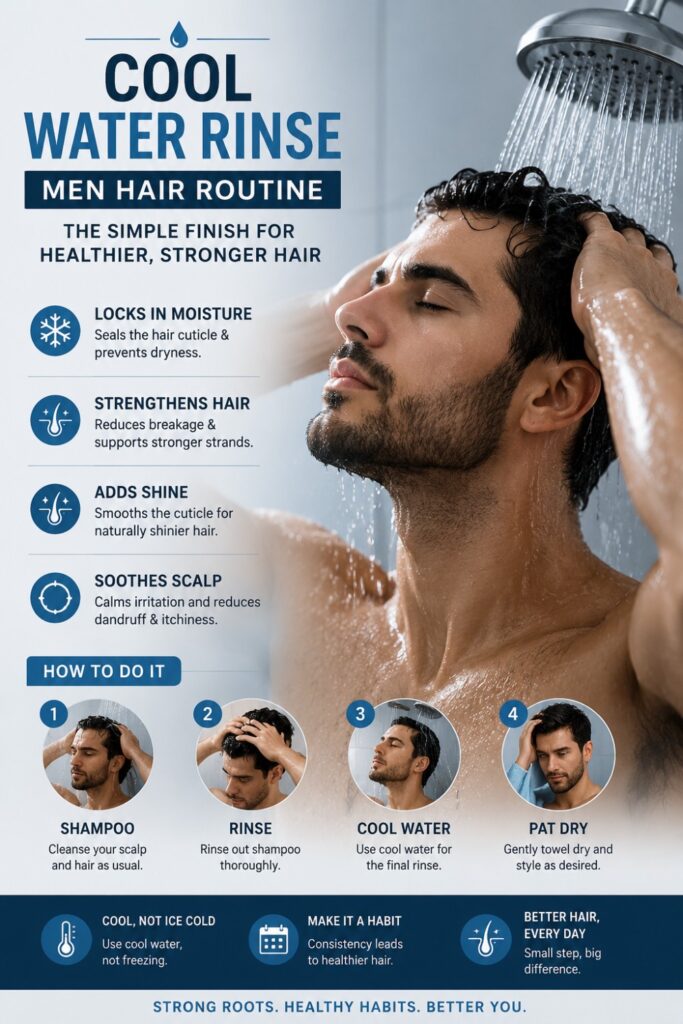
Finish every wash with a cool or cold water rinse for thirty seconds before leaving the shower. Khamis Maiouf confirms that rinsing with cool water seals the cuticle, which is the outer protective layer of each hair strand that determines how smooth, shiny, and strong the hair is.
Hot water opens the hair cuticle during washing, which is useful for allowing shampoo and conditioner to penetrate the shaft. Finishing with cool water closes the cuticle back down, sealing the moisture from the conditioner inside the shaft and creating the smooth surface that reflects light and gives hair its visible gloss. Stepping out of a shower without the cool rinse leaves the cuticle partially open, which makes the hair more prone to frizz, tangling, and moisture loss.
 Save
Conditioning and Moisturising Routines
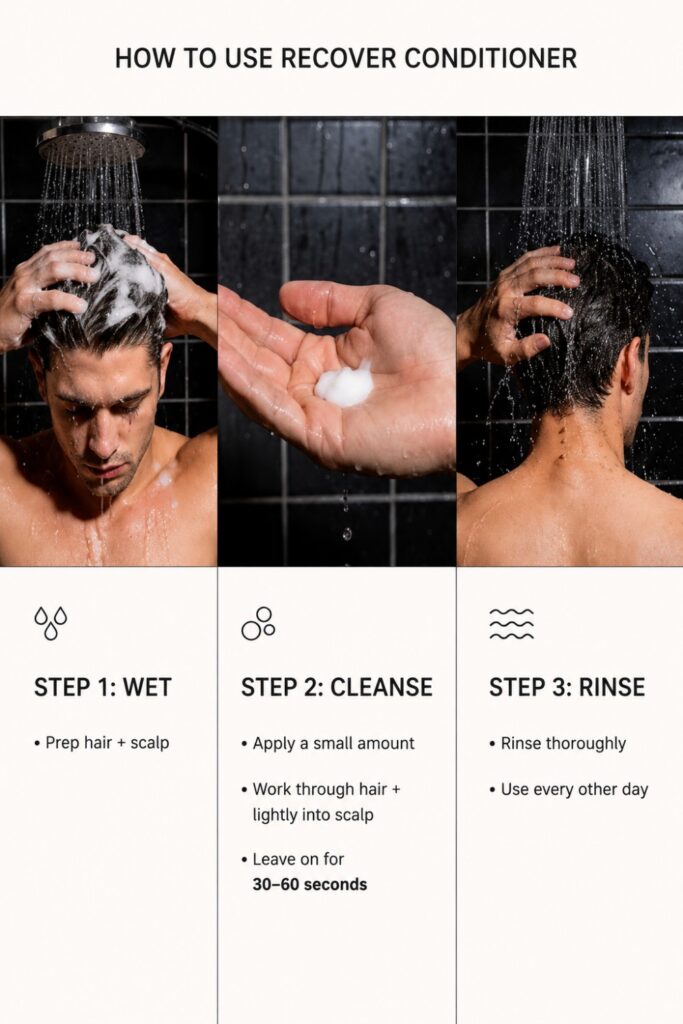
6. Use Conditioner Two to Three Times Weekly
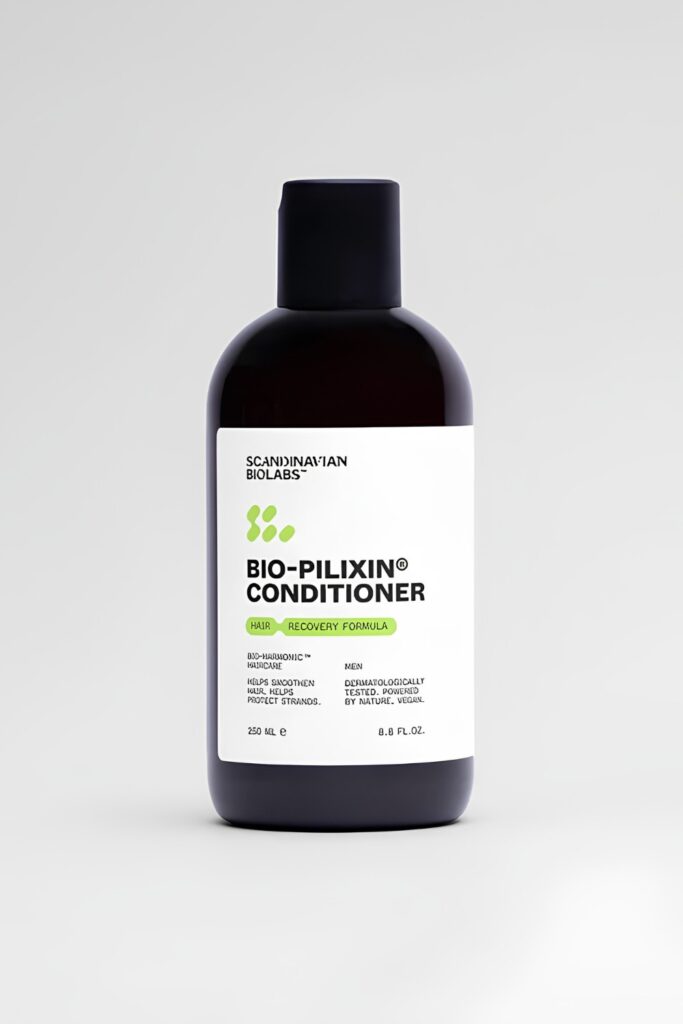
Apply a coin-sized amount of conditioner two to three times a week on the same days you shampoo. FashionBeans confirms conditioner as a vital step to maintaining overall hair health for men, and that a coin-size dollop two or three times a week is sufficient for short to medium hair.
Conditioner replaces the moisture that shampoo removes from the hair shaft. Without it, the hair shaft dries out progressively with each wash, becoming more brittle and prone to breakage. The effect is slow enough that most men do not notice the connection between skipping conditioner and the gradual decline in their hair’s condition over months.
Apply conditioner from the mid-length to the ends only. Applying to the scalp and roots weighs the hair down at the base and can cause the scalp to feel congested. The mid-length and ends are the sections that need the moisture most because they are the furthest from the scalp’s natural oil production.
 Save
7. Avoid Oil-Based Conditioners
Choose water-based or protein-based conditioners rather than oil-based formulas. Adam Gore, founder of Birmingham barbershop Barberology, told FashionBeans to steer clear of oil-based conditioners because they do not work well on men’s hair, as they tend to weigh it down and make it harder to style.
Oil-based conditioners coat the outside of the hair shaft rather than penetrating it, which creates the appearance of moisture but leaves a residue that accumulates with repeated use. A water-based or protein conditioner penetrates the shaft and provides lasting moisture without the surface residue that a stylist or barber notices immediately.
 Save
8. Pat Hair Dry, Never Rub
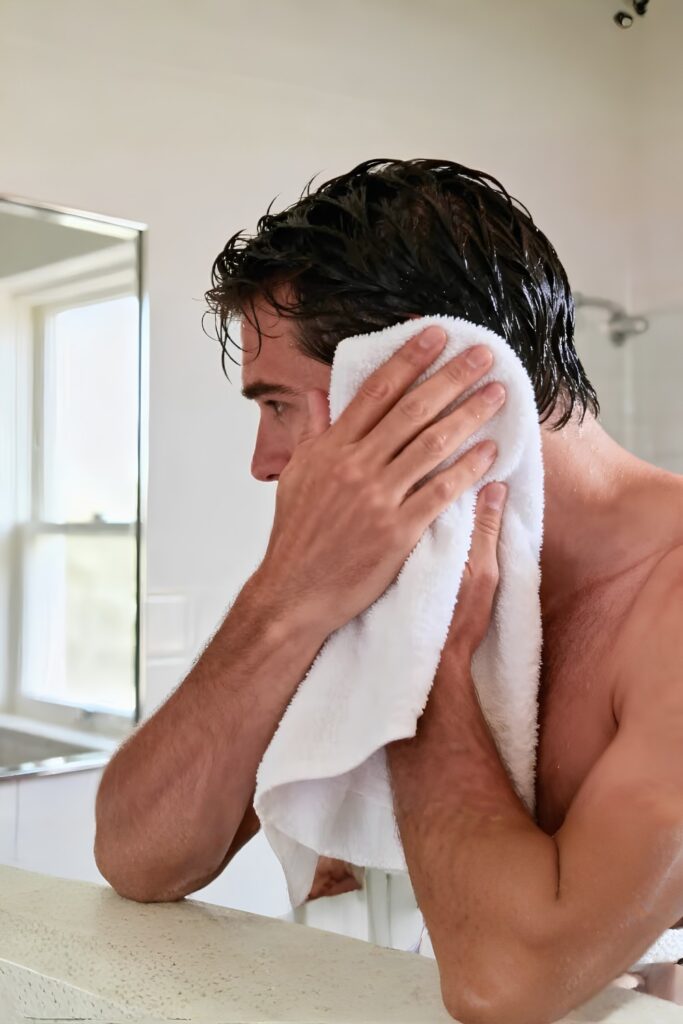
Press and squeeze the hair gently with a towel to remove excess water rather than rubbing. Barberstake UK confirms that aggressive towelling is one of the primary causes of hair damage in men’s routines, because the friction of rubbing a wet hair shaft against a rough towel surface causes the cuticle to lift and break along its length.
The hair shaft is at maximum fragility when wet because the internal hydrogen bonds that give hair its structure are weakened by water. Rubbing introduces friction exactly when the hair is least able to resist it. Pressing and squeezing achieve the same water removal without the friction damage. A microfibre towel reduces friction further compared to a standard cotton towel because the finer fibres absorb water with significantly less mechanical force required.
 Save
Scalp Health Routines
9. Daily Scalp Massage for Two Minutes
Spend two minutes massaging the scalp with your fingertips every day, either in the shower during washing or separately as a standalone habit. Khamis Maiouf confirms a two-minute daily scalp massage boosts circulation to the scalp, which directly supports healthier and stronger hair growth.
Scalp circulation carries the oxygen and nutrients that the hair follicle needs to produce each new hair shaft. A follicle with limited circulation produces a thinner, weaker hair than the same follicle with strong blood flow. Two minutes of circular fingertip pressure at the scalp surface is enough to measurably increase local circulation and has no side effects. The habit is more effective than most scalp supplements when done consistently.
For the professional haircuts and barbershop grooming approaches that complement a healthy hair routine and keep the hair looking its best between at-home care sessions, the professional business hairstyles guide covers the precise cuts, styling directions, and barber consultation tips that align directly with maintaining healthy, well-presented hair for men across every professional and everyday context.
 Save
10. Keep the Scalp Clean Between Washes
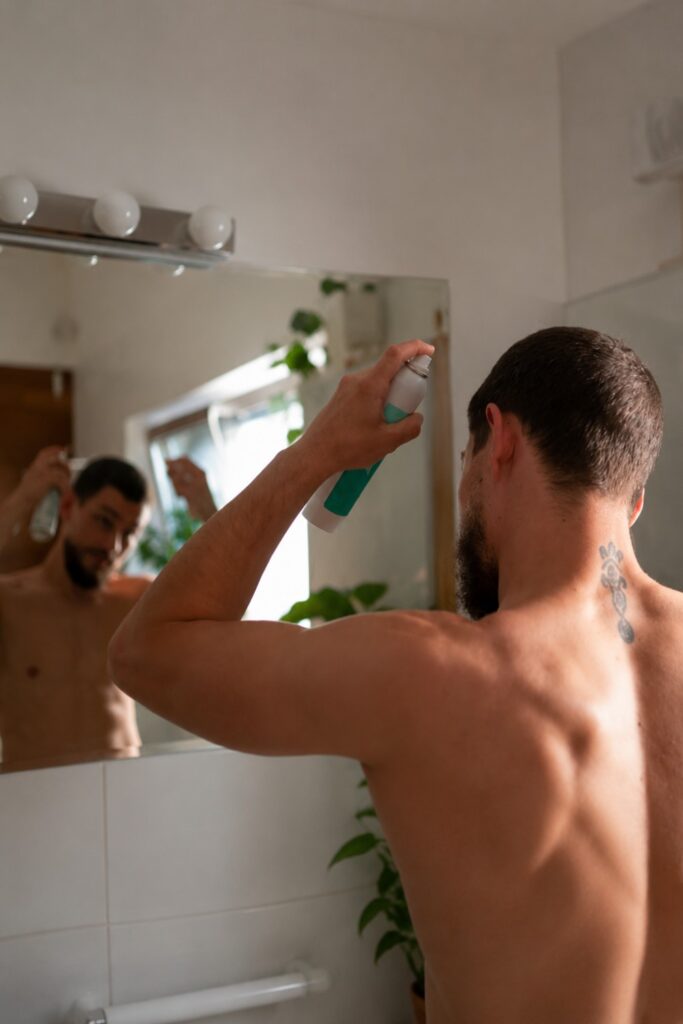
On non-wash days, use a dry shampoo or a water rinse without shampoo at the scalp to keep the surface fresh without disrupting the oil balance. Barberstake UK confirms the scalp requires specific attention separate from the hair and that maintaining its cleanliness between full washes supports consistent scalp health.
A dry shampoo absorbs excess surface sebum at the scalp without requiring water or a full wash cycle. Apply it at the roots, leave it for sixty seconds, and massage it in with the fingertips before brushing through. It extends the time between full washes without the greasiness that unwashed hair develops by day three for most men.
 Save
Heat, Drying, and Styling Routines
11. Air Dry When Possible
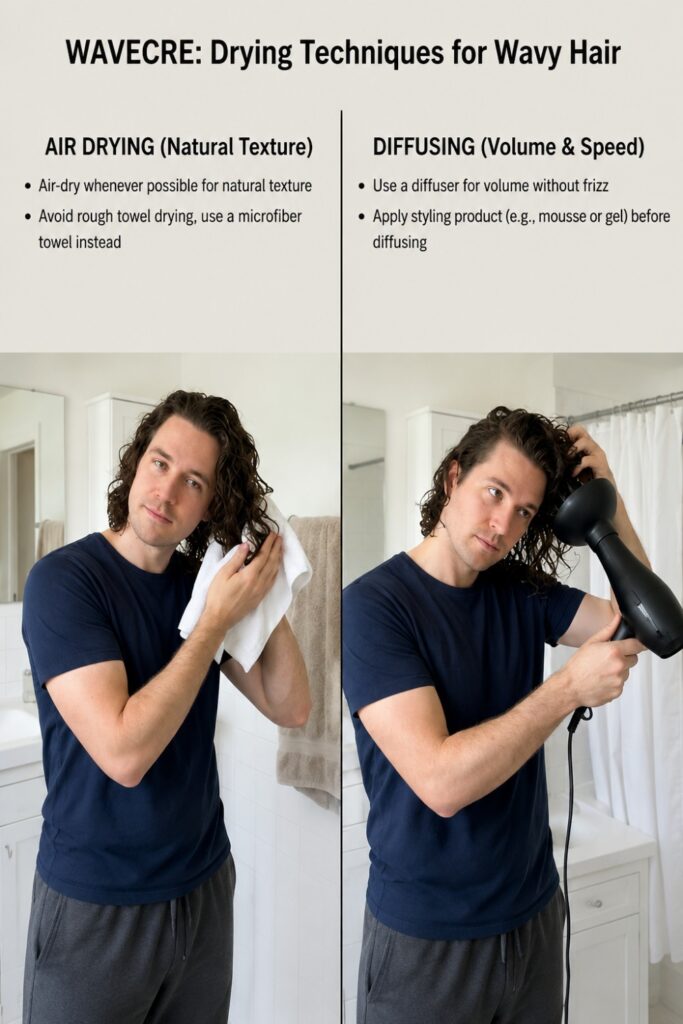
Allow the hair to air dry after washing rather than blow-drying whenever your schedule allows. Khamis Maiouf confirms air drying as one of the natural approaches that consistently produces better long-term hair health than regular heat exposure. Barberstake UK confirms excessive heat as one of the three primary causes of hair damage in men’s routines.
Heat from a blow-dryer, even at moderate temperatures, removes moisture from the hair shaft faster than the cuticle can compensate. Repeated heat exposure over months progressively dries out the interior of the shaft and makes the hair more brittle and prone to breakage at the ends. Air drying takes longer but leaves the cuticle undisturbed and the interior moisture intact.
When blow-drying is necessary, use a heat protectant applied to damp hair before any heat tool contact. Keep the dryer at a medium rather than high heat setting and hold it at least fifteen centimetres from the scalp.
 Save
12. Use Light Products Over Heavy Ones
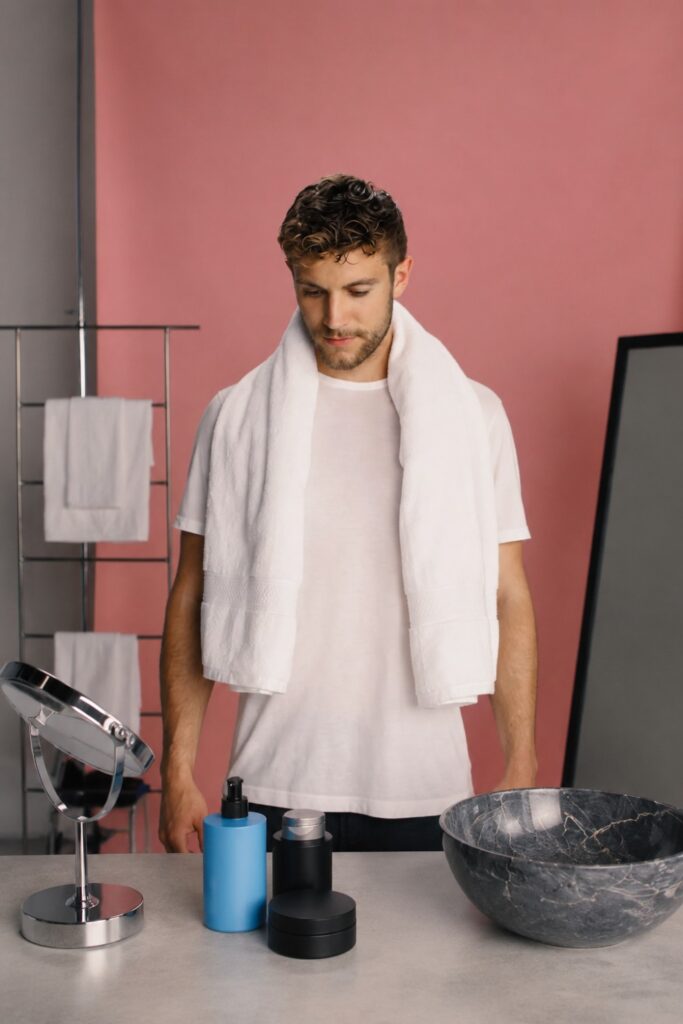
Choose light creams, sea salt sprays, and matte clays over heavy pomades, gels, and oil-based waxes for everyday styling. Barber BH told Harry Rosen 2026 that light creams and conditioners work better than heavy products because they allow hair to move naturally. Barberfriends March 2026 confirms matte clay and sea salt spray as the most popular men’s hair products of 2026.
Heavy products accumulate at the scalp faster than light products and require more aggressive washing to remove, which creates a cycle of over-washing. A light matte clay or a sea salt spray achieves texture and direction without the residue buildup that heavy waxes and pomades produce within twenty-four hours of application.
Barber CH at Harry Rosen 2026 recommends sea salt spray specifically for longer hair and curl cream for wavy or curly textures. Both are applied to damp hair and allowed to dry naturally, producing texture and movement without stiffness.
For the specific layered long haircut structures that benefit most from sea salt spray and light styling products in a healthy hair routine, the long layered haircuts for men guide covers the layer placements and blow-dry approaches that respond best to light product application and air-drying for naturally textured and movement-forward results.
 Save
13. Less Product Is Always More
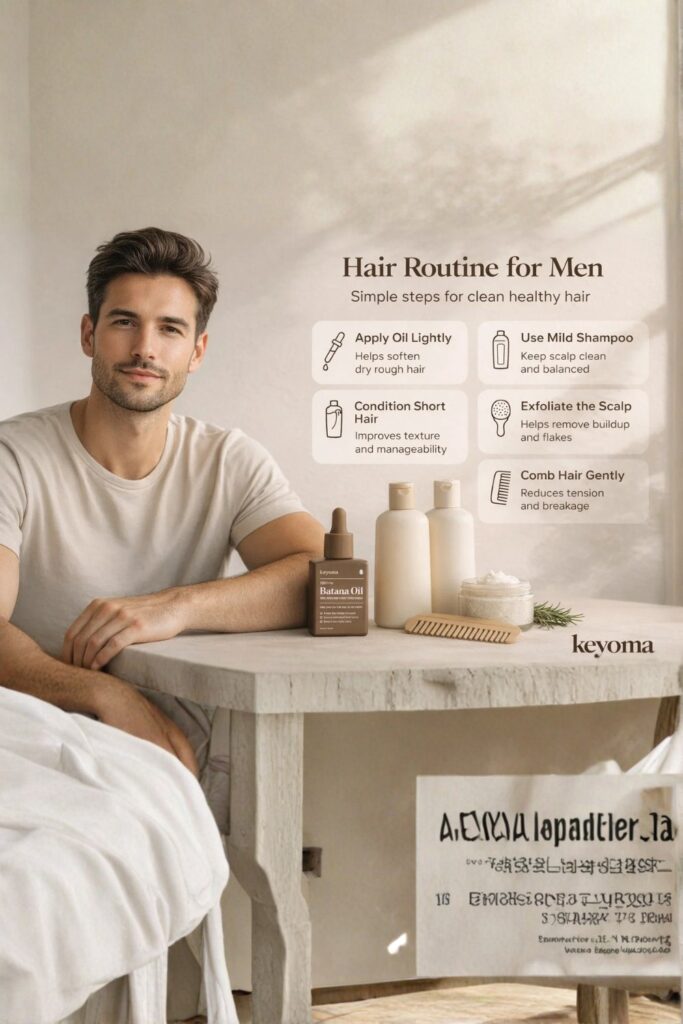
Start with a smaller amount of any styling product than you think you need and build from there rather than applying a full amount at once. FashionBeans (five days ago, July 2026) confirms that less is more with men’s hair products, noting that the old Brylcreem principle, just a little dab will do, still holds.
Most men use two to three times more product than their hair needs. The excess sits at the surface of the hair rather than being absorbed into the shaft, producing a stiff, heavy, or greasy appearance rather than the natural-looking texture the product was designed to create. Starting with half the recommended amount and adding more only if the hold or texture is insufficient trains the habit of application precision that separates well-groomed hair from overworked hair.
 Save
Trimming, Diet, and Long-Term Routines
14. Trim Every Four to Six Weeks
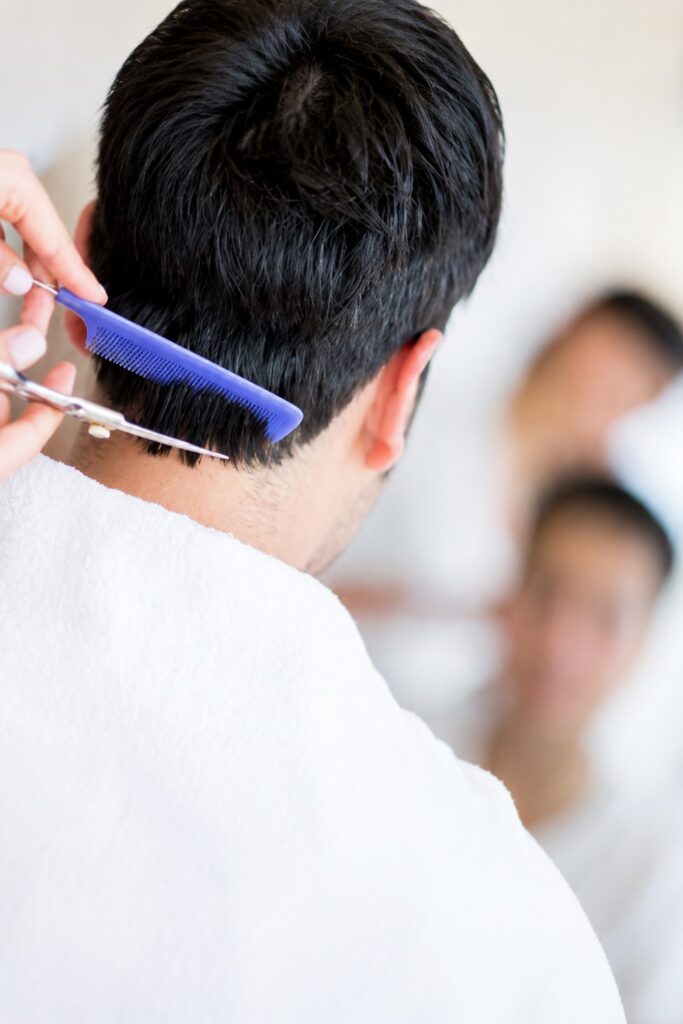
Book a trim every four to six weeks regardless of whether you are growing your hair or maintaining a current length. Khamis Maiouf confirms that waiting too long lets split ends travel up the shaft, requiring shorter cuts to fix the damage that a timely trim would have prevented.
A split end is a hair shaft that has fractured at the tip. Without trimming, the fracture travels upward along the shaft over the following weeks until it reaches a point where a significantly larger amount of length must be removed to get below the damaged section. A four-to-six-week trim removes a small amount of length but prevents the progressive shaft damage that makes hair look and feel degraded at the ends.
For the specific haircut styles and beard pairings that benefit most from a consistent four-to-six-week trim schedule and produce the best results from a healthy hair routine, the haircuts with light beard guide covers the hair lengths, fade heights, and beard combinations that look their sharpest and healthiest when maintained on a consistent trimming schedule.
 Save
15. Eat for Hair Health: Protein, Biotin, and Omega-3s
Prioritise protein, biotin, and omega-3 fatty acids in your diet. Khamis Maiouf confirms a balanced diet rich in protein, iron, and omega-3s does more for your hair than any product shelf. Harry Rosen grooming expert BH confirms that physical health directly feeds into how hair presents, with diet and hydration as the foundational layer beneath any product routine.
Hair is made primarily of keratin, which is a protein. A diet low in protein directly reduces the quality of each new hair strand produced by the follicle. Biotin, found in eggs, nuts, and whole grains, supports keratin production. Omega-3 fatty acids, found in oily fish, flaxseed, and walnuts, reduce scalp inflammation and support the health of the follicle itself. These three dietary inputs produce improvements in hair quality that no topical product can replicate.
 Save
16. Address Thinning Early
Act on any early signs of hair thinning or recession as soon as they become visible rather than waiting to see if the pattern progresses. Khamis Maiouf confirms most men notice hair loss by age 35 and that the sooner you act, the more options you have available.
Hair loss in men is most commonly androgenetic alopecia, which is driven by dihydrotestosterone sensitivity at the follicle. Clinically proven topical treatments including minoxidil are available without prescription and produce the best results when started early in the thinning process. A dermatologist consultation at the first sign of significant thinning produces a more effective outcome than waiting until the loss is advanced.
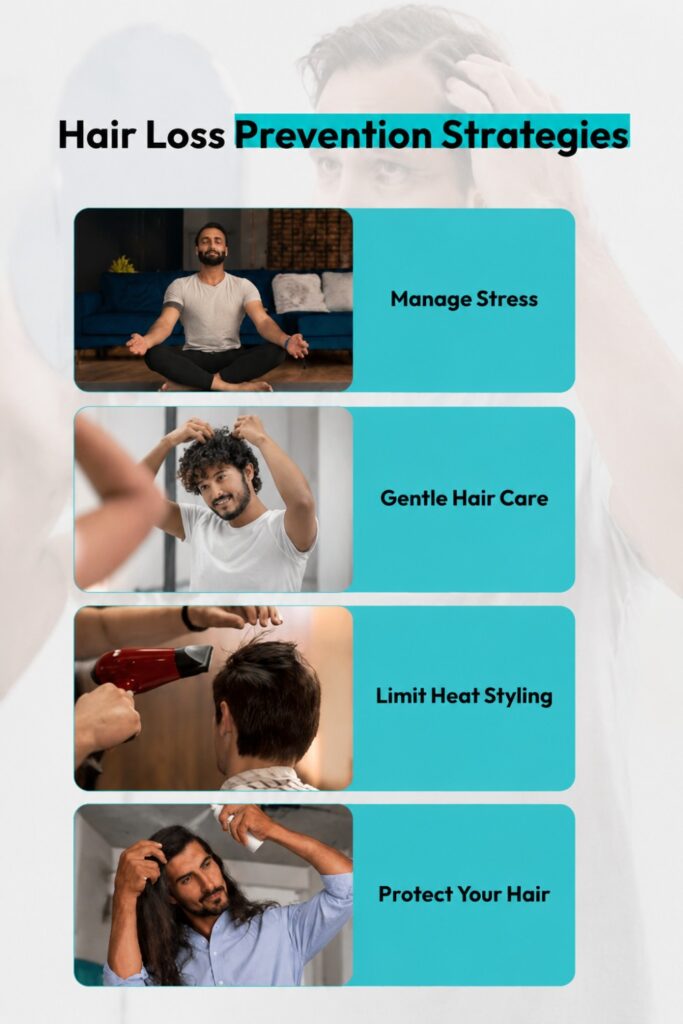
For men not yet experiencing thinning, scalp massage, a diet rich in iron and biotin, avoiding tight hairstyles, and keeping heat use minimal are the preventive habits that maintain follicle health and delay the onset of any genetically predisposed thinning pattern.
 Save
The Simple Low-Maintenance Hair Routine
For any man who does not want to spend significant time on hair care, Barberstake UK confirms the low-maintenance baseline: wash with a sulphate-free shampoo two to three times weekly, condition after each wash, pat dry gently, and air dry when possible. Those four steps cover the core health maintenance without requiring any additional products or techniques.
Adding the daily scalp massage, the weekly clarifying shampoo, and the four-to-six-week trim schedule to this baseline produces a comprehensive healthy hair routine that a barber will notice and compliment within two or three appointments.
Khamis Maiouf summarises the principle plainly: the best hair care routine for men is one you will stick to. Complexity does not equal effectiveness. Consistency does.
Frequently Asked Questions
How often should men wash their hair?
Two to three times a week is the frequency confirmed as optimal by barber BH at Harry Rosen 2026 and by Khamis Maiouf at Book of Barbering April 2026. Daily washing strips the scalp of its natural oils, which causes the scalp to overproduce oil in compensation. For men with very oily scalps or physically active lifestyles, a water-only rinse on non-wash days keeps the hair feeling fresh without the stripping effect of daily shampoo use.
What is the most important step in a men’s hair care routine?
Khamis Maiouf, professional barber with over 20 years of experience, identifies three non-negotiables: proper washing frequency, the right water temperature, and consistent trimming. Of these, consistent trimming produces the most visible and measurable difference because it prevents split end damage from travelling up the shaft. The scalp massage habit and the switch to a sulphate-free shampoo produce the strongest improvement to hair quality over a three to six month period.
What products should men use for healthy hair?
Barber BH at Harry Rosen 2026 confirms light creams and conditioners work better than heavy products because they allow natural movement. Barberfriends March 2026 confirms matte clay and sea salt spray as the most popular and most effective everyday styling products. A sulphate-free shampoo for regular washing, a weekly clarifying shampoo for buildup removal, and a water-based conditioner applied two to three times weekly are the three product categories that most improve hair health. Barber Adam Gore of Barberology specifically recommends avoiding oil-based conditioners, which weigh men’s hair down and make it harder to style.
Does diet affect men’s hair health?
Yes, significantly. Khamis Maiouf confirms a balanced diet rich in protein, iron, and omega-3s does more for your hair than any product shelf. Hair is made primarily of keratin, which requires dietary protein for production. Biotin, found in eggs, nuts, and whole grains, supports keratin synthesis. Omega-3 fatty acids, found in oily fish and walnuts, reduce scalp inflammation and support follicle health. Deficiencies in iron, protein, or essential fatty acids produce thinning, brittle, and slow-growing hair that no topical product can compensate for.
How do you stop men’s hair from thinning?
Khamis Maiouf confirms addressing thinning early gives the most options. Preventive habits include daily scalp massage to improve follicle circulation, a diet rich in protein, iron, and biotin, avoiding tight hairstyles that create traction stress at the follicle, and minimising heat tool use. For men already experiencing thinning, clinically proven topical treatments including minoxidil are available without prescription and produce the strongest results when started early in the thinning process. A consultation with a dermatologist at the first sign of significant recession produces better outcomes than waiting until the loss is advanced.
Final Thoughts
Healthy hair routines for men in 2026 are simpler than most product marketing suggests. Barber BH at Harry Rosen named it directly: simplifying usually yields the best results. Wash less. Use lighter products. Work shampoo in with fingertips. Rinse with cool water. Trim consistently. Massage the scalp daily.
Start with the washing frequency and the cool rinse if you change nothing else. Add the daily scalp massage within the first week. Book the trim at four to six weeks from now. Those three changes produce a visible improvement in the condition and appearance of any man’s hair within two months.