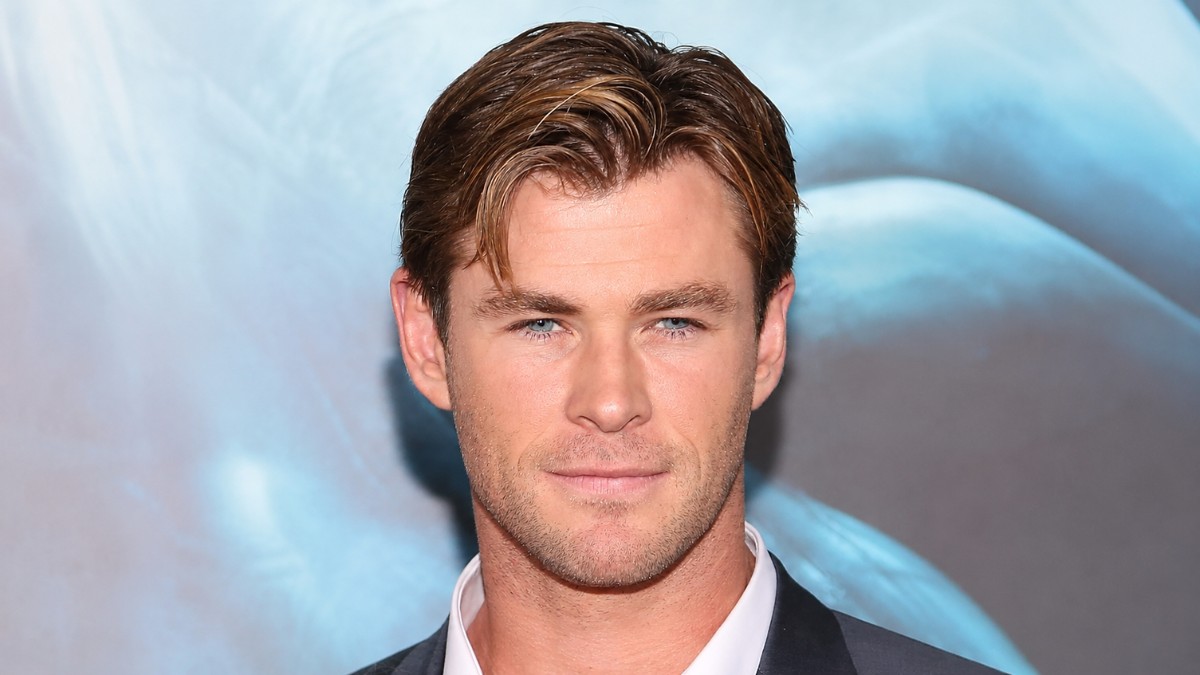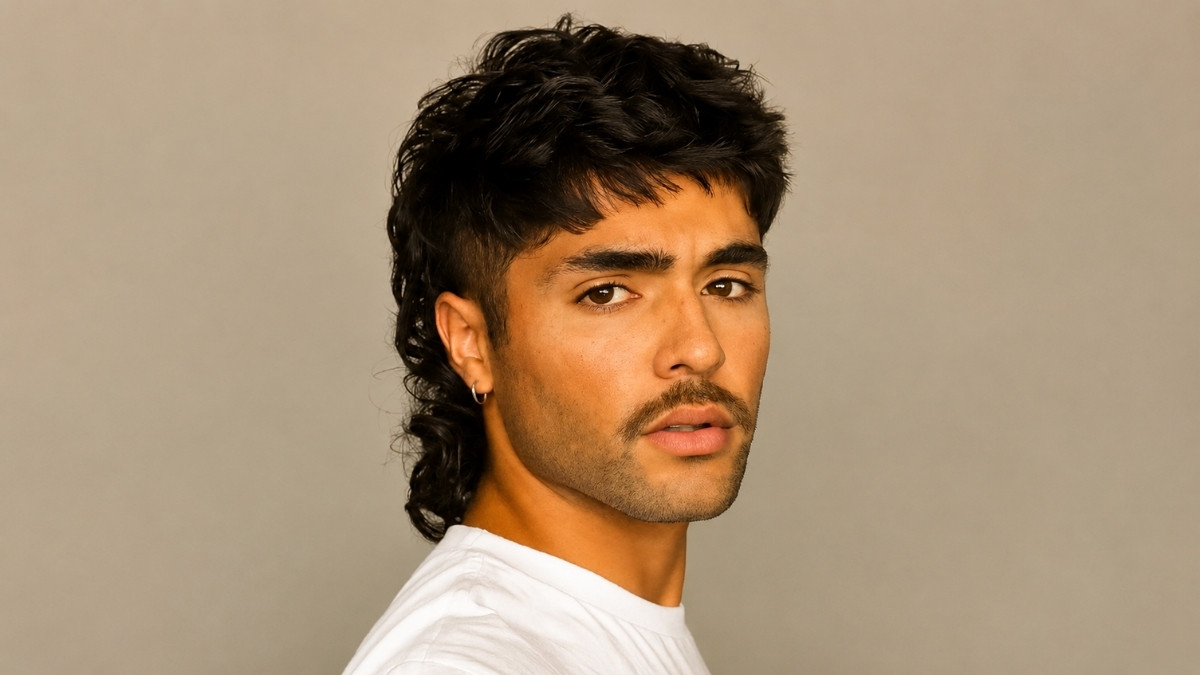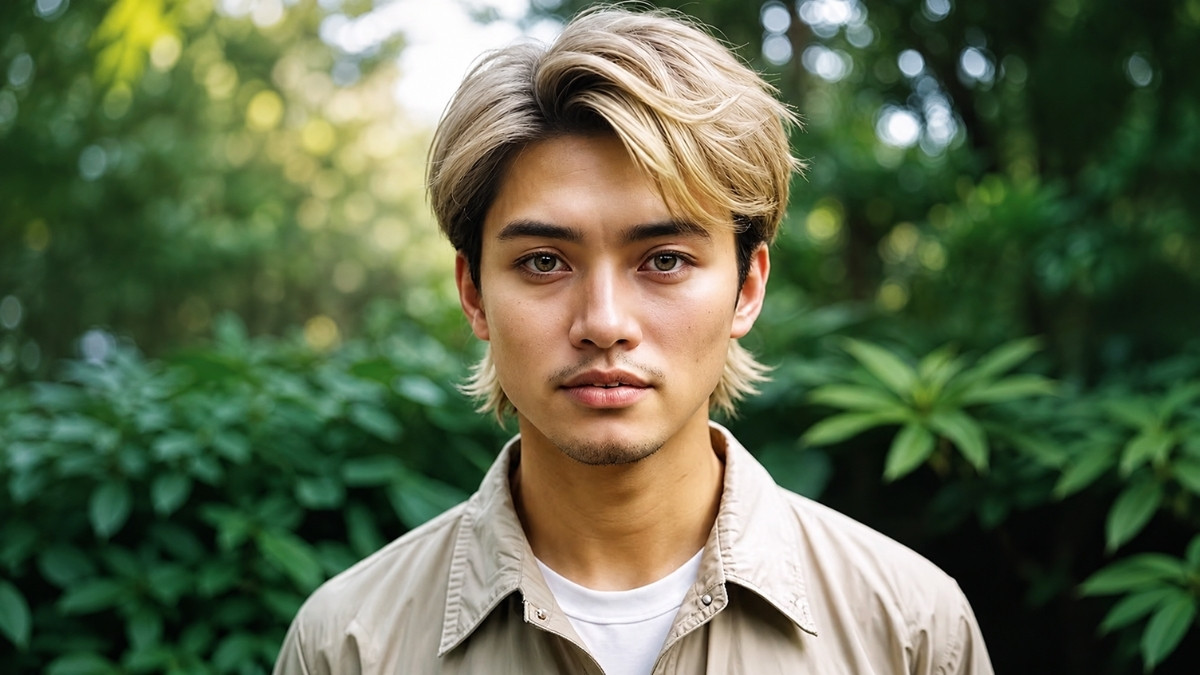
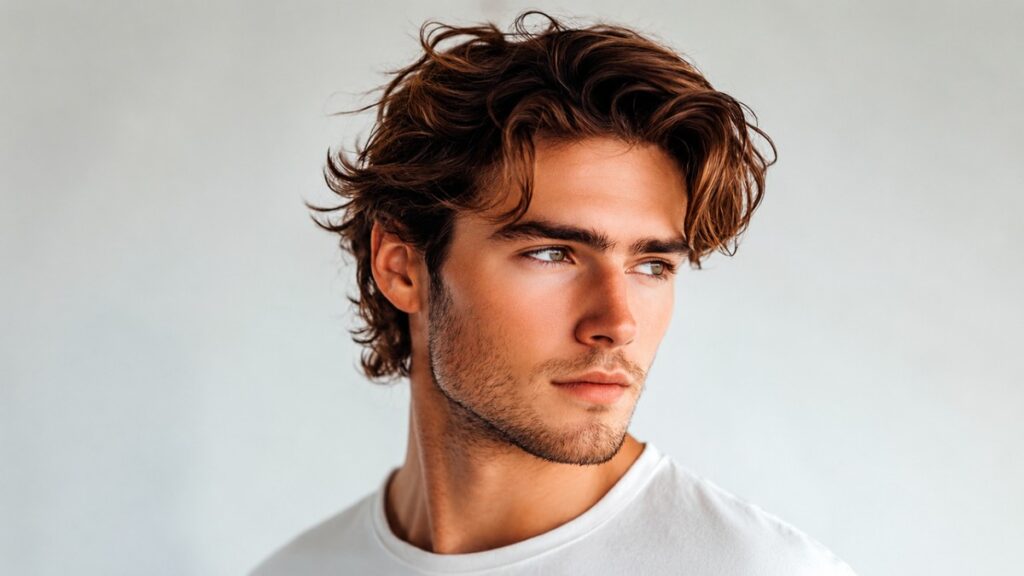
Men’s cutting expert Tim Duenas told Behindthechair.com in March 2026 directly: clients are asking for fringe, flow, and longer shapes that move. The cultural reference is 90s texture worn by Brad Pitt and Leonardo DiCaprio, filtered through modern styling with softer transitions. That is the shaggy flow in one sentence.
Daimon Barber confirms the Flow Cut as being about versatility, volume, and movement, citing Jacob Elordi as the celebrity wearing mid-length textured styles in 2026. Blumaan’s April 2026 hairstyle guide calls the shag the “I didn’t try” look that takes a genuinely good haircut to pull off. Regular trims every six to eight weeks keep it looking intentional rather than grown out.
These 16 shaggy flow haircuts cover classic, faded, textured, and face-shape-specific variations across straight, wavy, and curly hair in 2026. Every style includes how to ask for it at the barber and the correct product approach.
What Is a Shaggy Flow Haircut
A shaggy flow is medium to longer length hair with heavy internal layering that creates visible movement when the head moves. It is not one specific cut. It is a category of cuts unified by three things: length past the ears, choppy or uneven layers that remove bulk while adding texture, and a finish that looks like the wind styled it rather than a blow dryer.
The shag and the flow are close relatives. The shag emphasises choppy texture and visible layering throughout. The flow emphasises length and movement, with the hair literally flowing rather than sitting. The shaggy flow is the version that has both: the layered texture of a shag with the length and movement of a flow cut.
The difference from a wolf cut: a wolf cut has a stronger mullet silhouette with distinct shorter crown and longer nape sections. A shaggy flow blends those lengths more gradually and sits closer to a medium-length shag without the dramatic nape drop.
Classic Shaggy Flow Haircuts for Men
The Foundational Textured Shag
Choppy layers throughout from crown to nape, face-framing pieces around the forehead and temples, medium length past the ears, and a finish that air-dries into its best shape.
Modern Hairstyles February 2026 confirms the foundational textured shag works beautifully with straight or wavy hair and flatters oval and heart-shaped faces. The layered structure prevents flatness while maintaining enough length for styling versatility.
How to ask for it: “Heavy internal layering throughout with face-framing pieces around the forehead and temples. Uneven layers, not blended. Medium length past the ears.” Style with Blumaan Matte Cream Clay on dry hair after air-drying. The clay separates the layers and adds grit without stiffness.
 Save
The Flow Cut
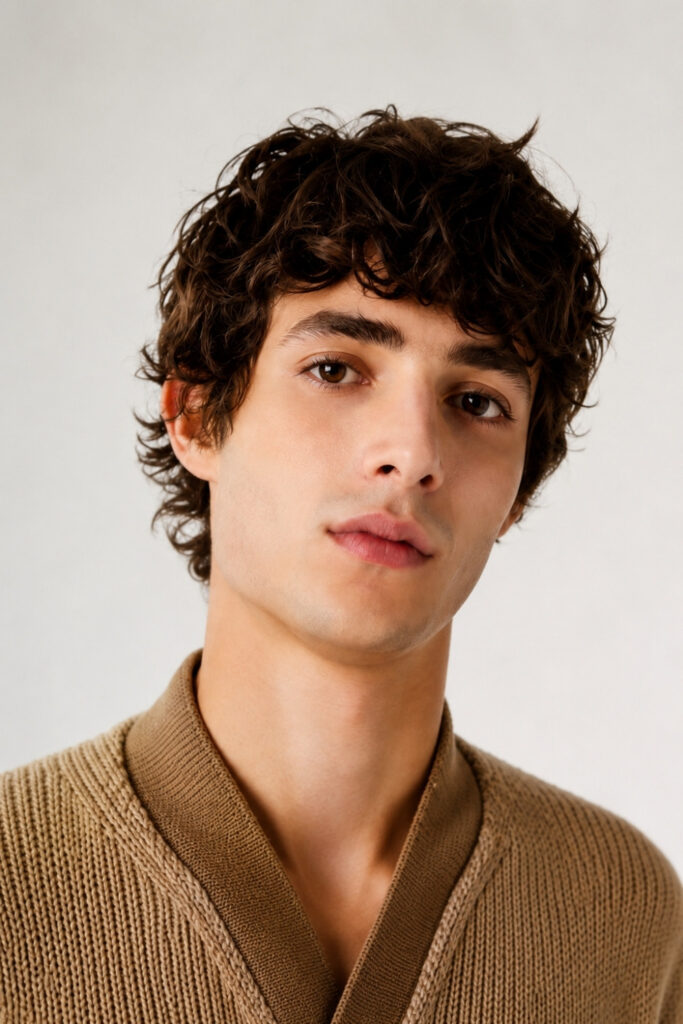
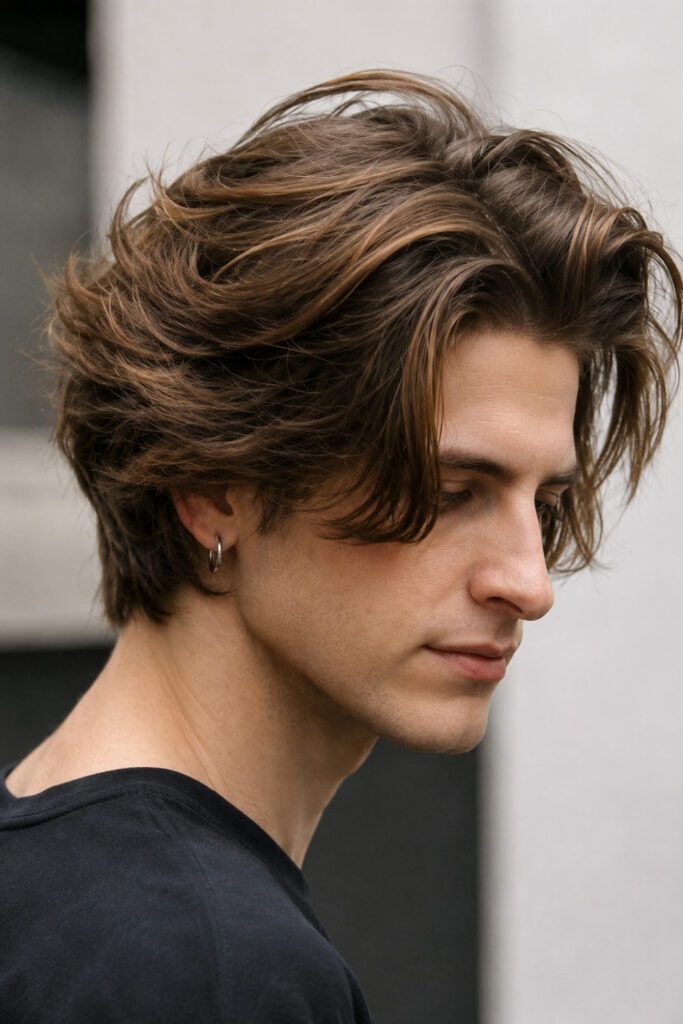
Medium-length hair with soft layers allowing the hair to fall and flow freely around the face and neck, with no hard structure or deliberate texture separation.
Daimon Barber identifies the Flow Cut as a key 2026 men’s hairstyle direction, confirming it is about versatility, volume, and movement with a relaxed contemporary feel. Jacob Elordi is the celebrity specifically cited as wearing this mid-length flowing style.
How to ask for it: “Soft layers throughout for movement and flow. Medium length past the ears. No hard structure, nothing sharp or disconnected.” Style with a sea salt spray on damp hair and air-dry fully. Do not touch it while drying. The flow sets itself.
 Save
The 90s Brad Pitt Shag
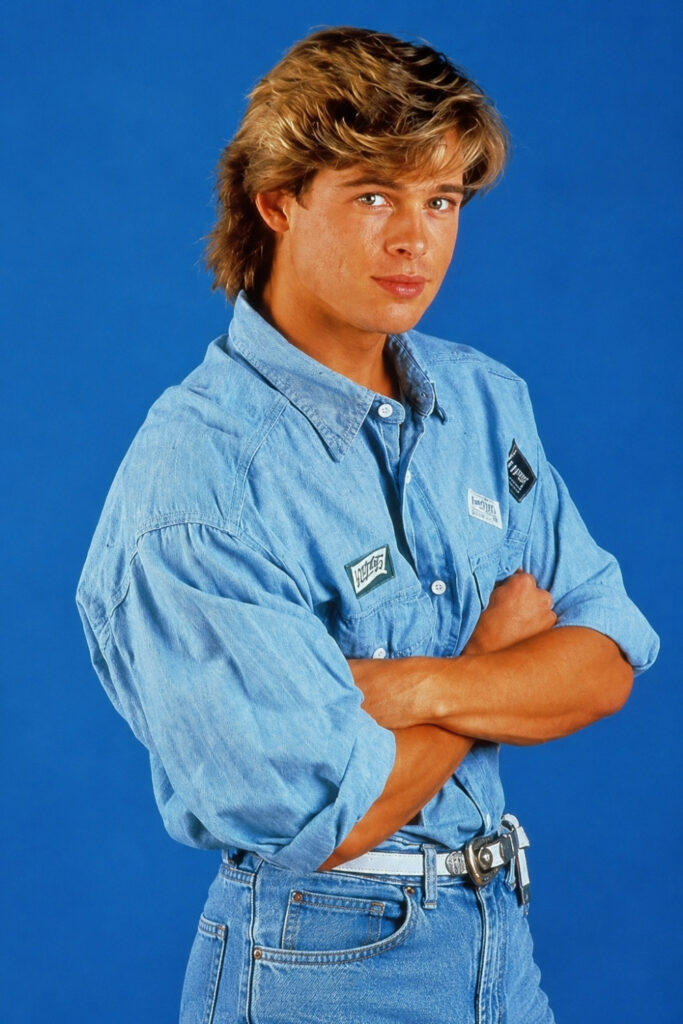
A centre or slight side part with medium-length layers falling forward on both sides of the face, referencing the 1990s texture worn by Brad Pitt and Leonardo DiCaprio.
Tim Duenas confirmed to Behindthechair.com that the 90s texture from Brad Pitt and DiCaprio is the cultural reference men are drawing on in 2026. The shaggy flow in its purest form is this: medium length, layered, face-framing, and finished to look like the stylist just stepped out.
How to ask for it: “90s-inspired textured shag with a centre part. Medium length layers falling forward to frame the face. Soft, not structured.” Apply a small amount of Bumble and bumble Surf Spray to damp hair and air-dry. The result should look like it dried while you walked somewhere.
 Save
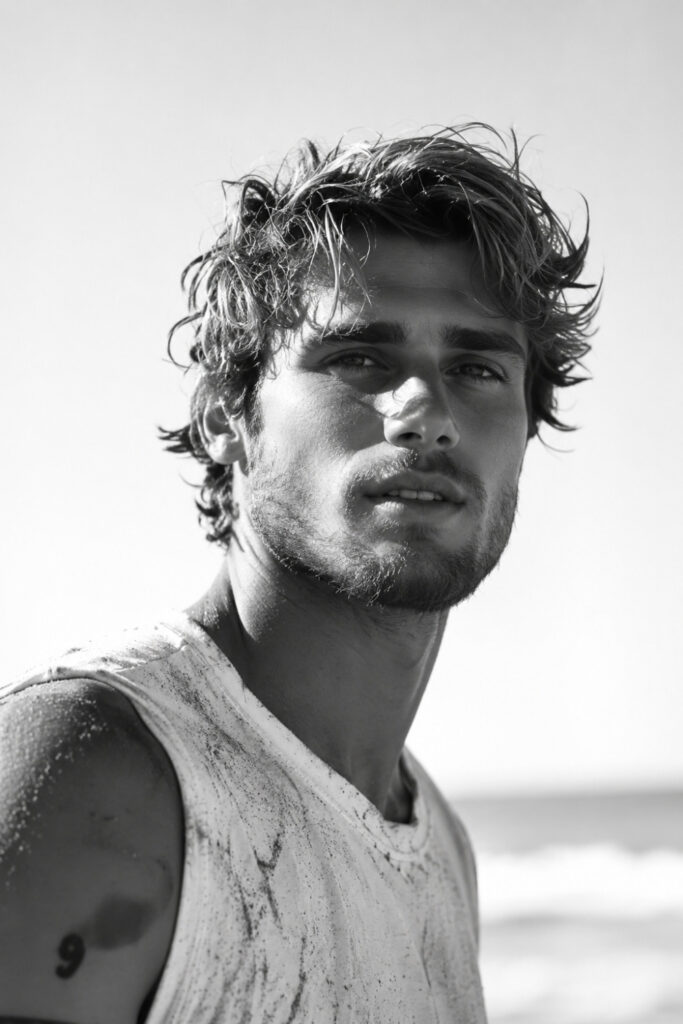
The Surfer Shag
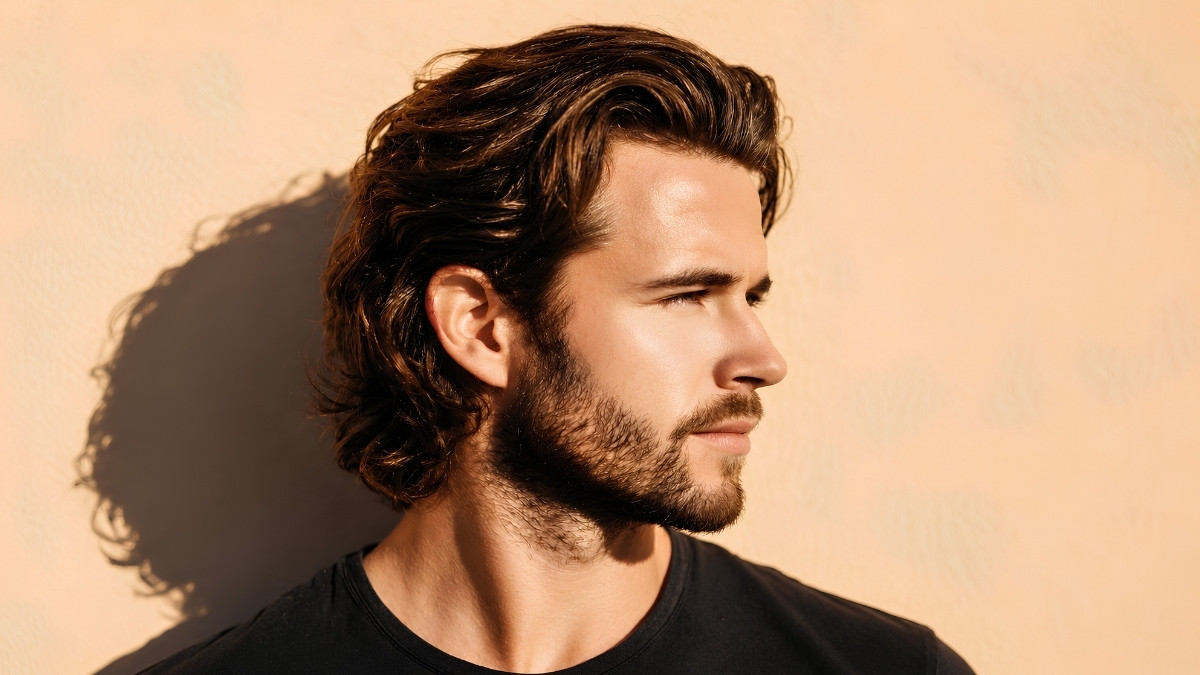
Longer shaggy layers with a sun-bleached or tousled finish, the hair falling loosely around the ears and neck with visible texture and movement that suggests it was styled by salt air.
Modern Hairstyles February 2026 identifies the surfer shag as one of the twelve most requested and influential shaggy styles defining contemporary men’s grooming. The beach-inspired finish is the goal. Everything else, the layering, the length, the texture, serves that singular aesthetic.
How to ask for it: “Shaggy layers with a lived-in, beach texture finish. Longer through the sides and back. Face-framing at the front.” Rub Blumaan Sea Salt Spray through damp hair, scrunch with both hands, and leave it. The scrunch sets the texture. Combing destroys it.
 Save
The Shaggy Curtain Hybrid
A curtain fringe falling forward on both sides of a centre part combined with shag layering throughout the length, creating a structured-front and textured-back combination.
The Right Hairstyles identifies the shaggy curtain hybrid as bringing a chill, boho vibe, balancing messy-cool shag with a touch of structure. The curtain fringe gives the shag a defined front section that prevents the style from looking entirely unstructured from the front view.
How to ask for it: “Curtain fringe hitting the eyebrows at the front, centre part. Shag layering throughout the rest of the length. The fringe should be more defined than the rest.” Use Blumaan Wax Fiber on the fringe to train it outward while blow-drying. Leave the back sections to air-dry.
 Save
Shaggy Flow Haircuts with Fades
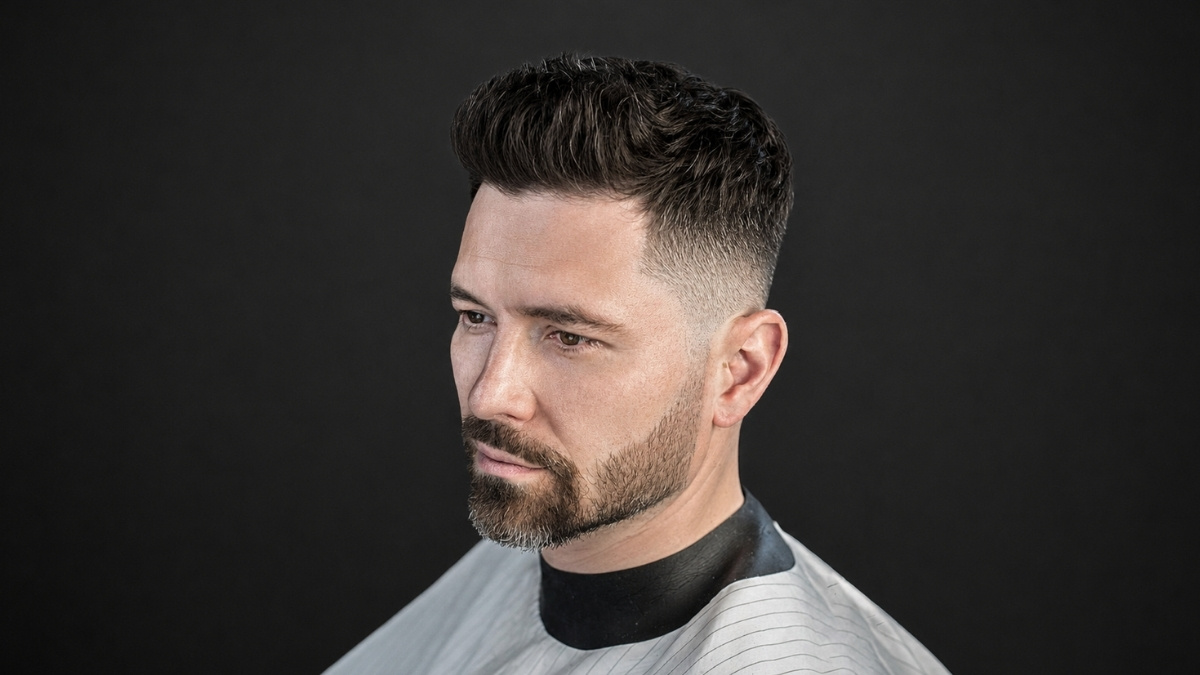
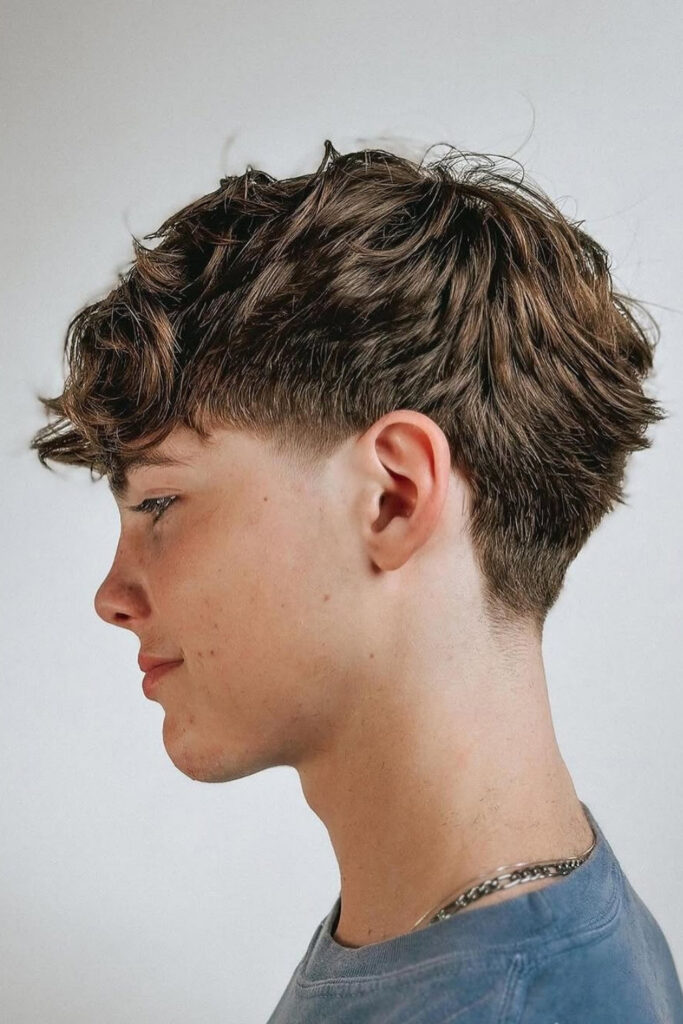
Shaggy Flow with Low Taper
A shaggy flow on top with a low taper fade on the sides, blending from the longer textured top into a clean, tapered side without a visible fade line.
Daimon Barber confirms combining flowing styles with a low taper provides the look with a sharp finish. The taper cleans up the sides without removing the length that gives the flow its character. The contrast between the clean taper and the textured top is the contemporary update that separates this from a standard 90s shag.
How to ask for it: “Shaggy flow on top with a low taper on the sides, fading to a two or three at the ear level. Keep the top length and texture, just clean the sides.” Style the top with sea salt spray. Leave the sides to the barber’s finish.
 Save
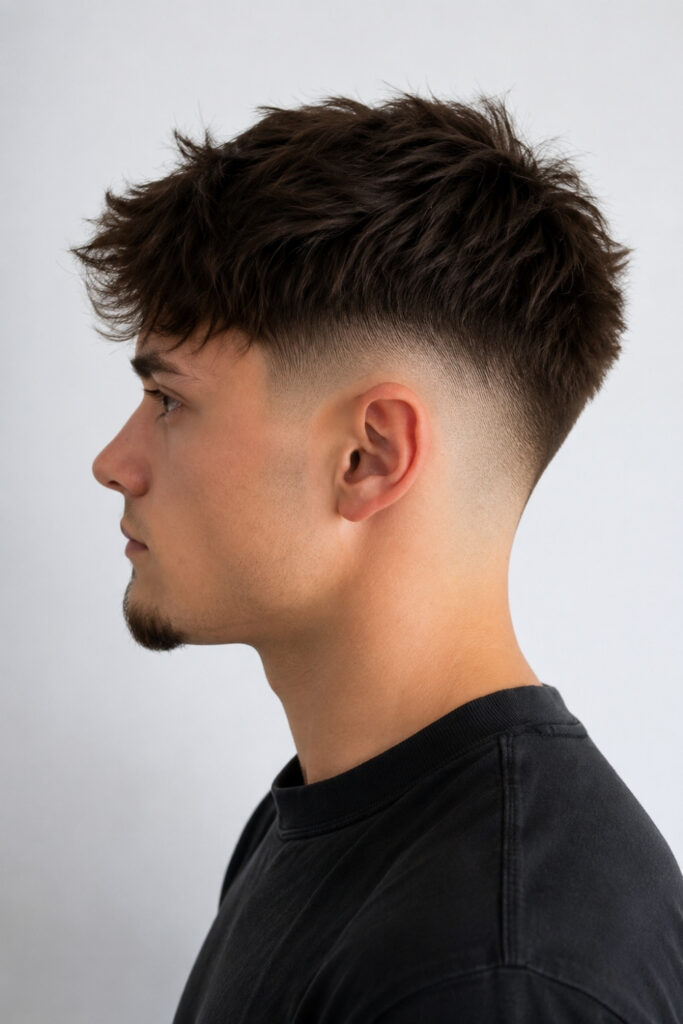
Shaggy Flow with Mid Fade
A mid fade that removes the side hair from the temple down while leaving the shaggy flow length above the temple fully intact, creating a stronger contrast than a low taper.
The mid fade version reads as more deliberate and barbershop-current than the low taper. The contrast between the close sides and the flowing textured top creates a sharper silhouette from the front and side views. This is the shaggy flow for someone who wants the movement on top without any ambiguity in the sides.
How to ask for it: “Shaggy flow on top with a mid fade starting at the temple. Fade to a one or skin by the ear. Keep all the length and texture above the temple intact.” The shag layering and the mid fade are two separate techniques. Both need a skilled hand.
 Save
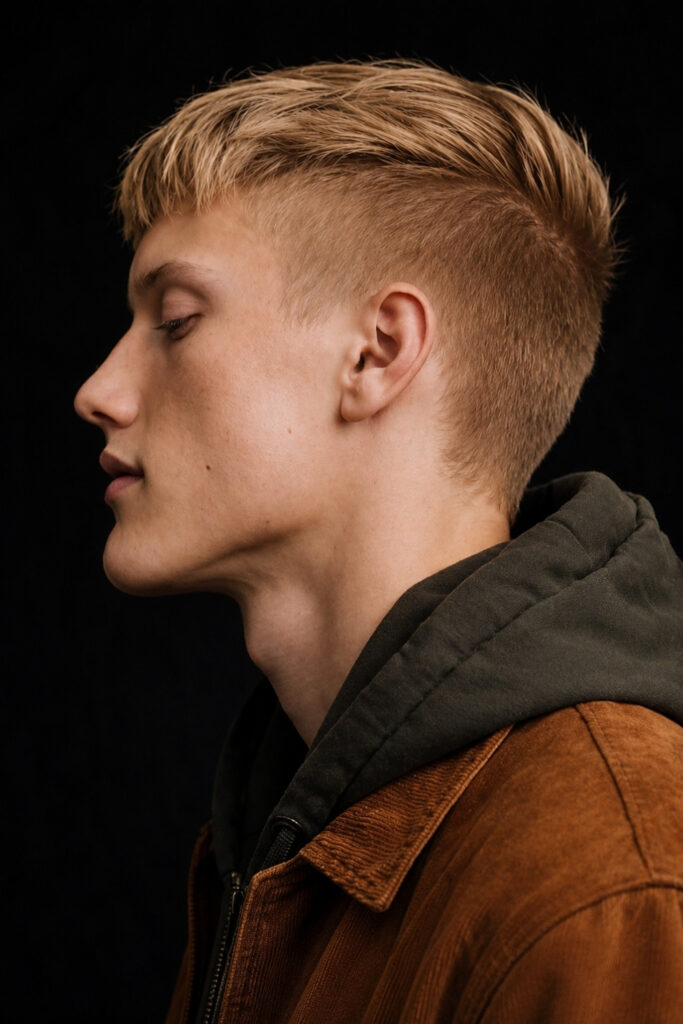
Shaggy Undercut Flow
A shaggy flow on top with a disconnected undercut beneath, the longer textured sections sitting visibly above the close-cropped undercut without any fade or blend between them.
The disconnected undercut gives the shaggy flow a harder, more directional personality than a faded version. The hard line between the undercut and the longer top reads as intentional construction rather than gradual blending. This is the shaggy flow for someone who wants edge alongside the movement.
How to ask for it: “Shaggy textured flow on top with a disconnected undercut below. No blending at the line. Leave the line visible.” Style the shaggy top with matte clay and leave the undercut unproducted. The contrast between the textured top and the clean undercut is the whole point.
 Save
Shaggy Flow Haircut Variations
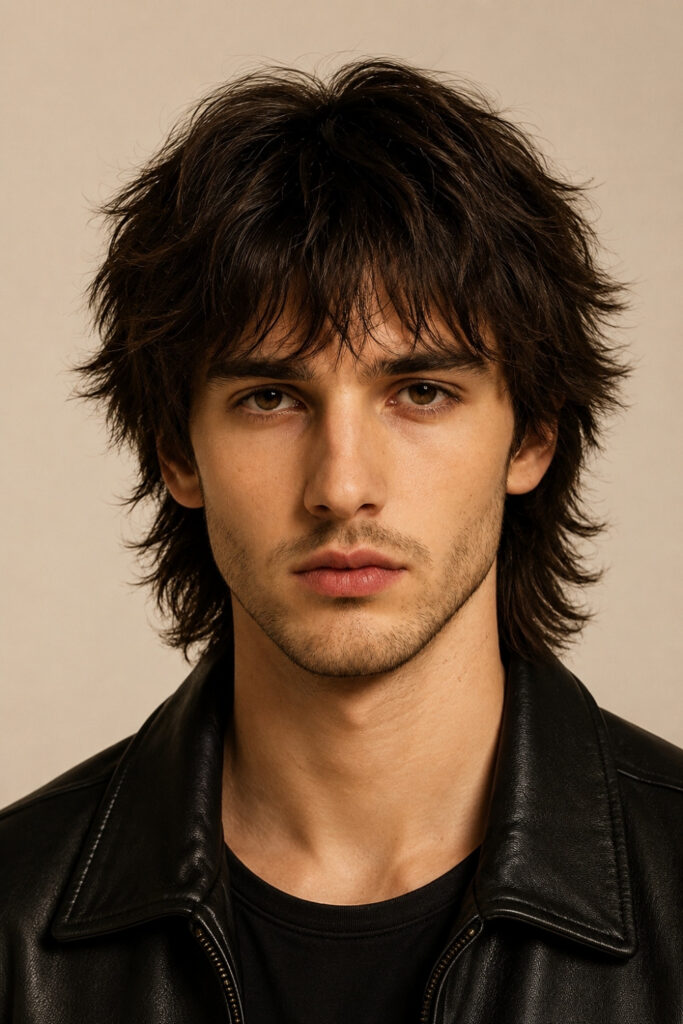
The Shaggy Wolf Cut
More layers and volume at the crown tapering down to longer, feathered sections at the nape, sitting between a shag and a mullet silhouette with significant internal movement.
Blumaan April 2026 confirms the wolf cut as heavily layered and shaggy with a mullet-adjacent silhouette, shorter choppy crown and longer feathered nape for built-in movement. Lots of internal movement, lots of texture, and a shape that is intentionally unstructured.
How to ask for it: “Wolf cut with heavy layering at the crown and longer feathered layers at the nape. Shaggy throughout, not structured.” Apply sea salt spray on damp hair, scrunch, and air-dry. Blumaan confirms this is the correct approach: the cut does most of the work.
 Save
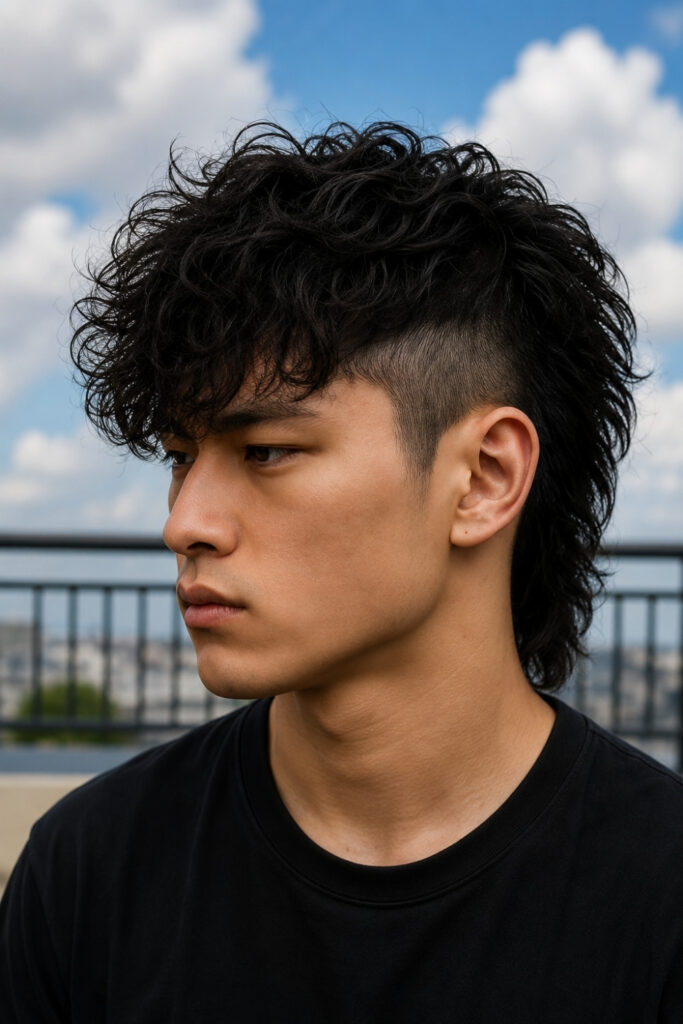
The Shaggy Mullet
Shaggy layered texture throughout the top and sides with the back sections kept longer, creating the mullet length differential within a soft, textured shag framework rather than a hard-edged mullet shape.
Modern Hairstyles March 2026 identifies the shaggy mullet as a bold fusion of edgy and retro vibes, confirming it works exceptionally well with wavy hair and oval or oblong faces. The textured layers and carefree finish soften the mullet silhouette so it feels confident rather than costume-like.
How to ask for it: “Shaggy mullet with texturized choppy layers on top and gradual lengthening toward the back. Avoid harsh demarcations between sections.” Texturizing paste on dry hair after air-drying. The shaggy mullet should look like it grew naturally into this shape.
 Save
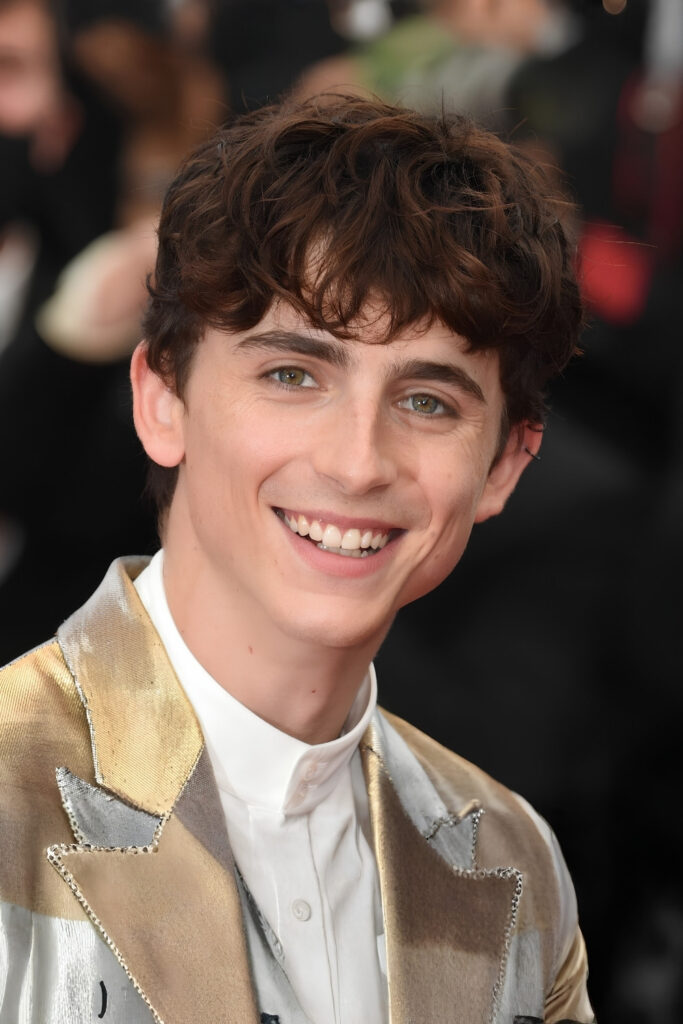
Shaggy Flow with Fringe
A shaggy flow with a heavier, more defined fringe section at the front, the fringe falling forward across the forehead while the rest of the hair flows in its natural layered texture.
Tim Duenas confirmed fringe as one of the things men are actively requesting alongside flow in 2026. The fringe gives the shaggy flow a face-forward element that a pure curtain or a pure flow does not have. The forehead is covered. The hair flows from there.
How to ask for it: “Shaggy flow with a heavier fringe at the front, hitting mid-forehead. The rest layered and flowing, not as defined as the fringe.” Ask the barber to point-cut the fringe to match the choppy texture throughout rather than blunt-cutting it.
 Save
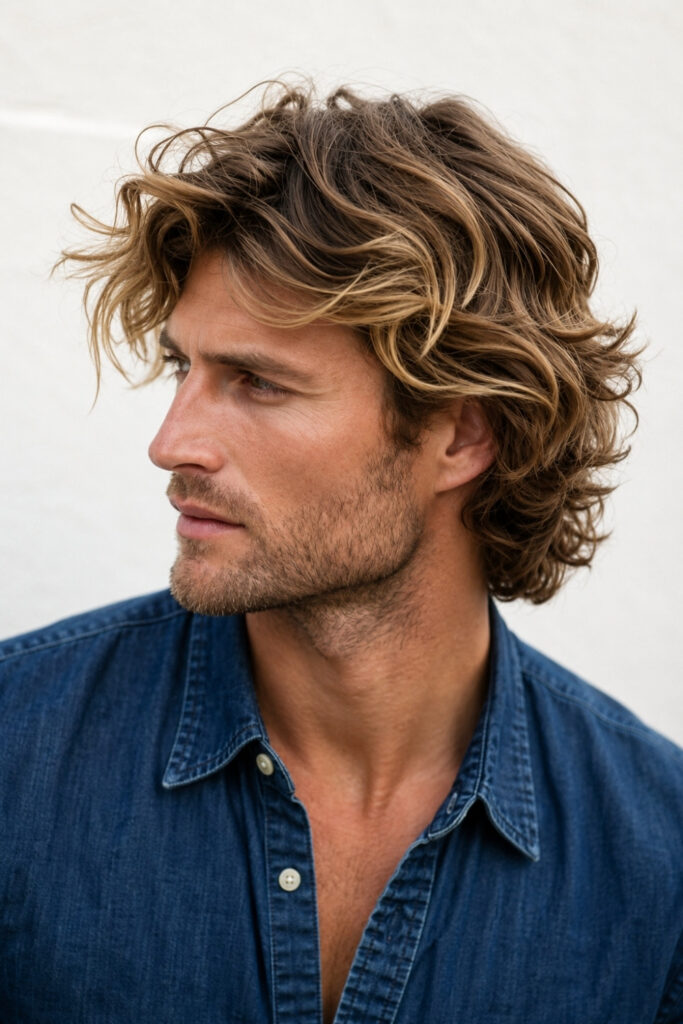
Short Shaggy Flow
A shaggy flow at a shorter length sitting above the ears, with choppy layers at the crown, texture throughout, and the flow visible in the movement of the crown sections rather than through length.
The short shaggy flow is the option for men who want the textured shag aesthetic without committing to ear-covering or longer length. The movement and texture are present. The length is shorter. The result reads as intentionally dishevelled rather than long and flowing.
How to ask for it: “Short shaggy haircut with choppy layers at the crown and texture throughout. Just above the ears. Uneven layers, not blended.” Blumaan Matte Cream Clay on dry hair separates the short layers and adds the grit that makes the short shag look deliberate.
 Save
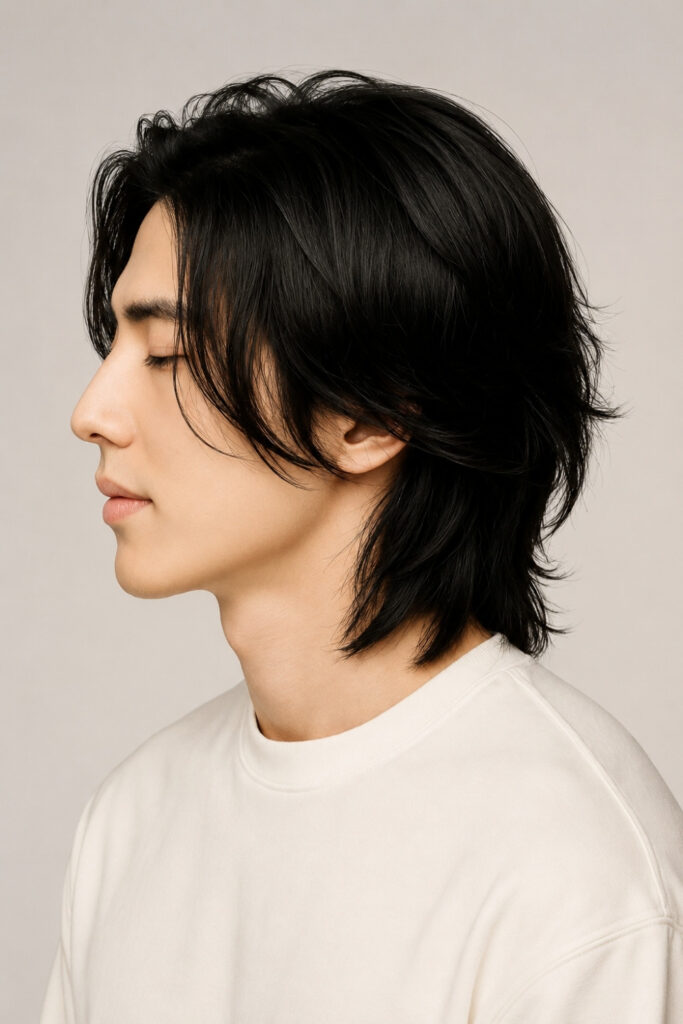
Long Shaggy Flow
Shaggy layers on hair reaching past the collar or approaching shoulder length, with the flow visible through the full length of the hair and significant movement at the nape and shoulders.
The long shaggy flow is the most dramatic version on this list. The hair reaches the shoulder and the layers move independently when the head turns. Corey Ciresi, hairstylist and owner of Enjoy Co. Hair Studio in Portland, confirms this length paired with facial hair produces a rugged, effortlessly cool vibe that adds an extra dash of masculinity.
Long shaggy flows require a Moroccanoil Treatment application on damp hair before air-drying to prevent the long layers from becoming dry and frizzy at the ends. The ends are the most vulnerable part of a long shaggy flow and the first to communicate neglect.
 Save
Shaggy Flow Haircuts by Face Shape
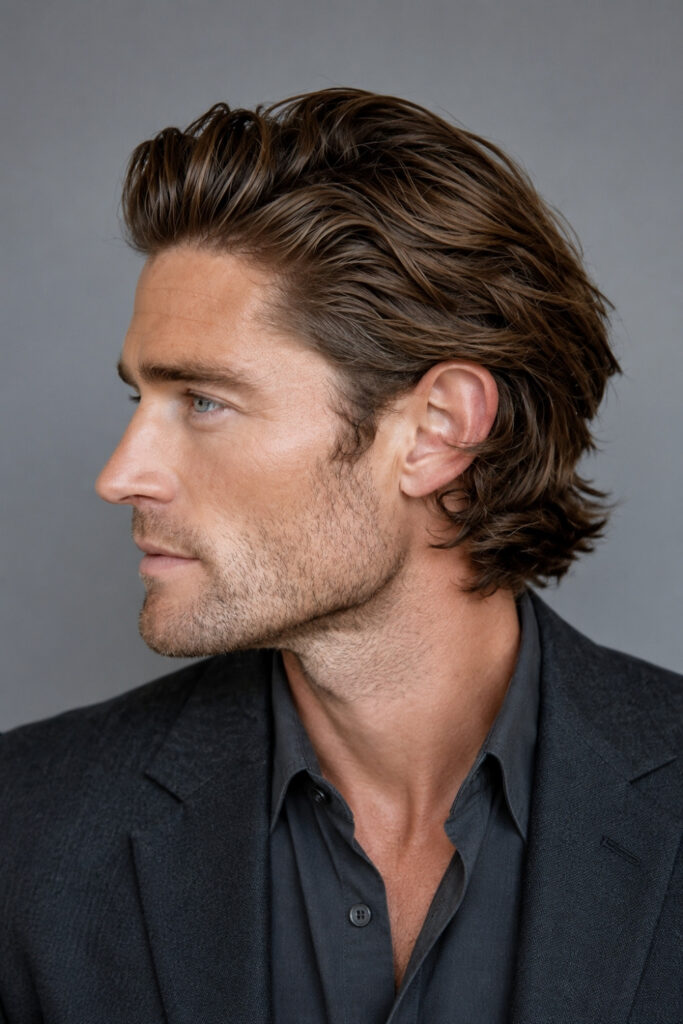
Shaggy Flow for Round Faces
A longer shaggy flow with length past the chin that adds vertical visual length, combined with face-framing pieces that fall forward to add angular framing at the jaw level.
Modern Hairstyles February 2026 identifies the flow cut as working well on longer faces, but the same principle applies in reverse for round faces: length and vertical movement reduce the appearance of width. Face-framing pieces at the jaw add the angle that the round face does not naturally have.
Avoid a short shaggy flow on a round face. The short version adds width at the sides without adding length below. Keep it past the ears and preferably past the jaw for the most flattering result on a round face shape.
 Save
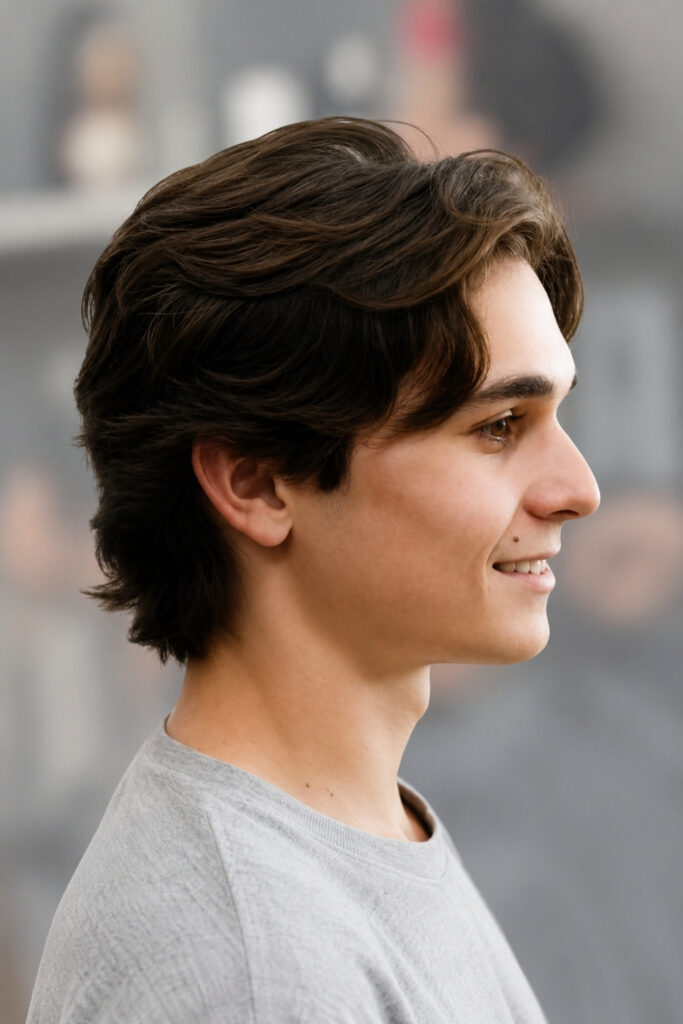
Shaggy Flow for Square Faces
A softer, medium-length shaggy flow with slightly fuller sides that reduce the sharp angular jaw contrast and face-framing pieces that soften the forehead corners.
A square face has a strong jaw and wide forehead. The shaggy flow works on this face shape because the textured, layered sides add softness that counteracts the angular jaw. The flowing layers prevent the rigid framing that a structured cut would create against a square jaw.
Avoid high fades with a shaggy flow on a square face. Removing the side volume emphasises the jaw angle rather than softening it. A low taper or natural taper keeps side volume at the right level for this face shape.
 Save
Shaggy Flow for Oval Faces
Any shaggy flow variation. Oval faces have the most flexibility with this cut across every length and texture variation.
Blumaan April 2026 confirms oval and diamond face shapes as the best matches for the shaggy wolf cut and heavily layered flow styles. Modern Hairstyles February 2026 confirms oval faces suit the foundational textured shag. Every source agrees on this: oval faces work with every version of the shaggy flow.
Choose based on hair texture and lifestyle rather than face shape constraints. Wavy hair suits the wolf cut and surfer shag best. Straight hair suits the flow cut and foundational shag. Curly hair suits a shorter shaggy flow where the curl does the texture work.
 Save
How to Style and Maintain a Shaggy Flow
Sea Salt Spray Is the Core Product
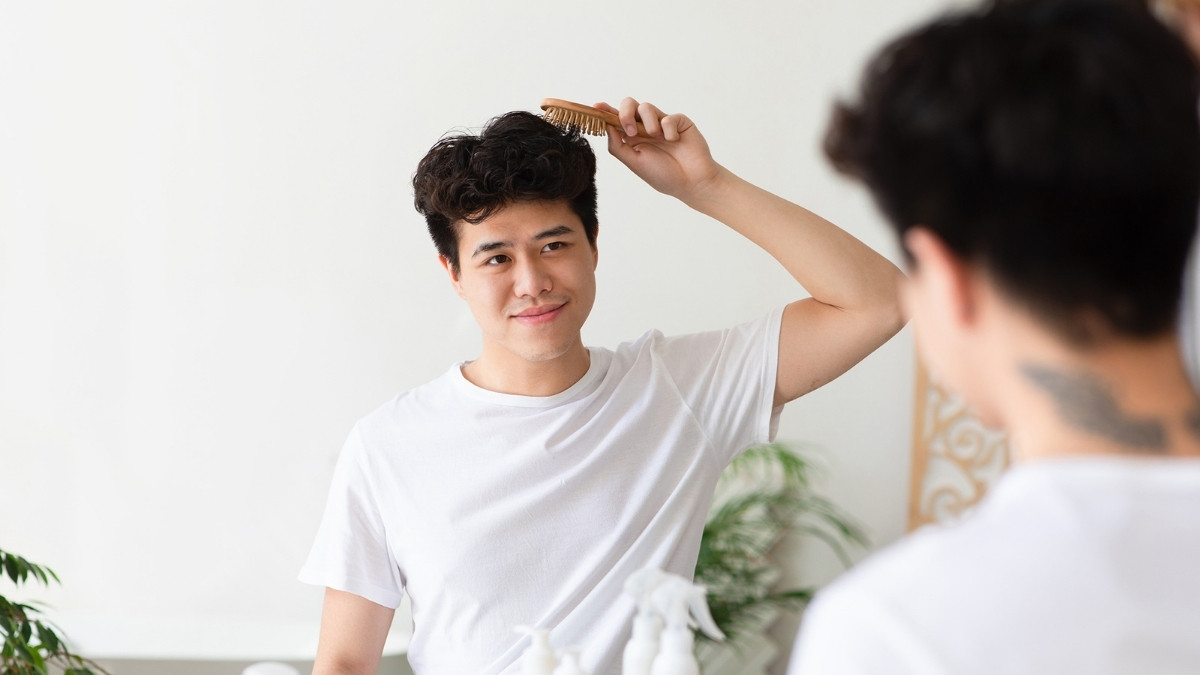
Blumaan confirms texturizing sea salt spray on damp hair followed by air-drying as the primary shaggy flow styling method. Apply the spray throughout damp hair, scrunch with both hands from the ends upward, and leave it completely alone while it dries.
Touching the hair while it dries with sea salt spray in it destroys the texture the spray builds. Every touch separates the layers prematurely and produces frizz rather than definition. Apply, scrunch once, and walk away.
Matte Clay on Dry Hair for Extra Definition
Blumaan April 2026 confirms matte cream clay on dry hair after air-drying separates the layers and adds grit. Apply a pea-sized amount to the fingertips, warm between the palms, then work through the dry hair with fingers rather than a brush.
The matte finish is non-negotiable for the shaggy flow aesthetic. A shine product on a shaggy flow reads as a different category of haircut entirely. Matte keeps the look windswept and intentionally undone. Shine makes it look like the product is doing the work the haircut should be doing.
Trim Every Six to Eight Weeks
Blumaan April 2026 is direct: regular trims every six to eight weeks are essential to keep the shag looking intentional. The shaggy flow grows out unevenly, which is part of its appeal in the short term. Past eight weeks, the unevenness crosses from intentional into shapeless.
Book the trim before the previous one has grown out visibly. The best time to trim a shaggy flow is when it still looks good. Waiting until it looks bad means the stylist is correcting rather than maintaining.
For more ideas, see our shaggy mullet haircut for men ideas for a sharp upgrade, top 17 shaggy lobs with bangs to attain your stylish look and men’s layered haircuts for thick hair that control bulk without killing volume.
Frequently Asked Questions
What is a shaggy flow haircut for men?
A shaggy flow is medium to longer length hair with heavy internal layering that creates movement when the head moves. Men’s cutting expert Tim Duenas confirmed to Behindthechair.com in March 2026 that fringe, flow, and longer shapes that move are what clients are actively requesting. The cultural reference is 90s texture from Brad Pitt and Leonardo DiCaprio, updated with softer transitions and modern styling techniques.
What is the difference between a shaggy flow and a wolf cut?
A wolf cut has a stronger mullet silhouette with a distinct shorter crown and longer nape. Blumaan April 2026 confirms the wolf cut features shorter choppy crown and longer feathered nape for built-in movement. A shaggy flow blends those lengths more gradually and reads as a medium-length shag without the dramatic nape drop. The shaggy flow sits closer to the 90s shag reference. The wolf cut sits closer to the mullet reference.
What face shapes suit a shaggy flow haircut?
Oval and diamond face shapes suit every shaggy flow variation per Blumaan and Modern Hairstyles. Round faces benefit from a longer shaggy flow with vertical length and face-framing jaw pieces. Square faces suit a medium shaggy flow with fuller sides that soften the angular jaw. Heart faces suit the shaggy curtain hybrid or curtain fringe version that adds width at the forehead.
How do you style a shaggy flow haircut?
Apply Blumaan Sea Salt Spray or Bumble and bumble Surf Spray to damp hair. Scrunch with both hands from the ends upward. Air-dry without touching. On dry hair after drying, work a small amount of matte cream clay through the layers with fingers to separate them and add grit. Never use a brush on a shaggy flow. Never use a shine product. Blumaan April 2026 confirms: the cut does most of the work.
How long does a shaggy flow haircut last?
Blumaan April 2026 confirms regular trims every six to eight weeks are essential to keep the shaggy flow looking intentional. The cut grows out unevenly because of the choppy layering. Past eight weeks, the unevenness crosses from intentional into shapeless. Book the next trim before the previous one has grown out visibly.
What hair types suit a shaggy flow haircut?
Wavy hair suits the shaggy flow best because the natural wave amplifies the movement the layering creates. Blumaan confirms wavy to curly hair as ideal for the wolf cut variation. Straight hair suits the flow cut and foundational shag, which rely more on the cut itself rather than natural texture. Curly hair works best in a shorter shaggy flow where the curl pattern produces the texture rather than the layering technique.
Final Thoughts
The shaggy flow in 2026 is not one haircut. It is a movement toward length, texture, and hair that looks like it was styled by the day rather than by a product routine. Tim Duenas put the whole category in one sentence: fringe, flow, and longer shapes that move.
Find a barber who understands internal layering rather than blended tapering. Use sea salt spray and matte clay. Trim every six to eight weeks. The rest is just letting the cut do its job.