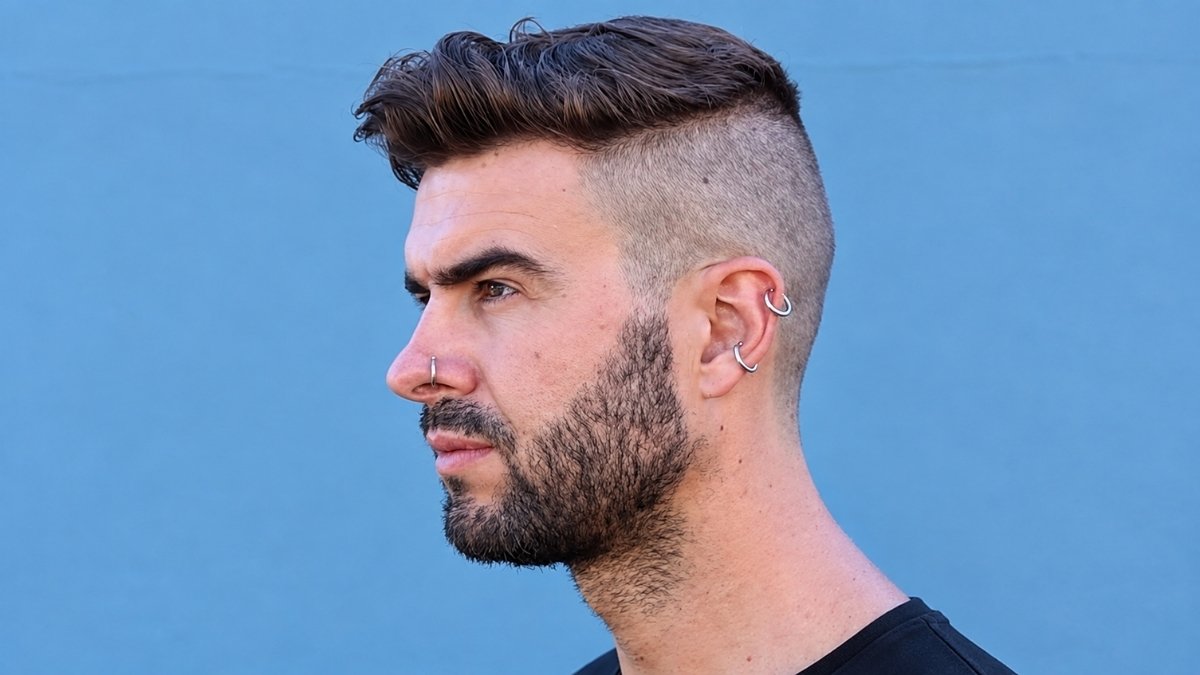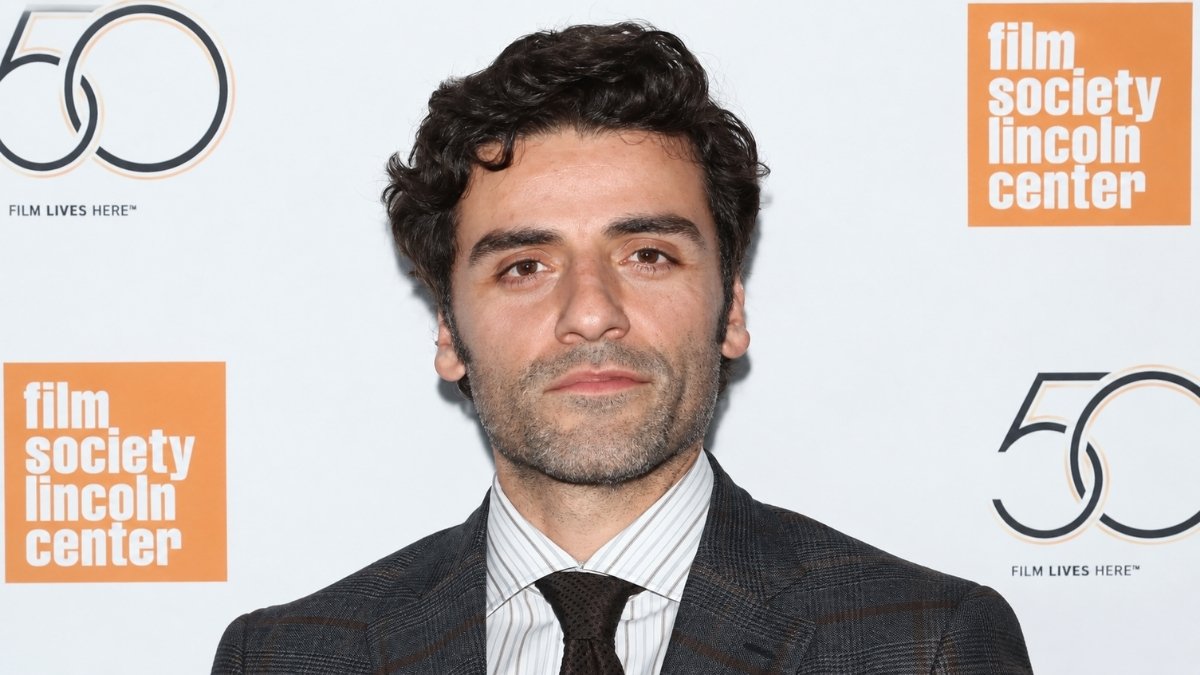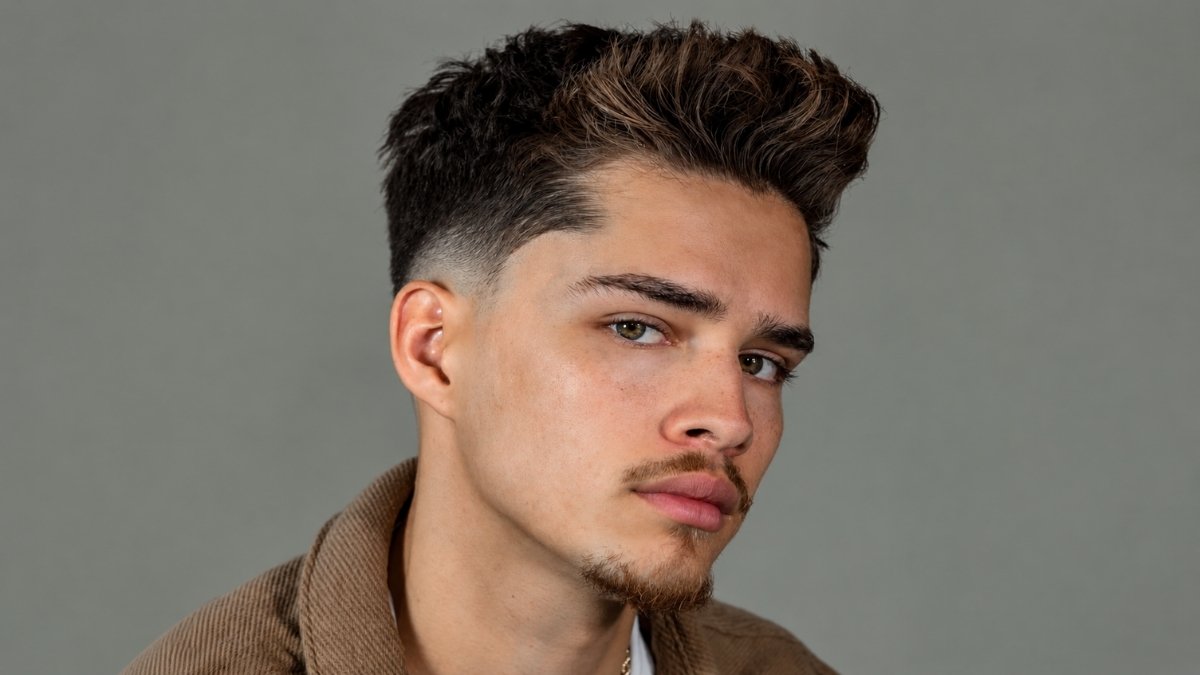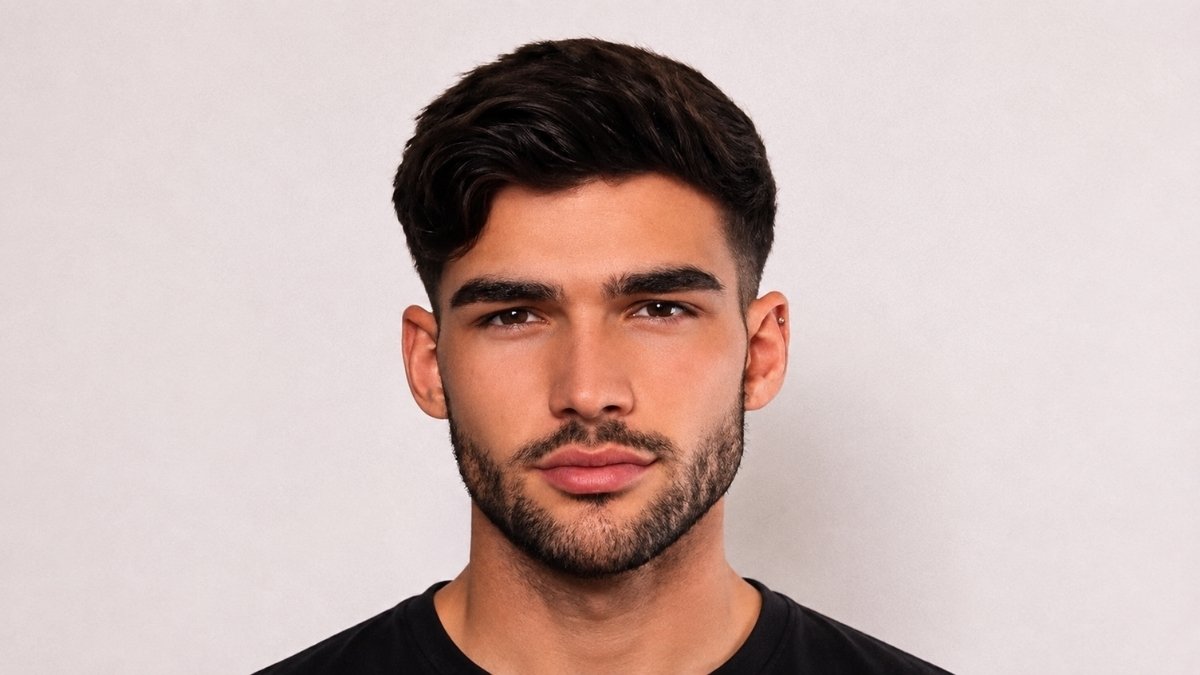

A men’s layered bob sits in a useful middle ground: long enough to move around the jaw and neck, short enough to keep a deliberate perimeter. The layers decide whether that perimeter feels airy and mobile or heavy and helmet-like.
A layered bob differs from both a blunt bob and a longer lob. The defining idea is a clear chin-to-jaw or short-neck outline, with internal length changes that remove weight, create movement or frame the face.
These 17 layered bob hairstyles for men show different ways to build and style that shape. For more curl-specific cuts, see our curly haircuts for men.
17 Layered Bob Hairstyles for Men
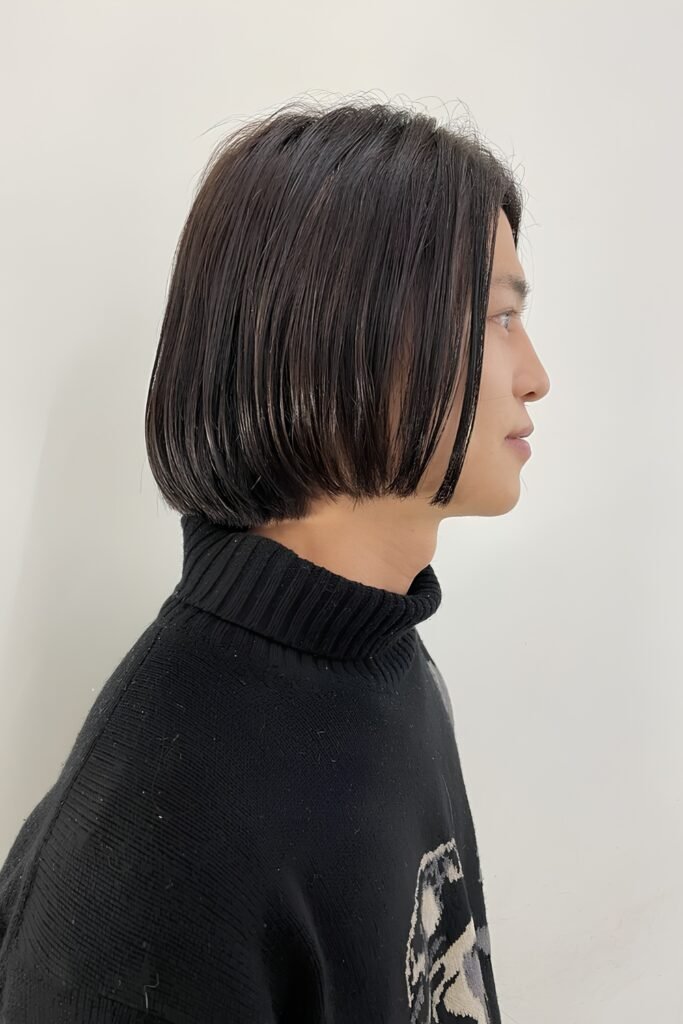
1. Classic Jaw-Length Layered Bob
Keep the perimeter around the chin or jaw, then cut connected layers through the interior. The baseline still needs enough weight to read as a bob when the hair settles.
If the sides are clipped short or the back runs well past the shoulders, you have moved into a different haircut family.
Best for: straight or wavy hair, medium density, first-time bob wearers.
 Save
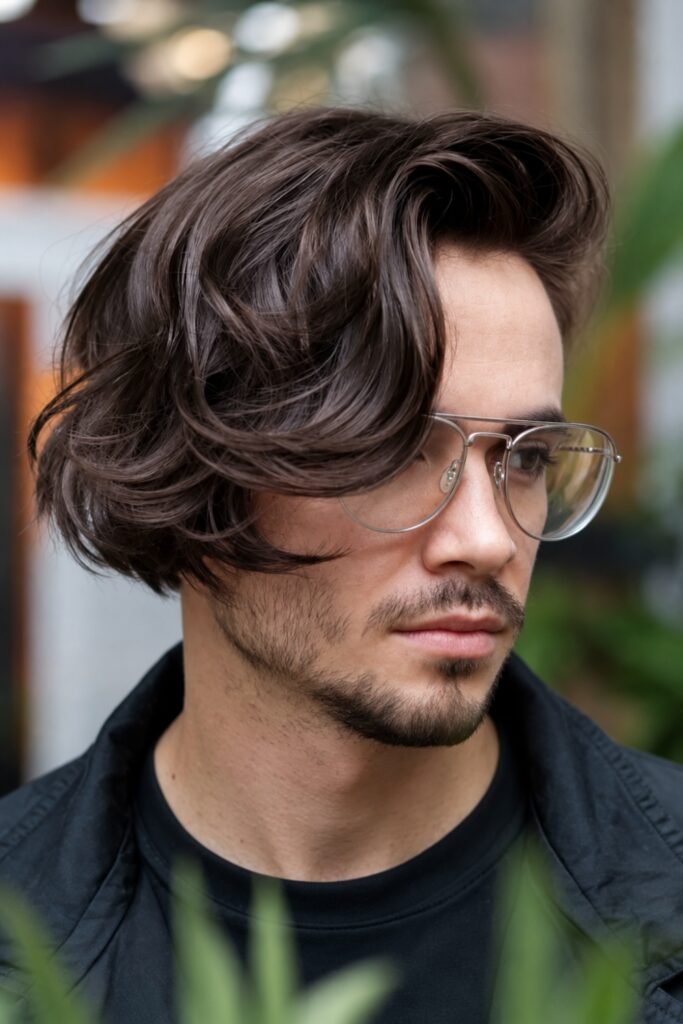
Save2. Wavy Layered Bob
Natural S-waves make a layered bob look less geometric because the layers land at different points as the hair bends. Remove enough internal weight to free the wave without hollowing the ends.
A little cream or mousse and controlled air-drying can let the wave do more work than a round brush.
Best for: wavy hair, medium-to-thick density, casual styling.
 Save
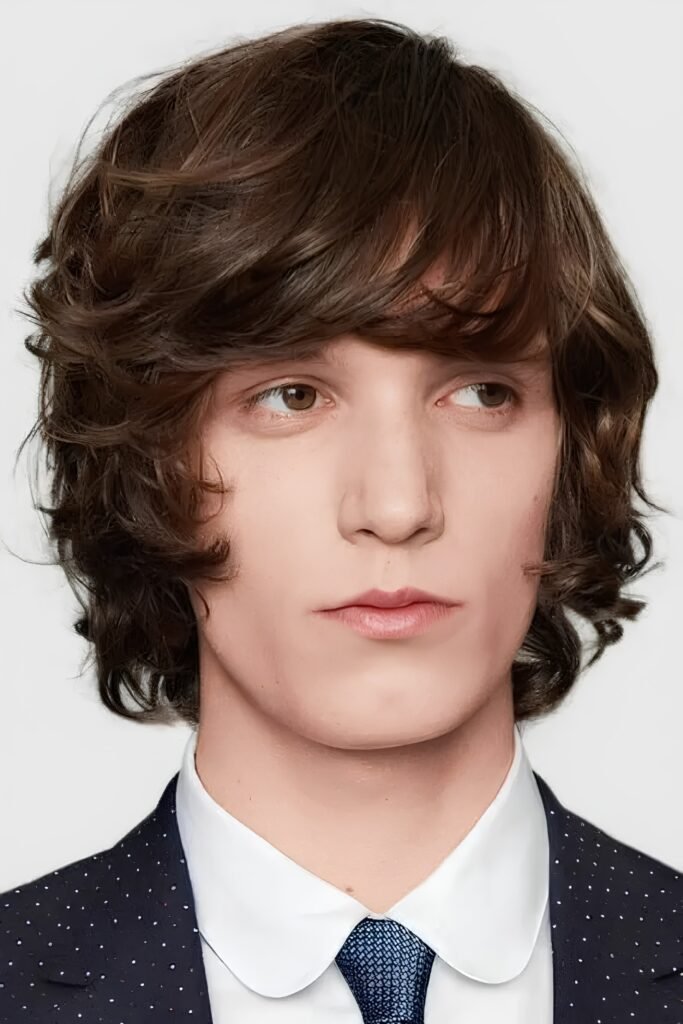
Save3. Layered Fringe Bob
Add a clear fringe to the layered jaw-length base so the haircut frames the forehead as well as the jaw. The sides should stay mobile rather than becoming one heavy shelf.
The fringe may need attention before the bob perimeter does, especially when it sits near the brows or eyes.
Best for: straight/wavy hair, larger foreheads, creative styling.
 Save
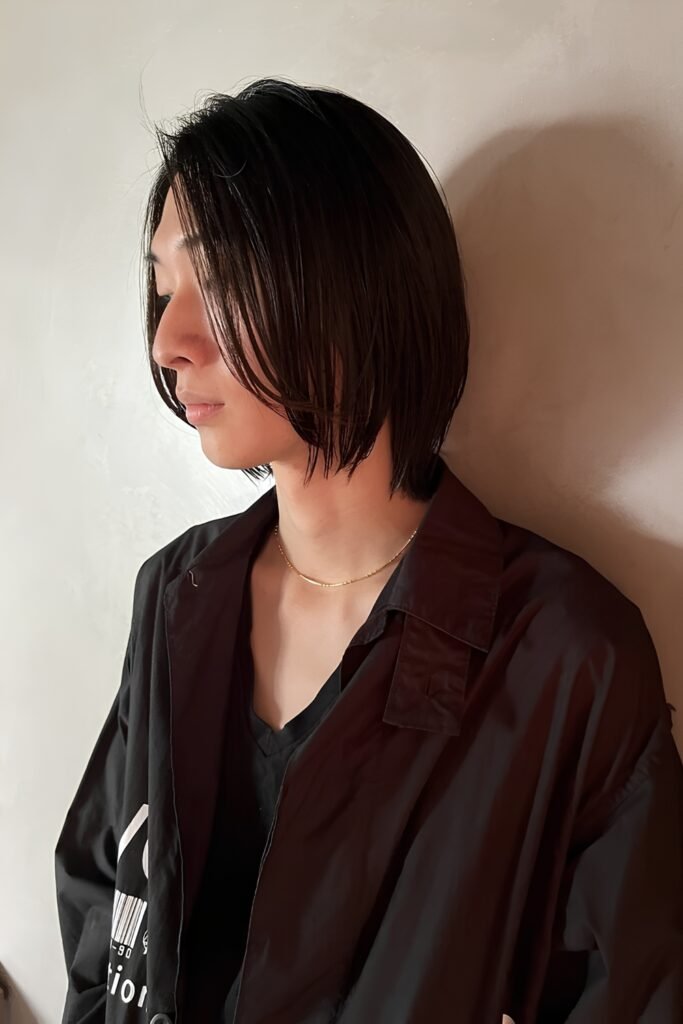
Save4. Sleek Side-Part Layered Bob
Use internal layers beneath a smooth surface and direct the top through a clean side part. The layers stop the lower half from hanging as one dense block.
Keep heavy oil away from the roots. A sleek bob needs shine, not grease.
Best for: straight/slightly wavy hair, fine-to-medium density, formal looks.
 Save
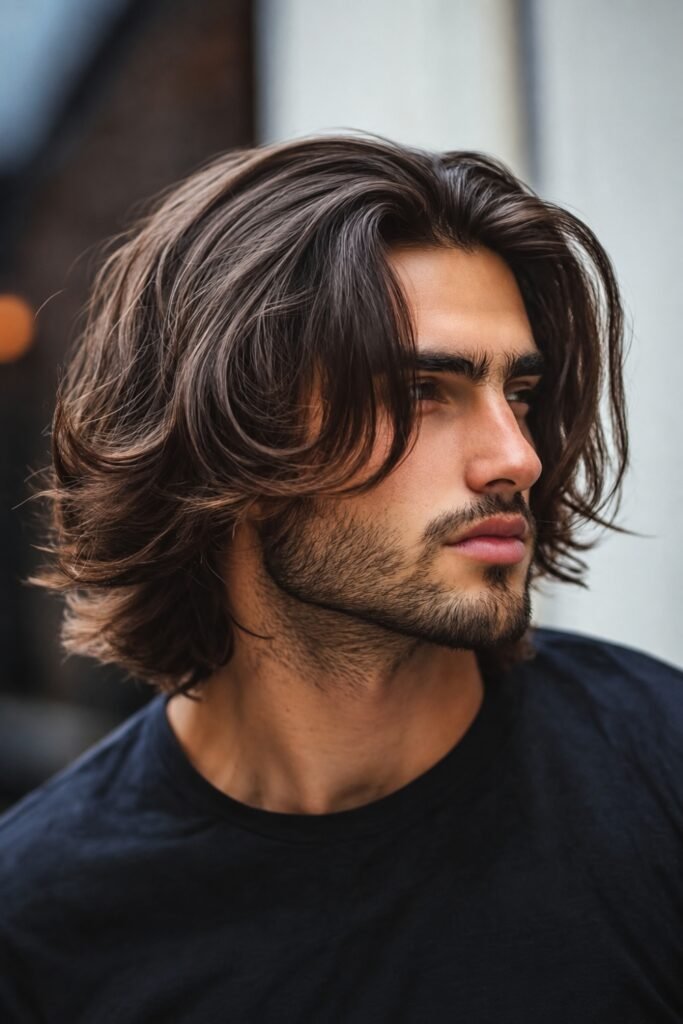
Save5. Shoulder-Grazing Wavy Bob
Let the perimeter reach the top of the shoulders and use long blended layers to release wave and bulk. The extra length makes the shape softer than a jaw bob without losing structure.
Tell the stylist you are intentionally growing toward a lob so repeated trims do not keep pushing the cut shorter.
Best for: wavy medium-density hair, men growing longer.
 Save
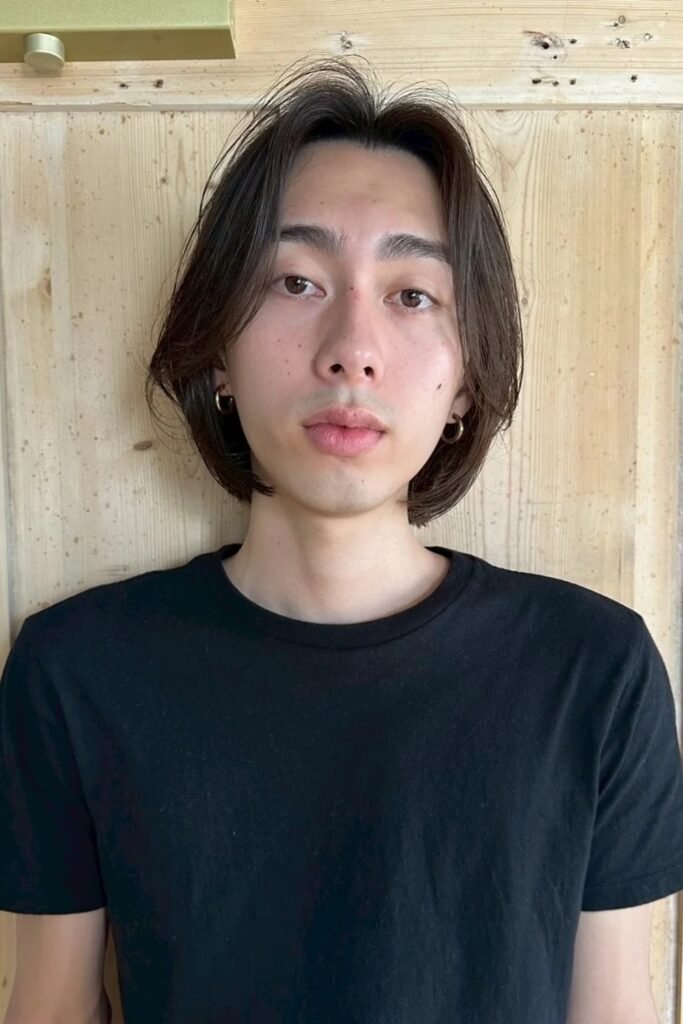
Save6. Center-Part Curtain Bob
Part a medium layered bob through the center and keep the front sections long enough to curve away like curtains. Internal layers prevent both sides from dropping as solid panels.
The part can sit slightly off-center if that follows the natural growth pattern better.
Best for: straight/wavy hair, medium length, open-forehead styling.
 Save
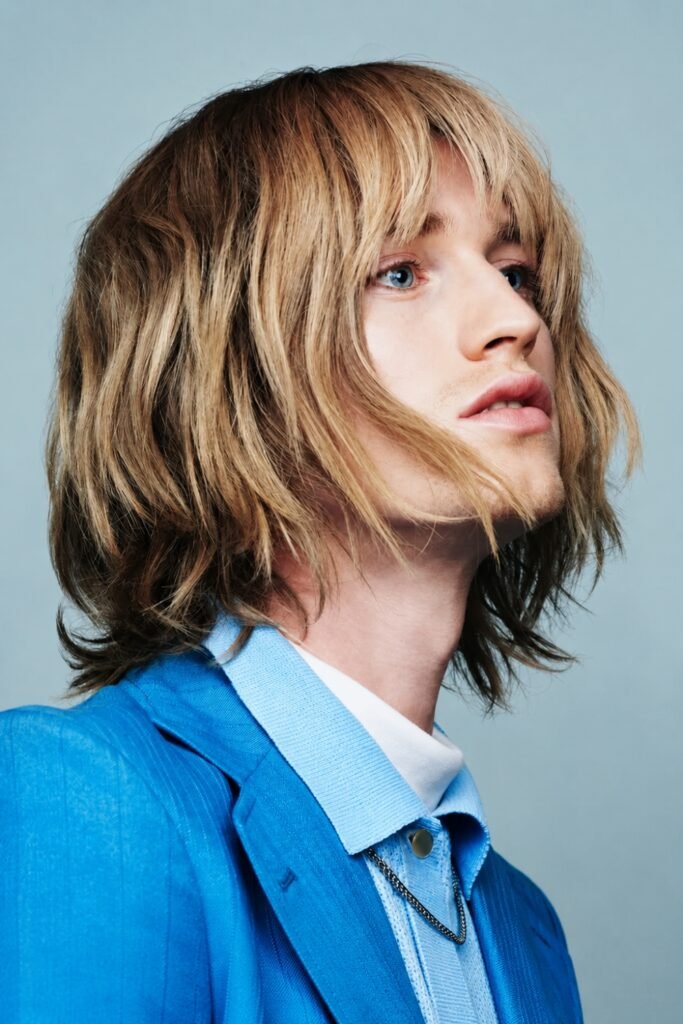
Save7. Shaggy Layered Bob
Shorten selected crown layers and break up the ends while keeping the overall length inside bob territory. The result should move like a shag without growing a separate mullet tail.
Keep the perimeter strong enough that the haircut still reads intentionally from the back.
Best for: thick/wavy hair, rock-inspired style, air-dried texture.
 Save
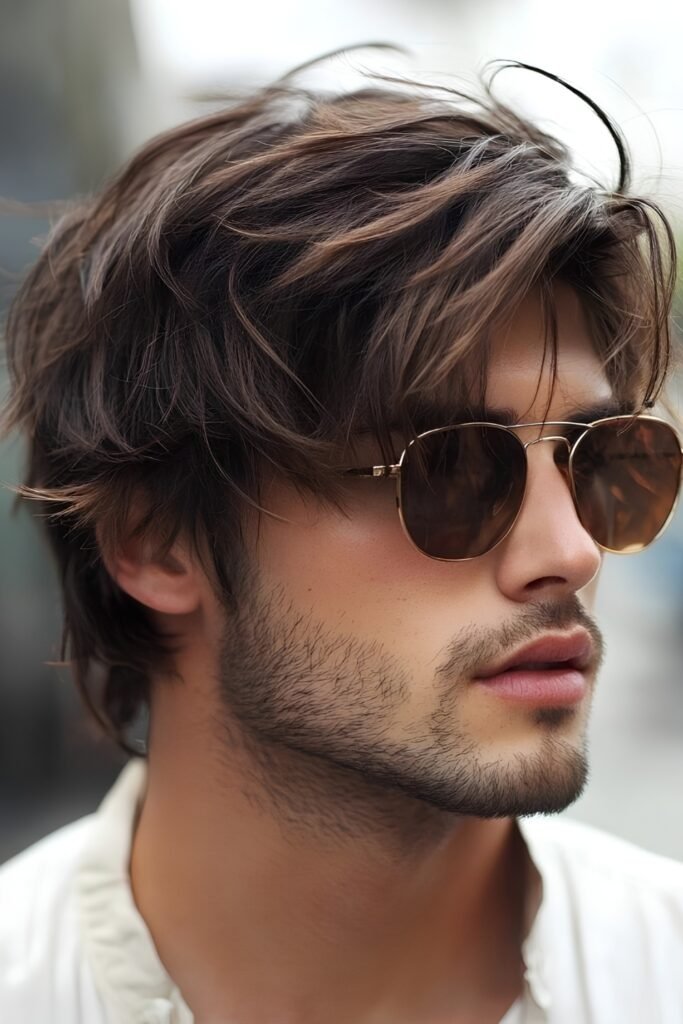
Save8. Thick-Hair Layered Bob
Thick hair can turn a blunt bob into a helmet because too much density lands at one level. Long interior layers remove selected bulk while leaving the outer line substantial.
If you want to avoid an undercut, internal layering is the best way to take bulk out of thick hair.
Best for: thick straight/wavy hair, men avoiding undercuts.
 Save
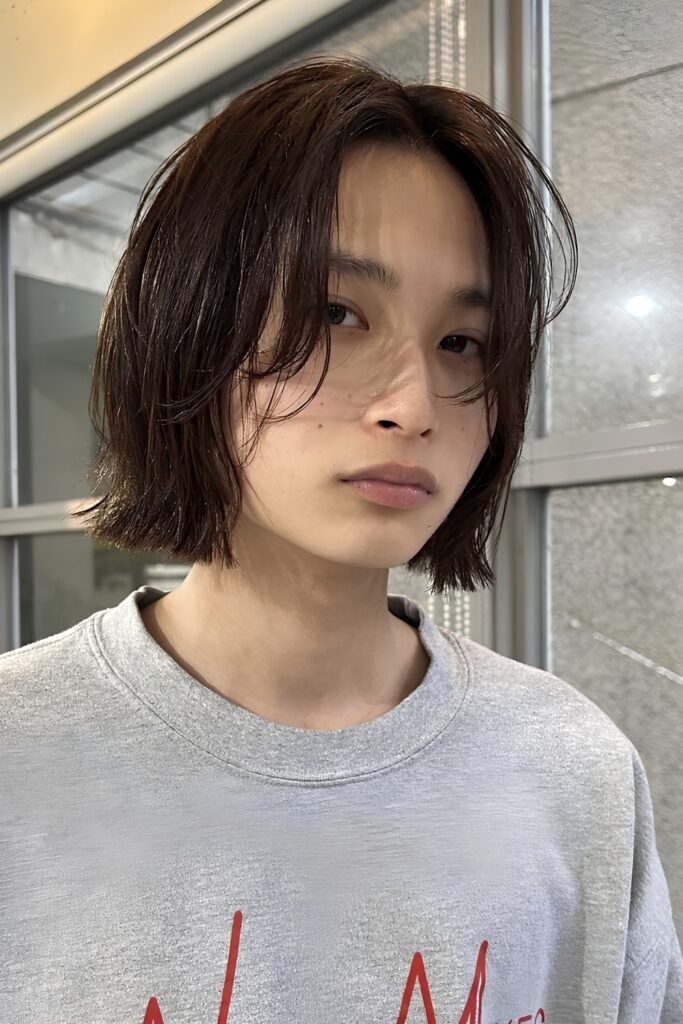
Save9. Fine-Hair Soft Layered Bob
Fine hair needs a fuller perimeter and restrained layers mainly for movement around the crown and face.
If the ends start looking transparent, stop layering. A bob needs enough baseline density to maintain its shape.
Best for: fine straight hair, softer volume, polished styling.
 Save
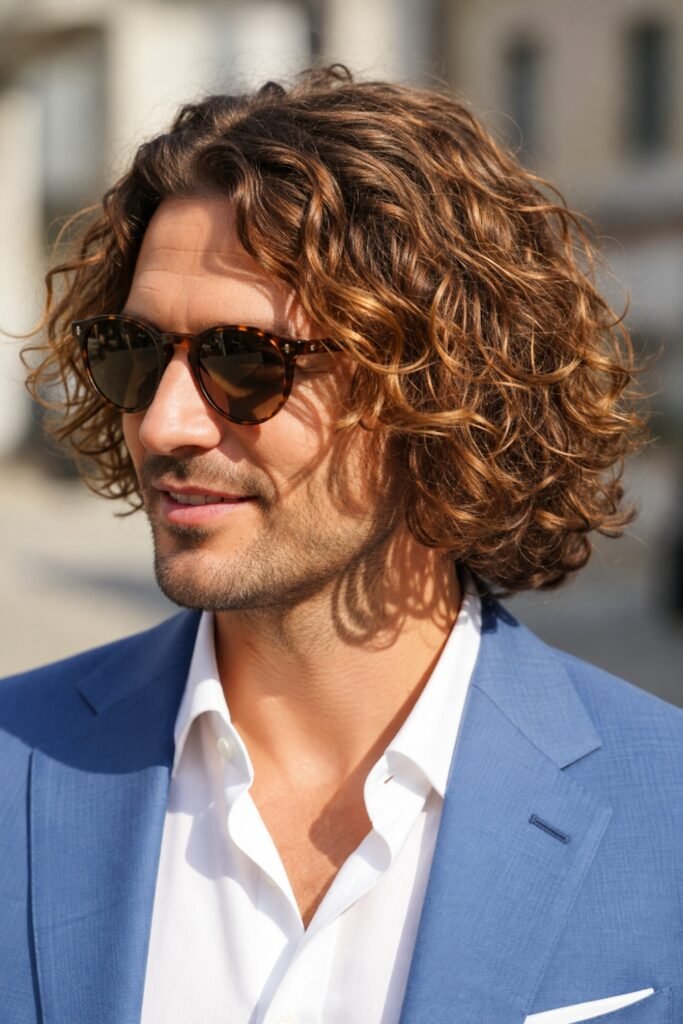
Save10. Curly Layered Bob
A curly bob needs graduated lengths that account for shrinkage and distribute volume through the crown, sides, and perimeter.
Avoid treating layers as a request to thin everything. Curls need enough density to clump and enough space to spring.
Best for: curly hair, medium-to-thick density, natural texture.
 Save
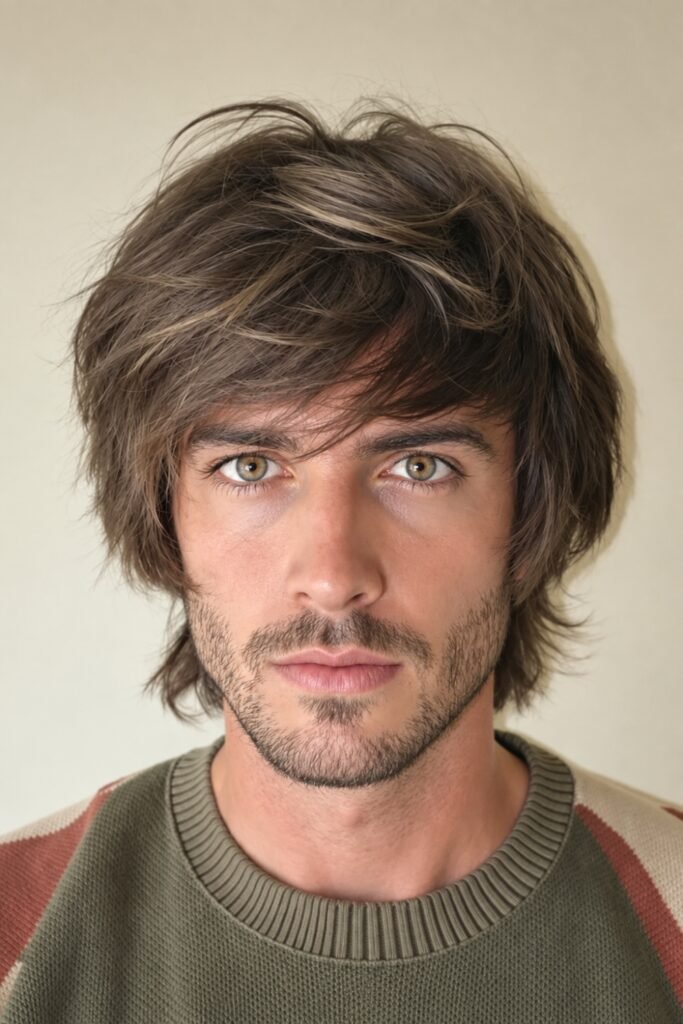
Save11. Textured Messy Bob
Keep the bob outline clear but break the surface with point-cut ends and light internal texture. Style with fingers so sections separate instead of falling into one smooth sheet.
Messy works when the haircut already has structure underneath.
Best for: straight/wavy hair, matte finishes, low-polish style.
 Save
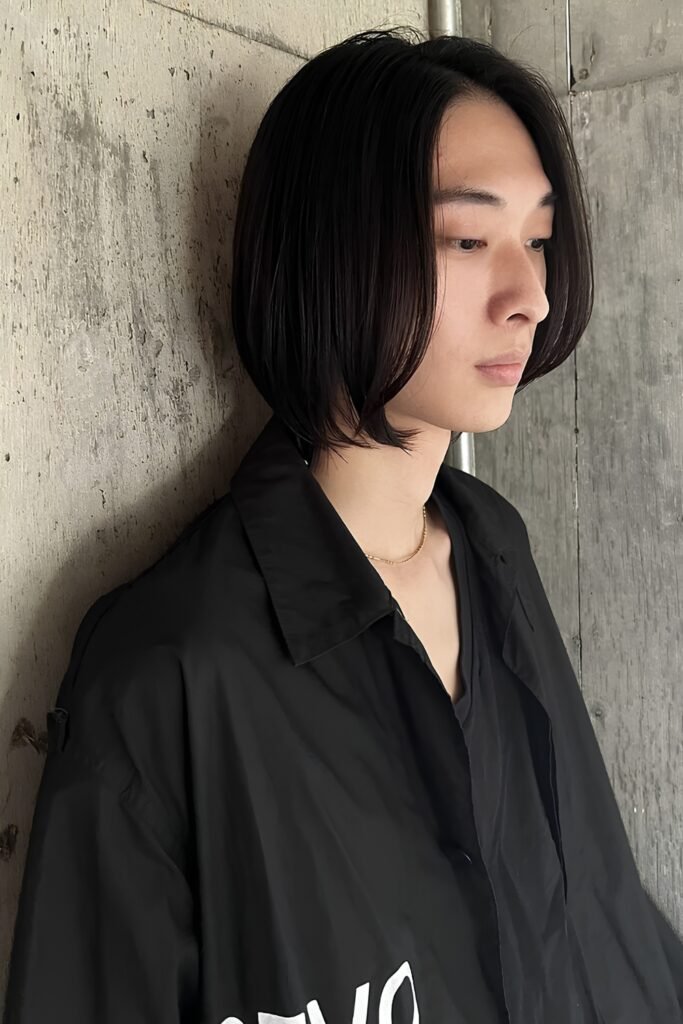
Save12. Face-Framing Layered Bob
Keep the back perimeter full and introduce shorter layers around the cheekbones, jaw, or chin. Those front pieces create movement without turning the entire bob into a shag.
Choose the shortest layer according to how your texture actually falls around the face.
Best for: medium bobs, straight/wavy hair, softer framing.
 Save
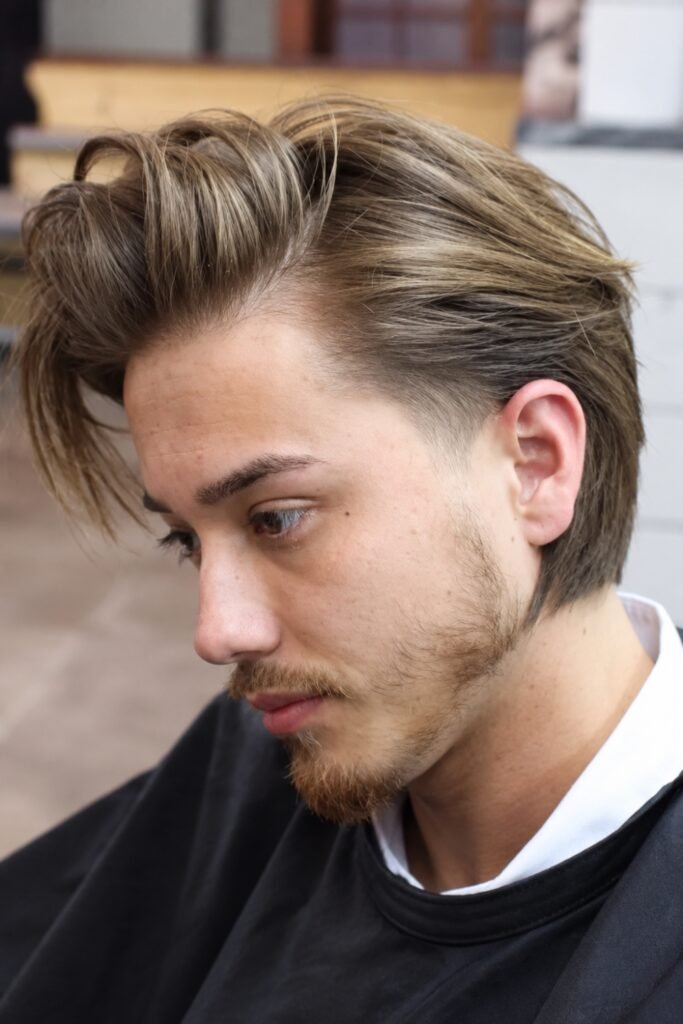
Save13. Tucked-Behind-the-Ear Bob
A layered bob changes immediately when one or both sides are tucked behind the ears. The move exposes the cheekbones and sideburn area while the lower layers remain visible.
Ask for enough front length to tuck comfortably instead of constantly springing loose.
Best for: jaw-length bobs, straight/fine hair, smart-casual looks.
 Save
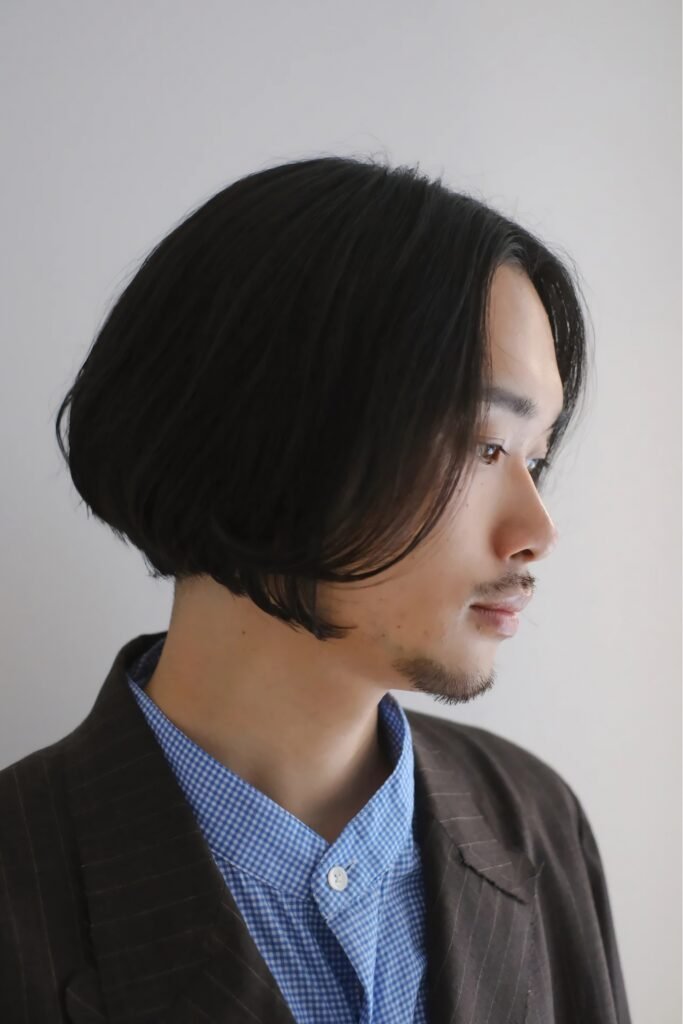
Save14. Rounded Layered Bob
Use subtle internal layering with a softly beveled perimeter that curves toward the jaw. The silhouette feels cleaner than a shag or flipped bob.
The rounding should come from the cut and a light blow-dry rather than heavy product.
Best for: straight hair, polished styling, medium density.
 Save
Save15. Rocker Layered Bob
Use neck-length layers, longer fringe pieces, and deliberately broken ends for a cut with less symmetry. Keep enough side length to retain the bob silhouette.
It stays shorter and more perimeter-driven than most rocker styles.
Best for: thick/wavy hair, alternative wardrobes, lived-in texture.
 Save
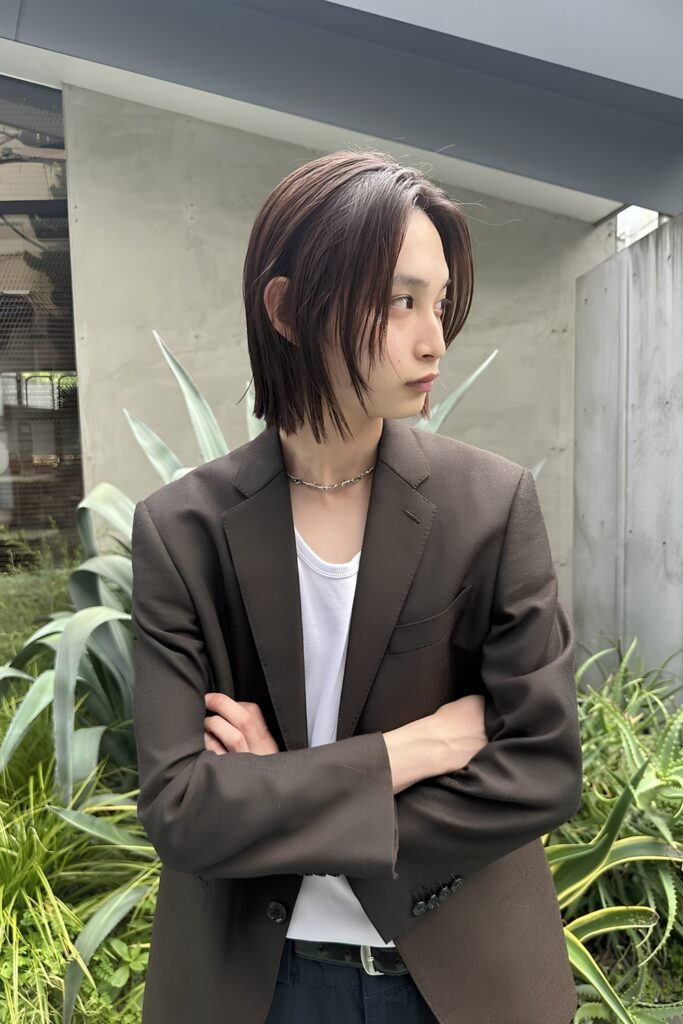
Save16. Business-Casual Layered Bob
Keep the neckline clean, use subtle internal layers, and style with a soft side or center part. The result has movement without looking deliberately chaotic.
The cut should survive both a T-shirt and a blazer without needing a completely different routine.
Best for: straight/wavy hair, office settings, medium density.
 Save
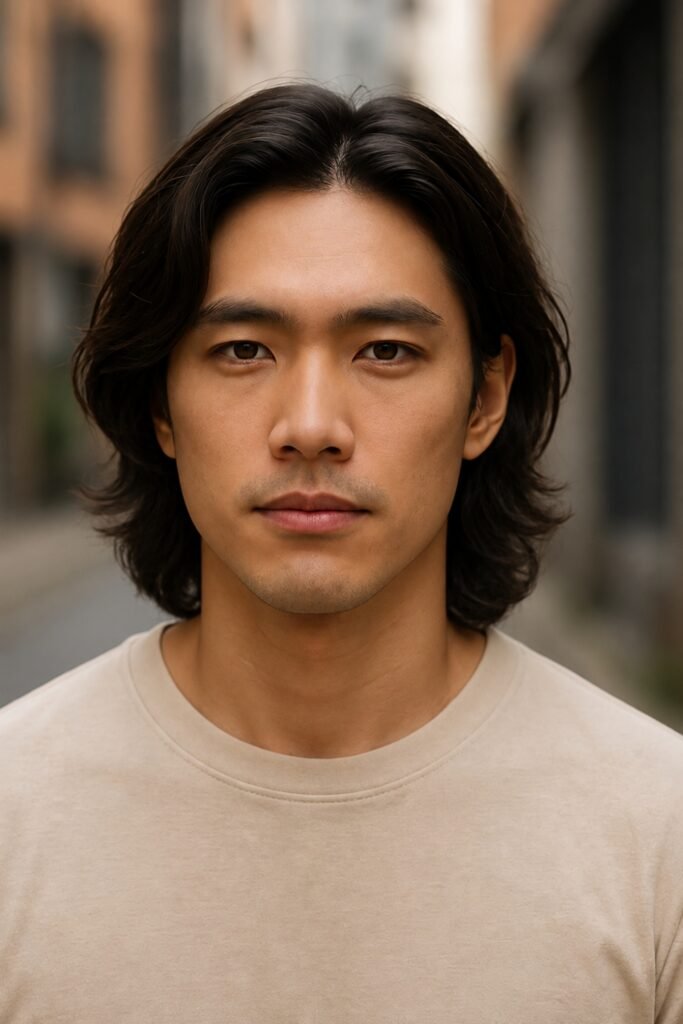
Save17. Long Layered Bob (Men’s Lob)
Push the bob toward collarbone length while connected layers prevent the sides and ends from becoming one heavy curtain. The perimeter should still look designed rather than simply grown out.
This is the bridge between a true bob and our long layered haircuts for men.
Best for: medium-to-long straight/wavy hair, men growing hair out.
 Save
SaveQuick Guide: Which Layered Bob Fits Your Hair?
| Hair / goal | Strong choices | What layers should do | Avoid |
| Thick / bulky | Thick-hair, shaggy | Remove internal weight | Over-thinning perimeter |
| Fine / flat | Soft layered, sleek | Create movement, preserve edge | Too many short layers |
| Wavy | Wavy, shoulder-grazing | Release natural bends | Heavy triangle shape |
| Curly | Curly layered bob | Balance crown, sides, shrinkage | Cutting only for wet length |
| Polished | Rounded, sleek, business-casual | Control surface and outline | Heavy greasy product |
| Edgy | Fringe, rocker, textured | Make layers visible | Losing the bob perimeter |
What Makes a Men’s Layered Bob Different From a Blunt Bob?
A blunt bob keeps most of the perimeter at one strong length, so the lower edge looks denser and more geometric. A layered bob keeps the bob outline but introduces shorter internal lengths that create movement and redistribute weight.
That difference matters most on thick hair: internal layering can reduce a mushroom or triangle effect without requiring shaved sides.
Layered Bob vs. Lob vs. Shag
A true bob generally reads around chin-to-jaw or short-neck length. A lob extends closer to the shoulders or collarbone. A shag is defined more by visible crown-to-perimeter layering and broken texture than by a strict bob baseline.
If the perimeter disappears under disconnected layers, the cut is moving toward shag territory. If the length clearly reaches the collarbone, it is becoming a lob.
What to Tell Your Barber or Stylist
Lead with the perimeter: chin, jaw, neck, or shoulder-grazing. Then explain what the layers need to solve, bulk, flatness, wave movement, curl shape, or face framing.
For thick hair, ask about internal weight removal while preserving the outer line. For fine hair, explicitly ask to keep density at the ends.
Prefer a center part? Our middle part hairstyles for men show how it sits on bob-length hair.
How to Style a Layered Bob Without Making It Stiff
Use enough product to define movement, not coat every strand. Lightweight cream, mousse, sea-salt spray, or a small amount of smoothing product can work depending on texture and finish.
Direct the hair while drying. Wavy and curly bobs can often air-dry or diffuse; sleek and rounded versions benefit from controlled blow-drying. The layers should still move after styling.
Frequently Asked Questions
Can men wear a layered bob?
Yes. A men’s layered bob keeps a chin-to-jaw or short-neck bob perimeter while using internal layers for movement, bulk control, or face framing.
How long is a men’s layered bob?
A true bob usually sits around the chin, jaw, or short neck. Once it reaches the shoulders or collarbone, it starts moving toward long-bob or lob territory.
Is a layered bob good for thick men’s hair?
Yes. Long internal layers can remove bulk while preserving the outer perimeter, helping dense hair avoid a heavy mushroom or triangle shape.
Does a layered bob work with fine hair?
Yes, but layering should be restrained. Fine hair usually benefits from a fuller baseline with softer internal or face-framing layers rather than aggressive thinning.
Can curly hair wear a layered bob?
Yes. Curl-aware layers can balance crown and side volume, but the cut must account for shrinkage and should be judged in its dry shape.
What is the difference between a layered bob and a shag?
A layered bob retains a recognizable bob perimeter. A shag usually has more obvious crown layering, broken texture, and less dependence on one strong baseline.
How often should a layered bob be trimmed?
Many layered bobs benefit from a shape refresh around every six to eight weeks, but texture, growth rate, fringe length, and whether you are growing toward a lob can change that schedule.
What should I ask for at the salon?
Specify the exact perimeter length first, then ask for internal or visible layers based on your goal. Tell the stylist whether you need bulk removal, movement, face framing, or more wave/curl definition.
The Perimeter Test
Look at the haircut from the side and back after it dries naturally. Can you still see a deliberate bob boundary around the jaw, neck, or shoulder area while the layers move inside it?
If yes, the cut is doing its job. If the outline has disappeared into random lengths, you may have a good layered haircut, but it is no longer really a bob.