Fashionuer is reader-supported and may earn a commission from links on this page. Learn more
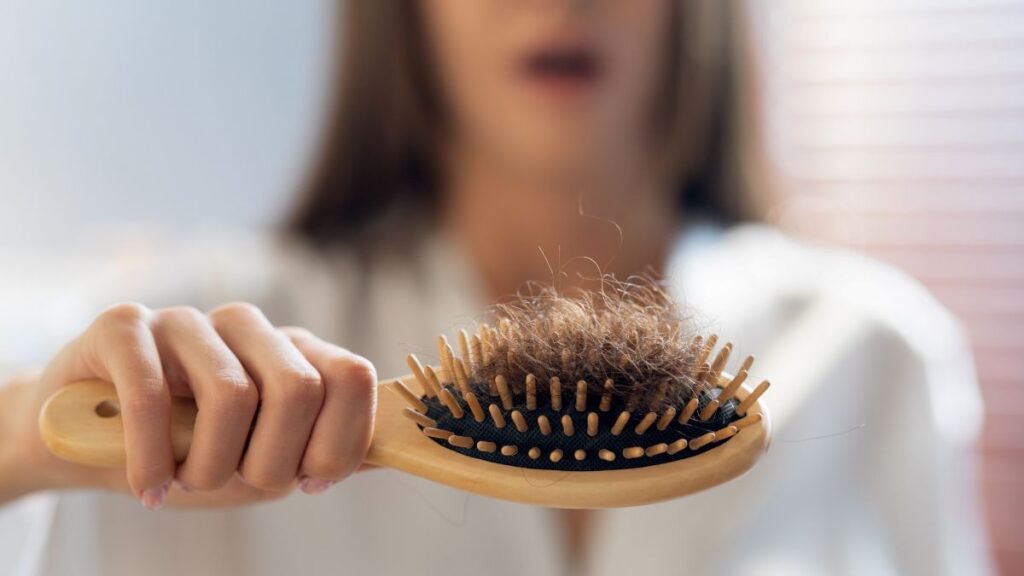
Thinning hair is very common and can affect both men and women. It can be caused by genetics, hormonal changes, stress, illness, nutritional deficiencies or certain hairstyles and treatments.
Whether your hair can grow back depends mainly on the cause. Some types of thinning are temporary and improve on their own, while others need treatment to slow them down. Here is what you need to know. This article is general information, so speak to a GP or dermatologist for advice on your own hair.
Why Hair Thins
Common causes of thinning hair include:
Male or female pattern hair loss, which is genetic and gradual; telogen effluvium, a temporary shedding that often follows stress, illness, childbirth or a crash diet; iron or thyroid problems; and traction alopecia, caused by tight hairstyles pulling on the hair over time.
Can Thinning Hair Grow Back?
Temporary shedding, such as telogen effluvium, usually recovers on its own within several months once the trigger has passed. Hair loss linked to low iron or thyroid problems often improves once the underlying issue is treated.
Pattern hair loss is ongoing, but treatments can slow it down and, in some cases, help regrow some hair, especially when started early. Traction alopecia can often recover if the tension stops early, but long term damage may be permanent.
Treatments That Can Help
Minoxidil, applied to the scalp, is available over the counter and is used by both men and women. Finasteride is a prescription medicine for men; read more in our guide to preventing hair loss in men. A doctor may also suggest other treatments, such as platelet rich plasma (PRP) injections or low level laser therapy, though the evidence for these varies.
For advanced hair loss, a hair transplant can move healthy follicles from the back or sides of the scalp to thinning areas. It is a surgical procedure, so research clinics and surgeons carefully and discuss the risks, costs and realistic results before booking.
Healthy habits support your hair too: eat a balanced diet with enough protein and iron, manage stress, avoid tight hairstyles and limit heat and chemical treatments. Our guide to caring for kinky hair covers gentle styling habits that reduce breakage.
See a GP or dermatologist if your hair is thinning quickly, falling out in patches or comes with other symptoms such as tiredness or scalp redness. Specialist clinics, such as this FUE hair transplant clinic, can advise on surgical options if medical treatments are not enough.
FAQs
How long does it take for thinning hair to grow back?
After temporary shedding, regrowth often starts within three to six months, but it can take a year or more for hair to look fuller again. Some people also add nourishing oils such as tamanu oil to their scalp routine.
Can women use minoxidil?
Yes. Minoxidil is available in formulations for women. Speak to a pharmacist or doctor to find out whether it is suitable for you.