
There is a decent chance you are reading this without being sure it applies to you, and a barber’s guide explains why: most men who think they have straight hair actually have loose waves that have been flattened into submission by years of using the wrong products.
Short cuts hide wave. Heavy product kills it. Brushing it dry destroys it. Do all three for a decade and you will conclude your hair is straight and slightly frizzy, when it is in fact wavy and undefined.
Which brings us to the useful thing about summer specifically. One guide puts it well: the wave pattern and frizz are two sides of the same coin. On a dry day you see the wave. On a humid day you see the frizz instead. Same hair, same pattern, different weather.
So your summer frizz is not damage and not bad luck. It is your wave turning up without definition, and that is a considerably more solvable problem.
Which Wave Are You?
Type 2 hair splits into three, and the distinction genuinely matters because the cut and the products differ.
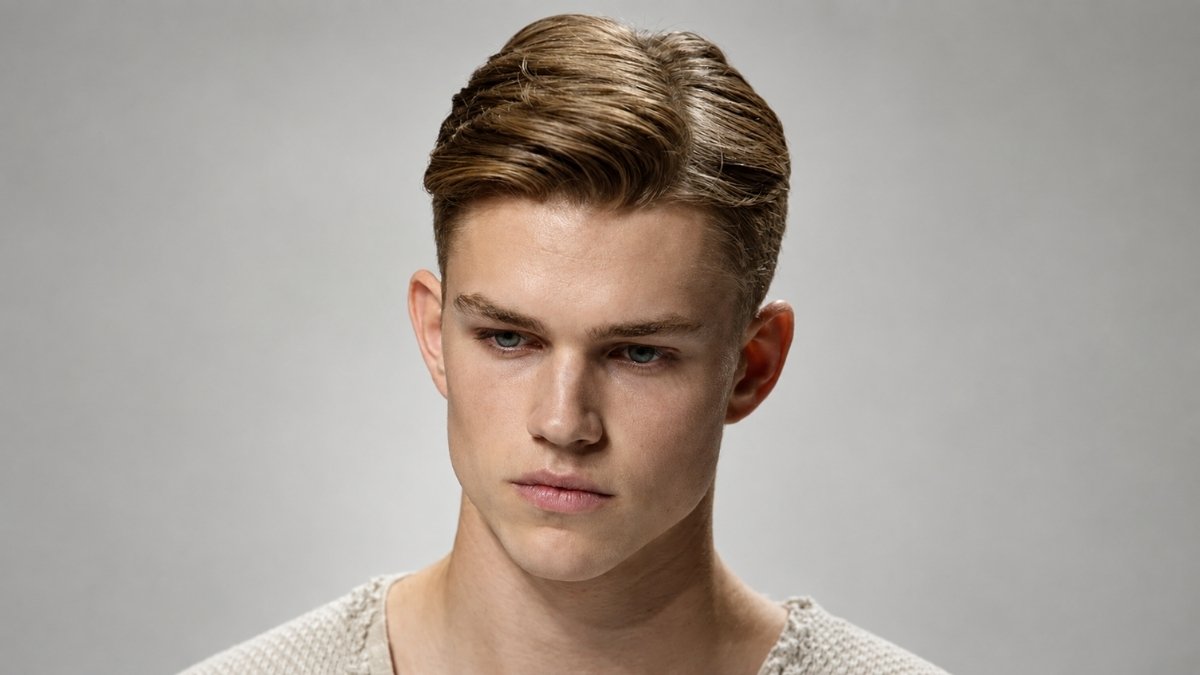
2A. Loose, gentle S-waves sitting close to straight, often only bending at the ends. Fine texture, loses volume quickly, and this is the one most commonly mistaken for straight hair. If you have always thought your hair was straight but slightly unruly, start here.
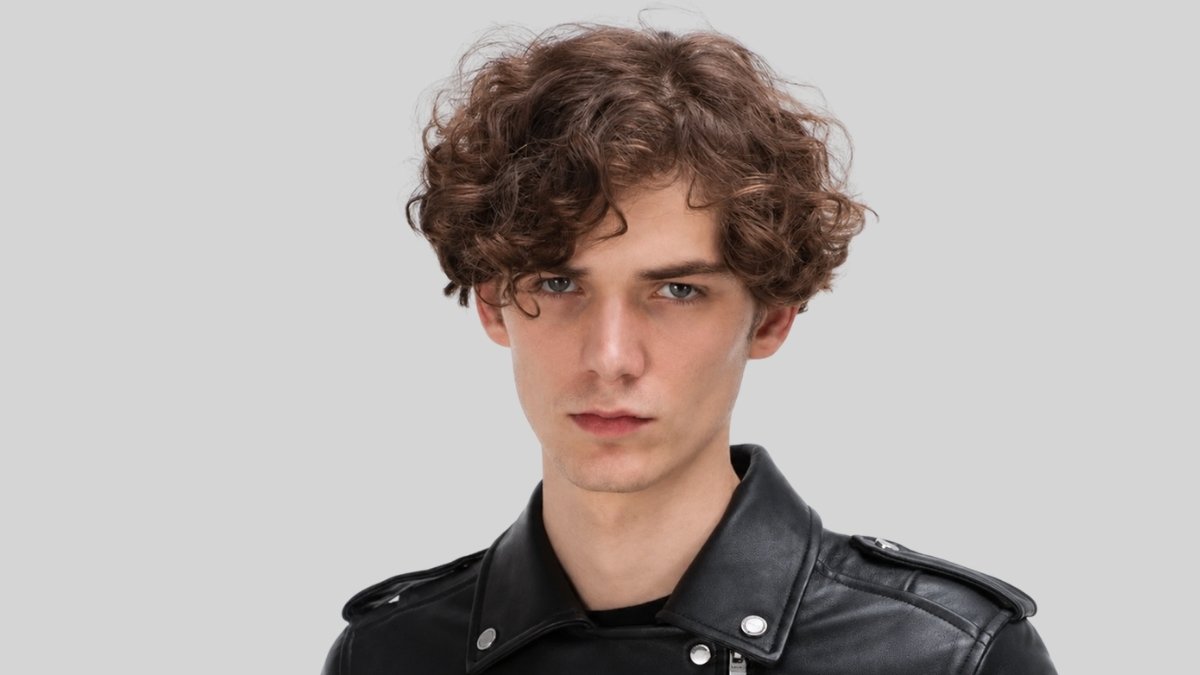
2B. Defined S-waves with visible volume from the mid-shaft down. The most common version among men. Crucially, the wave begins at the mid-lengths rather than the roots, so the crown lies relatively flat while the lengths wave. That is not a flaw in your hair; it is what 2B is.
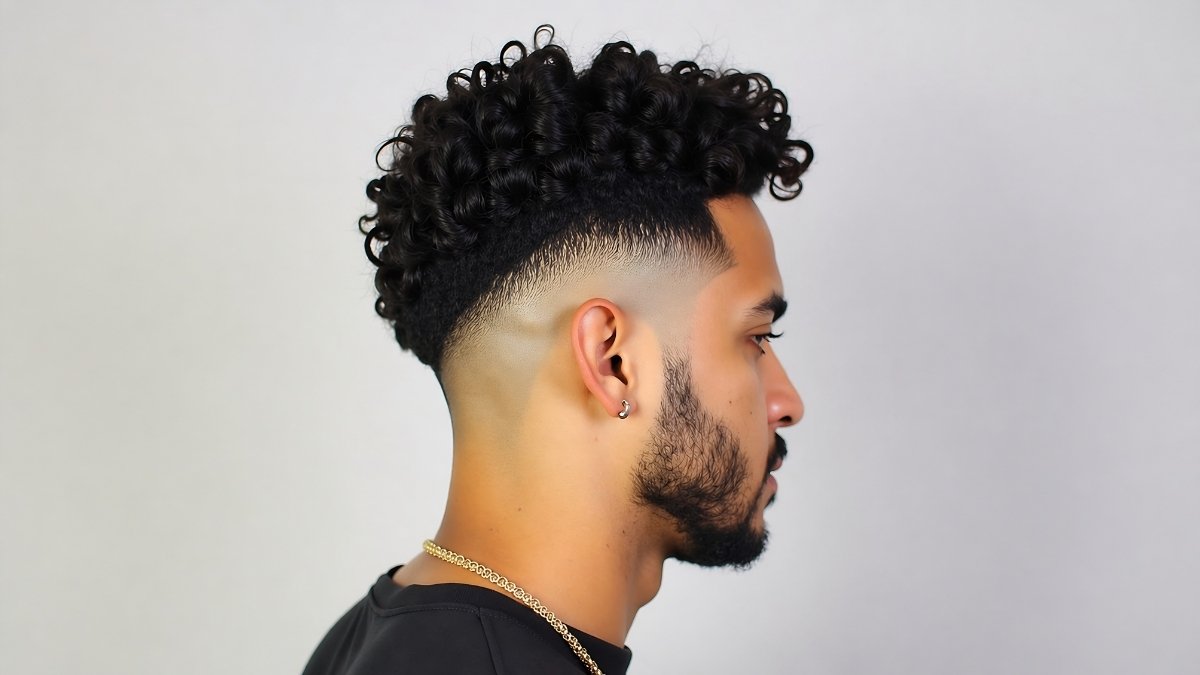
2C. Pronounced waves bordering on loose curls, often starting near the root. Coarse and thick, and frequently misread as curly hair once grown out.
The quick test: let it air-dry with no product and no brushing, and look at it. What you see is what you have.
Three Rules Before the Cuts
Products go on soaking-wet hair, not damp. This is the most specific and most ignored rule in wave care. Even slightly damp hair breaks the wave pattern and causes frizz. Straight out of the shower, water still running, then product.
Stop brushing it dry. Brushing breaks the wave clumps and creates exactly the undefined frizz that makes waves frustrating. Comb it wet, then leave it alone.
Go lighter on product than you think. 2A in particular looks greasy under anything heavy, and heavy creams on 2B produce flat, greasy waves rather than defined ones. Lightweight and water-based, and keep conditioner to the mid-lengths and ends rather than the roots.
If You Are 2A
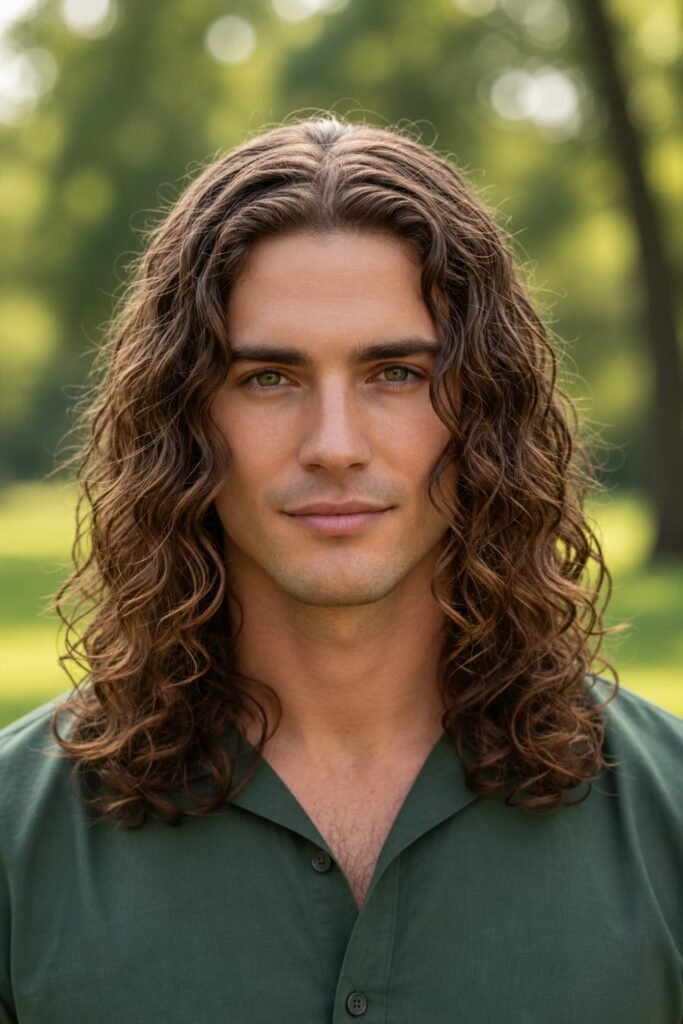
1. Slightly Longer Than You Have Been Wearing It
Length is what lets a loose wave appear at all. 2A often bends only at the ends, so a very short cut removes the section where your wave actually lives.
If you have never seen wave in your hair, this is the most likely reason. Two or three inches on top is usually enough for it to show.
The cheapest experiment available: grow it slightly and stop using whatever you currently put in it.
 Save
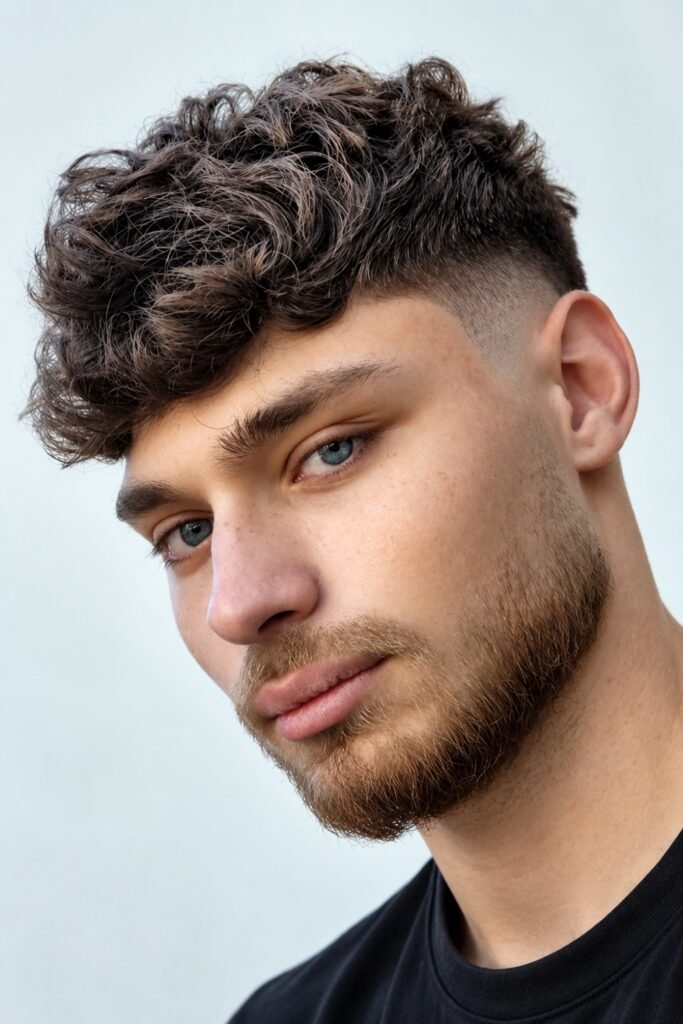
Save2. Textured Crop, Lightly Dressed
A short crop with texture on top, styled with a lightweight cream rather than anything with hold.
The 2A version of a standard crop. The distinction is entirely in the product: a light cream lets the bend show, while a heavy clay flattens it into the straight hair you thought you had.
A 2A man can genuinely use a lightweight cream and walk out the door. That is the whole routine.
 Save
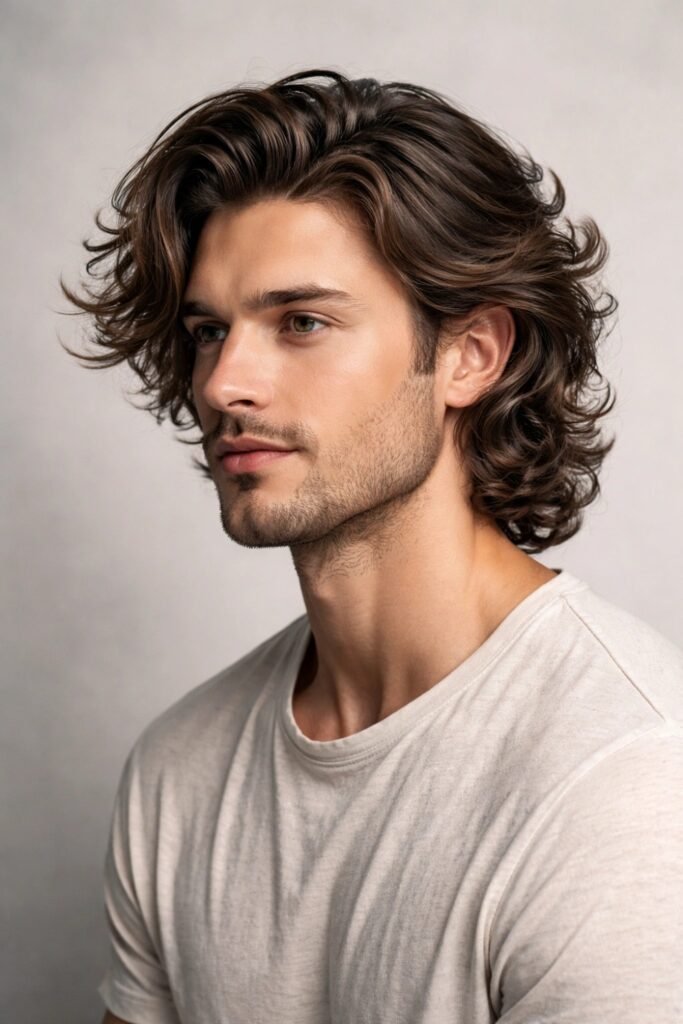
Save3. Mid-Length With the Wave Left Alone
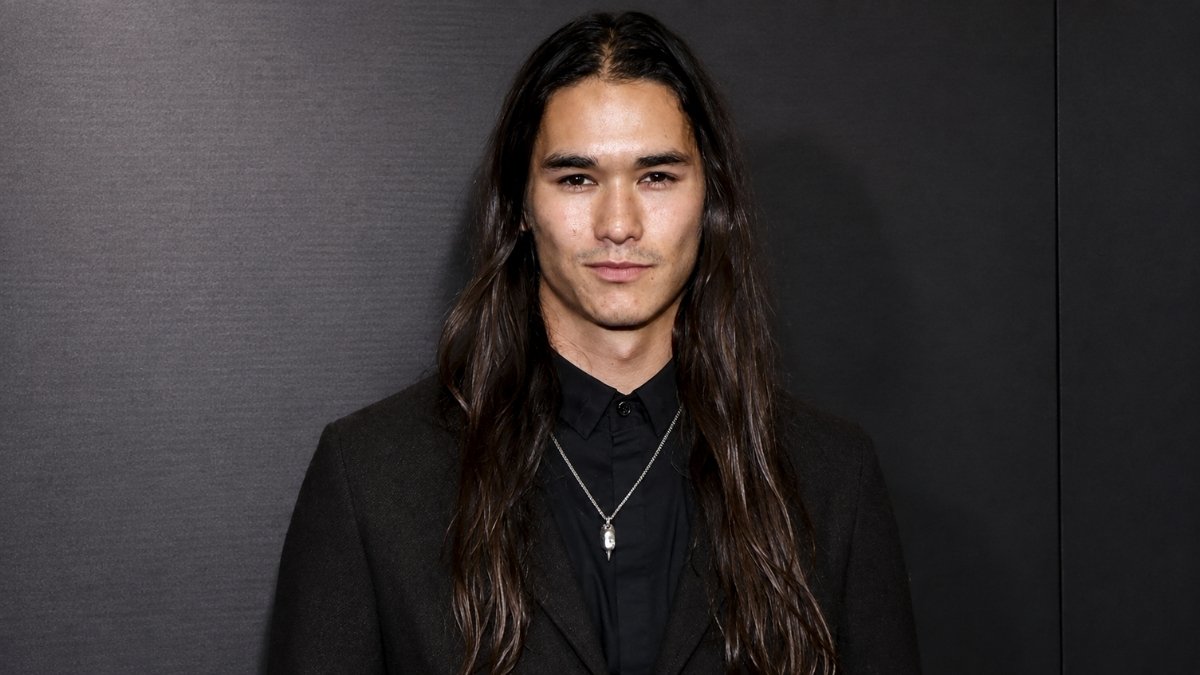
Enough length for the S to form, cut to fall naturally rather than styled into a shape.
This is where most 2A men discover they have wavy hair. It is also the least maintenance-heavy option, since the wave does the work that product would otherwise have to.
Air-dry it once without touching it before deciding whether you like it.
 Save
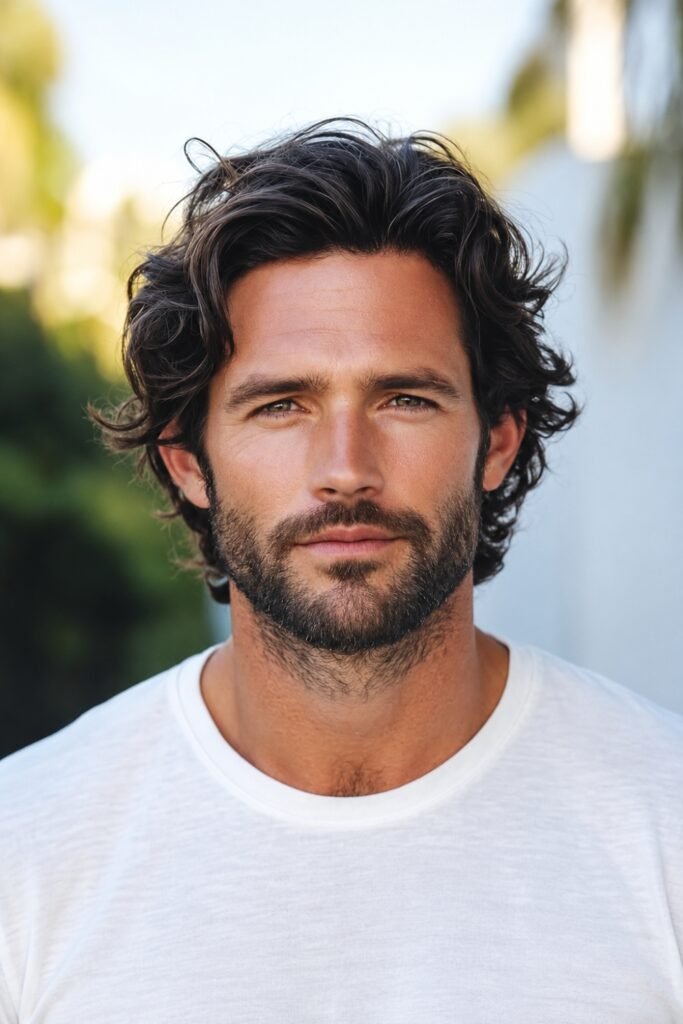
Save4. The Grow-It-Out Test
Not a cut so much as a decision: leave it for six to eight weeks, use nothing heavy, and see what appears.
Worth including as an entry because it is the honest first step for anyone unsure. You cannot choose a cut for a texture you have not seen.
If nothing happens, your hair is straight and the general summer haircut advice applies to you after all.
 Save
SaveIf You Are 2B
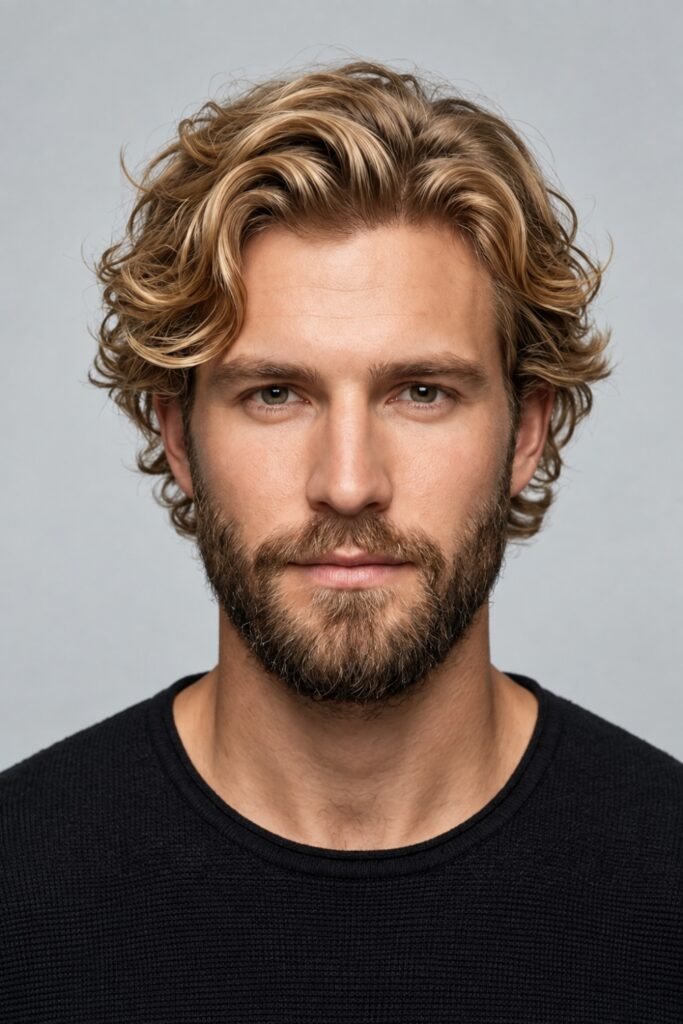
5. Layered Through the Mid-Lengths
Layers concentrated where the wave actually is, from the mid-shaft down, leaving the crown alone.
This is the cut that matches 2B’s structure. Since the S-wave begins at the mid-lengths, layering there gives the wave room to form, while layering the crown just removes weight from a section that is already flat.
Ask for the layers to start below the ear rather than throughout.
 Save
Save6. The Flat Crown Fix
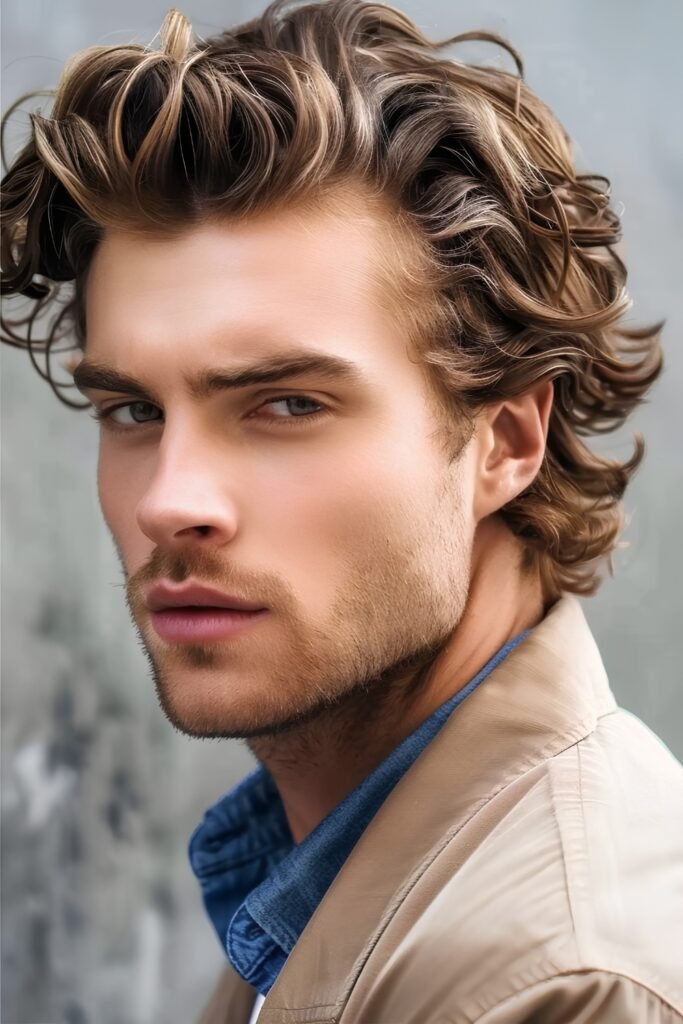
Any 2B cut with root lift built into the drying rather than the cutting.
Worth its own entry because the flat crown is the thing 2B men complain about most, and it is inherent to the type rather than a fault. The wave does not start at the root, so the root does not have volume.
The fix is drying with your head tilted or lifting at the root while it dries, not cutting the crown shorter, which usually makes it worse.
 Save
Save7. A Curtain Fringe
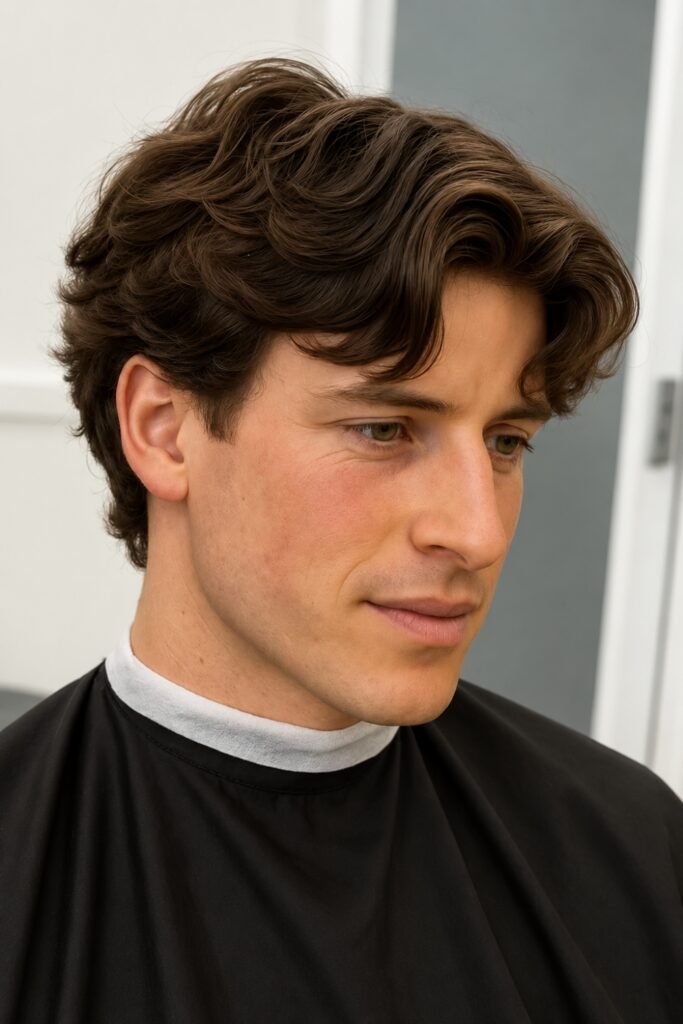
The front worn long enough to fall on either side of a centre or off-centre part.
Wavy hair suits a curtain fringe better than straight hair does, because the natural bend gives it shape without styling. It also puts your wave at the front where you can actually see it.
Requires enough length at the front to fall rather than stick out. Ask for it to be cut to sit where you want it dry rather than wet.
 Save
Save8. Longer With Movement
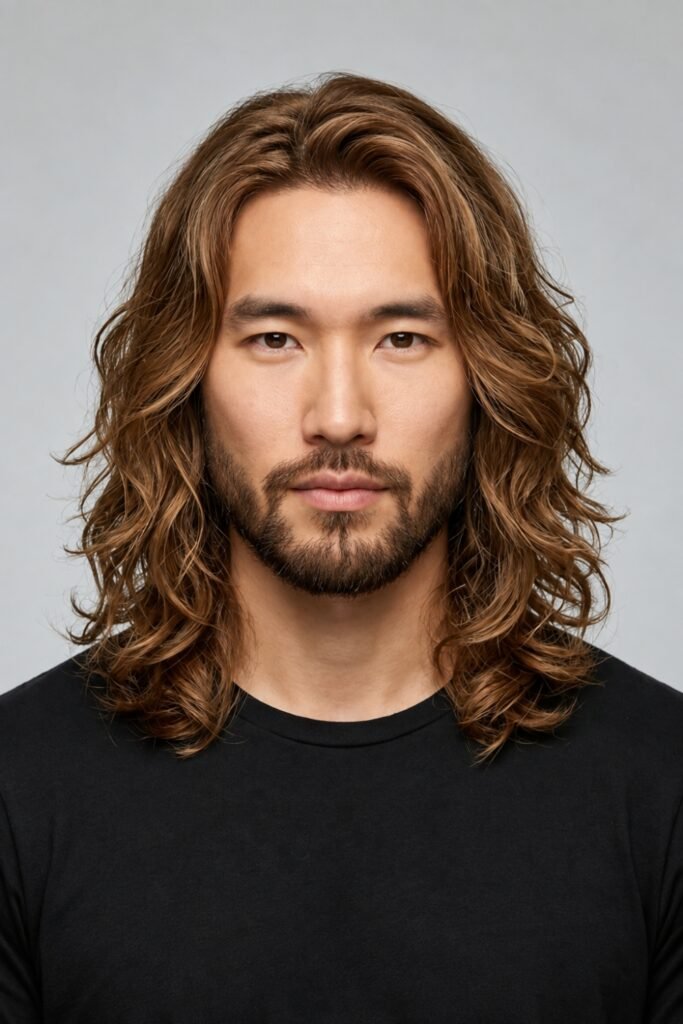
Genuine length, cut to move, with bulk removed while keeping structure.
Cuts that remove excess bulk while maintaining structure minimise frizz, which is the useful principle for anyone growing 2B out. Medium and long lengths also let the waves fully form, which shorter cuts prevent.
The trade is drying time and heat, which matters in August.
 Save
SaveIf You Are 2C
9. Cut Longer Than Your Target
The most specific and useful thing in this article, and it comes from measurement rather than opinion.
A texture specialist measured fifty male clients with confirmed 2C patterns and found that 2C hair shrinks by an average of twelve to eighteen percent once dry. Which means hair cut to your exact desired length while wet will jump shorter as it dries, and that is how men end up considerably shorter than they asked for.
The professional answer is to cut slightly longer than the target and refine once dry. Say this to your barber if he does not say it to you.
 Save
Save10. Point-Cut, Never Thinned
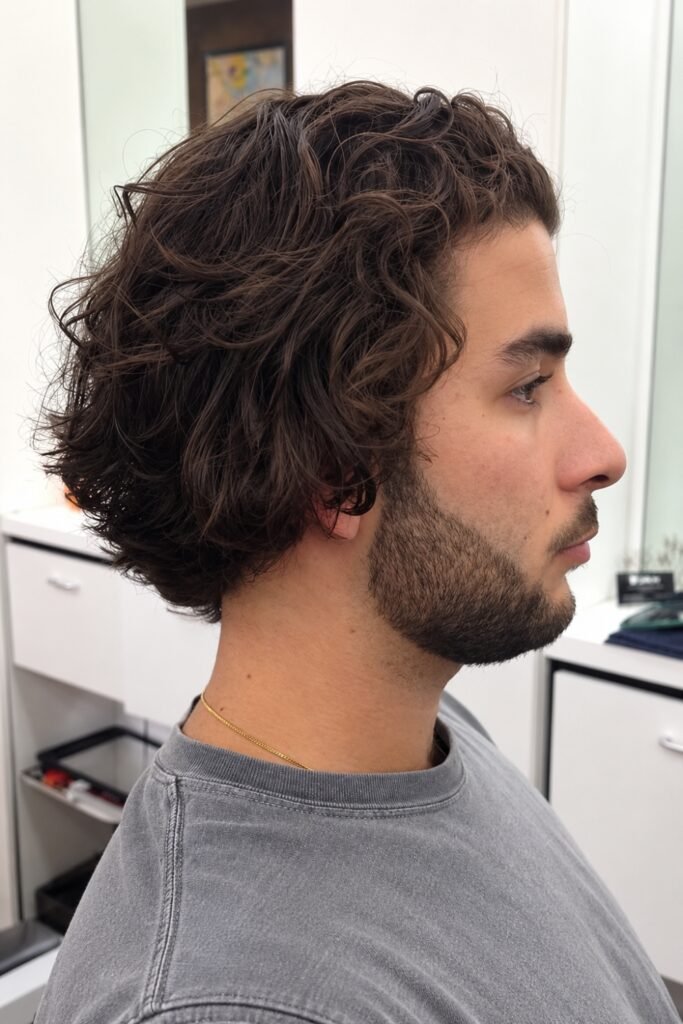
Shaped with straight shears and controlled point-cutting rather than thinning shears.
This matters and it contradicts common practice. Thinning shears on 2C create uneven short strands inside the wave clumps, and those strands pop out and cause frizz. You get a frizzier head, not a lighter one.
Say no to thinning shears explicitly. Many barbers reach for them by habit on anything thick.
 Save
Save11. Long Enough for the S to Form
Length that allows the full wave pattern rather than cutting into it.
2C waves are pronounced and often start near the root, which means they need room. A short 2C cut retains texture but loses the pattern that makes the hair worth having.
If your hair looks like a shapeless mass rather than defined S-waves, length and definition are more likely the answer than removal.
 Save
Save12. Shaped Rather Than Reduced
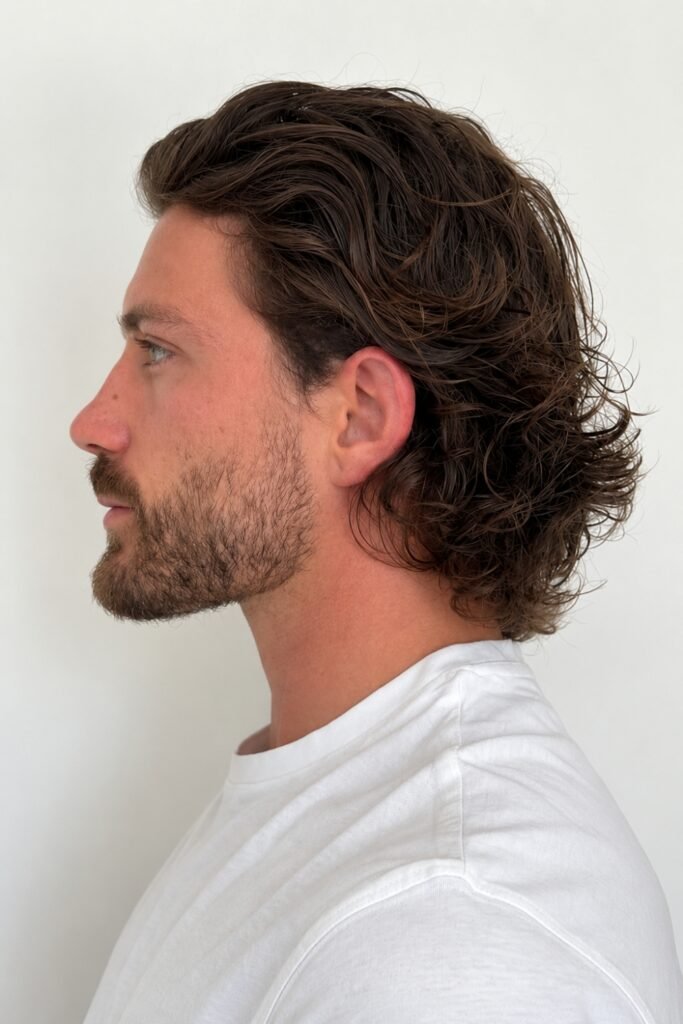
Weight controlled through shaping and layer placement rather than through bulk removal.
2C is thick as well as wavy, and the instinct is to take weight out. Shaping achieves the same silhouette without creating the short interior strands that cause frizz.
The distinction to communicate is shape versus thin. Those are different requests and they produce very different results.
 Save
SaveFour Summer Specifics
13. The Air-Dry Cut
Any of the above, cut on the assumption that you will not blow-dry it.
Air-drying is the gentlest option and the most sensible in summer, and it produces the best wave definition provided you do not touch it while it sets. High heat also loosens wave definition, which is an argument against drying it in the first place.
Comb wet, apply product, and then leave it entirely alone until dry. Touching it mid-set is what creates frizz.
 Save
Save14. The Swim-Friendly Wave
Shorter and well-defined, for anyone in and out of water regularly.
Wavy hair recovers from swimming better than curly hair does, since there is less pattern to disturb, but it needs rinsing and re-defining rather than being left to dry however it lands.
Carry a small amount of leave-in. Reapplying to wet hair after a swim is the same rule as the morning routine.
 Save
Save15. The Hat-Compatible Cut
Wave cut to be reset with water rather than styled into a fixed shape.
Hats flatten wave and it does not spring back the way curl does. The recovery method is water rather than fingers: dampen, reshape, let it dry again.
A small spray bottle is genuinely useful for this, and it costs almost nothing.
 Save
Save16. The Second-Day Wave
A cut that still works when refreshed rather than rewashed.
Wave holds better on the second day than the first, because a small amount of natural oil gives the clumps weight and grip. Rewashing daily works against that, and it strips the moisture the wave needs.
Refresh with water and a little product rather than starting again.
 Save
SaveFrizz, and What It Actually Is
Halo frizz, meaning the fuzz that sits above the wave, is caused by lifted cuticles rather than by damage or by unfixable hair. That is worth knowing because it is treatable rather than permanent.
Three things lift the cuticle: brushing dry, rough towel-drying, and moisture entering hair that is not already moisturised. All three are avoidable.
Pat with a microfibre towel or an old cotton t-shirt rather than rubbing. Rubbing is the fastest way to roughen the cuticle and it is entirely habitual.
And one summer-specific note: humectants attract moisture and increase volume in humid climates. That is useful if you want volume and unhelpful if you are already fighting expansion, so read the product accordingly.
Talking to Your Barber
Say which sub-type you are. 2A, 2B or 2C. Most barbers will not ask, and the cuts genuinely differ.
Ask for it to be cut dry, or at least ask how he handles wave. Many stylists prefer dry cutting for wavy hair specifically because waves shrink and bend differently once dry.
If you are 2C, mention the shrinkage. Cut longer than target, refine dry. It is a normal professional practice and any good texture barber will already know it.
Say no to thinning shears if your hair is 2B or 2C. Shape it, do not thin it.
Bring a photo of your hair air-dried, not styled. It tells a barber more about what he is working with than a reference image of somebody else’s head.
Common Questions
How do I know if I have wavy hair or straight hair?
Wash it, use nothing, do not brush it, and let it air-dry completely. Whatever appears is your actual pattern. A great many men who believe their hair is straight have loose 2A waves that have been flattened by years of heavy product, brushing dry and short cuts.
What is the difference between 2A, 2B and 2C?
2A is a loose gentle wave sitting close to straight, often bending only at the ends. 2B has defined S-waves starting at the mid-lengths, which is why the crown lies flatter, and it is the most common type among men. 2C has pronounced waves often starting near the root, coarse and thick, and it is frequently mistaken for curly hair.
Why is my hair frizzy in summer but wavy in winter?
Because they are the same thing. The wave pattern and frizz are two sides of one coin: on a dry day the wave is visible, and on a humid day the frizz is visible instead. The answer is definition rather than removal, meaning product applied to soaking-wet hair and no brushing once dry.
Why does my barber always cut it shorter than I asked?
If you are 2C, shrinkage. Measurements of fifty male 2C clients found the hair shrinks by an average of twelve to eighteen percent as it dries, so cutting to your target length while wet leaves you noticeably shorter once dry. Ask for it to be cut slightly longer and refined dry.
Should I use thinning shears on wavy hair?
No, particularly on 2C. Thinning shears create uneven short strands inside the wave clumps, which pop out and cause frizz. Straight shears with controlled point-cutting achieve the shape without that consequence.
Final Thoughts
Find out what you actually have before choosing a cut. Air-dry it once with nothing in it, look at what appears, and work from there.
Then apply product soaking wet, stop brushing it dry, and let it be. Most wavy hair problems are not cutting problems at all, and the summer version is simply your wave asking to be defined rather than flattened.