Eau de parfum, eau de toilette and eau de cologne can be the same scent in three different strengths. The difference is how much perfume oil is mixed into the alcohol and water base, which affects how strong the fragrance smells, how long it lasts and how much it costs.
Here’s how the main fragrance types compare and how to pick the right one.

Fragrance Concentrations at a Glance
| Type | Typical oil concentration | Typical wear time |
|---|---|---|
| Parfum (extrait de parfum) | About 20% to 30% | 6 to 8 hours or more |
| Eau de parfum (EDP) | About 15% to 20% | 4 to 6 hours or more |
| Eau de toilette (EDT) | About 5% to 15% | 3 to 4 hours |
| Eau de cologne (EDC) | About 2% to 4% | Up to 2 hours |
| Eau fraîche | About 1% to 3% | 1 to 2 hours |
These ranges are typical, not fixed rules. There’s no single legal standard, so brands set their own concentrations, and how long a scent lasts also depends on its ingredients and your skin.
What Is Eau de Parfum?
Eau de parfum (EDP) contains roughly 15% to 20% perfume oil. It’s one of the most popular concentrations because it balances strength, longevity and price. An EDP usually lasts through a workday and projects more than an eau de toilette, but it’s lighter and usually more affordable than pure parfum.
What Is Eau de Toilette?
Eau de toilette (EDT) is lighter, with about 5% to 15% perfume oil. It often feels fresher and brighter, which makes it popular for daytime, warm weather and the office. You may need to reapply during the day.
What Is Eau de Cologne?
Eau de cologne (EDC) is the lightest common type, with about 2% to 4% perfume oil. The name comes from Cologne, Germany, where Italian perfumer Johann Maria Farina created his famous “Eau de Cologne” in the early 1700s. The original colognes were fresh citrus blends, and many still are. Today, “cologne” is also used loosely to mean men’s fragrance, but technically it describes the concentration, not the gender.
What Is Parfum?
Parfum, also called extrait de parfum or pure perfume, has the highest concentration, usually about 20% to 30%. It lasts the longest and sits closer to the skin, and it’s usually the most expensive version of a scent.
How Fragrance Notes Work
Every fragrance unfolds in layers, often described as a pyramid:
- Top notes are what you smell first, often citrus or light herbs. They fade within minutes.
- Heart (middle) notes appear as the top notes fade, often florals and spices.
- Base notes last longest and give depth, such as woods, amber, vanilla and musk.
The same fragrance can smell slightly different as an EDP and an EDT, because brands sometimes adjust the formula, not just the strength.
Which One Should You Choose?
- Choose eau de parfum if you want a scent that lasts most of the day with fewer reapplications, or for evenings and cooler weather.
- Choose eau de toilette for a lighter, fresher feel, for daytime, the office or hot weather.
- Choose eau de cologne or eau fraîche for a quick, refreshing spritz, after the gym or on a beach day.
- Choose parfum if you want maximum longevity and a more intimate, skin-close scent.
How to Make Your Fragrance Last Longer
- Apply to moisturized skin. Fragrance holds better on hydrated skin, so apply after an unscented lotion.
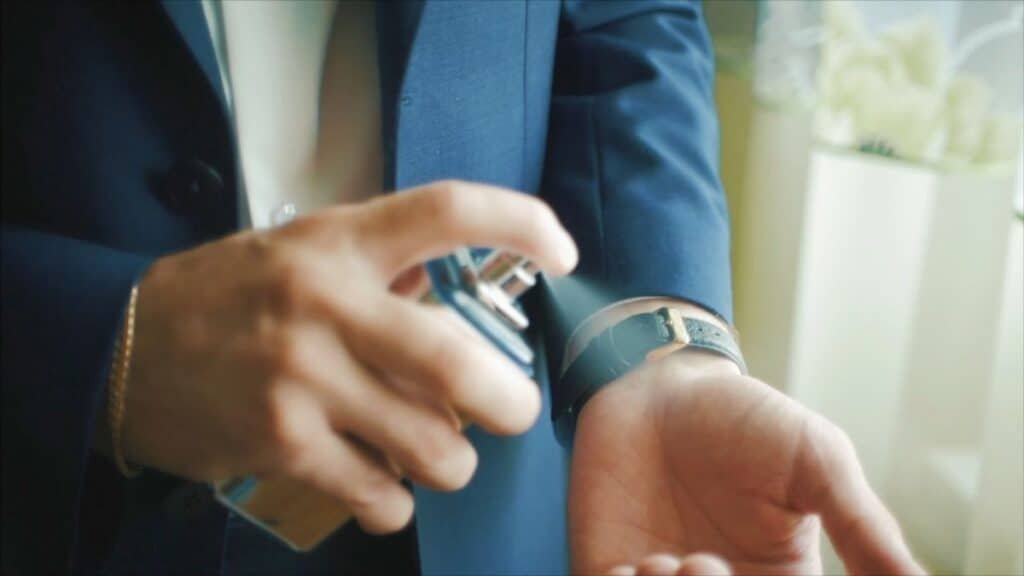
- Spray pulse points such as the wrists, sides of the neck, inner elbows and behind the knees.
- Don’t rub your wrists together. It can make the top notes fade faster.
- Store bottles well. Keep them away from heat, sunlight and humidity, so not on a bathroom windowsill.
Is Eau de Parfum for Men or Women?
Either. Fragrance has no gender, and many popular scents are marketed as unisex. Wear whatever you enjoy, whether it’s labeled masculine, feminine or neither.
Why Does Eau de Parfum Cost More Than Eau de Toilette?
An EDP contains more perfume oil, which is the most expensive part of a fragrance, so it usually costs more than the EDT version of the same scent. Because you need fewer sprays and reapply less often, it can still be good value.
Final Thoughts
The main difference between eau de parfum, eau de toilette and eau de cologne is concentration. Higher concentrations last longer and cost more, while lighter ones feel fresher and suit warm days. When you try a new scent, wear it on your skin for a few hours before buying, since the dry-down is what you’ll smell most of the day. For more beauty advice, see our beauty tips.