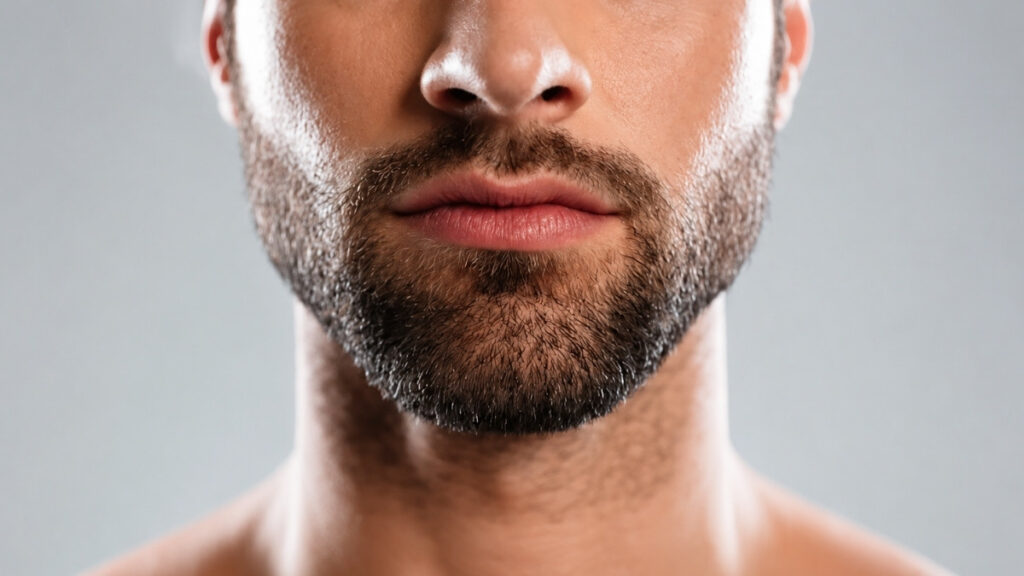
Uneven or patchy beard growth is a common concern for many men. Sometimes the beard grows thick in certain areas while other spots remain thin or empty. This can feel frustrating, especially when you are trying to grow a fuller beard.
Several factors can influence how evenly facial hair grows. Genetics plays a major role, but hormones, age, skin health, and daily habits can also affect beard density. The good news is that you don’t always need drastic solutions.
With the right grooming habits and proper nutrition, it is possible to make uneven beard growth look much fuller and healthier. The remedies below can help support better beard growth while improving the overall appearance of patchy areas.
Why Beard Growth Becomes Uneven
- Genetics largely determine how your facial hair grows, so some areas may naturally stay thinner than others.
- Hormone levels, especially testosterone and DHT, directly affect beard thickness and growth consistency.
- Age plays a role, as many men experience fuller beard growth only after their mid-20s.
- Poor nutrition can slow hair growth by depriving follicles of essential vitamins and proteins.
- High stress levels and lack of sleep can disrupt normal hair growth cycles, leading to uneven patches.
5 Remedies To Fix Uneven Beard Growth
1. Let Your Beard Grow Out
Patience often fixes more beard problems than people expect. When facial hair is kept too short, thinner areas stand out much more.
Letting your beard grow for three to four weeks allows surrounding hair to spread and soften those gaps. The extra length blends patchy zones naturally. Avoid constant trimming during this phase. Simply clean the edges and allow the rest to develop evenly.
 Save
2. Maintain A Healthy Diet
Facial hair responds to what your body receives daily. A balanced diet rich in protein, vitamins, and healthy fats supports stronger hair follicles.
Foods like eggs, fish, nuts, leafy greens, and dairy provide nutrients that help hair grow thicker. Hydration matters too. When your body is well nourished, your beard tends to grow healthier, shinier, and far more consistent over time.
 Save
3. Improve Your Skincare Routine
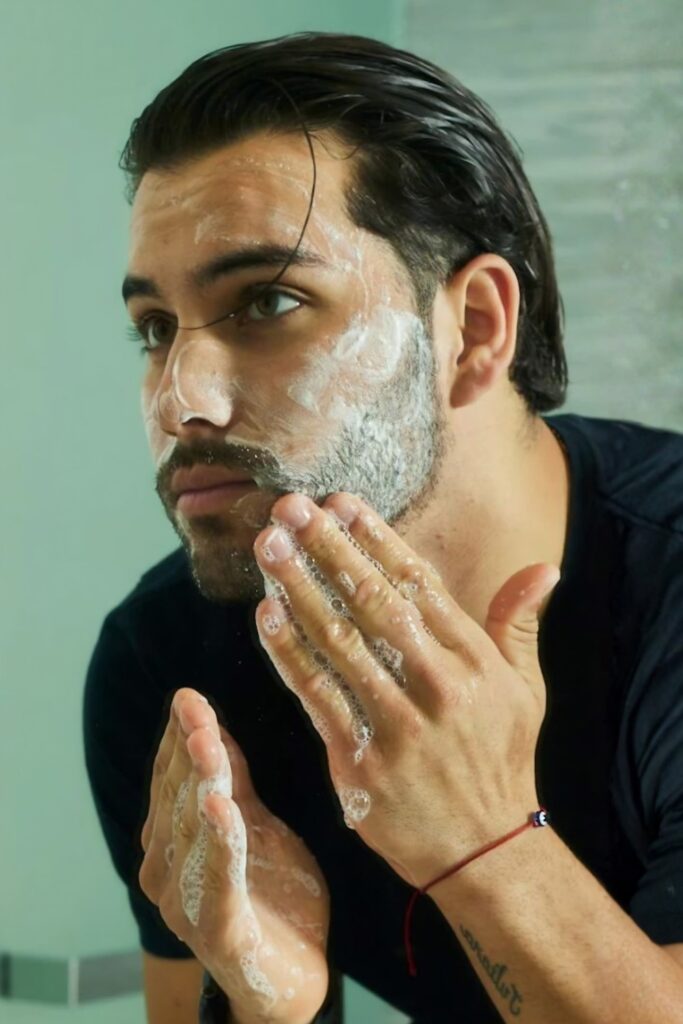
Healthy skin creates a better environment for beard growth. Dirt, oil buildup, and dead skin cells can block follicles and slow development. Washing your face regularly keeps pores clear and refreshed.
Gentle exfoliation once or twice a week helps stimulate circulation under the skin. This small habit encourages healthier hair growth and can gradually improve the appearance of uneven areas.
 Save
4. Brush And Groom Your Beard
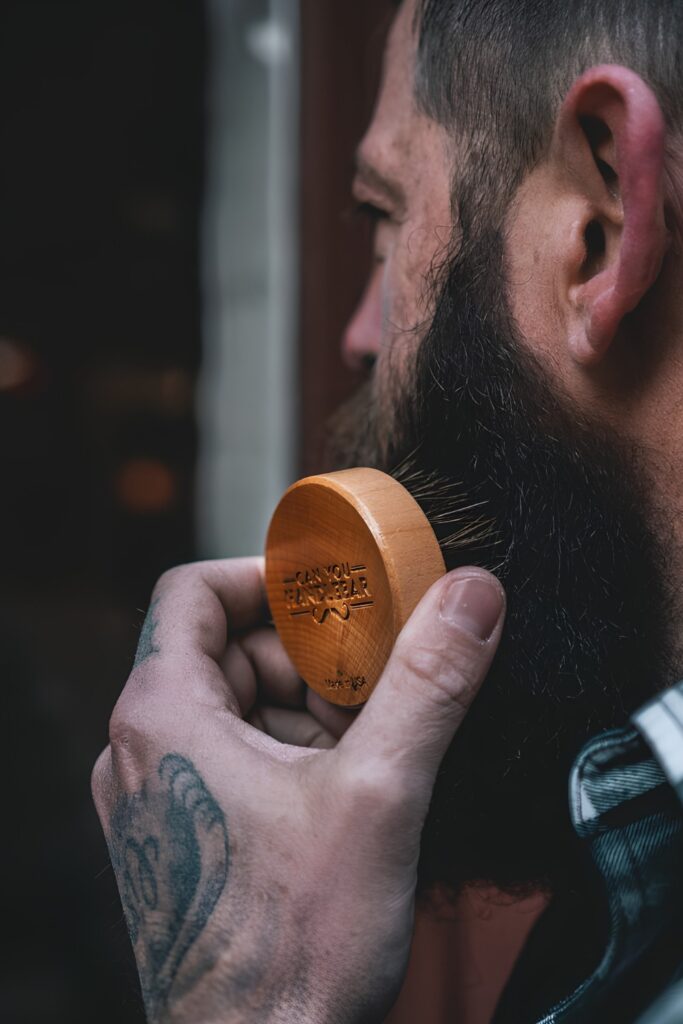
Daily grooming can make a noticeable difference in how your beard looks. A beard brush spreads natural oils from the skin through the hair, giving it a softer and more even appearance.
Brushing also trains hairs to grow in a consistent direction. Over time, this simple routine helps patchy sections blend more naturally with the rest of your beard.
 Save
5. Choose A Beard Style That Works
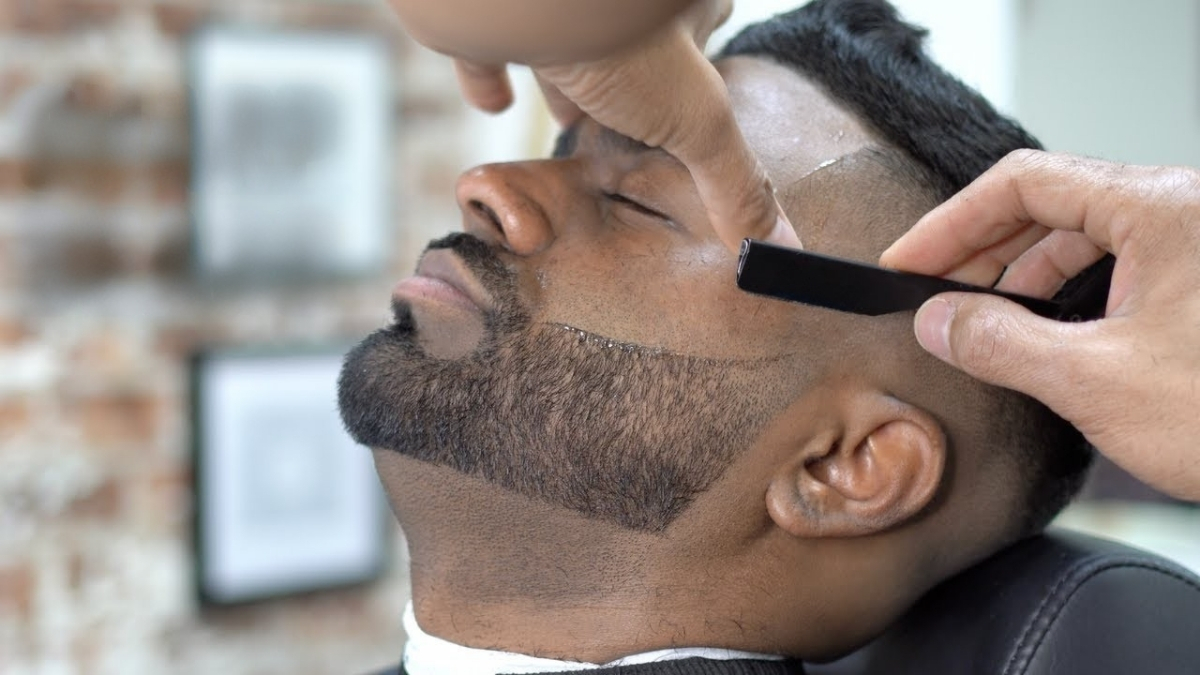
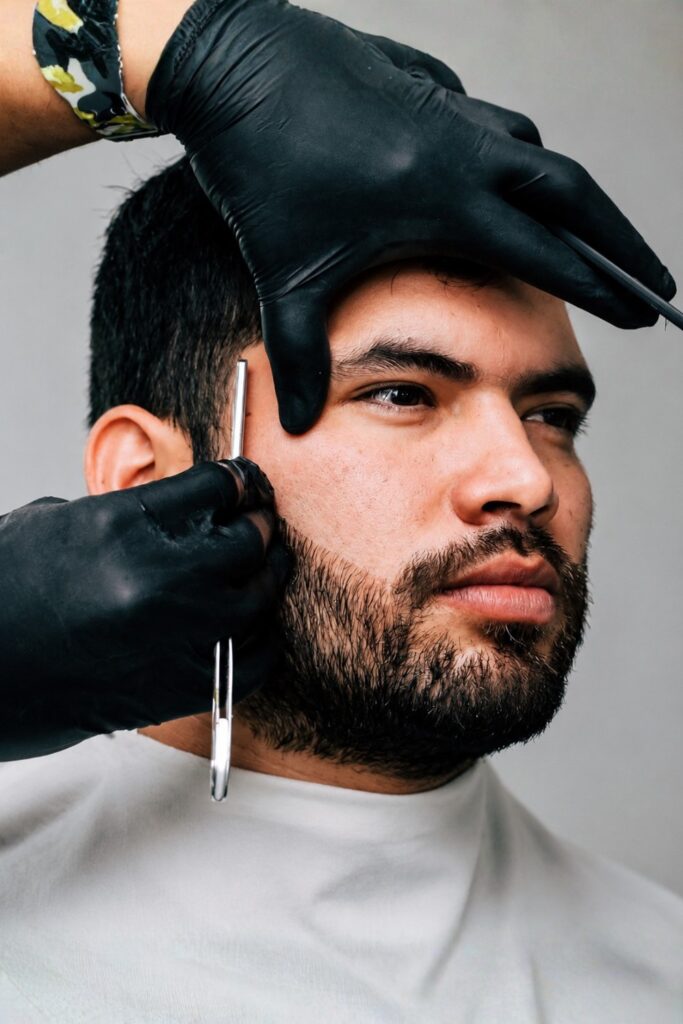
Not every beard needs to be thick and full to look good. Some styles are designed to work with uneven growth patterns. A goatee, chin strap, or short stubble keeps attention on areas where hair grows stronger.
Strategic trimming shapes the beard so patches become far less obvious. With the right style, your facial hair can still look intentional and well put together.
 Save
Conclusion
Uneven beard growth is normal and usually improves with time. With proper grooming, a healthy diet, good skincare, and regular trimming, patchy areas can look less noticeable. Choosing the right beard style also helps create a fuller appearance. Consistency and patience are key to achieving a clean, confident, and well-maintained beard look.
For more ideas, see our beard styles for young men that are trending, bandholz beard styles that prove the long beard has grown up and christmas beard ideas that look great.
Frequently Asked Questions
1. Why does my beard grow unevenly?
Uneven beard growth usually happens due to genetics, hormone levels, age, and lifestyle factors like poor diet, stress, and lack of proper grooming habits.
2. Can uneven beard growth be fixed naturally?
Yes, improving diet, maintaining good skincare, regular brushing, and allowing growth time can naturally improve beard thickness and reduce patchy appearance over time.
3. How long should I grow my beard to fix patchiness?
Growing your beard for at least three to four weeks helps hair fill in sparse areas, making patchy sections look more blended and fuller.
4. Does diet really affect beard growth?
Yes, a nutrient-rich diet with protein, vitamins, and healthy fats supports stronger follicles, helping improve beard density, growth speed, and overall hair quality.
5. What beard style is best for patchy growth?
Styles like goatee, chin strap, or short stubble work best for patchy beards because they focus on stronger growth areas and reduce visible gaps.