The useful thing to understand about suit-based costumes is that the suit is not the costume.
A dark suit plus a few props is all that separates you from a room full of rented polyester. But it is the props doing the identifying work, not the tailoring. Nobody recognises Sherlock Holmes from a coat; they recognise him from a deerstalker and a magnifying glass. The suit only makes it look deliberate rather than thrown together.
That reframes the whole exercise. You are not shopping for a costume. You are shopping for a hat, a pair of glasses, and one prop, and you probably already own the rest.
The Two Rules
Two or three props, chosen for recognisability. More than three and you are carrying things around all night. Fewer than two and you are a man in a suit. The right two are the ones that identify the character instantly and require no explanation.
Commit to the grooming. Slicked-back hair, or a specific parting, or a moustache does more for a period costume than any garment. It is also free, and it is the difference between wearing a costume and looking like you dressed for it.
One practical note before the list. If you are attending a work event or somewhere a full costume would be awkward, the entries built on a suit you already own are the ones that let you leave and still be dressed appropriately.
Classic and Period
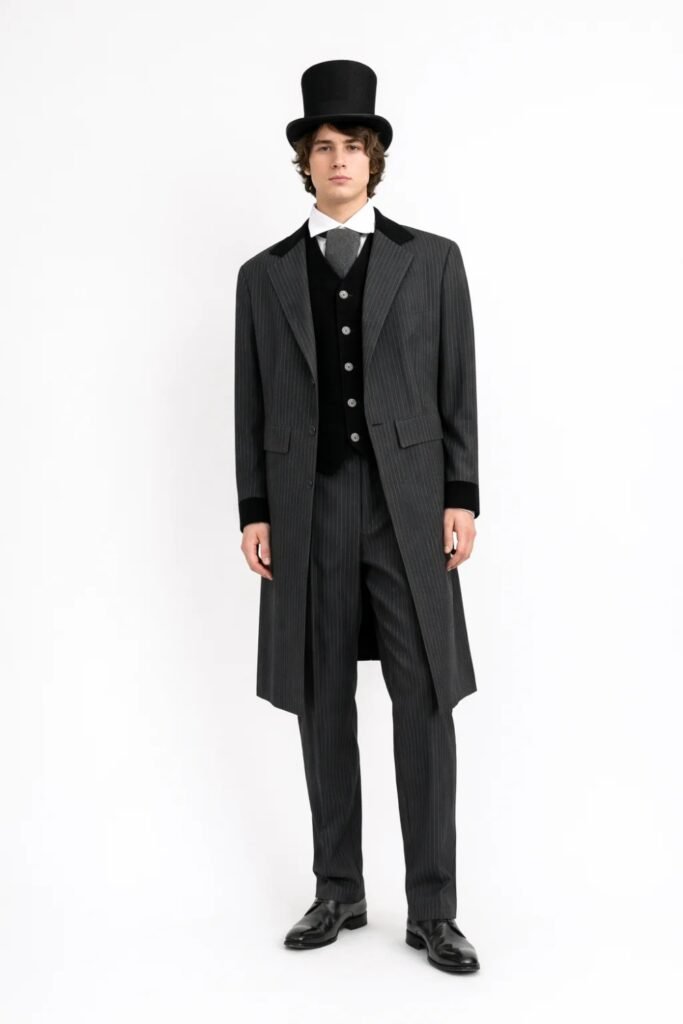
1. The Victorian Gentleman
Plain tailcoat, white dress shirt, waistcoat, cravat, and a top hat.
The foundational version and the base that several other entries build on. Button boots complete it properly if you have them, though ordinary black leather shoes pass without comment.
The top hat is doing the entire job. Everything else is a formal suit, and without the hat that is exactly what people will see.
 Save
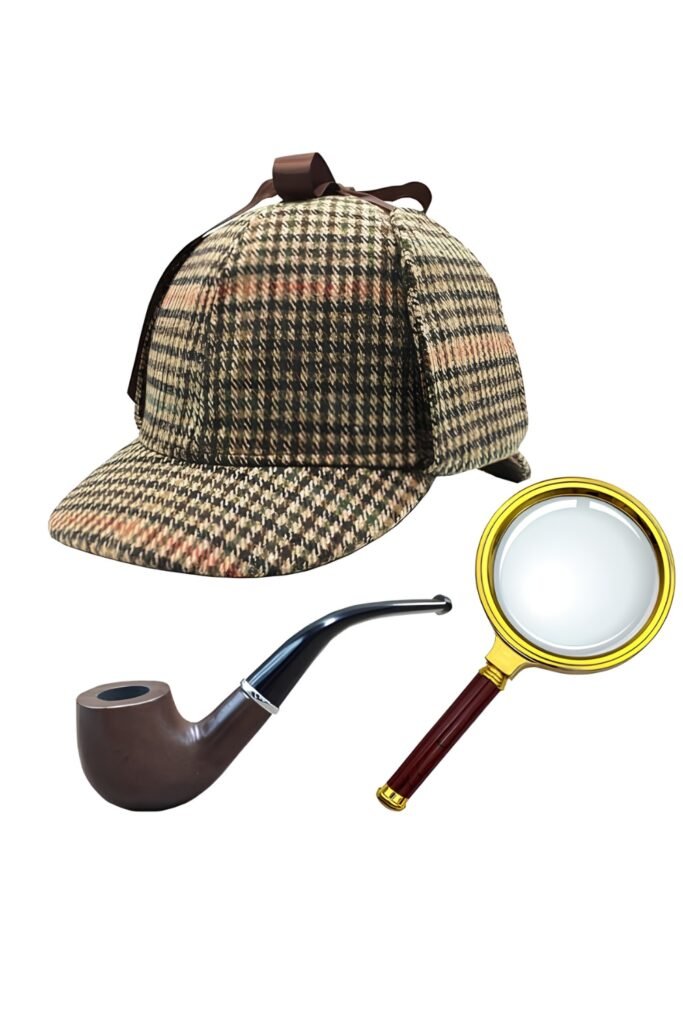
Save2. Sherlock Holmes
Tan trench coat over a suit, with a deerstalker hat, a magnifying glass and a pipe.
The cleanest example of the props principle in the whole article. Three items, universally recognised, and no bespoke garment required.
The deerstalker is non-negotiable. The trench and the suit could belong to anyone.
 Save
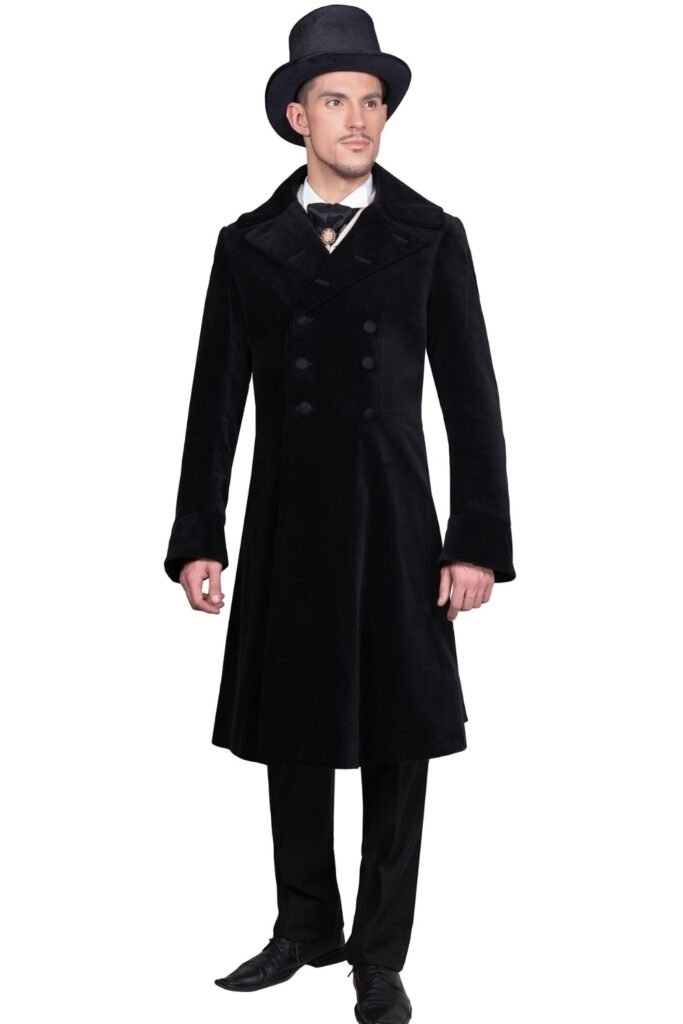
Save3. Abraham Lincoln
The Victorian base with a black frock coat and a tall stovepipe hat.
Distinguished from entry one by the hat height and the coat length, which is a genuinely small change producing a completely different read. The beard, if you have one or can fake it convincingly, does the rest.
Best on taller men, for obvious reasons.
 Save
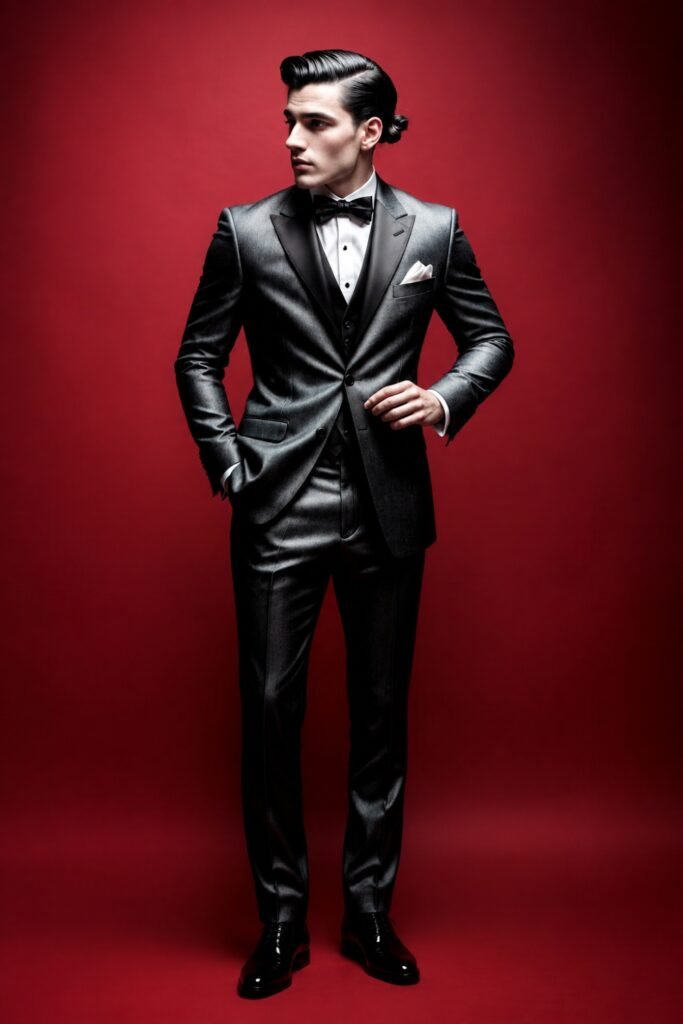
Save4. The Great Gatsby
A three-piece suit in dark grey or navy, or a tuxedo, with a waistcoat, bow tie and pocket square.
The most elegant option here and one where the suit genuinely does more of the work than usual. Add a pocket watch or a cane for period detail, and Oxfords or brogues rather than modern shoes.
Slick the hair back. That single grooming choice moves the whole look from “man in a nice suit” to 1920s, and it costs nothing.
 Save
Save5. The 1920s Gangster
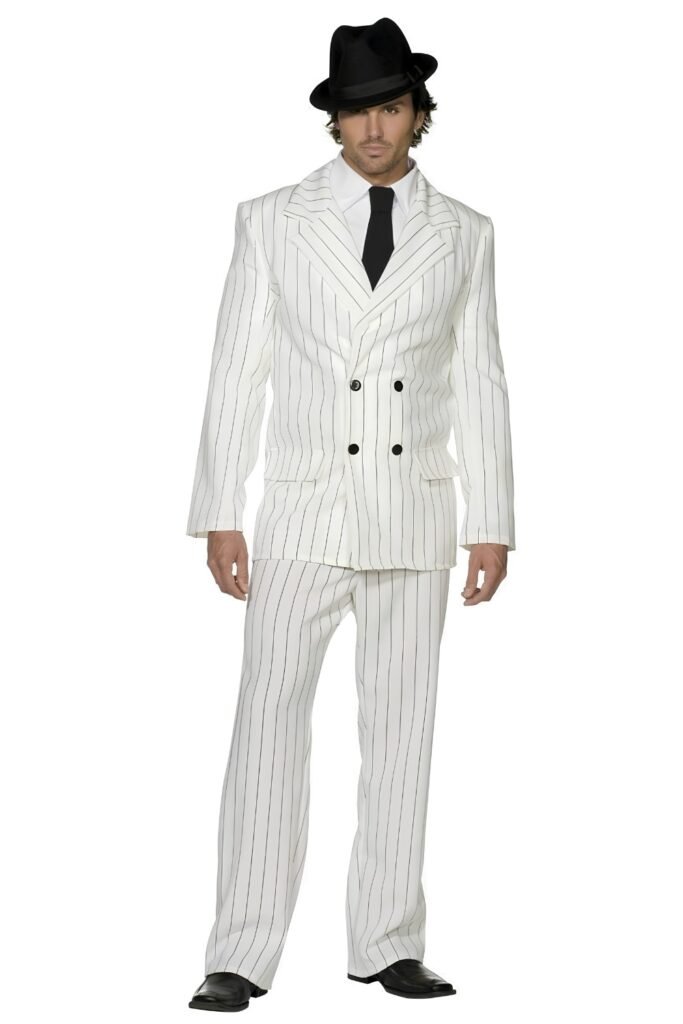
A pinstripe or white suit with a fedora, and a violin case if you want to be unambiguous about it.
A costume-shop staple and popular for a reason: it reads instantly and it is comfortable to wear all evening.
The white version is more striking and less common than the pinstripe, which most people default to.
 Save
Save6. Dickensian Gentleman
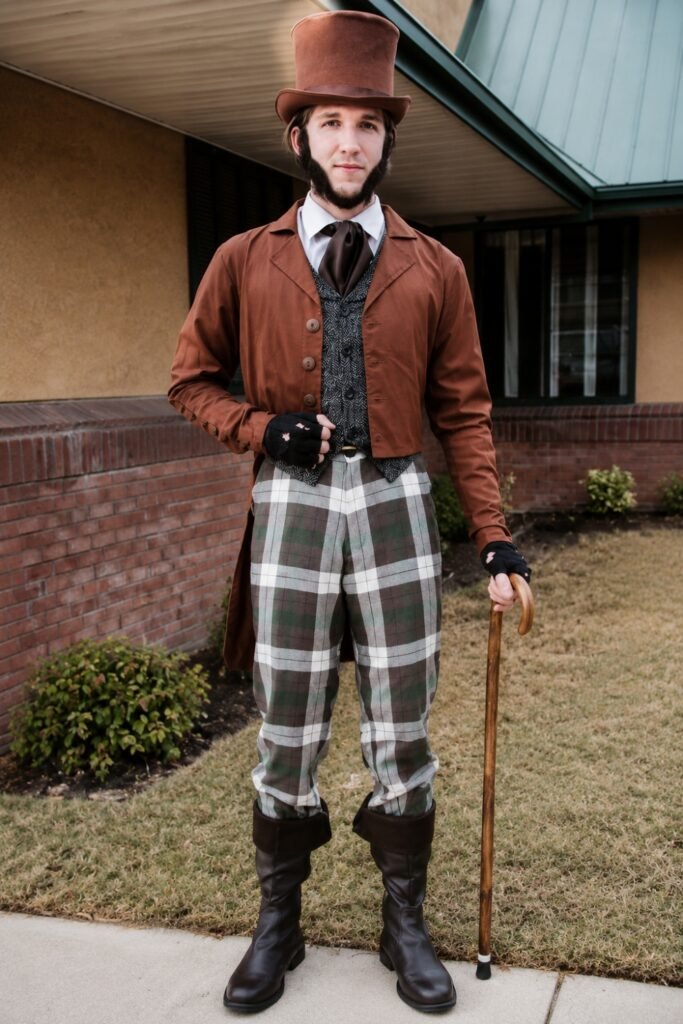
Colourful plaid suit, mismatched waistcoat and accessories, in the style of Dickens-era dress.
More characterful than the plain Victorian version, and the mismatching is period-accurate rather than a mistake. It is also the entry most likely to use a suit you would not otherwise wear.
Good for anyone who owns something loud and has been waiting for an occasion.
 Save
Save7. Rhett Butler
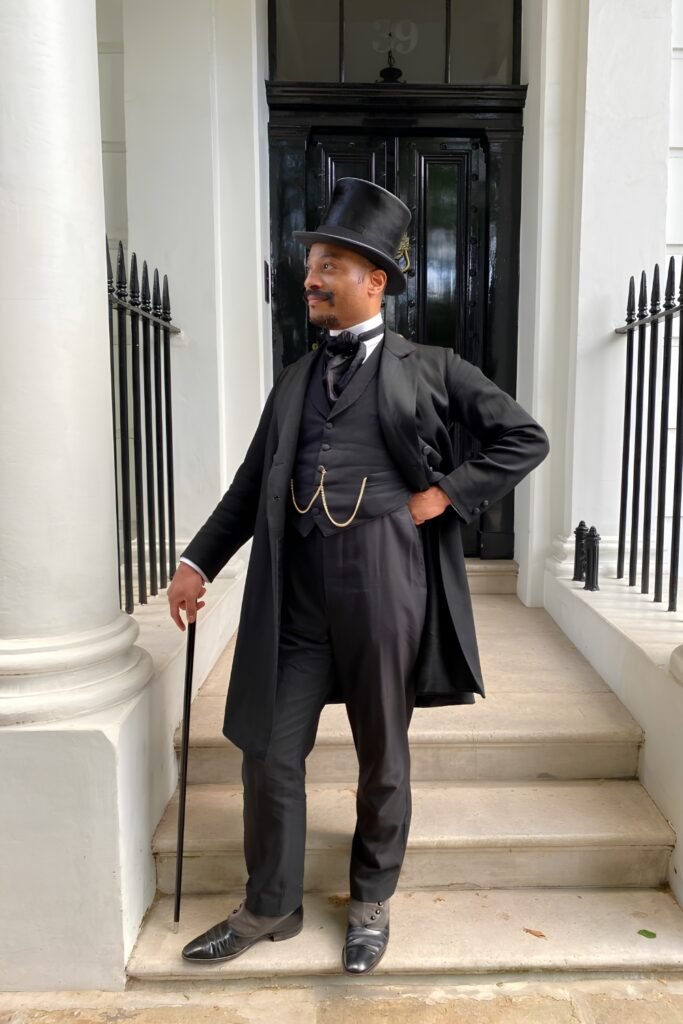
A morning suit with a gambler hat.
Civil War era, unmistakably dapper, and one of the few options that reads as a specific person without requiring a wig or prosthetics.
Works well as half of a couples costume, if that is relevant.
 Save
SaveThe Sinister End
8. Dr Jekyll and Mr Hyde
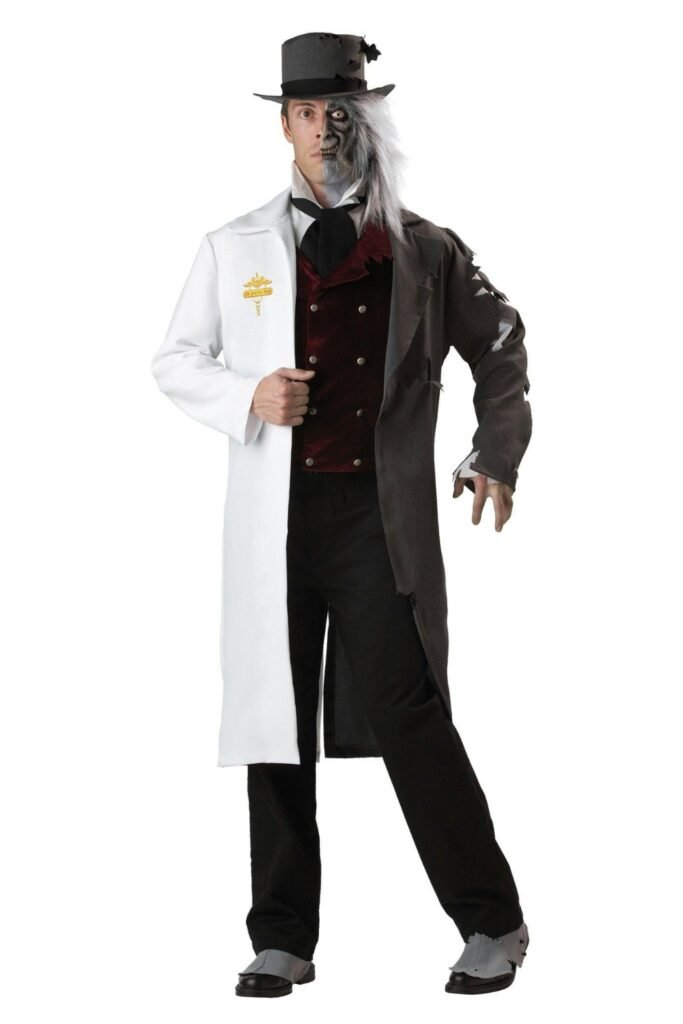
Victorian formal dress with a sinister lab coat over the top.
The two-in-one costume. Coat off, you are a Victorian gentleman; coat on, you are the other one. Nobody else at the party has a costume with a second act.
Dishevel the hair for the Hyde half. The transformation should be visible from across a room.
 Save
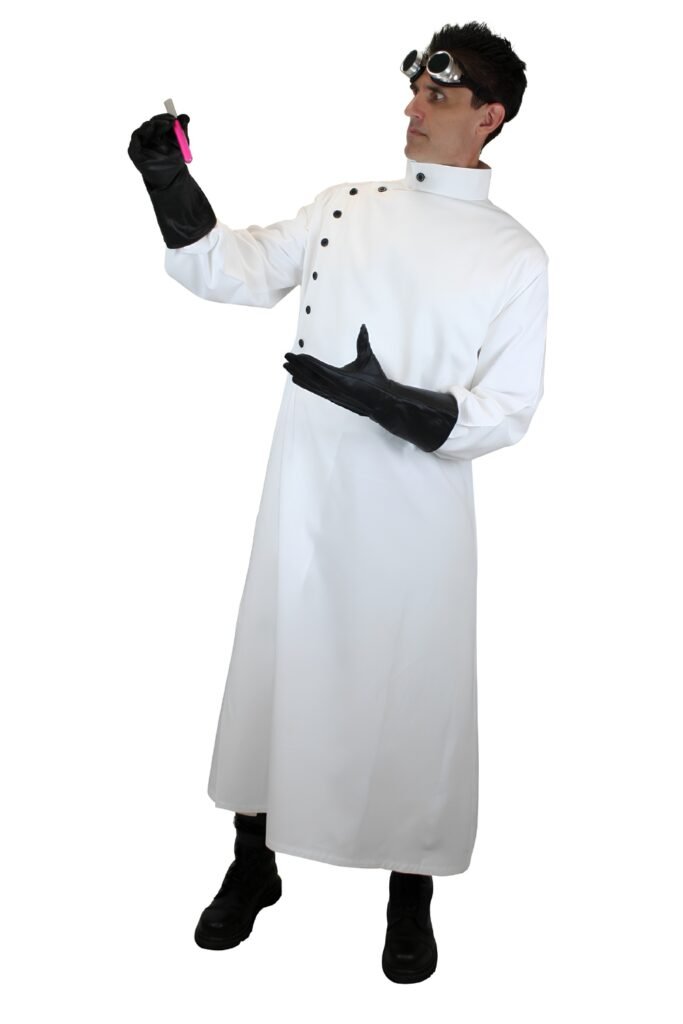
Save9. The Mad Scientist
A long white lab coat over a suit, with black gauntlet gloves and goggles.
Comfortable, warm, and requires no tailoring at all beyond whatever is underneath. The goggles are the identifying item.
The most forgiving option here for anyone who wants to be recognisably in costume without wearing something restrictive.
 Save
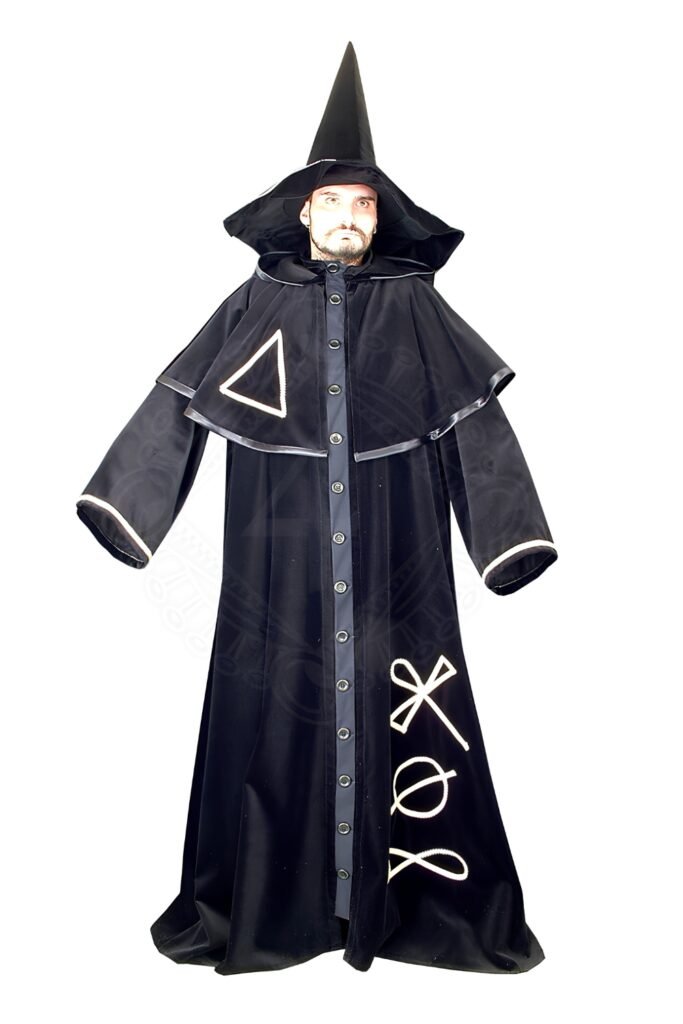
Save10. The Warlock
A cape and pointed hat over Victorian or formal clothing.
Deliberately included because it is rarely seen, which is most of its appeal. A male witch is an obvious costume that almost nobody does.
Also the entry with the lowest prop cost, since a cape and a hat is the entire requirement.
 Save
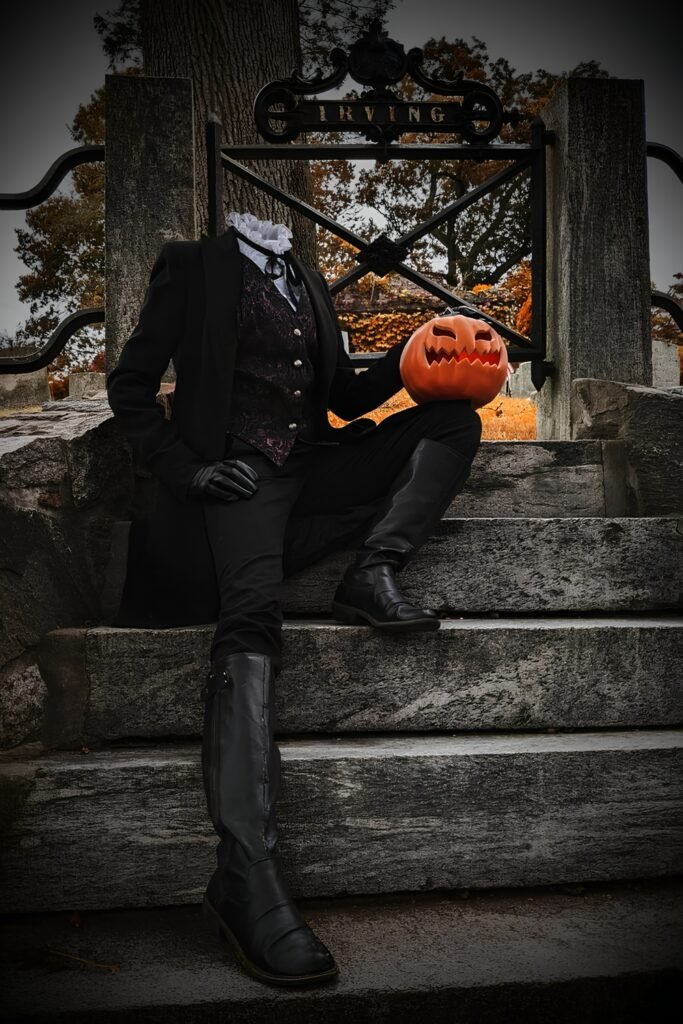
Save11. The Headless Horseman
All black formal dress, with the head concealed and a jack-o’-lantern carried under one arm.
The most theatrical option and the one that requires actual construction, usually a shoulder frame under a raised collar.
Worth the effort if you enjoy the making. Genuinely difficult to eat, drink, or see in, so consider the evening ahead.
 Save
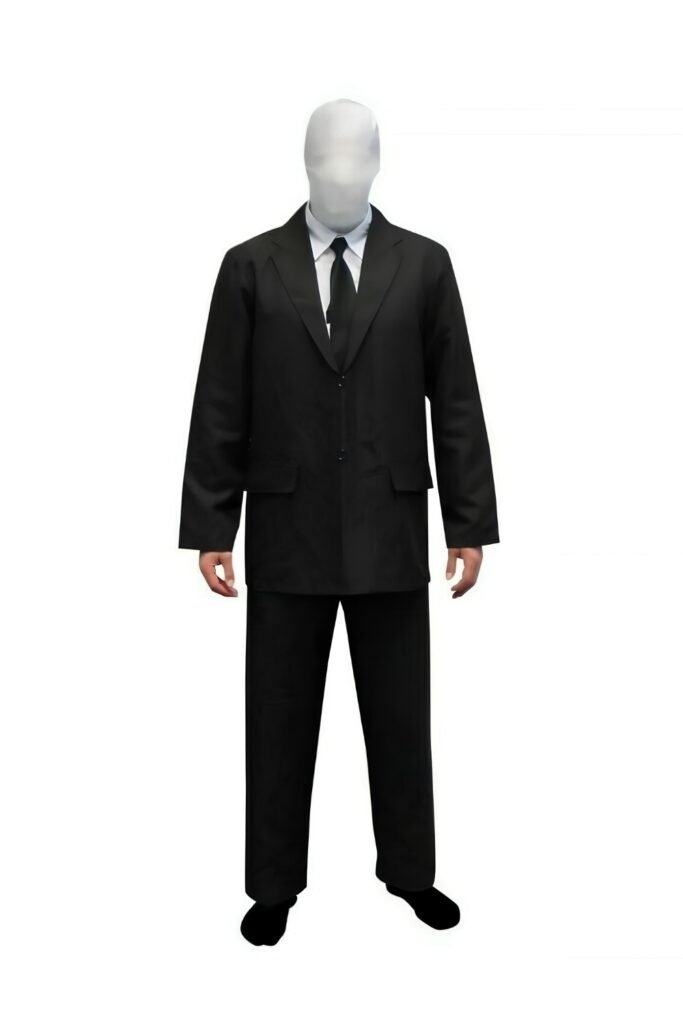
Save12. The Silence
A plain dark suit with a pale, featureless mask.
From Doctor Who, and among the creepiest suit-based options available. The premise is that you forget them the moment you look away, which is a good line to have ready.
Requires only the mask. Everything else is a suit you own.
 Save
SaveModern and Pop Culture
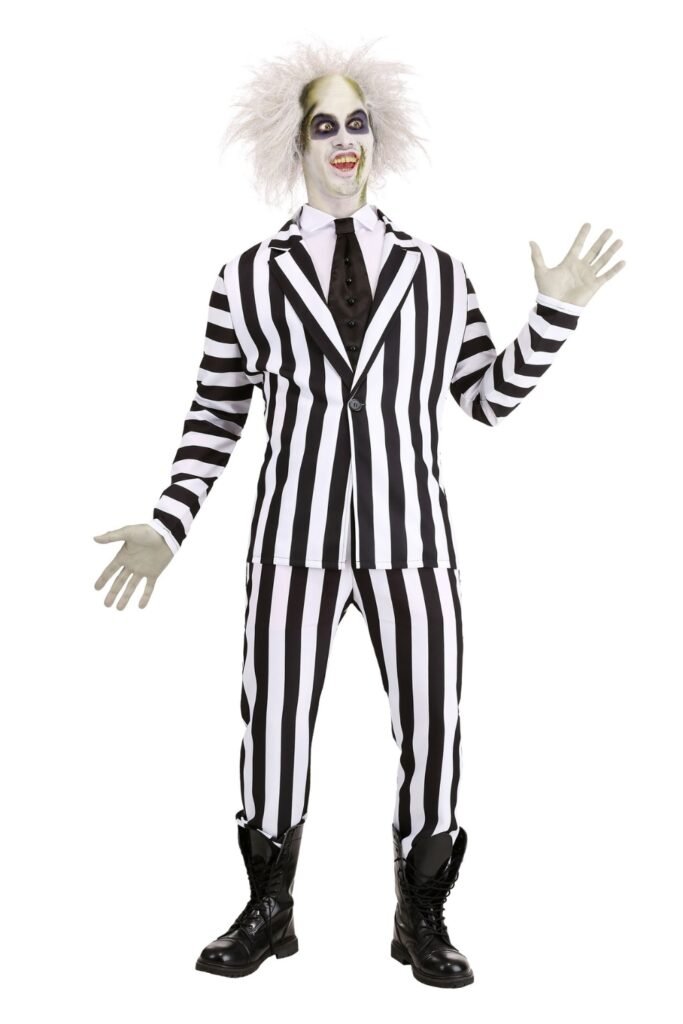
13. Beetlejuice
The black and white vertical striped suit, with wild hair and pale makeup.
The most recognisable suit costume in circulation and one that has come back around. Everyone identifies it instantly, which is either the appeal or the problem depending on how many others turn up in it.
The hair and makeup do as much as the suit. Without them it is a striped suit.
 Save
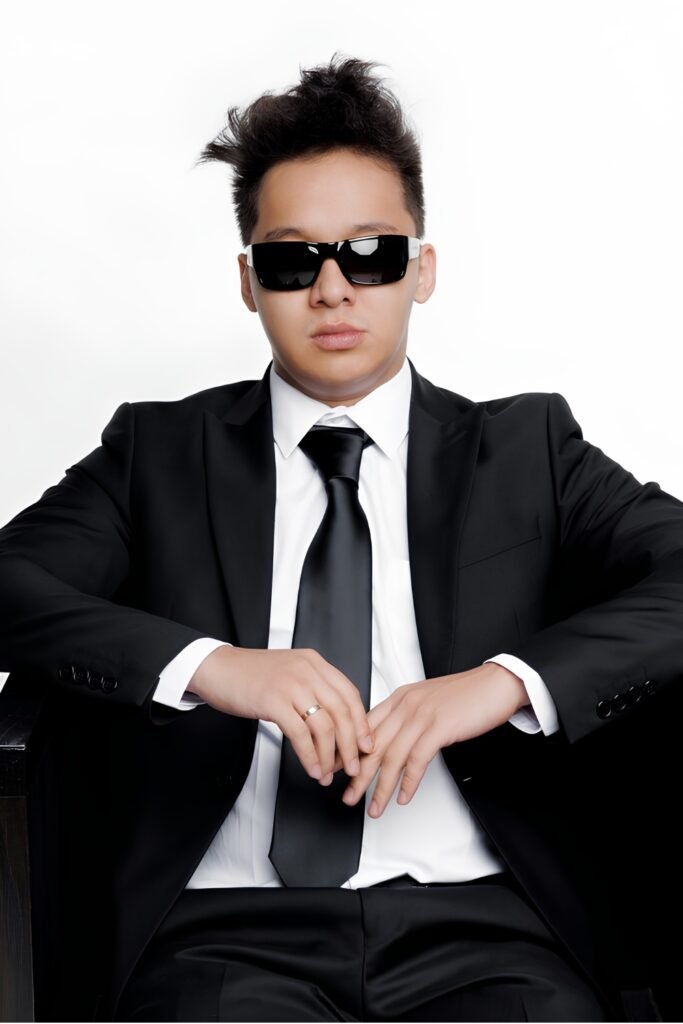
Save14. The Man in Black
A plain black suit, white shirt, black tie, and dark sunglasses.
The minimum viable costume and included honestly. It requires nothing you do not own, takes thirty seconds, and reads clearly.
Ubiquitous, which is the trade. If you want to be certain nobody else has your costume, this is not it.
 Save
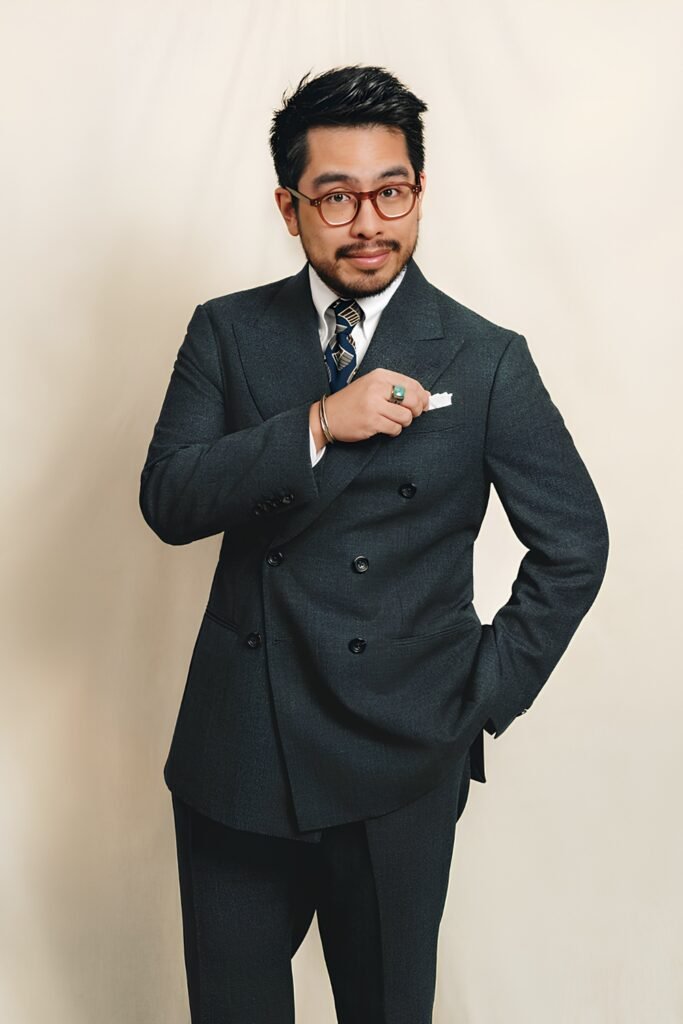
Save15. The Dapper Gentleman
A well-tailored suit, crisp white shirt, and a good tie. No character at all.
The escape hatch, and a legitimate one. Some events call for looking sharp rather than dressing up, and a genuinely well-fitting suit with a pocket square is a valid answer to a Halloween party you would rather not costume for.
Add one small nod, a subtle pin or an unusual pocket square, and you are participating without committing.
 Save
SaveBuilding It Without Buying a Costume
Start with the suit you own and work outward, since the base garment is the expensive part and you have it.
For most of the classic entries, the shopping list is genuinely a hat and one prop. A deerstalker and a magnifying glass. A top hat. A fedora. Goggles and gloves. None of that is a costume purchase in any serious sense.
Charity and vintage shops are better than costume shops for the period entries specifically, because a real waistcoat, a real cravat and a real pocket watch look considerably better than the polyester equivalents and often cost less.
The grooming is free and does the most work. Slicked hair for the 1920s entries, dishevelled for the sinister ones, a period parting for the Victorians. It is the single highest-return decision on this list.
For an evening event where you want the look sharp rather than costumed, our guide to dark streetwear outfits for men covers building an all-black look with texture and proportion, which suits several of the sinister entries here.
Common Questions
What is the easiest Halloween costume for a man who owns a suit?
The Man in Black, requiring only sunglasses, or Sherlock Holmes, requiring a deerstalker and a magnifying glass. Both read instantly, take minutes to assemble, and use a suit you already own. If you want minimum effort with maximum recognition, those two are the answer.
How do I look like I’m in costume without looking ridiculous?
Build on a well-fitting suit and add two or three identifying props rather than buying a full costume. The tailoring is what stops it looking rented; the props are what make it recognisable. Committing to the grooming, meaning slicked hair or a period parting, does more than any additional garment.
What suit-based costume is least likely to be duplicated?
The Warlock, The Silence, or the Headless Horseman. All three are suit-based, genuinely recognisable, and rarely seen. Beetlejuice and the Man in Black are the most duplicated by some distance.
Can I wear one of these to a work Halloween event?
Yes, and the classic entries are best suited to it. The Great Gatsby, the Victorian gentleman, Sherlock Holmes and the Dapper Gentleman all work in professional settings, and the last of those lets you remove one accessory and be dressed normally.
Where should I buy the props?
Charity and vintage shops for the period items, particularly waistcoats, cravats, pocket watches and canes, which look markedly better in genuine versions than costume-shop reproductions. Costume shops are worth it for masks, goggles, and anything specifically theatrical.
Final Thoughts
The suit is the easy part, and you almost certainly own it. What makes a costume land is two well-chosen props and a haircut you committed to.
Pick the character first, work out which two items identify him, and spend the money there. That is a considerably better evening than a rented jumpsuit, and usually a cheaper one.