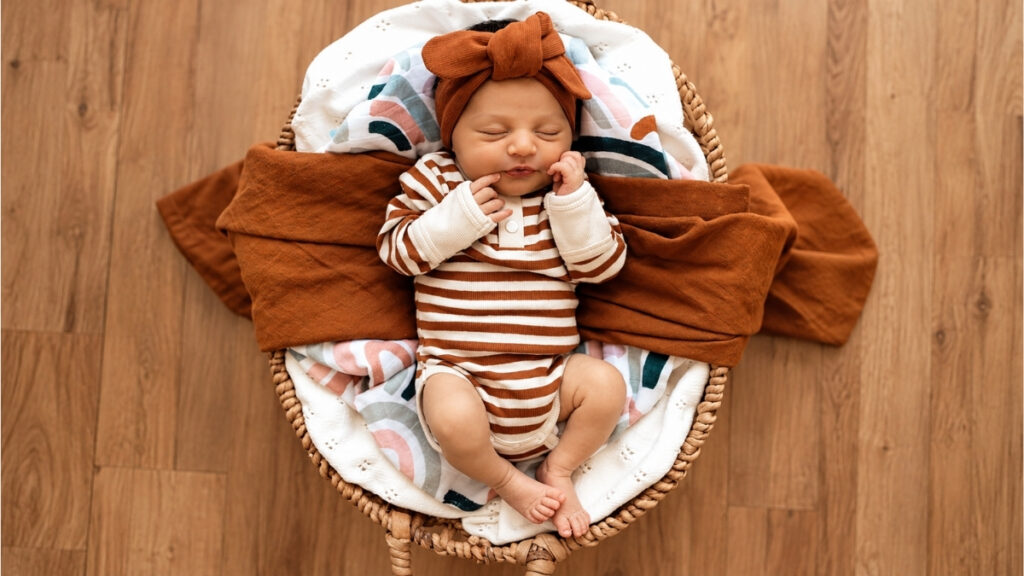
Upcycled baby clothes work best when the project solves a real problem: good fabric in the wrong size, a bodysuit that is suddenly too short, a worn knee, or a hand-me-down that needs one repair before another child can use it.
That repair-first approach fits the wider 2026 craft revival. Current fashion coverage reports growing interest in sewing, repair and upcycling as ways to keep clothing in use longer.
Safety changes the rules for babywear. Loose buttons and small parts can become choking hazards, cords and drawstrings can create entanglement risks, and children’s sleepwear is subject to specific flammability requirements in markets such as the United States. These ideas therefore focus primarily on daytime clothing.
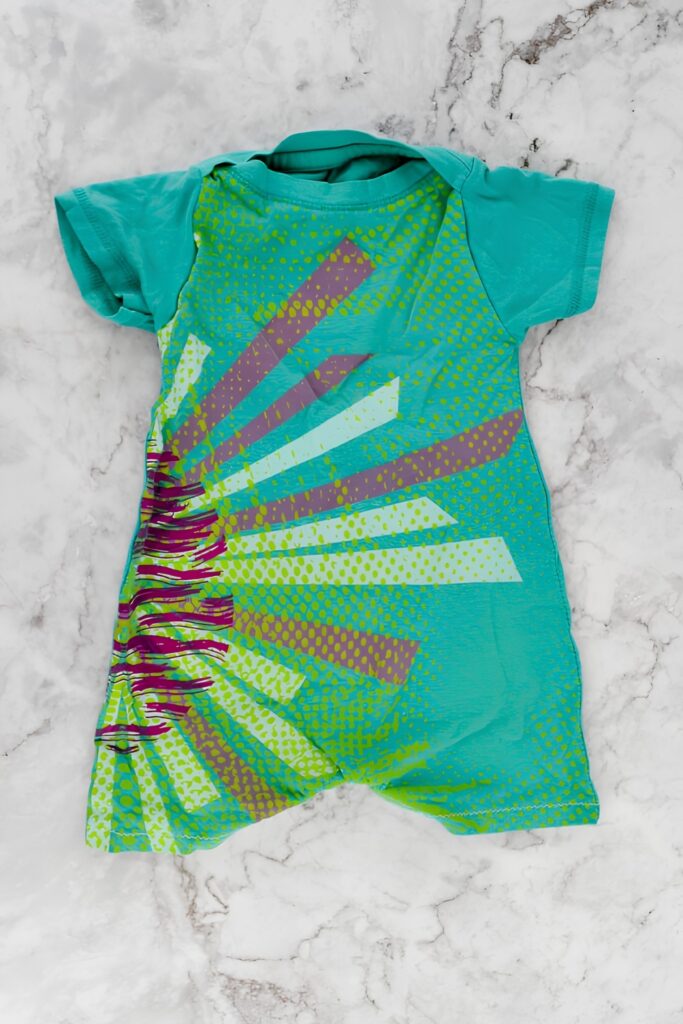
1. Adult Cotton Tee to Baby Romper
Recut a clean soft tee with a proper pattern into a daytime romper, reusing the original neckline or hem where practical. Add secure crotch snaps and finished seams.
Best for: soft adult tees, confident sewing.
 Save
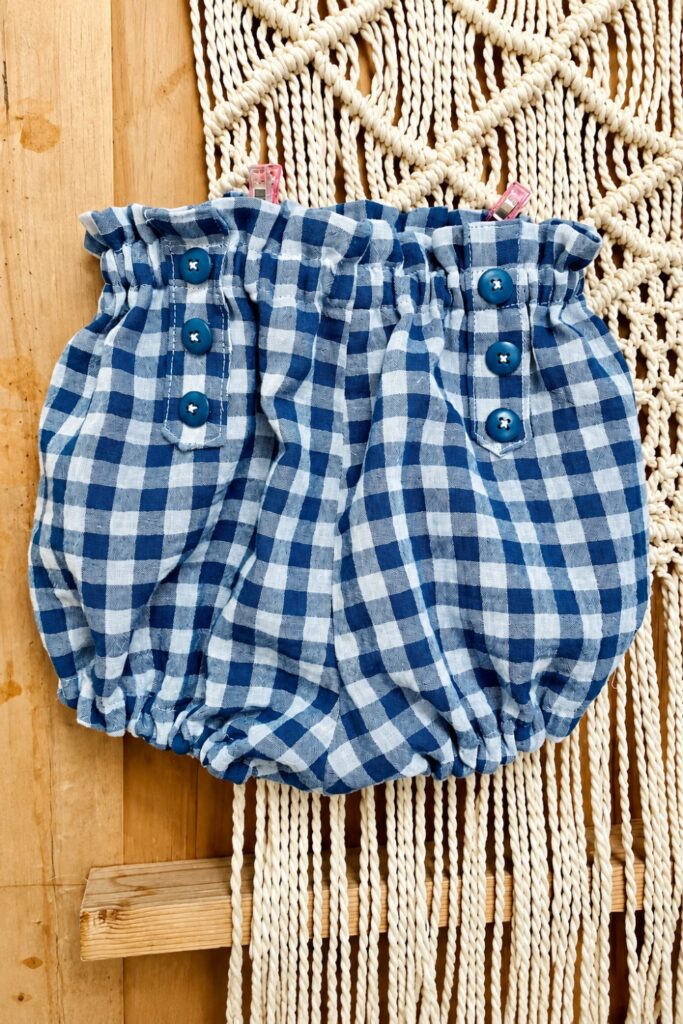
2. Button-Up Shirt to Baby Bloomers
Use the broad cotton panels of an adult shirt for roomy bloomers with enclosed elastic. Remove adult buttons and decorative hardware from the baby garment.
Best for: summer daywear, simple sewing.
 Save
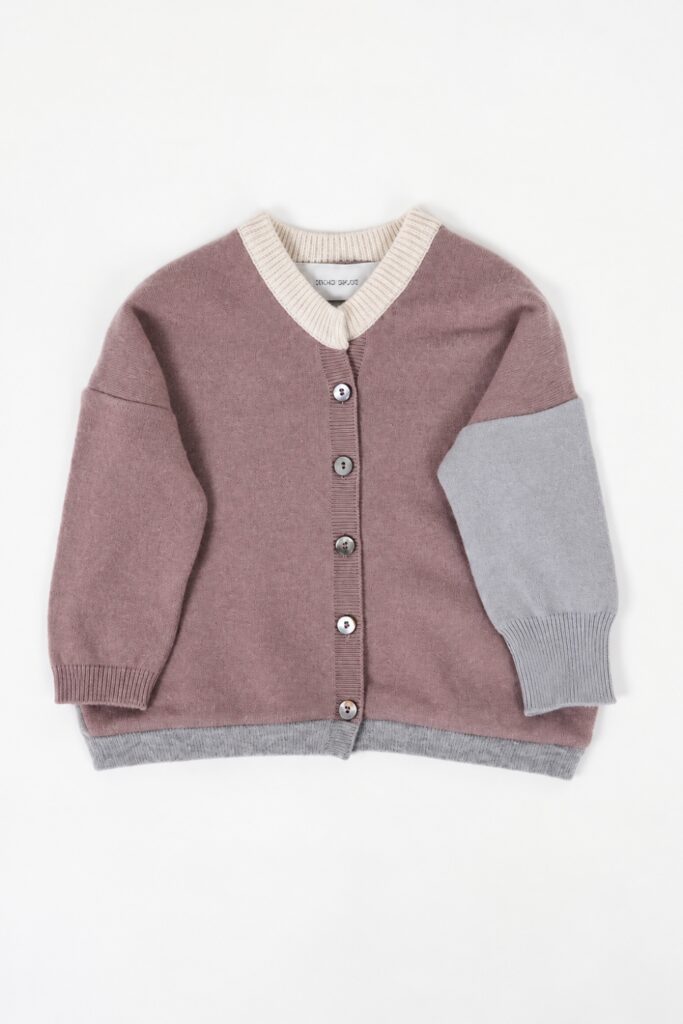
3. Old Sweater to Baby Cardigan
Downsize an intact soft knit into a cardigan and preserve ribbed cuffs or hem where proportions work. Secure cut knit edges carefully.
Best for: cool-weather layering.
 Save
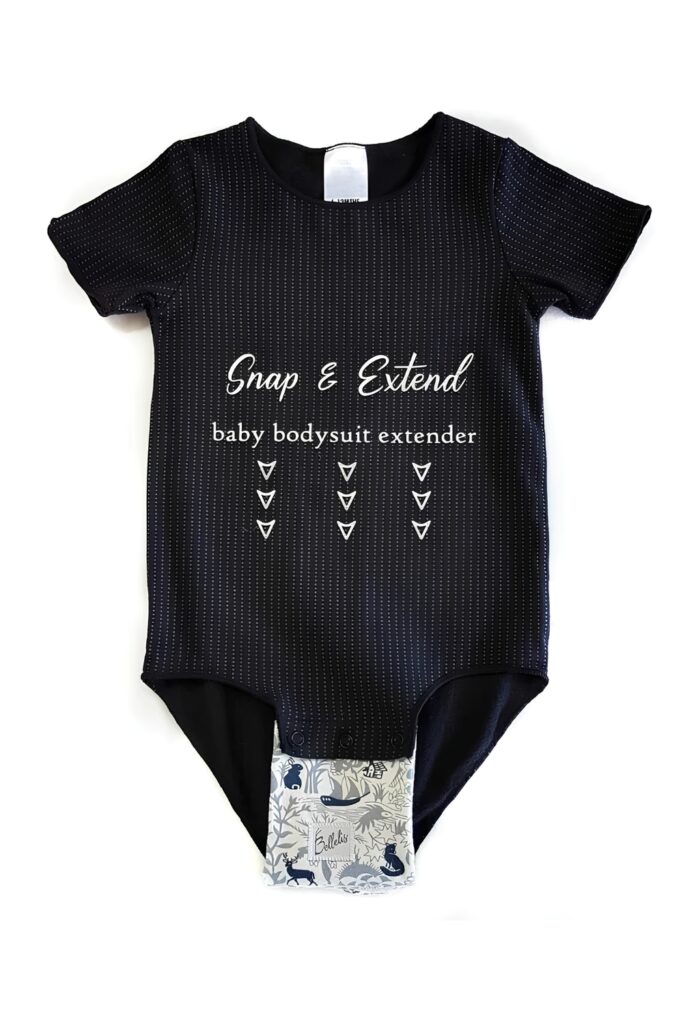
4. Outgrown Bodysuit With Contrast Extension
Add a soft cotton crotch extension when the body is too short but chest and sleeves still fit comfortably. Reinforce the snap area.
Best for: fast growth spurts.
 Save
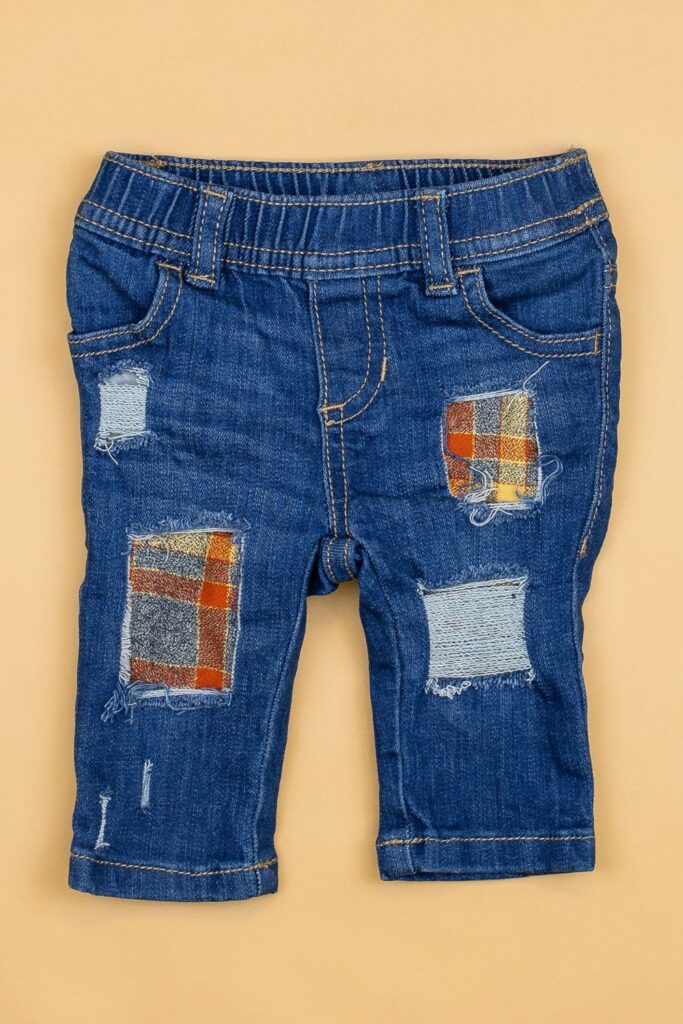
5. Visible-Mended Baby Jeans
Cover a worn knee with a flat soft patch and visible stitching. Keep the repair flexible enough for crawling and bending.
Best for: play clothes, denim.
 Save
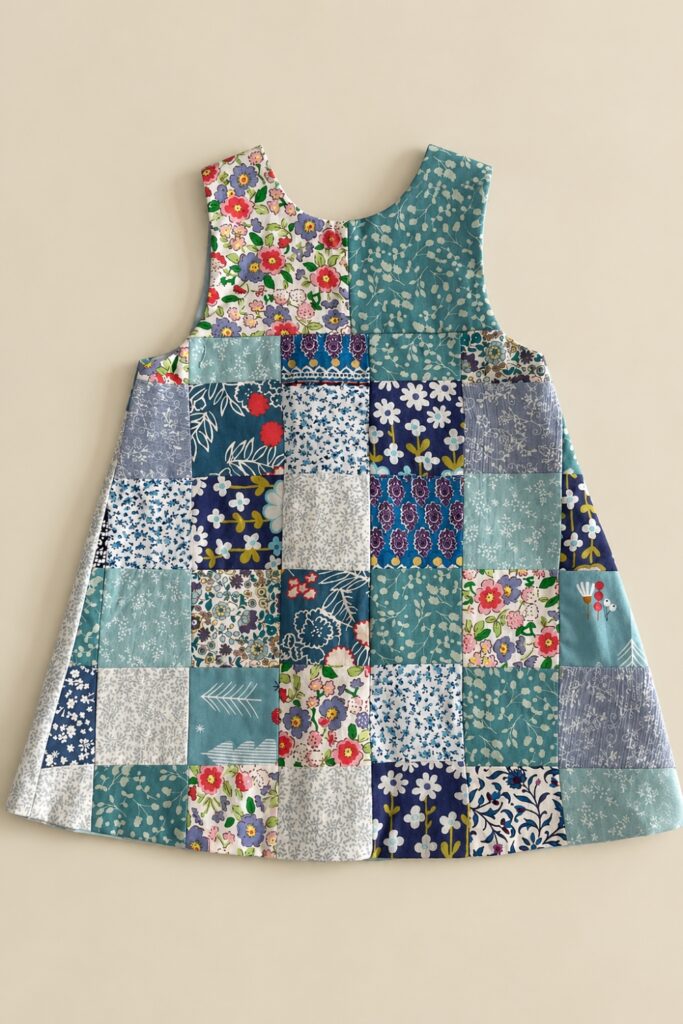
6. Patchwork Cotton Pinafore
Join larger coordinated cotton scraps, then cut them into a simple pinafore. Finish interior seams so patch joins do not rub.
Best for: cotton remnants, keepsake fabrics.
 Save
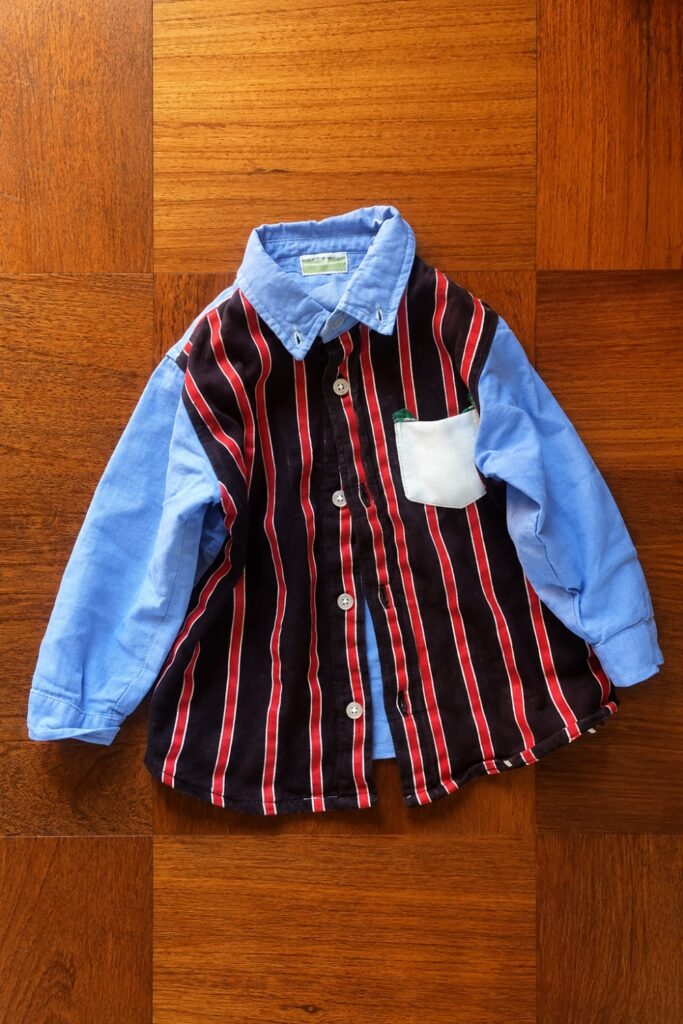
7. Adult Shirt to Baby Tunic
Use the lower section of a cotton or linen shirt for a loose tunic and preserve the factory hem when possible. Remove loose ties and unsuitable hardware.
Best for: warm-weather daywear.
 Save
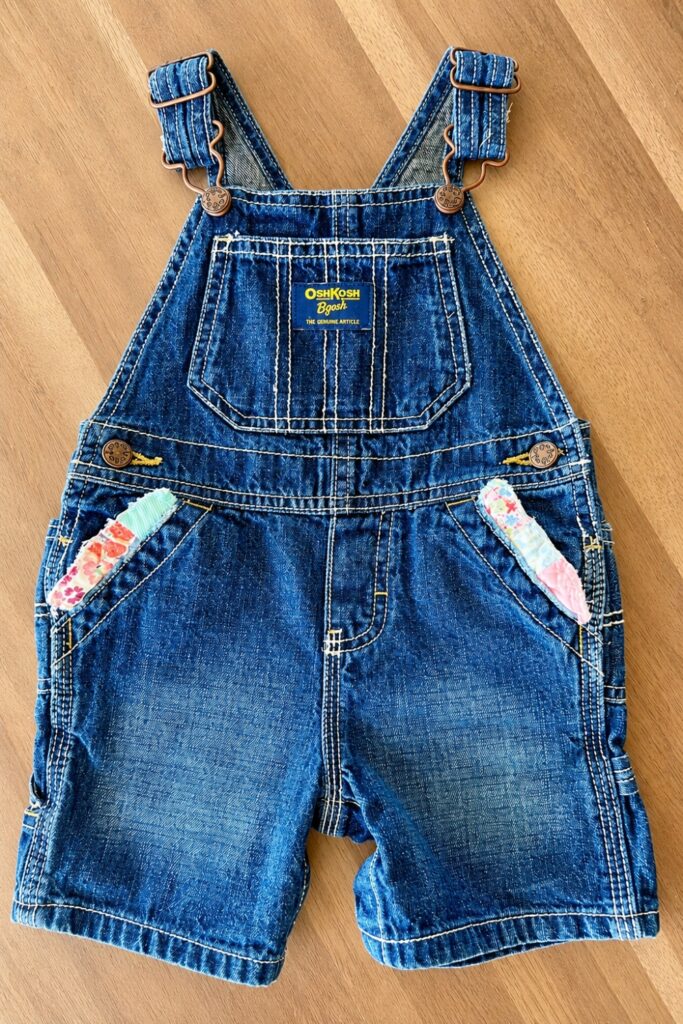
8. Denim Pocket Upgrade on Overalls
Replace or add a flat pocket cut from old denim or cotton. Stitch every edge securely and skip studs, beads or detachable trim.
Best for: hand-me-down overalls.
 Save
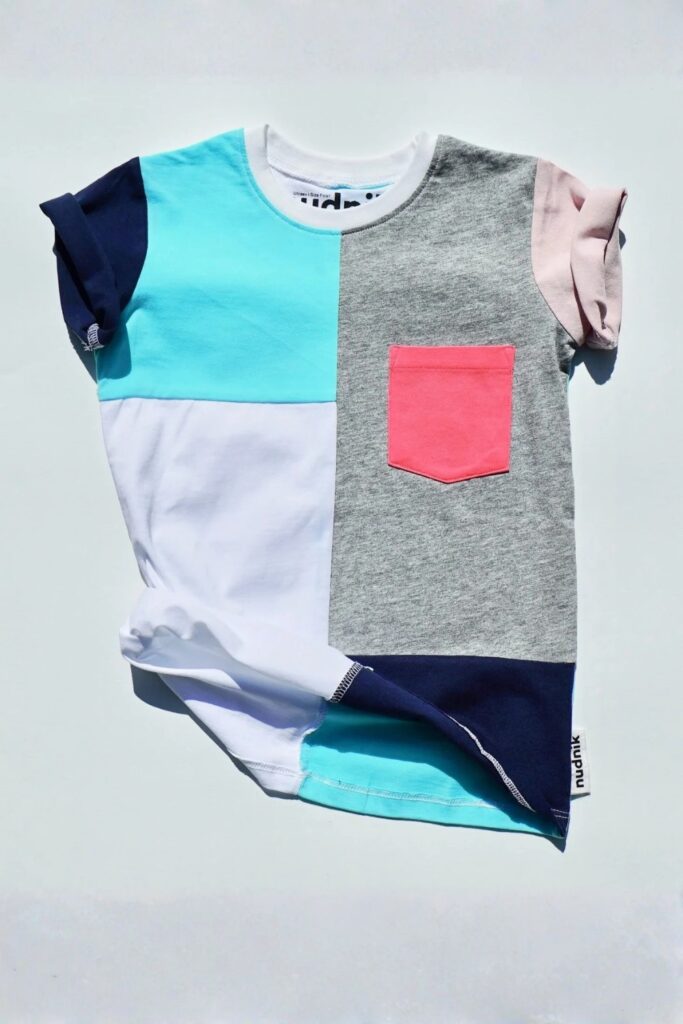
9. Two Small Tees Into One Color-Block Tee
Combine intact broad panels from two outgrown tees into one larger top. Match similar fabric weight and stretch for predictable washing.
Best for: stained tees with usable sections.
 Save
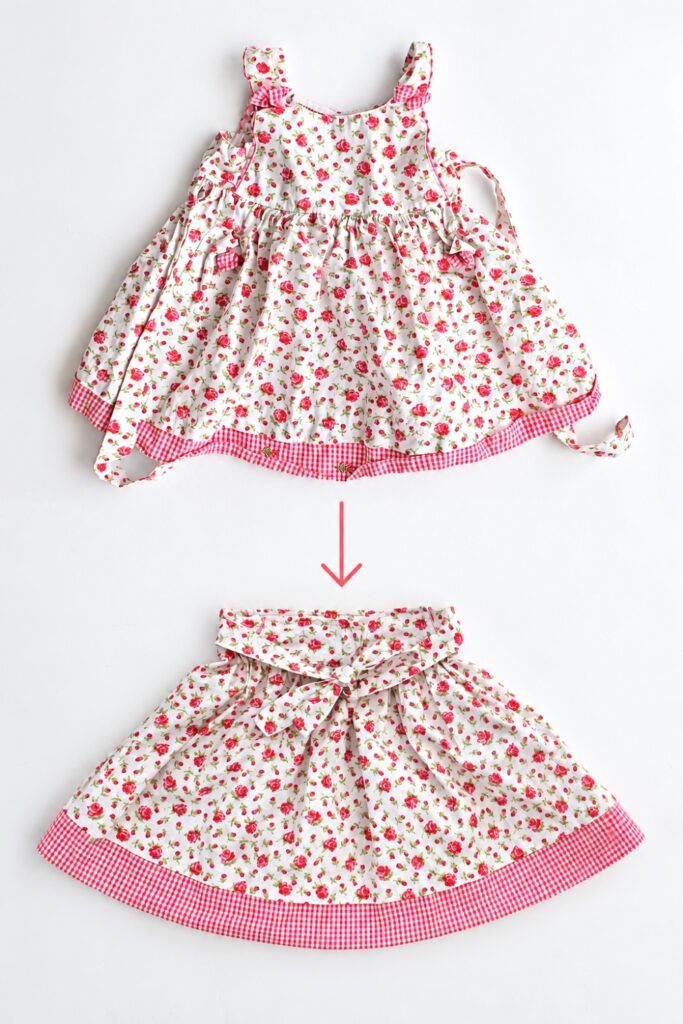
10. Dress to Baby Skirt
Reuse the intact lower fabric of a cotton dress for a simple elastic-waist skirt, preserving an existing hem where possible.
Best for: floral cotton, toddlers.
 Save
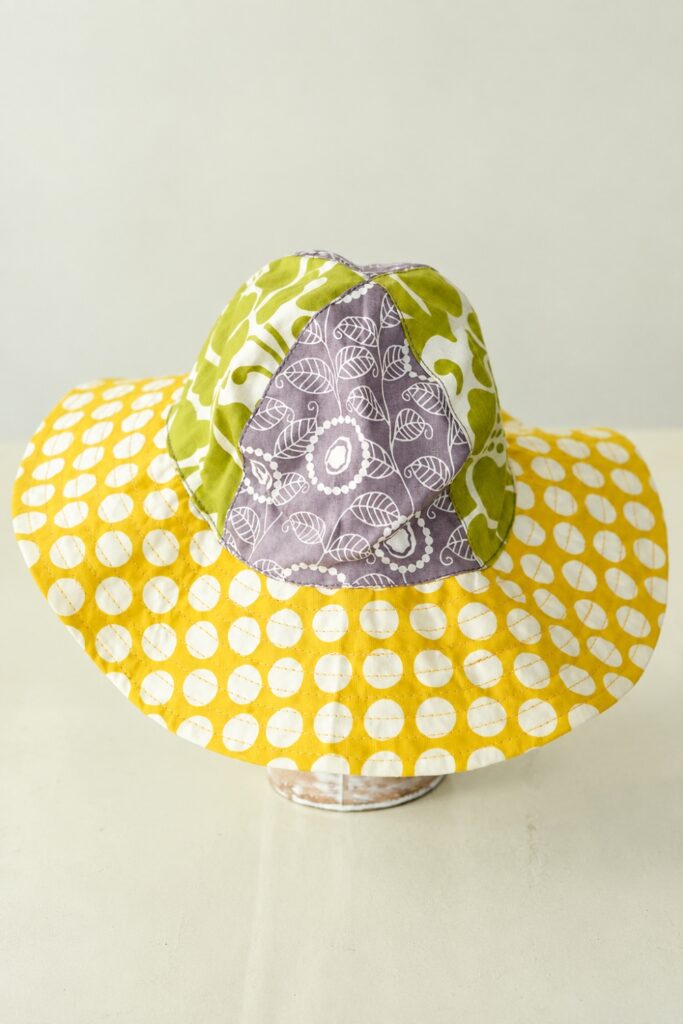
11. Shirt Fabric to Brimmed Sun Hat
Turn sturdy cotton shirting into a lined brimmed daytime hat with a fitted crown. Avoid neck cords and dangling ties.
Best for: outdoor daytime use.
 Save
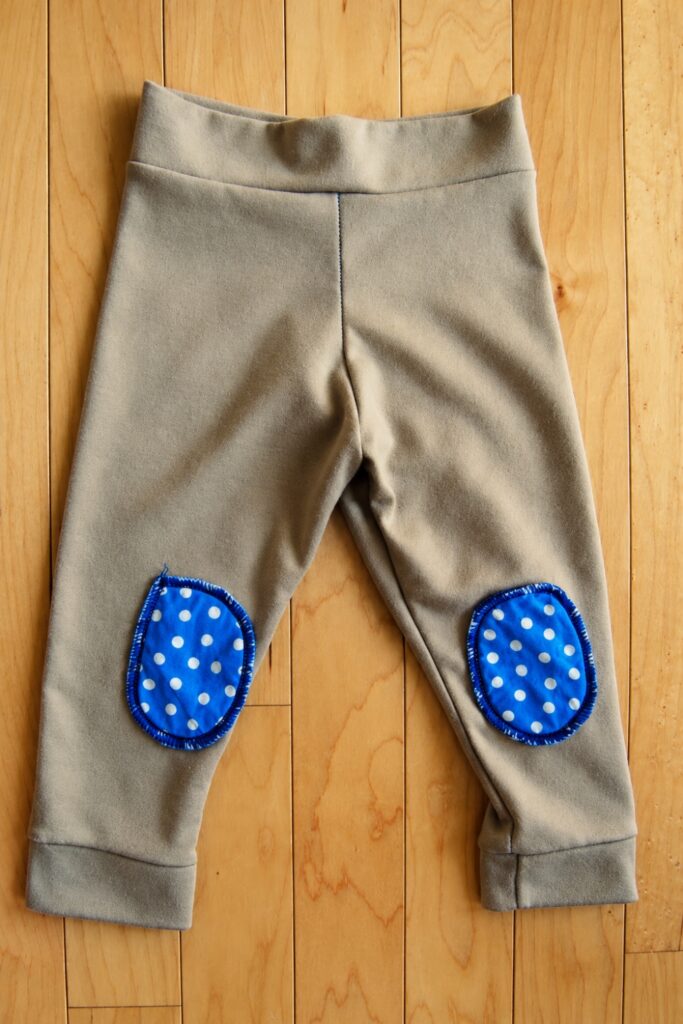
12. Fabric-Scrap Knee Patches
Reinforce thinning leggings or trousers with securely sewn soft patches. Fully stitch the edges and check them after washing.
Best for: tiny fabric remnants.
 Save
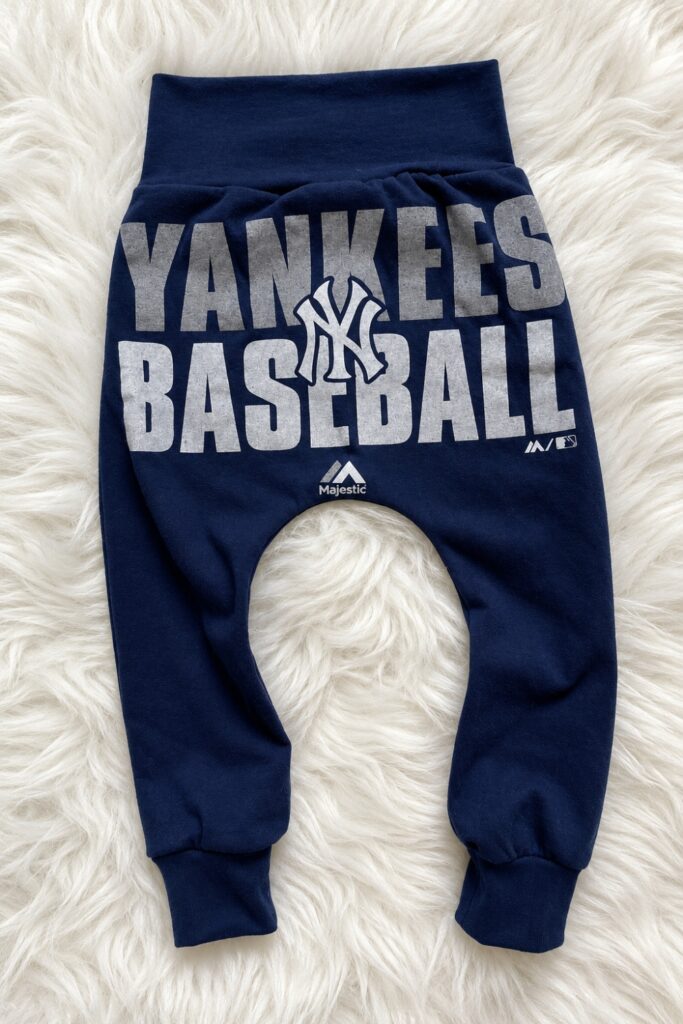
13. Adult Tee to Baby Harem Pants
Use soft jersey for loose daytime pants with enclosed elastic or secure knit bands at waist and cuffs. Skip decorative drawstrings.
Best for: playwear, jersey tees.
 Save
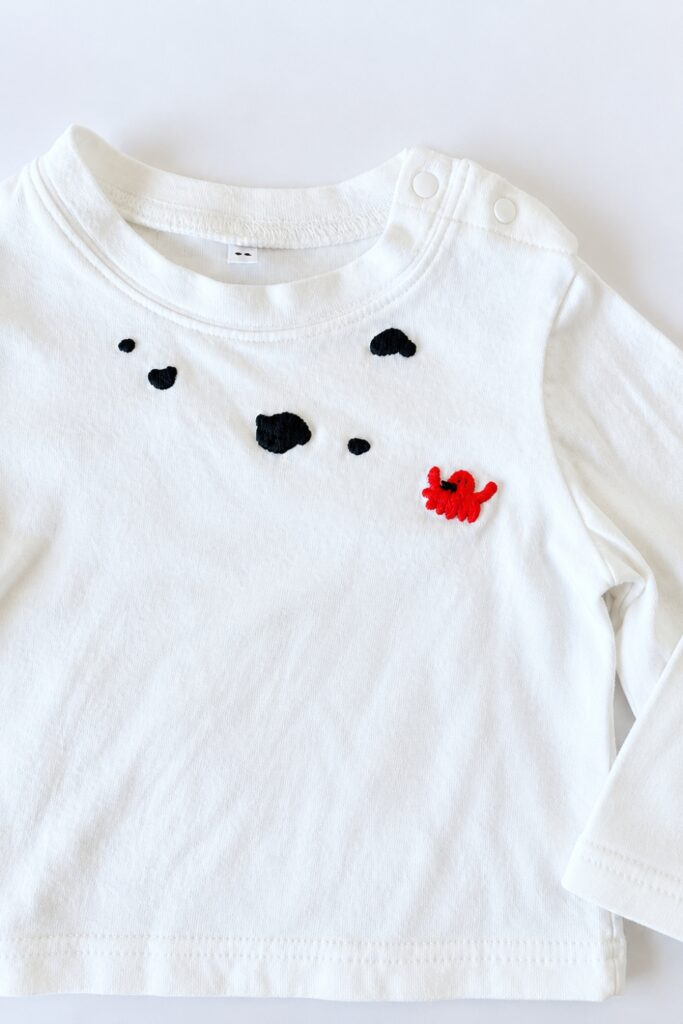
14. Flat Embroidered Repair Over a Stain
Back the weakened area with fabric and cover it using tight, flat embroidery. Avoid beads, sequins, pom-poms and loose loops.
Best for: small stains, cotton tops.
 Save
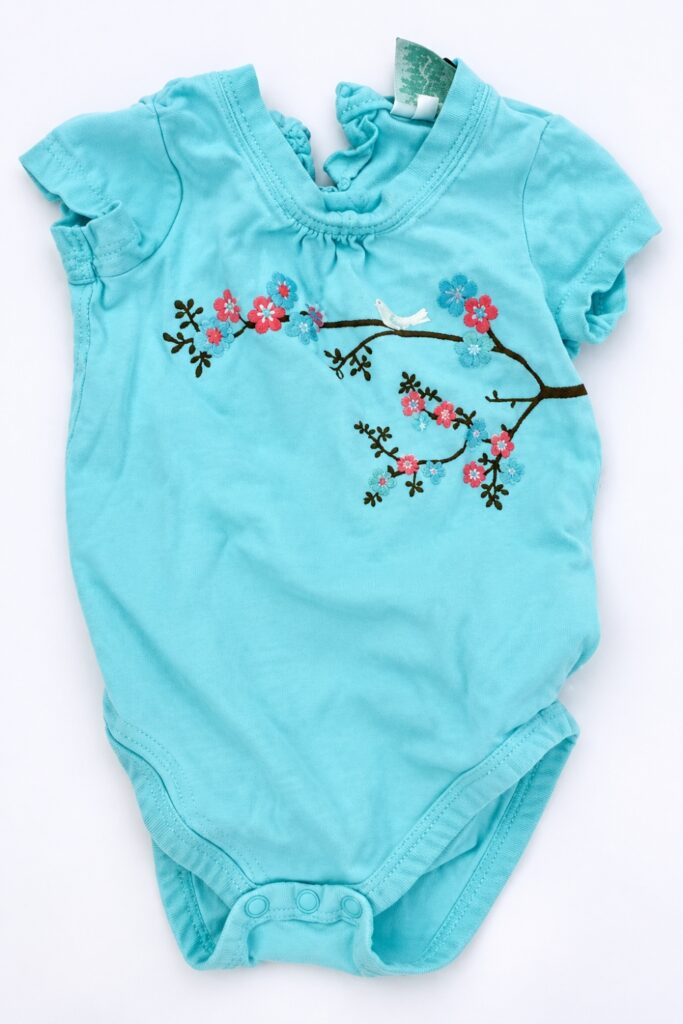
15. Sibling Hand-Me-Down Refresh
Replace a worn pocket, add a contrast cuff, or insert one flat fabric panel while preserving the original garment construction.
Best for: sibling clothing, sentimental fabrics.
 Save
Quick Guide: Pick the Upcycle by the Problem
| Problem | Strong upcycle | Preserve | Check |
| Adult garment, good fabric | Romper, bloomers, tunic, pants | Useful hems/neckline | Fit + seams |
| Baby garment too short | Bodysuit extension | Original upper section | Comfort + snaps |
| Hole / worn knee | Visible mend, patch | Most original garment | Patch edges |
| Stain | Flat embroidery/patch | Usable fabric | No loose trim |
| Mixed scraps | Patchwork pinafore | Larger pieces | Interior seams |
| Tired hand-me-down | Pocket/cuff refresh | Original construction | Closures |
What Counts as Upcycled Baby Clothing?
Upcycling changes an existing garment or textile into something usable again, often with a new function or improved condition. Repairing jeans, resizing a T-shirt into a romper, or combining usable sections from damaged garments all qualify.
It differs from fiber recycling because the existing textile is kept directly in use.
Why Repair First?
A secure knee patch, replaced cuff, or stain-covering repair can add useful life while preserving almost the entire original garment.
Current fashion coverage shows a broader revival of repair, sewing and upcycling skills as consumers look for hands-on ways to extend clothing life.
Baby-Clothing Safety Matters More Than the DIY Aesthetic
Check finished garments for loose buttons, snaps, decorations, threads, cords and poorly secured patches. Loose small parts can create choking hazards, while cords and drawstrings can create entanglement risks.
Keep decorative elements flat and secure, and avoid unnecessary dangling cords around babies and young children.
Do Not Treat Random Upcycled Fabric as DIY Sleepwear
Children’s sleepwear can be subject to specific flammability, fit, trim and labeling rules. Ordinary reclaimed fabric should not automatically be treated as suitable for homemade pajamas or sleep garments.
The simplest home-upcycling approach is to keep reclaimed garments as daytime clothing unless you fully understand and can meet the requirements that apply where you live.
How to Choose Fabric for an Upcycle
Use fabric that is clean, intact, comfortable against skin and suitable for the new garment. Avoid brittle elastic, weak seams, damaged coatings, sharp hardware or fabric that continues to shed.
Wash donor garments before cutting. When combining fabrics, similar weight and stretch usually produce a more predictable result.
Relevant Fashionuer Guides
Toddler clothes for hot weather: https://fashionuer.com/fashion/best-toddler-clothes-to-keep-them-cool-in-hot-weather/
Vintage kids fashion: 15 Vintage Kids Fashion Ideas That Bring Classic Style Back
Christmas outfit ideas for kids: https://fashionuer.com/fashion/outfits/christmas-outfit-ideas-for-kids/
For more ideas, see our love saves the day festival outfits for ashton court and sustainable style.
FAQ
What baby clothes can be upcycled?
Cotton tees, shirts, sweaters, denim, dresses, leggings, overalls and structurally sound hand-me-downs can often be repaired, resized or recut for daytime use.
Can I turn an adult T-shirt into baby clothes?
Yes, if the fabric is clean and sound and you use an appropriate pattern. Adult tees can provide soft jersey for rompers, pants or simple tops.
What is the easiest baby-clothes upcycle?
Repairing a worn knee, replacing a pocket, covering a small stain with a secure flat patch, or refreshing a hand-me-down is usually easier than rebuilding a garment.
Are buttons safe on upcycled baby clothes?
Functional buttons exist on baby clothing, but loose or easily detached small parts can pose choking hazards. Check attachment strength regularly and avoid unnecessary decorative buttons.
Can I add beads or sequins to baby clothes?
For babywear, avoiding detachable beads, sequins and similar small embellishments is the safer approach because loose parts can become choking hazards.
Can I make baby pajamas from old clothes?
Do not assume ordinary reclaimed fabric is suitable for sleepwear. Children’s sleepwear can be subject to specific flammability and construction rules depending on jurisdiction.
Should upcycled baby clothes have drawstrings?
Avoid unnecessary dangling cords and neck drawstrings. Cords and drawstrings can create entanglement or strangulation hazards in children’s clothing.
How do I know if an old garment is worth upcycling?
Use it only if the fabric and seams remain strong, clean and comfortable. Skip garments with brittle elastic, persistent odors, extensive deterioration, sharp hardware or widespread damage.
The Pull-and-Wash Test
Before a baby wears the finished garment, gently pull on every snap, patch, seam, closure and decorative stitch. Then wash the garment once and inspect the same areas again.
If anything loosens, curls up, sheds or becomes uncomfortable, repair it before use. A successful upcycle should make baby clothing more useful without making it less secure.