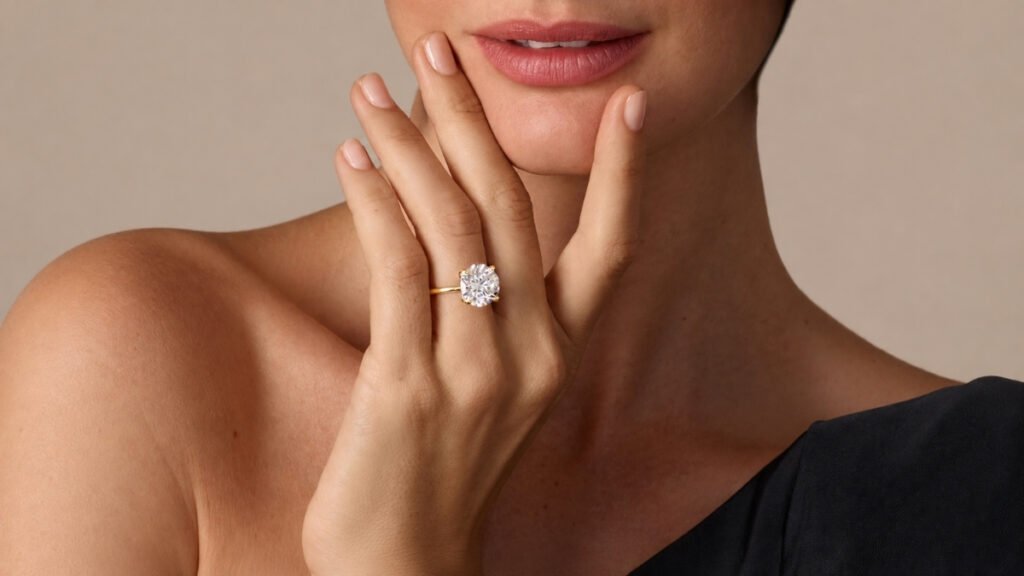
Personality is leading engagement ring choices. After years of ultra-thin pavé bands and near-identical oval solitaires, many buyers want rings that are warmer, chunkier, more antique and more sculptural.
Antique cuts, substantial gold, bezels, sculptural bands, elongated stones, east-west settings and warmer diamond tones are all strong directions.
That does not make a classic solitaire outdated. It means the setting, orientation, metal, stone character, and everyday practicality now matter as much as carat size. The best ring is the one you still want to look at after the trend cycle moves on.
16 Engagement Ring Style Ideas
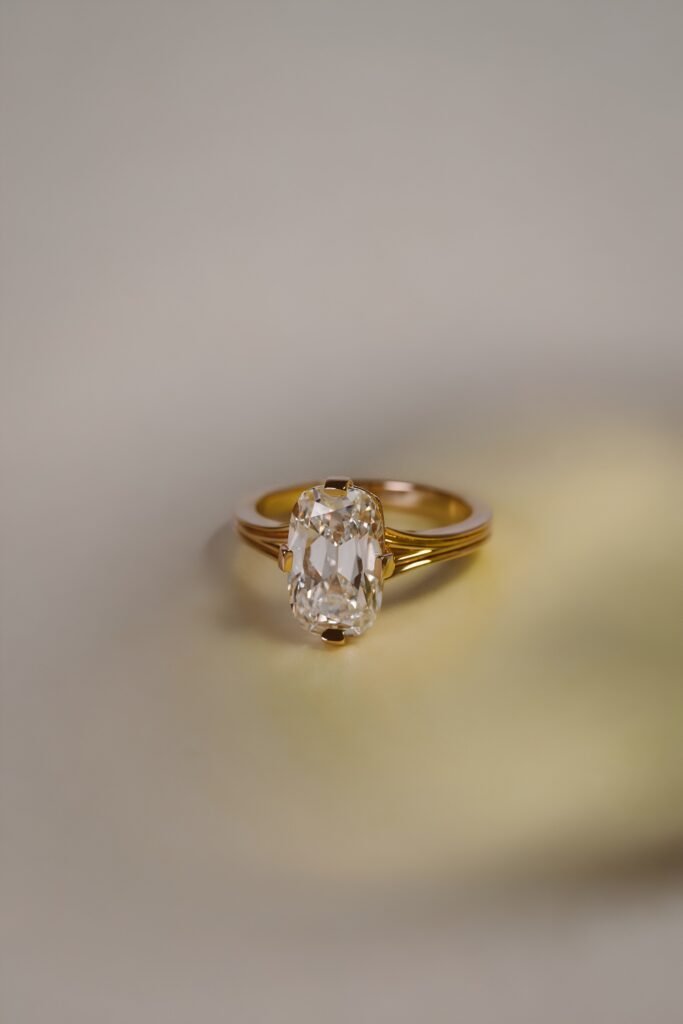
1. Antique Elongated Cushion
An elongated antique cushion gives finger coverage without the uniform sparkle of a modern oval. Old Mine-style facets look softer, warmer and more individual.
Interest accelerated after Taylor Swift’s antique cushion ring brought Old Mine diamonds into mainstream conversation. Antique stones vary naturally, so choose character rather than expecting identical proportions.
Best for: vintage lovers, warm gold, one-of-a-kind stones.
 Save
Save2. East-West Bezel
Set an elongated stone horizontally across the finger and surround it with a smooth bezel. The orientation makes familiar cuts, emerald, cushion, oval, marquise, feel immediately more modern.
East-west settings remain a defining 2026 direction after high-profile rings from Zendaya and Miley Cyrus. A bezel also creates a lower-profile, metal-forward look.
Best for: modern minimalists, active hands, low-profile styling.
 Save
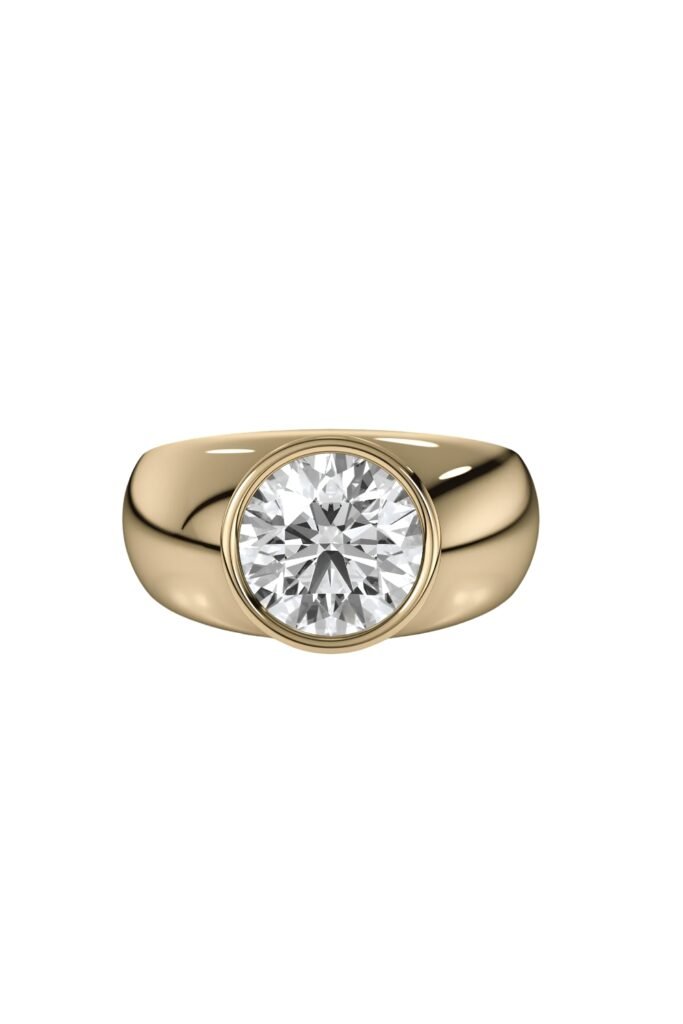
Save3. Chunky Gold Bezel Solitaire
Pair one center stone with a substantial yellow-gold band and a full bezel. The gold becomes part of the design instead of disappearing behind the diamond.
Thicker gold and a strong bezel look intentional, slightly retro and practical next to fragile micro-pavé.
Best for: yellow-gold lovers, sculptural jewelry, everyday wear.
 Save
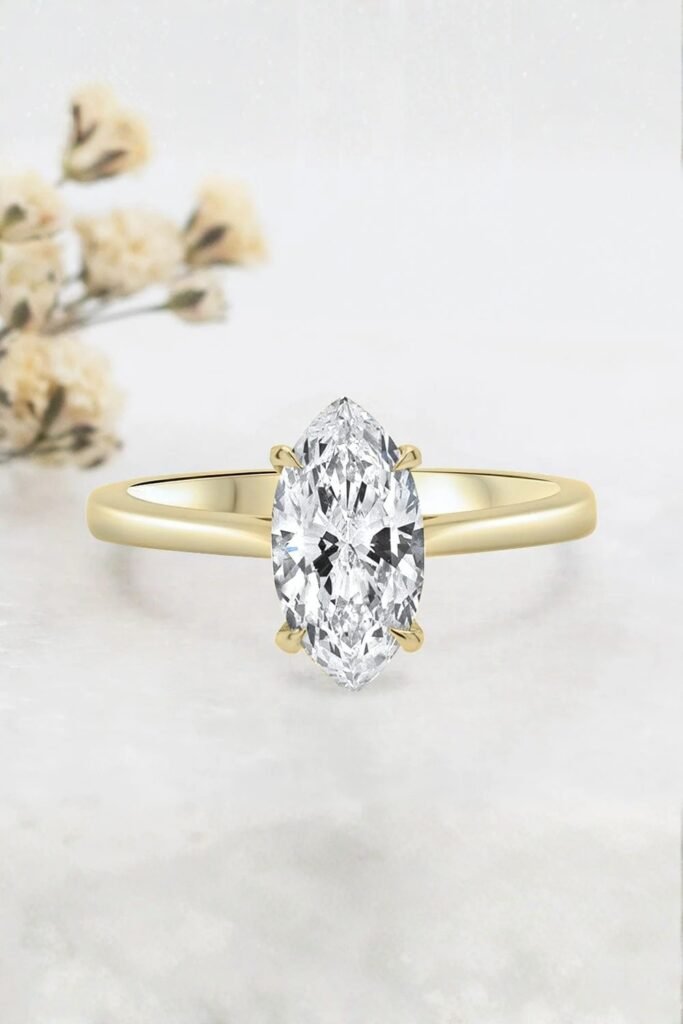
Save4. Marquise Solitaire
A north-south marquise elongates the finger and gives strong visual spread. Keep the curves balanced and protect both pointed ends with appropriate prongs or a bezel.
The marquise is back in favor. Its pointed tips are more vulnerable than rounded shapes, so setting design matters.
Best for: elongated silhouettes, vintage-meets-modern style.
 Save
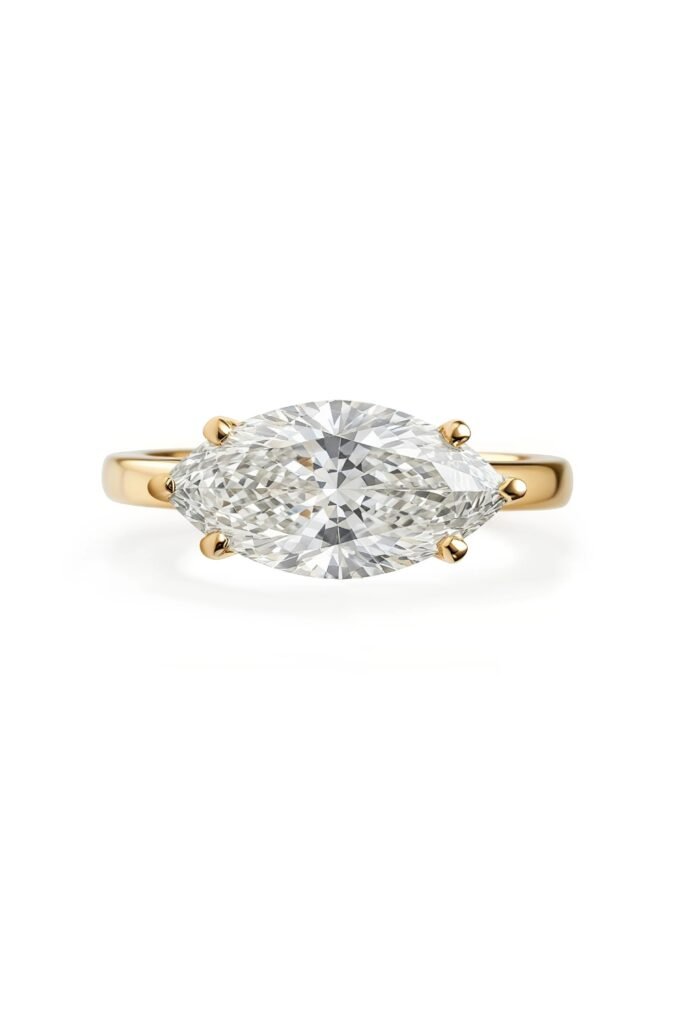
Save5. East-West Marquise
Turn the marquise horizontally and the same stone becomes wider, graphic, and more architectural. A bezel can emphasize the outline while protecting the points.
This is one of the clearest ways to combine two major 2026 trends, marquise stones and east-west orientation, without adding extra diamonds.
Best for: fashion-forward brides, wider finger coverage.
 Save
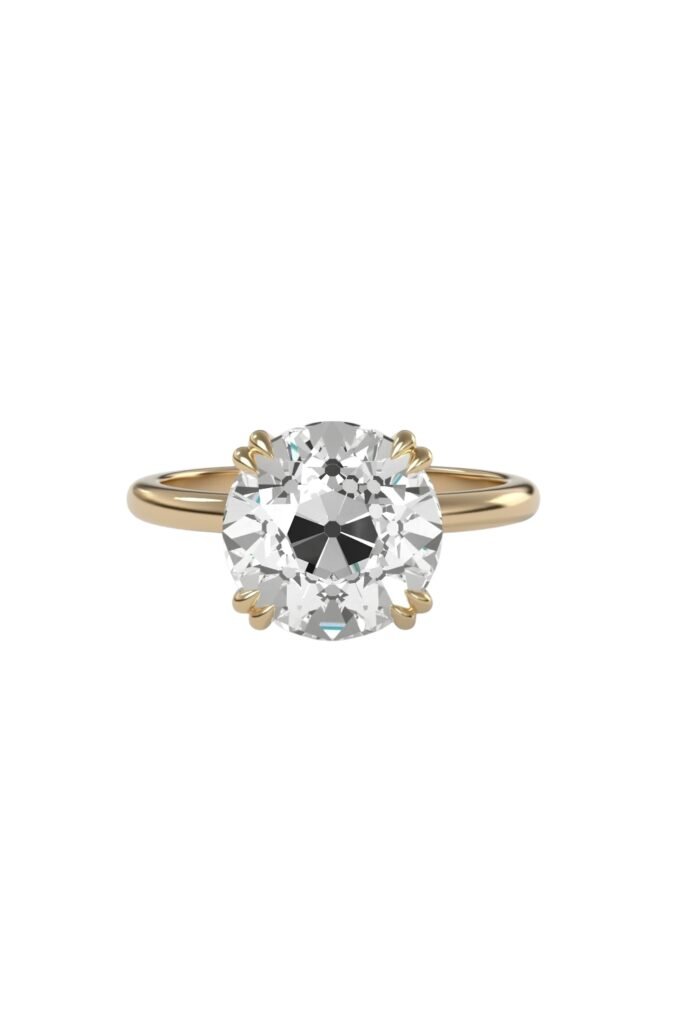
Save6. Old European Cut Solitaire
Old European cuts are round but visually different from modern round brilliants: larger facets, softer patterns, and antique character make the sparkle feel less uniform.
Antique cuts are rising because buyers increasingly value individuality and history over absolute visual perfection. A simple mounting lets the stone’s personality remain visible.
Best for: antique jewelry fans, classic silhouettes with character.
 Save
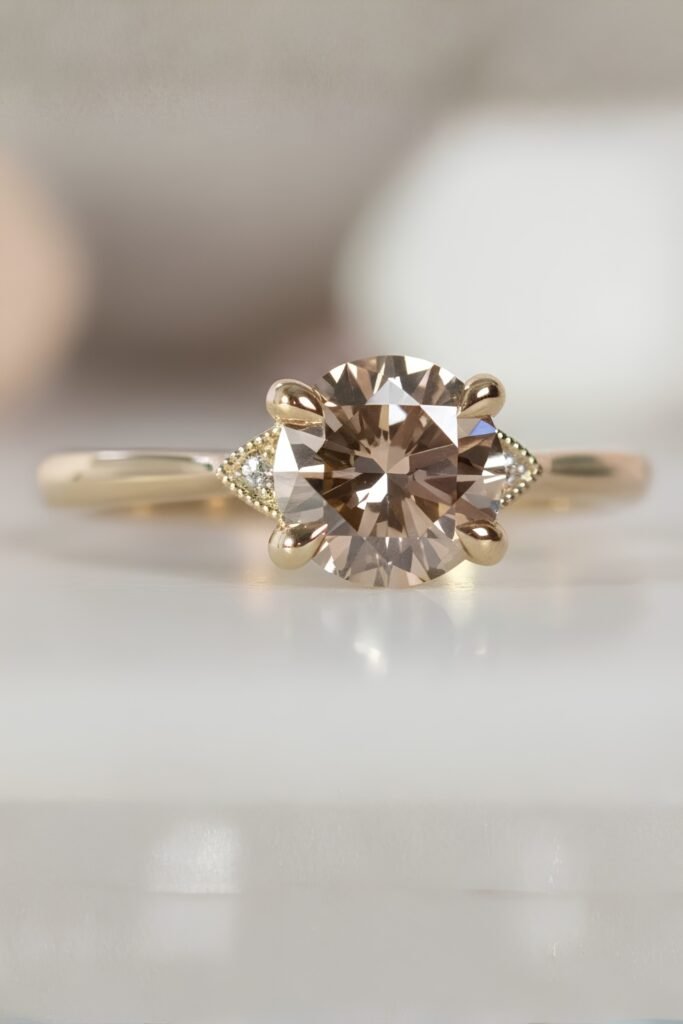
Save7. Champagne Diamond Ring
Choose a champagne, honey, cognac, or softly brown diamond and set it in warm gold. The color makes the ring feel less icy and more tonal.
Warm-toned diamonds look beautiful in yellow and rose gold. Check the actual hue in different light before buying.
Best for: warm palettes, nontraditional diamond lovers.
 Save
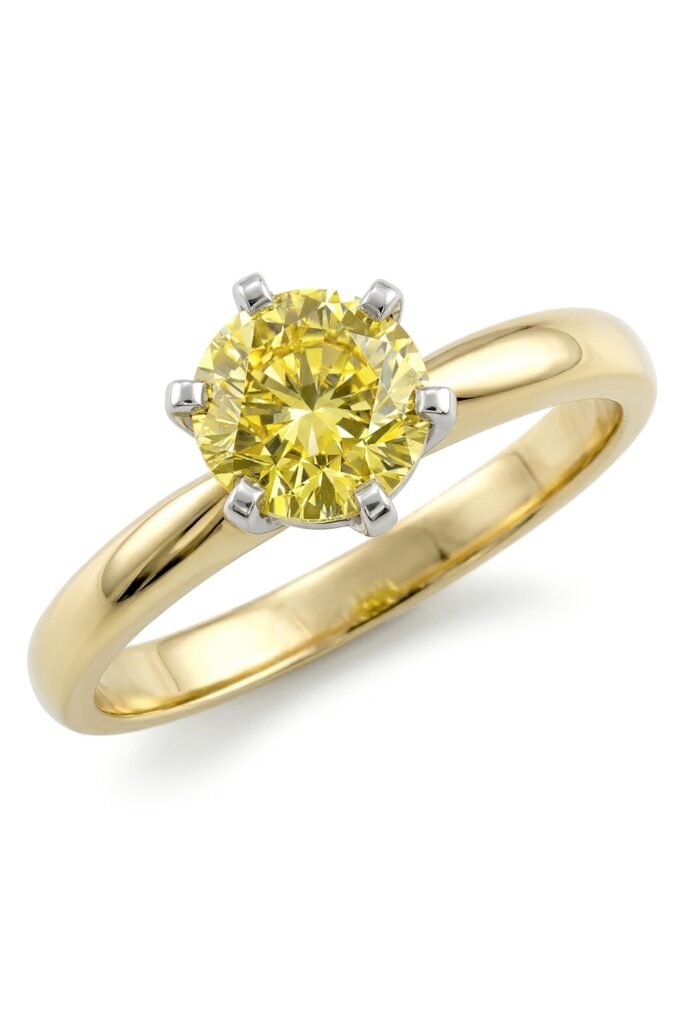
Save8. Yellow Diamond Ring
A buttery or fancy-yellow diamond introduces obvious color while retaining the durability and familiar identity of diamond. Yellow gold can intensify the warmth; white metal can increase contrast.
Color in 2026 is becoming more nuanced rather than rainbow-for-the-sake-of-rainbow. Yellow diamonds fit that sunlit, warm shift naturally.
Best for: color lovers, statement solitaires, warm metals.
 Save
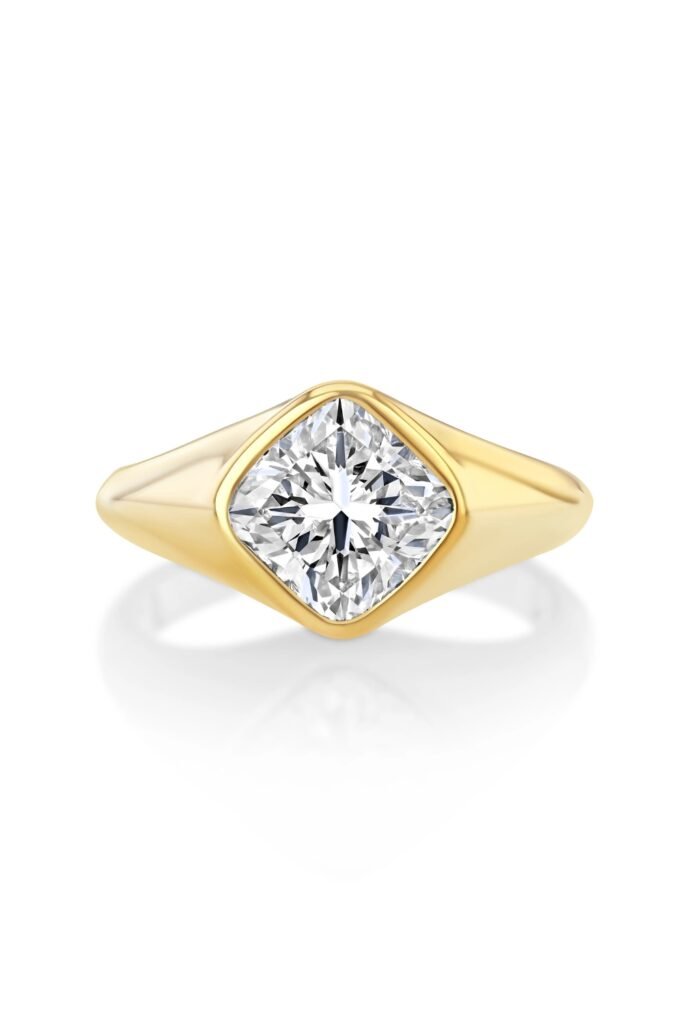
Save9. Sculptural Signet-Inspired Ring
Integrate the center stone into a softened signet-like form, melted gold surface, or broad sculptural band. The ring feels designed as one object rather than stone plus support system.
Softened signets, undulating curves, tactile surfaces and modernist forms suit anyone who wants crafted, less uniform bridal jewelry.
Best for: art-jewelry lovers, low-profile settings, bold gold.
 Save
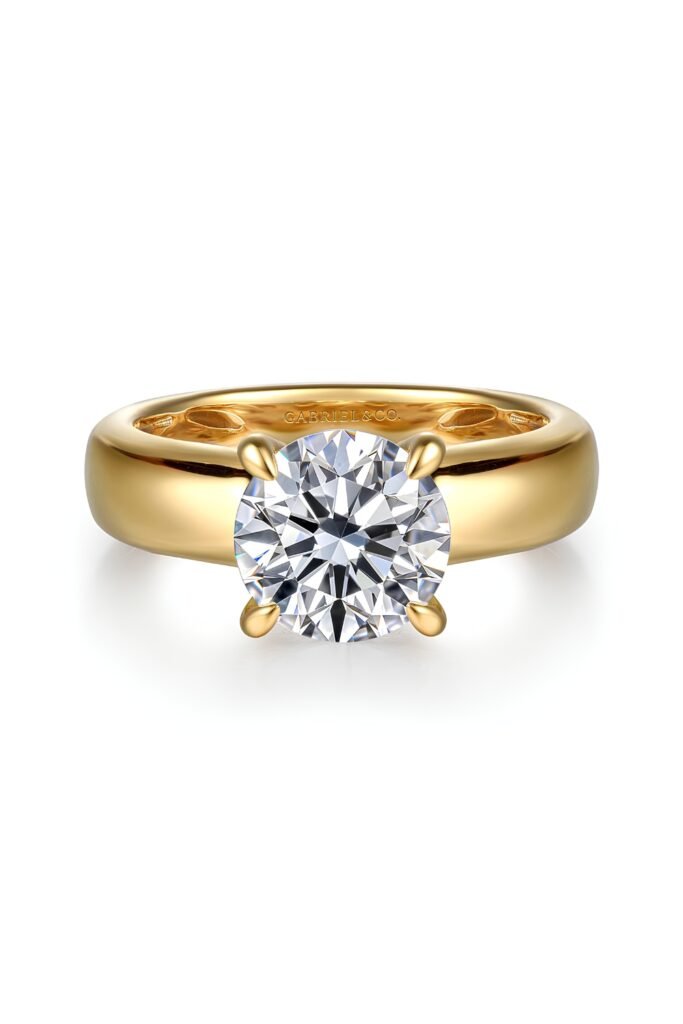
Save10. Wide Gold Solitaire
Keep the center stone classic but replace the ultra-thin shank with a visibly wider gold band. The extra metal gives the ring presence even without side stones.
Wider bands are increasingly being chosen as part of the engagement ring itself, sometimes reducing the need for a conventional stacked wedding band.
Best for: minimalists who still want visual weight.
 Save
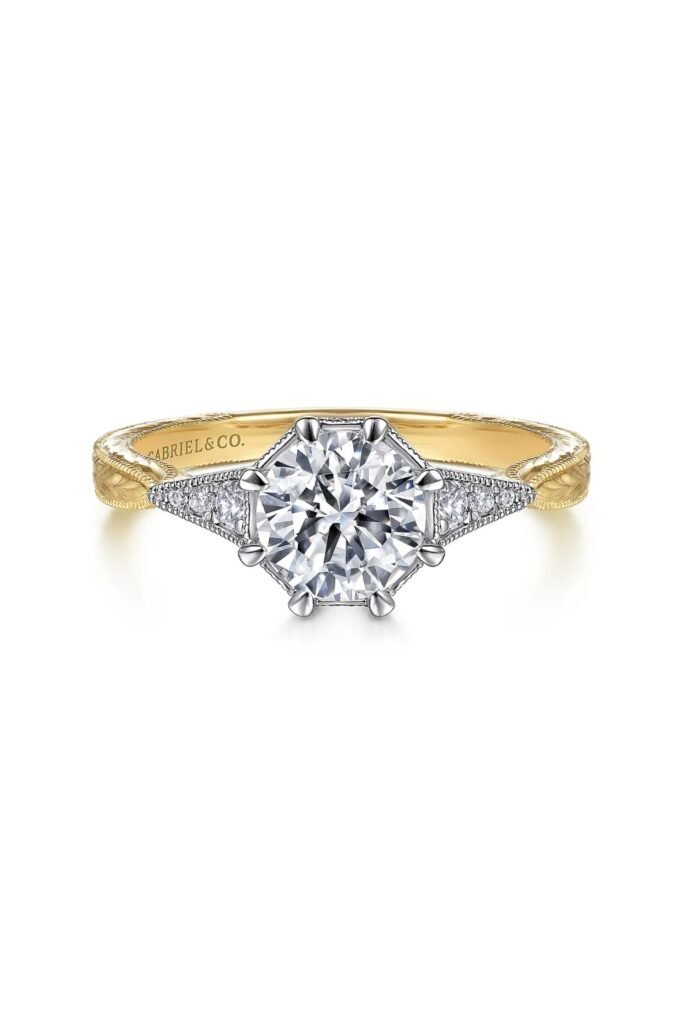
Save11. Mixed-Metal Vintage-Modern Ring
Pair an antique or antique-style center stone with contrasting metals, yellow gold plus platinum/white-metal details, or a modern gold band with an older mounting language.
Mixing metals with an old stone and a cleaner modern setting keeps vintage inspiration from looking like costume jewelry.
Best for: heirloom resets, vintage-modern wardrobes.
 Save
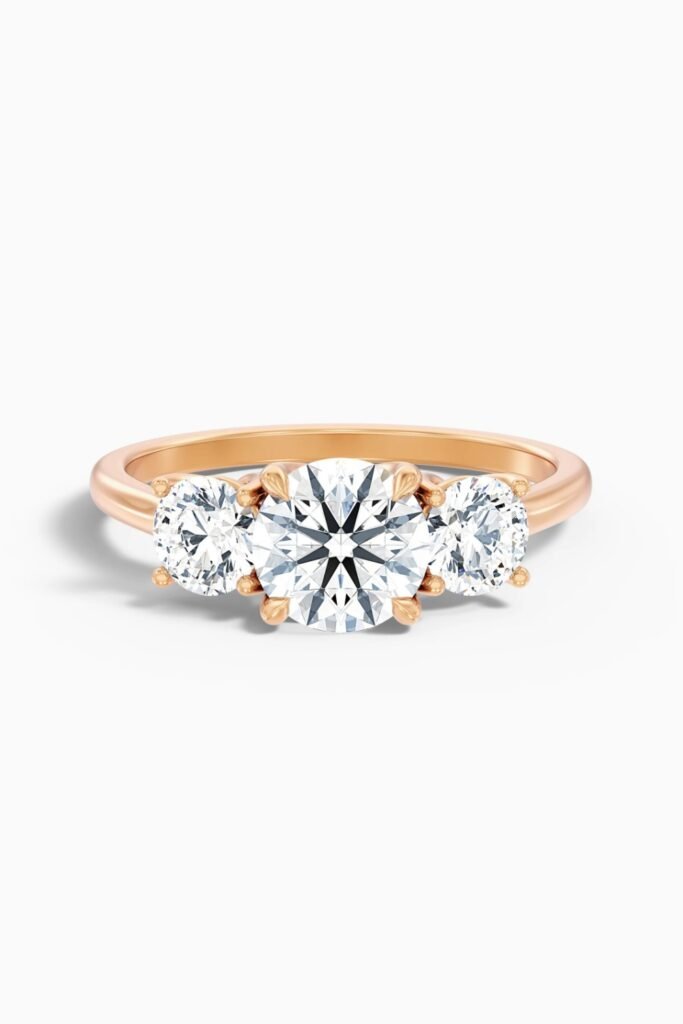
Save12. Three-Stone Ring
Use one center stone with two smaller side stones. The side stones can match, contrast in shape, or introduce color while keeping the ring balanced.
GIA notes the longstanding symbolism of three-stone rings, often read as past, present, and future. In 2026, the format also offers a strong alternative to the one-big-stone solitaire.
Best for: symbolic designs, side-stone lovers, classic elegance.
 Save
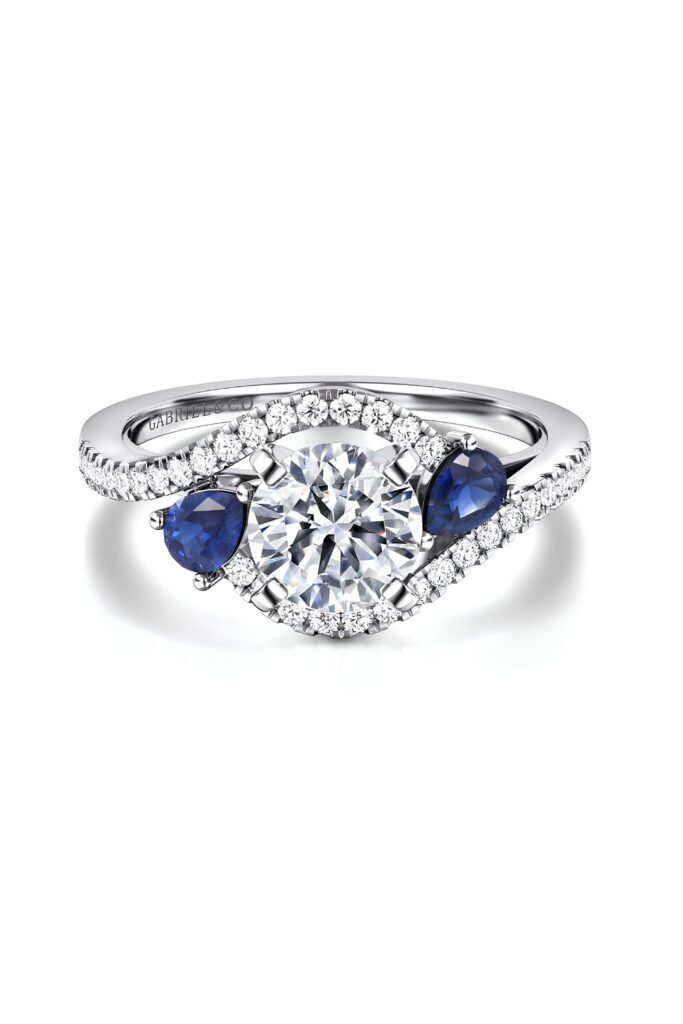
Save13. Sapphire and Diamond Ring
Use sapphire as the center stone or as side accents beside a diamond. Blue is classic, but sapphires occur in other colors as well.
GIA highlights sapphire as a longstanding engagement-ring gemstone associated historically with sincerity, truth, and faithfulness. For daily wear, gemstone quality and setting protection still matter.
Best for: colored-stone lovers, heirloom aesthetics.
 Save
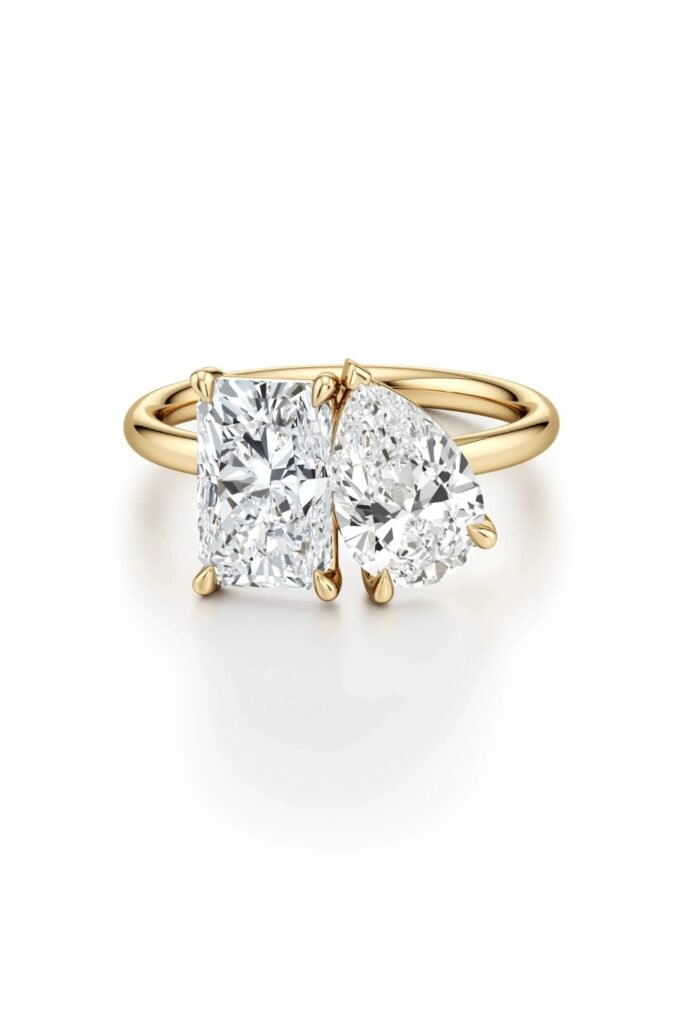
Save14. Toi et Moi Ring
Pair two different stones or shapes so they meet across the finger. Diamond with sapphire is classic; contrasting cuts can make the design more personal.
The toi et moi concept has centuries of history, GIA notes Napoleon’s sapphire-and-diamond ring for Joséphine, yet the asymmetry still feels contemporary.
Best for: symbolic couples, mixed gems, asymmetric design.
 Save
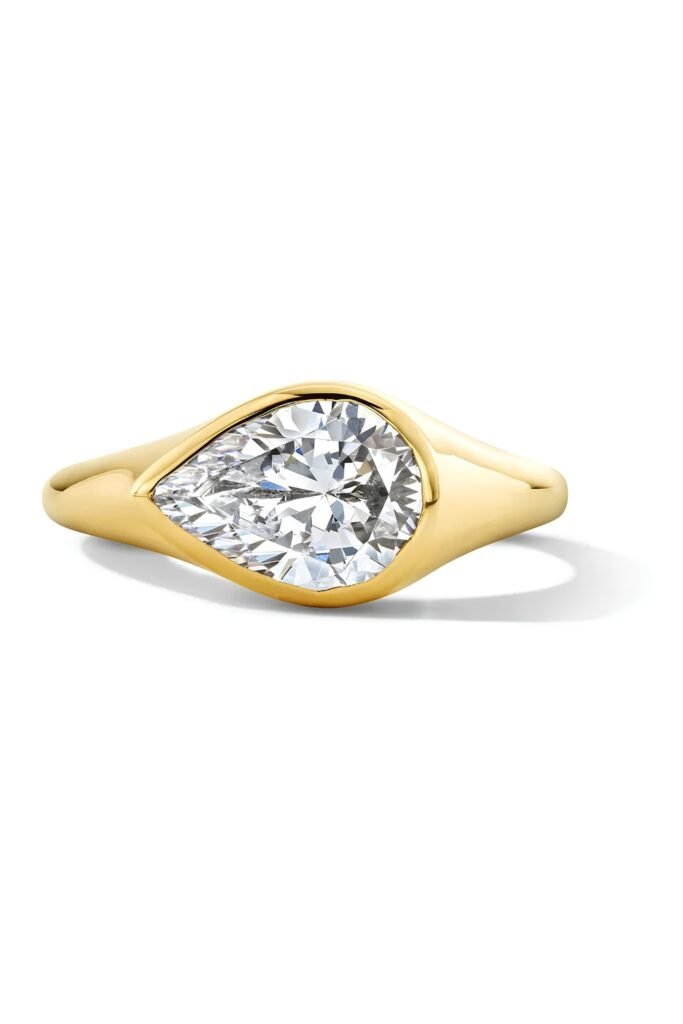
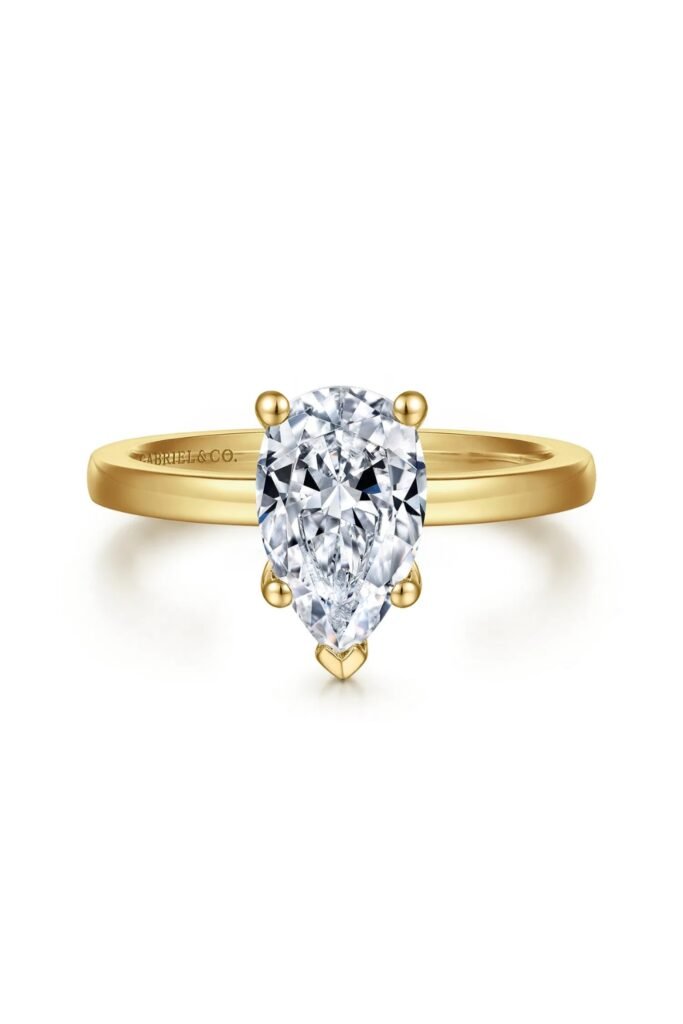
Save15. Pear-Shaped Diamond on Gold
A pear combines a rounded base with one pointed tip, giving an elongated look with a softer outline than marquise. A substantial gold band updates the familiar shape.
Pear shapes pair well with thicker gold bands. Protect the pointed end with a secure setting.
Best for: romantic silhouettes, warm gold, elongated stones.
 Save
Save16. One-and-Done Statement Ring
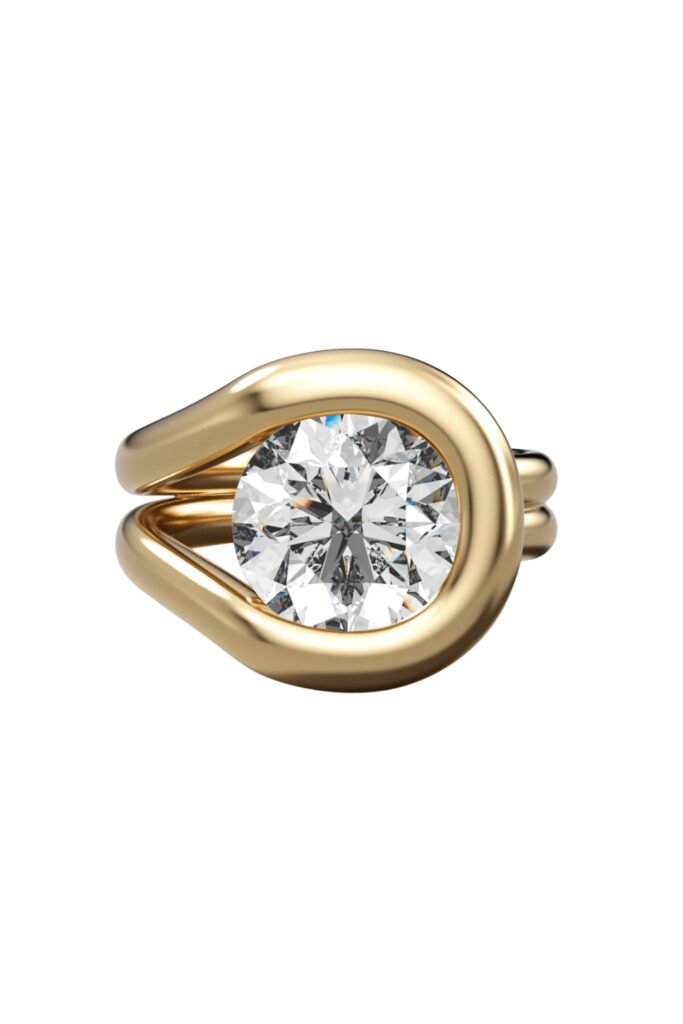
Choose a bold ring designed to stand alone: substantial gold, an angular cluster, sculptural setting, or integrated center stone that does not need a conventional wedding band beside it.
A one-and-done ring frees you from the standard solitaire-plus-band formula.
Best for: maximalists, unconventional brides, statement jewelry.
 Save
SaveQuick Guide: Which Ring Style Fits You?
| Your style | Strong choices | Why | Check before buying |
| Vintage | Antique cushion, Old European | Individual facets + history | Condition, provenance, setting |
| Modern | East-west bezel, sculptural signet | Low-profile, design-led | Band width and finger coverage |
| Classic but current | Marquise, wide-band solitaire | Familiar stone, updated proportions | Tip protection, wedding-band fit |
| Warm / tonal | Champagne, yellow diamond | Softer color palette | Color appearance in varied light |
| Color lover | Sapphire, toi et moi | Personal color + symbolism | Gem durability and setting |
| Statement | One-and-done, chunky bezel | Needs no elaborate stack | Comfort and everyday practicality |
The Biggest Engagement Ring Trends Right Now
Antique cuts are the clearest shift away from uniformity. Old Mine, Old European, and elongated antique cushions bring visible irregularity, warmth, and history. Elongated shapes remain important, but marquise, pear, and antique cushion are taking more attention alongside oval.
Settings are changing too. Bezels, east-west orientation, thicker yellow-gold bands, mixed metals, and sculptural forms are making the mounting part of the ring’s identity rather than a nearly invisible support.
Style Is Only Half the Decision
An engagement ring is everyday jewelry, so the setting should suit how you use your hands. High prongs can catch more easily than lower-profile settings; pointed stones such as marquise and pear need secure tip protection; wide bands can feel different between the fingers.
Planning the full look? Our bridal nail designs and a clean micro French manicure keep the attention on the stone.
For diamonds, ask for an independent grading report from a respected gemological laboratory when appropriate. For colored stones, consider durability, treatments, color quality, and setting protection, not only how the stone looks in one photograph.
Natural, Lab-Grown, Antique, or Colored Gemstone?
These are different choices, not a quality ranking. Antique natural diamonds offer history and irregular character. Modern natural and laboratory-grown diamonds can both deliver precise contemporary cuts. Colored gemstones introduce a different palette and symbolism.
GIA notes sapphire, ruby, spinel, aquamarine, emerald, morganite, and other colored gems as engagement-ring alternatives. The practical choice depends on budget, durability, treatment disclosure, personal values, and how the ring will be worn.
Frequently Asked Questions
What engagement ring styles are trending in 2026?
Antique-cut diamonds, east-west settings, bezel settings, chunky yellow-gold bands, sculptural forms, marquise and elongated stones, warm diamonds, mixed metals, and more individualistic one-and-done rings are major 2026 directions.
Are oval engagement rings still popular in 2026?
Yes. Ovals remain popular, though marquise, elongated antique cushions, pear shapes and east-west settings suit anyone who wants something less uniform.
What is an east-west engagement ring?
It sets an elongated stone horizontally across the finger rather than vertically. Emerald, oval, marquise, and elongated cushion stones are common choices for this orientation.
Are bezel engagement rings in style for 2026?
Yes. Bezels are one of the strongest current setting trends, especially with thicker gold bands and east-west stones. They create a clean, metal-forward, often lower-profile silhouette.
What vintage engagement ring styles are popular now?
Old Mine diamonds, Old European cuts, elongated antique cushions, Art Deco references, mixed-metal mountings, and vintage east-west settings are receiving strong attention in 2026.
Are colored engagement rings popular in 2026?
Yes. Warm diamonds such as champagne and yellow tones are trending, while sapphire and other colored gemstones remain meaningful alternatives to colorless diamonds.
What engagement ring is best for an active lifestyle?
Lower-profile settings and secure stone protection can be useful for active wear. Bezels can reduce exposed edges, while pointed marquise and pear stones need secure tip protection. A jeweler should assess the exact design.
Should I choose a trendy engagement ring?
Choose a trend only if it reflects your long-term taste. Orientation, metal, stone character, comfort, durability, and how the ring works with or without a wedding band matter more than being current.
The Ten-Year Test
Imagine the ring without the celebrity reference, trend label, or social-media caption. Do you still love the stone shape, metal, setting, and proportion on your own hand?
If yes, the trend has done its job: it helped you discover a design that feels personal. If not, keep looking. An engagement ring can be current in 2026 without becoming dated in 2036.