Eyebrow threading is a precise, chemical free way to shape your brows. The technique has been used for centuries in parts of South Asia and the Middle East and is now offered in salons and brow bars around the world.
If you have ever wondered how a simple piece of thread can shape brows so neatly in just a few minutes, here is everything you need to know.
What Is Eyebrow Threading?
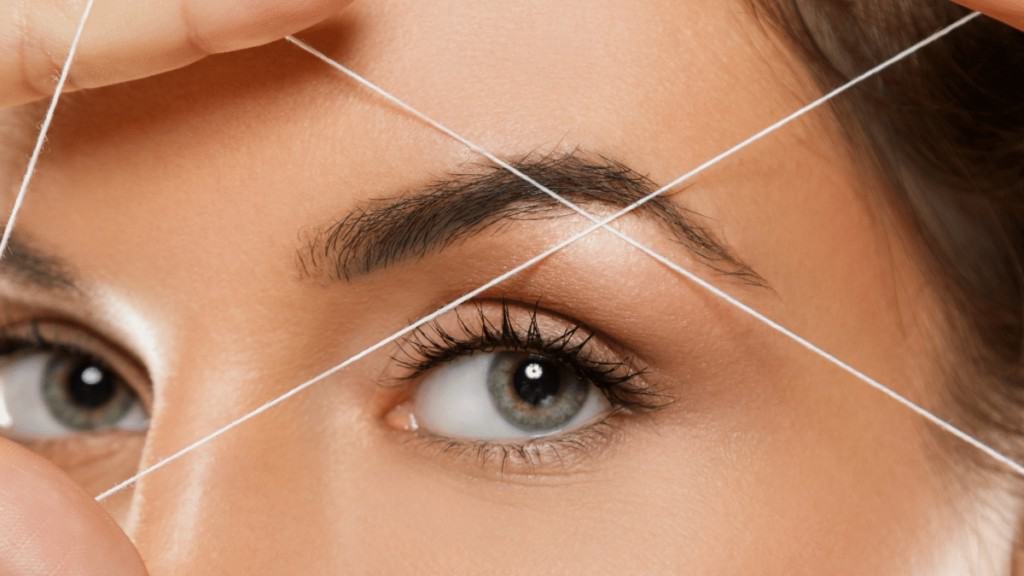
Threading uses a thin cotton thread that is doubled and twisted. The practitioner rolls the twisted thread across the skin, trapping rows of small hairs and lifting them out from the root.
 Save
Many threaders hold one end of the thread in their mouth to keep it taut while their hands control the twist. Others use a hands only technique, sometimes called the butterfly method, where the thread is looped around the fingers.
You will usually be asked to hold your skin taut around the brow, which makes the process quicker and more comfortable. A full brow shape typically takes around 10 to 15 minutes.
Benefits of Eyebrow Threading
Threading is very precise, because the practitioner can remove single hairs or fine rows to create a clean, defined shape. No wax, heat or chemicals are used.
Because no wax is applied, threading can be a good option for people with sensitive skin, or for those using skincare such as retinoids that can make the skin more fragile and prone to lifting or irritation with waxing.
Threading also removes very fine, short hairs that tweezers can miss, and many people find it less irritating than waxing.
Hygiene matters, so choose a clean, reputable salon. The threader should use a fresh piece of thread for every client, wash their hands and cleanse your skin before starting.
Threading is not just for brows. It is also used on the upper lip, chin, forehead and sides of the face to remove fine hair.
Disadvantages of Threading
Threading can feel uncomfortable, especially the first time, and the skin may look red for a short while afterwards. Some people experience small bumps or breakouts.
Avoid threading over broken, sunburnt or irritated skin, active spots or cold sores, and check with your doctor first if you have recently had cosmetic treatments or surgery on the area.
How Often Should You Thread?
Most people book a threading appointment every two to four weeks, depending on how quickly their hair grows. Because hairs are removed from the root, results last longer than shaving or trimming.
How to Find the Right Threader
Look for a salon with good reviews and high hygiene standards, and ask to see examples of their work. Before you start, talk about the shape you want so your threader can tailor it to your face. A well shaped brow can frame your face beautifully, much like a curtain or wispy fringe.
How Much Does Eyebrow Threading Cost?
Prices vary by location and salon, but brow threading is usually one of the more affordable brow treatments. Many salons offer packages that include the upper lip or full face.
Aftercare Tips
Avoid touching the area, applying makeup or using strong skincare for a few hours afterwards. A soothing gel such as aloe vera can calm redness. Avoid saunas, swimming pools and direct sun for the rest of the day.
FAQs
Does eyebrow threading hurt?
It can sting a little, especially the first time, but most people find it quick and manageable. It usually becomes more comfortable with regular appointments.
Is threading better than waxing?
Threading is more precise and avoids wax and heat, which suits sensitive skin. Waxing can be faster for larger areas. The best choice depends on your skin and preferences.
How long does eyebrow threading last?
Results usually last two to four weeks, depending on how fast your hair grows.