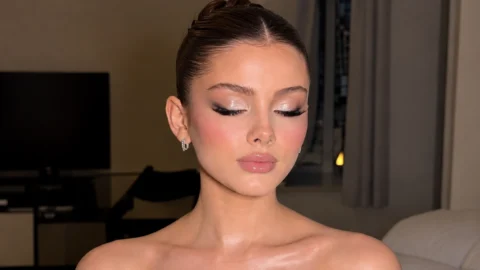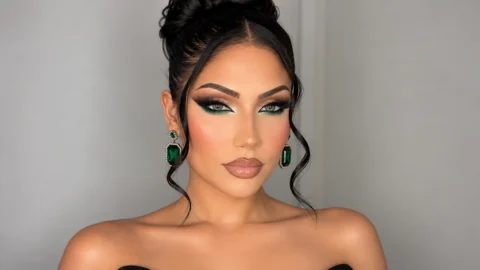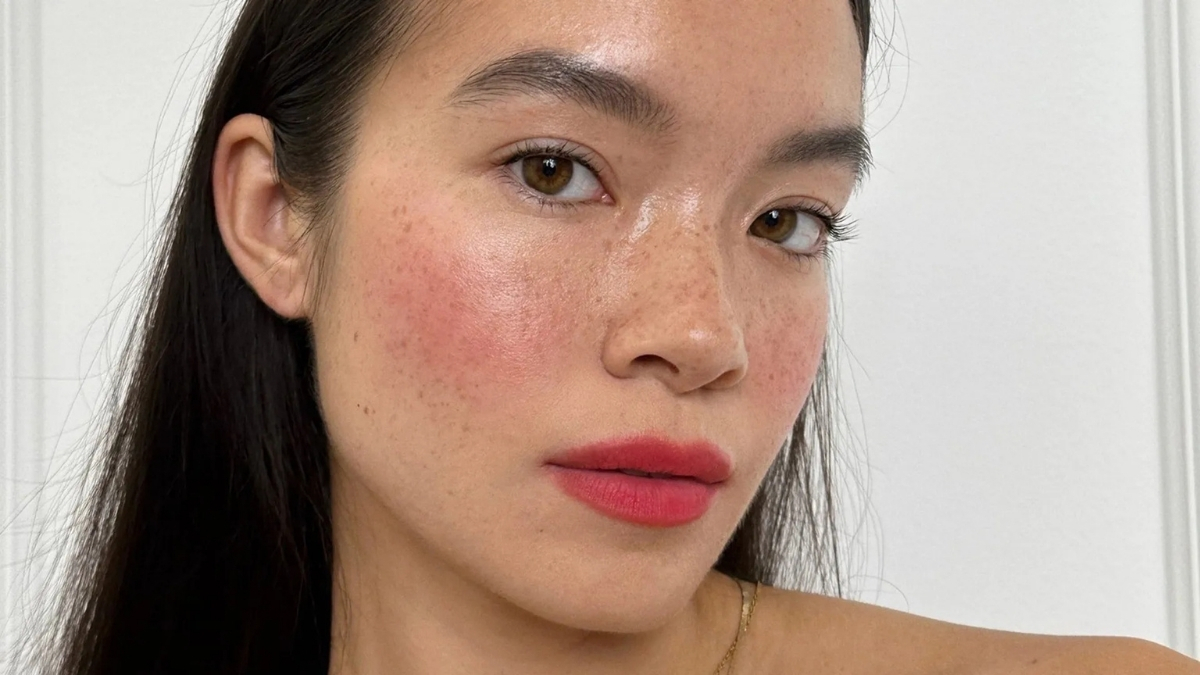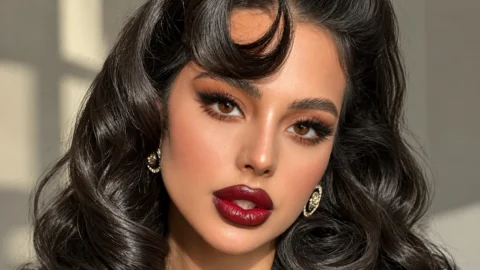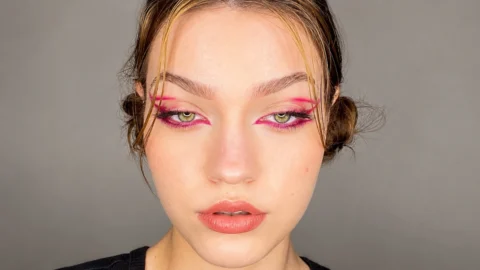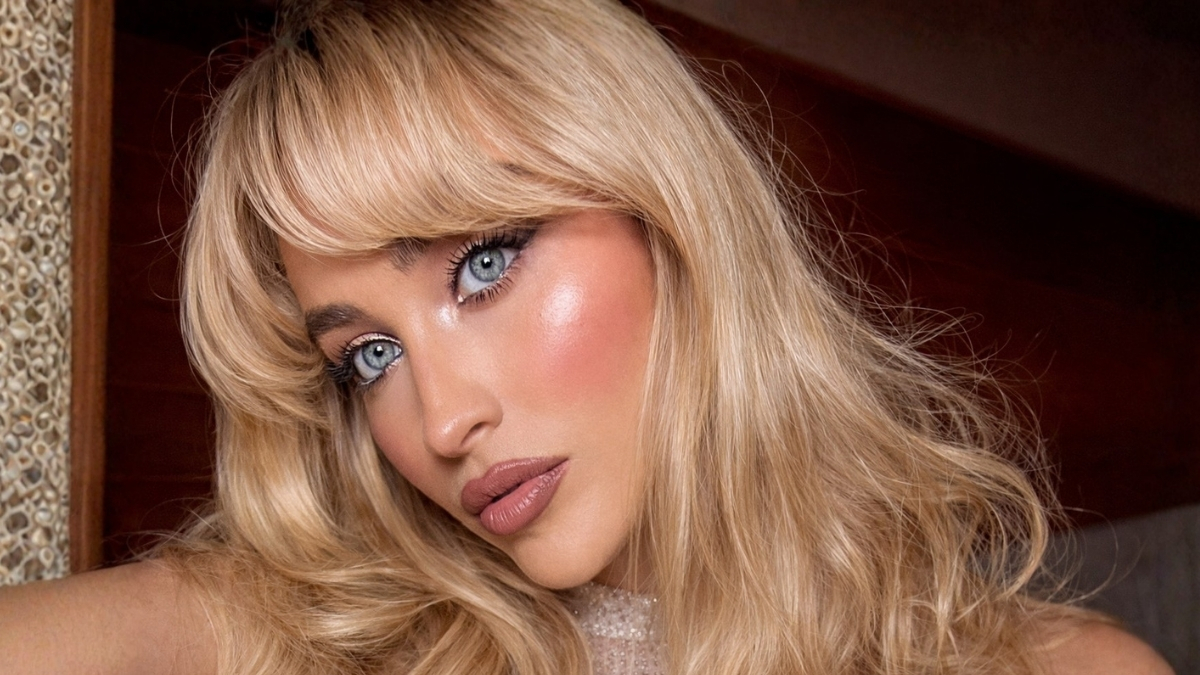
Sunset makeup fails in one specific, recognisable way, and a celebrity makeup artist named it precisely.
Robert Sesnek, who has worked with Kristin Cavallari and Hailey Bieber, points out that because the colours involved are so bright and vibrant, a poor blend gives the whole thing a paint-by-numbers feeling. Bands of colour sitting next to each other rather than melting into each other.
That is the entire challenge. A lazy blend in taupe and brown is invisible. The same lazy blend in orange and hot pink is a stripe. Which means sunset makeup is judged almost entirely on its transitions rather than on its colours, and it also means some sunset looks are dramatically easier than others.
This gallery is sorted on that basis, from the shades that forgive a messy hand to the ones that expose everything.
The Two Rules That Prevent Muddiness
Lightest first, always. Apply your lightest shade before anything darker. When a darker colour goes over a lighter base, it blends without turning muddy. Reverse the order and you are dragging dark pigment across bare lid, which is where mud comes from.
Clean your brush between shades. A blending brush loaded with orange will drag orange into your purple. Wipe it, or keep a second brush for blending only. This one step accounts for more muddy sunset eyes than any other single factor.
Both are sequencing rather than skill, which means they are free improvements available to anyone.
Most Forgiving: Rust and Terracotta
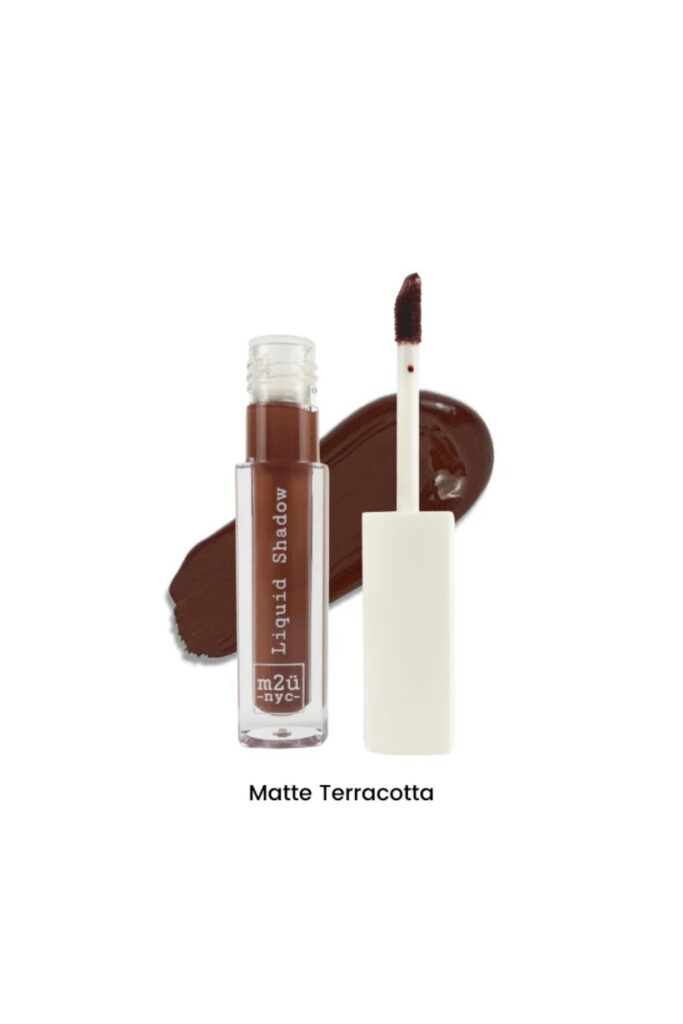
1. Soft Terracotta Wash
A single terracotta shade washed across the lid and blended slightly above the crease.
The easiest entry point on this list. Rust and terracotta sit close to brown on the colour wheel, which means they blend more easily, forgive imprecise application, and look intentional even when you were rushing.
One shade. No gradient to get wrong.
 Save
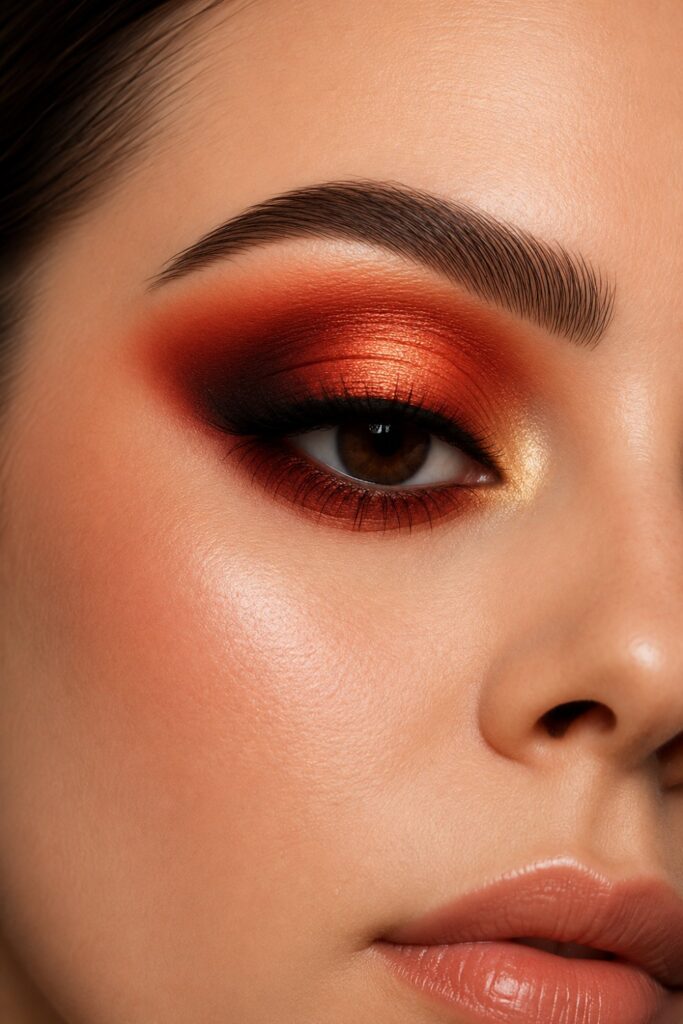
2. Burnt Orange Smoky Eye
Burnt orange layered into the crease with a dark brown or deep burgundy at the outer corner and along the lower lash line.
Warmer and considerably less harsh than a black smoky eye, and more wearable in daylight. The structure is identical to a standard smoky eye, which means anyone who can already do one can do this.
The lower lash line matters here. Skipping it leaves the eye top-heavy.
 Save
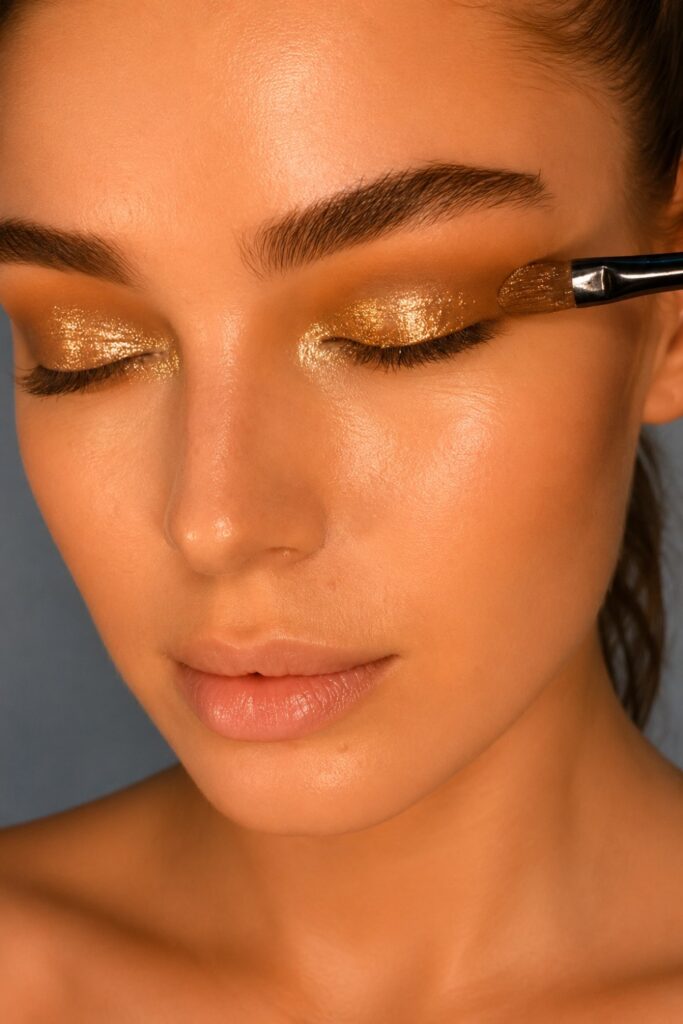
3. Copper Shimmer Lid With a Nude Lip
A copper metallic pressed onto the centre of the lid, everything else left simple.
The minimum-effort sunset look and a legitimate one. Pressing a metallic on with a flat brush or fingertip requires no blending skill at all, because there is nothing to blend it into.
Press rather than sweep. Sweeping a metallic breaks up the reflectivity that makes it worth wearing.
 Save
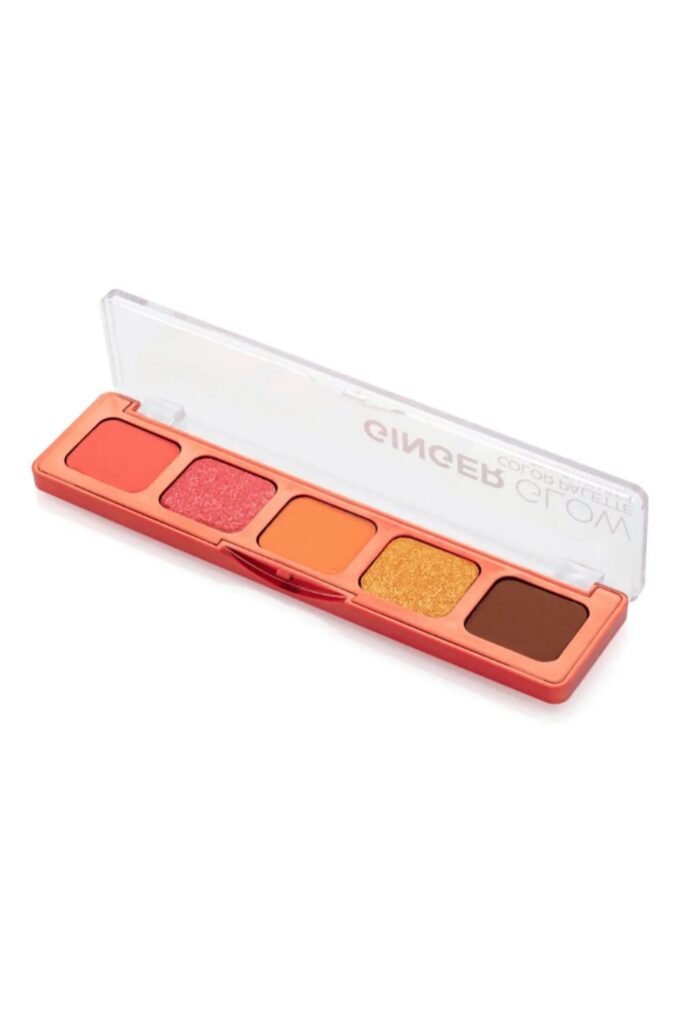
4. Terracotta With Gold Inner Corner
Terracotta across the lid with a gold or warm yellow pressed into the inner corner.
The inner corner highlight is the single highest-return step in sunset makeup. It brightens the eye, adds the warm-light suggestion the whole look is built on, and takes about four seconds.
Sesnek describes finishing with gold or yellow at the brow bone or inner corner as what pulls the look together, and that is precisely the effect.
 Save
Moderate: Two-Colour Gradients
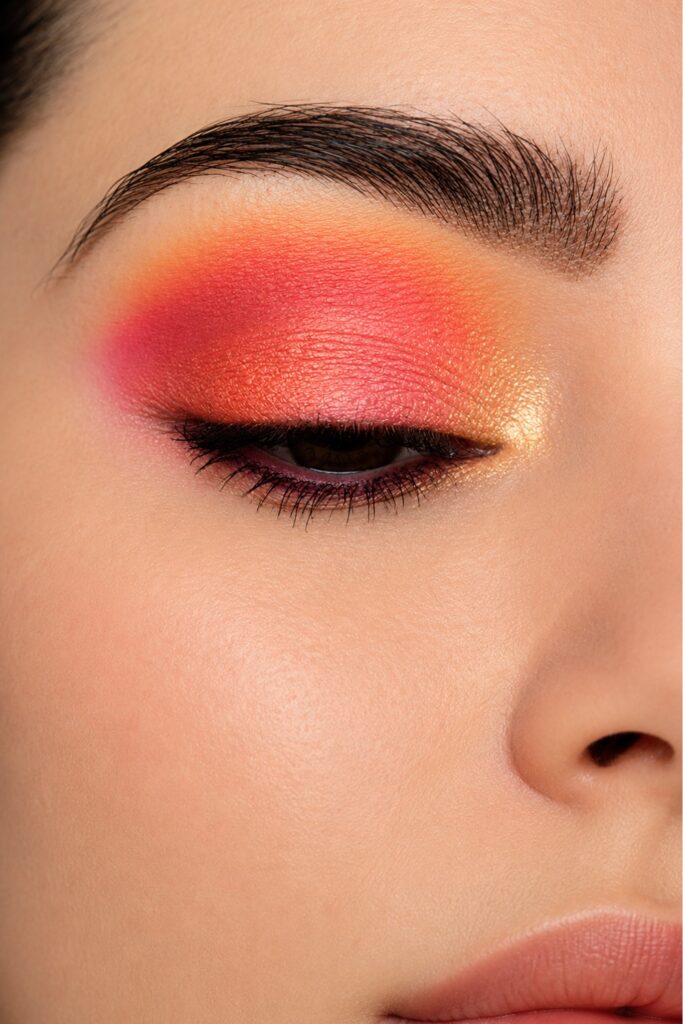
5. Classic Orange-to-Pink Lid
Orange across the outer two-thirds of the lid, hot pink on the outer third, blended where they meet.
The archetypal sunset eye. Two colours, one transition, and the entire look succeeds or fails at that single join.
Build the pink gradually rather than packing it on. It is far easier to add more than to correct an overloaded outer corner.
 Save
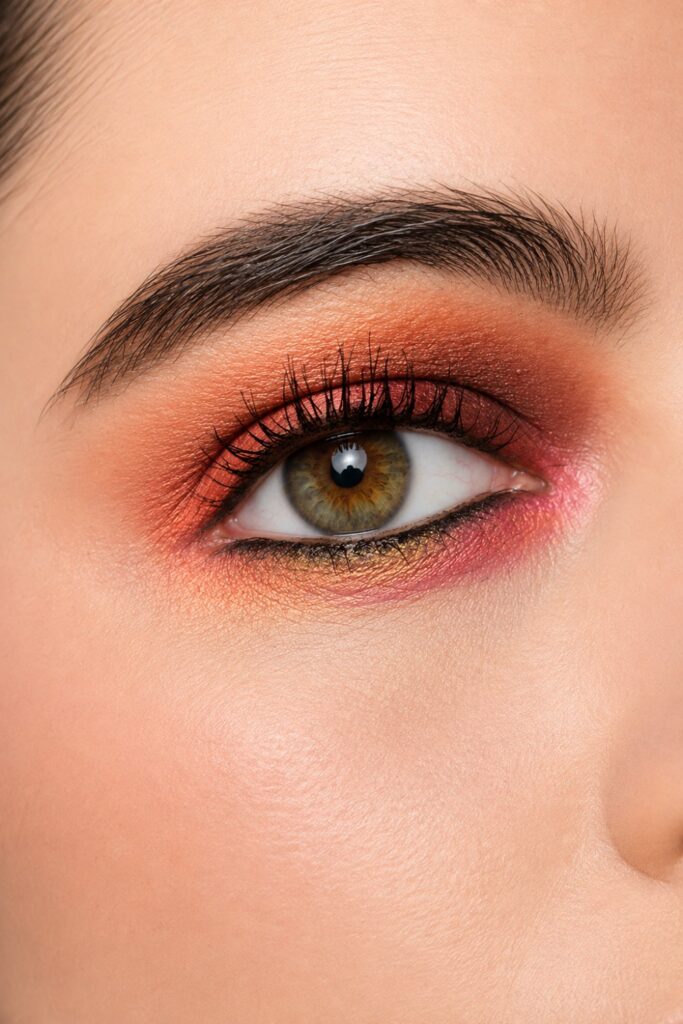
6. Coral Base With Pink Crease
A coral pinkish-orange packed across the lid with bright pink worked into the crease and diffused at the edges.
The gentler version of the look above, because coral and pink are closer in tone than orange and pink, so the transition is shorter and more forgiving.
Pack the colour on the outer edge of the lid where you want the intensity, and let it fade inward.
 Save
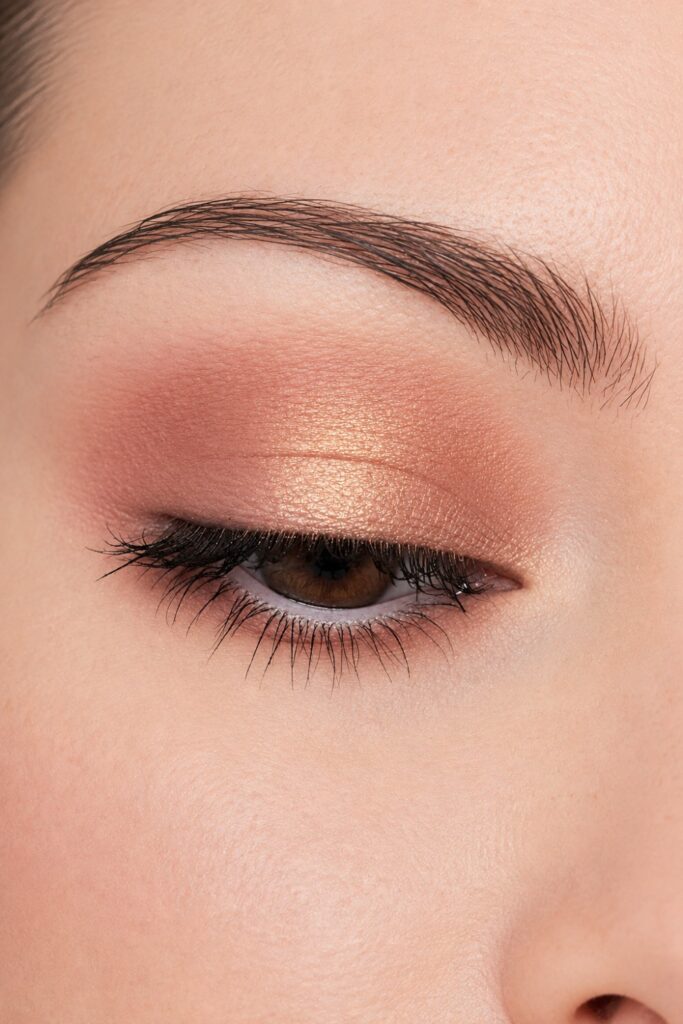
7. Peach to Gold Daytime Gradient
Soft peach on the outer lid melting into gold at the inner half.
The wearable daytime version. Nothing here is bright enough to expose a mediocre blend, which makes it the sunset look most likely to survive being done in ten minutes before work.
Also the most flattering starting point for anyone nervous about warm tones near the eye.
 Save
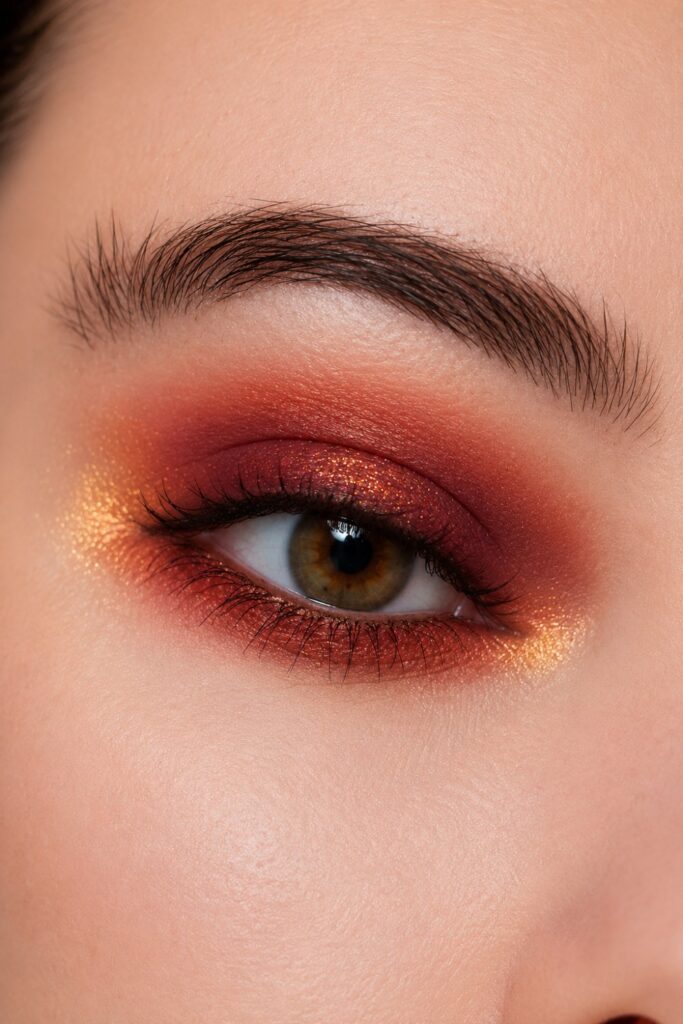
8. Rust With Burgundy Outer V
Rust across the lid with burgundy concentrated in the outer V and blended upward into the crease.
Burgundy does the work purple does in brighter versions, but with more forgiveness because it is deeper and less saturated. The depth at the outer corner is what stops a warm eye looking flat.
Keep the burgundy in the outer third. Taken across the whole lid it reads as a bruise rather than a sunset.
 Save
Demanding: Full-Spectrum Gradients
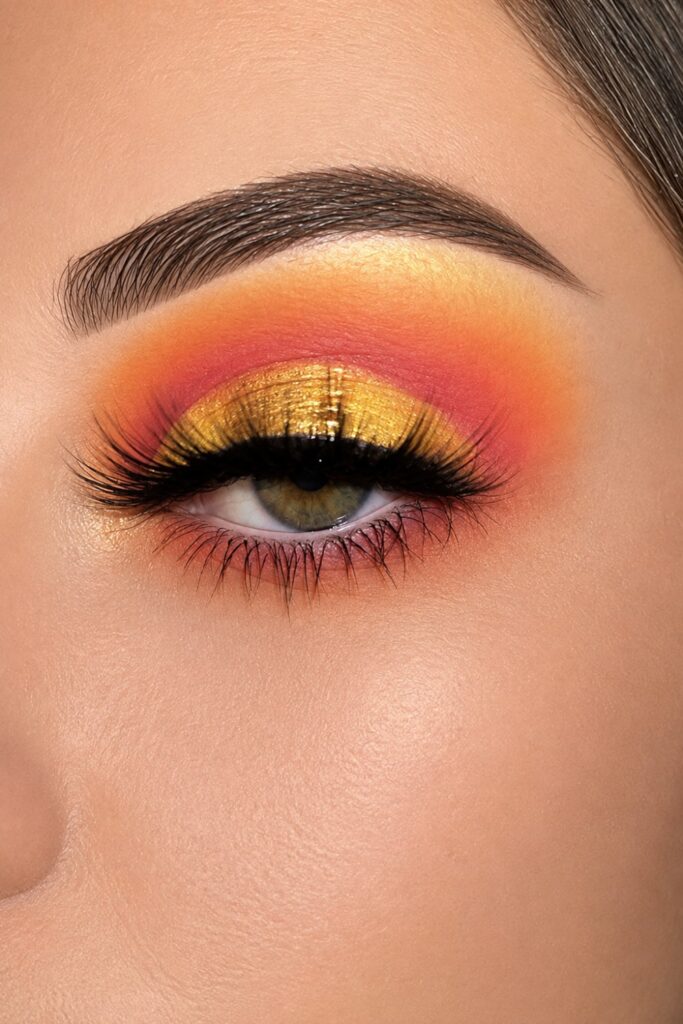
9. The Full Sunset Gradient
Gold or yellow at the inner corner, orange through the middle, pink at the outer third, purple or plum in the outer V and crease.
The complete look, and the one people picture. Four colours and three transitions, every one of which has to disappear.
This is where Sesnek’s warning applies most directly. Work through the transitions with a clean brush and small circular motions, and accept that it takes longer than you expect.
 Save
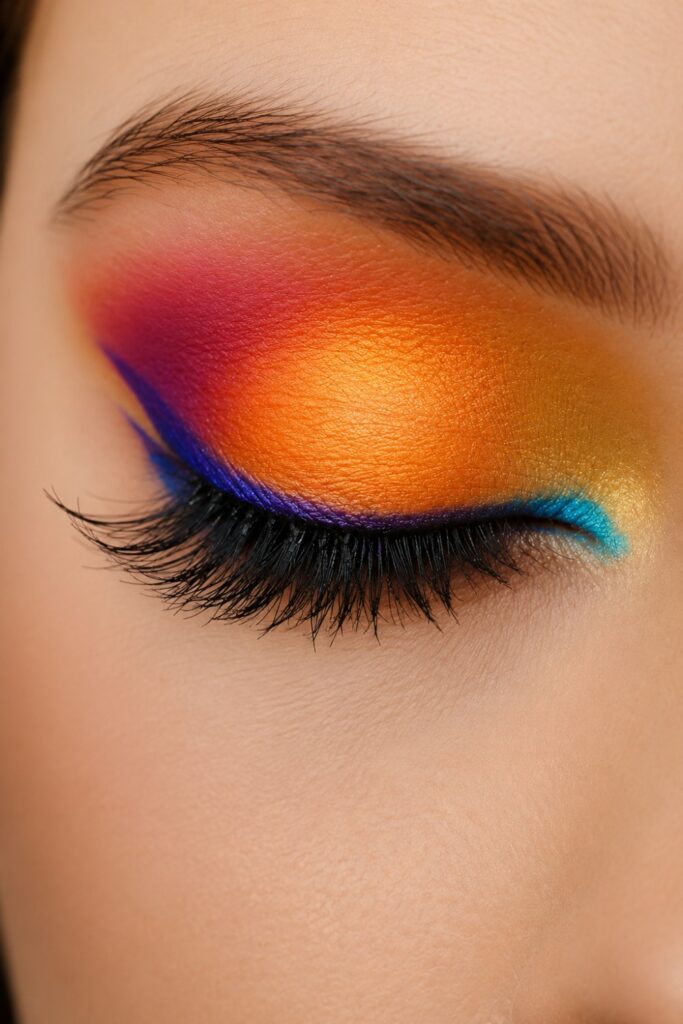
10. Horizontal Sunset Gradient
The same colours arranged horizontally across the lid rather than in the standard crease-and-lid structure, mimicking an actual horizon.
More literal and more difficult, because a horizontal gradient has nowhere to hide. The eye socket usually helps disguise transitions; laid flat across the lid it does not.
Blend along the join rather than across it, which keeps the bands from smearing into each other.
 Save
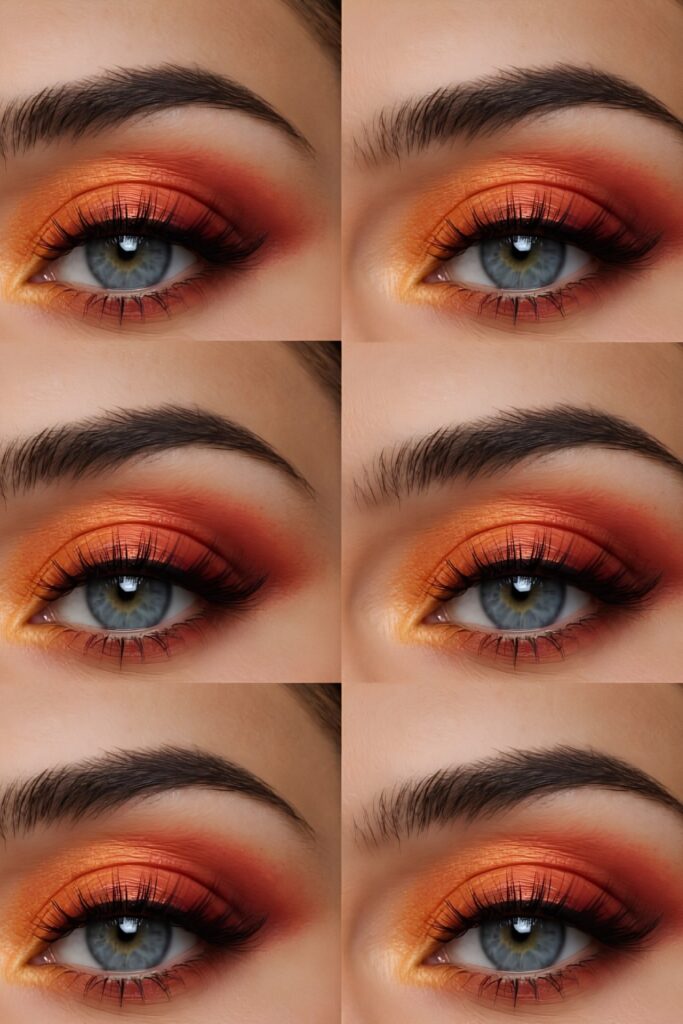
11. Sunset Halo Eye
Darker shades at both the inner and outer corners with the brightest colour concentrated in the centre of the lid.
The halo structure makes the centre appear lit from within, which suits the sunset premise better than any other eye shape. It also demands symmetry between the two corners, which is what makes it hard.
Place the centre colour last, after both corners are blended, so it stays clean.
 Save
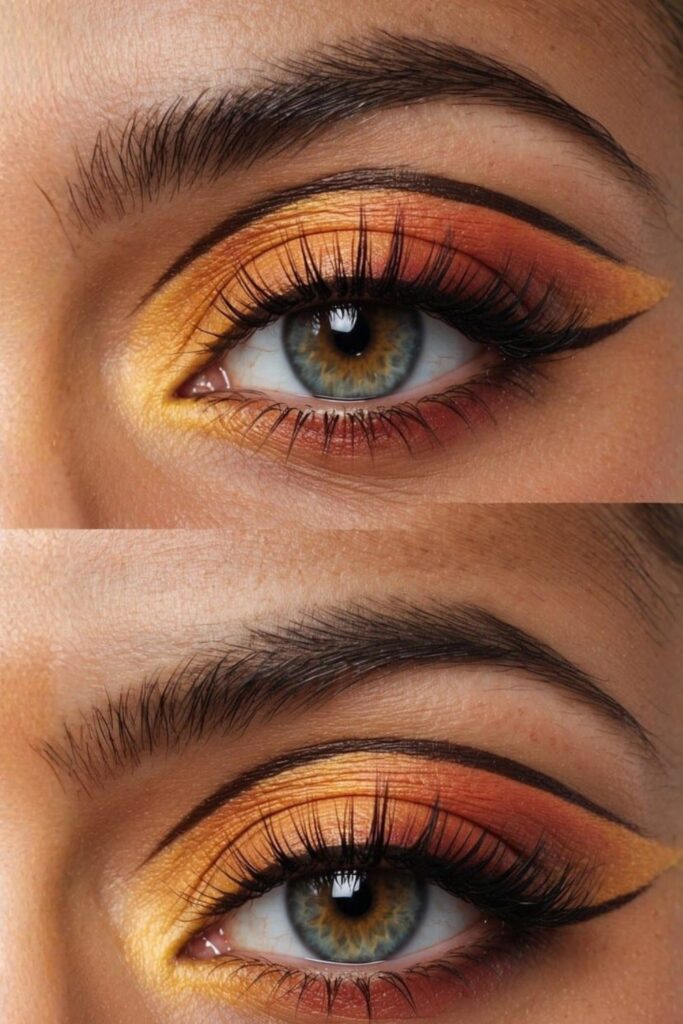
12. Sunset Cut Crease
A sharp cut crease with sunset colours above and below the line.
The most technically demanding entry. A cut crease requires a clean line, and sunset colours require soft transitions, so you are doing both opposite things on one eye.
Use concealer to carve the line rather than trying to keep the shadow off it. It is the only reliable method.
 Save
Beyond the Eyes
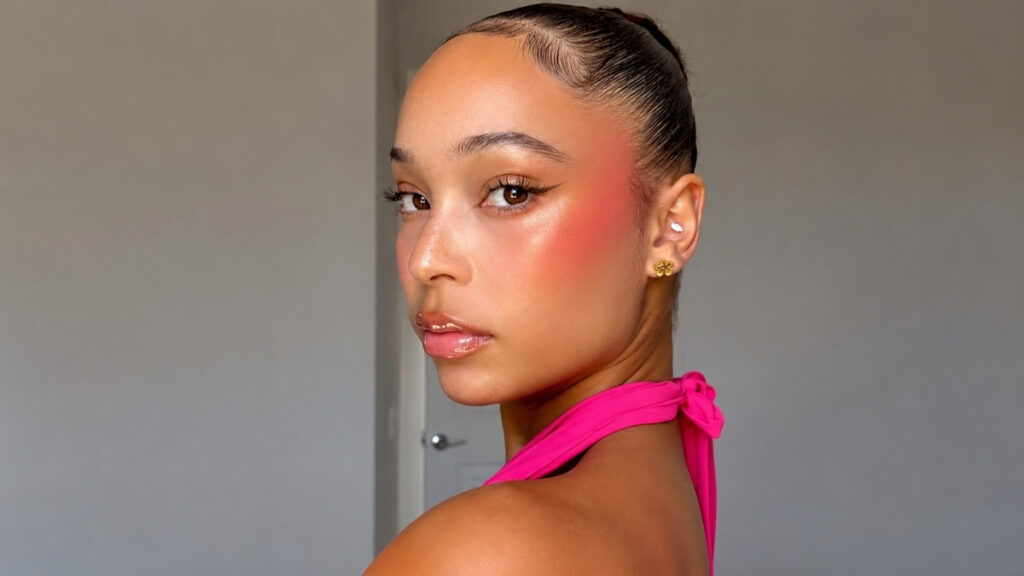
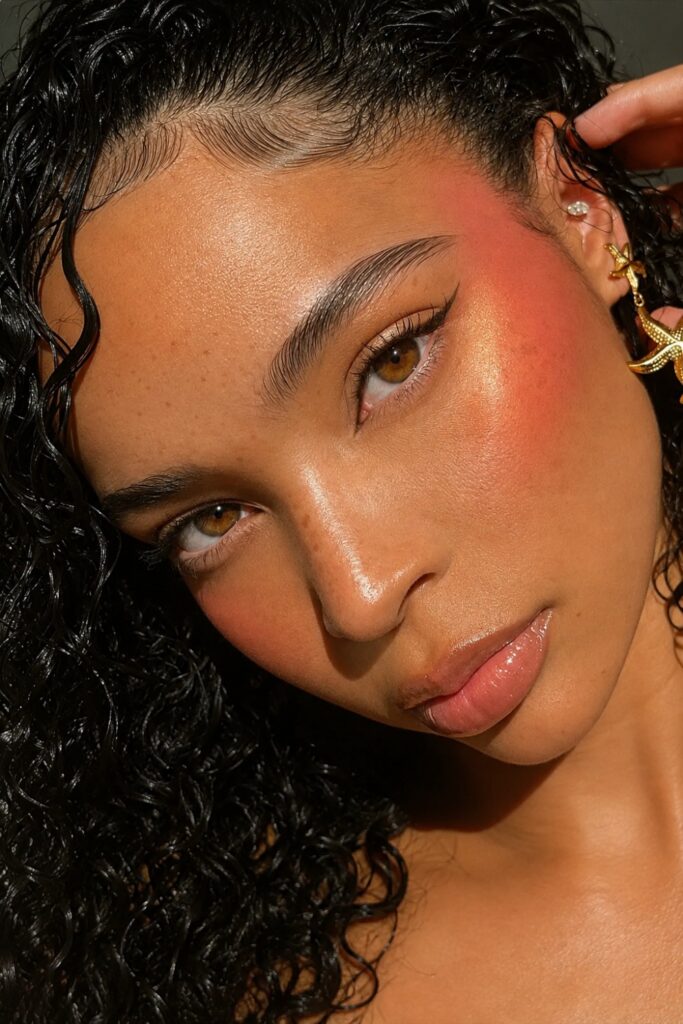
13. Sunset Blush
An orange-pink gradient blended across the cheekbones rather than a single blush shade.
This came out of the sunset blush wave that took over social media, and it works because two blended tones on the cheek read as a flush rather than as applied product.
Orange low on the cheekbone, pink above it, blended where they meet. The same logic as the eye, applied horizontally.
 Save
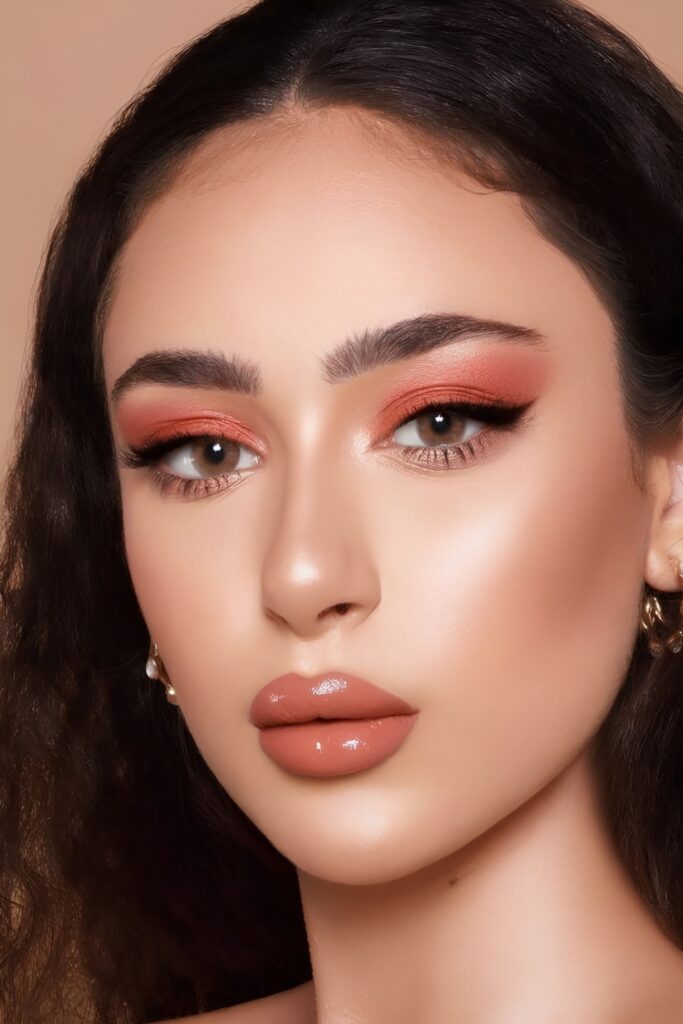
14. Monochromatic Sunset Face
Eyes, cheeks and lips all in the same warm family.
Monochrome is the easiest way to make a bold colour look deliberate, because nothing is competing. It also removes the question of what lip goes with an orange eye, which is the thing that stops people wearing one.
Vary intensity rather than shade. Same family, different strengths, at each of the three points.
 Save
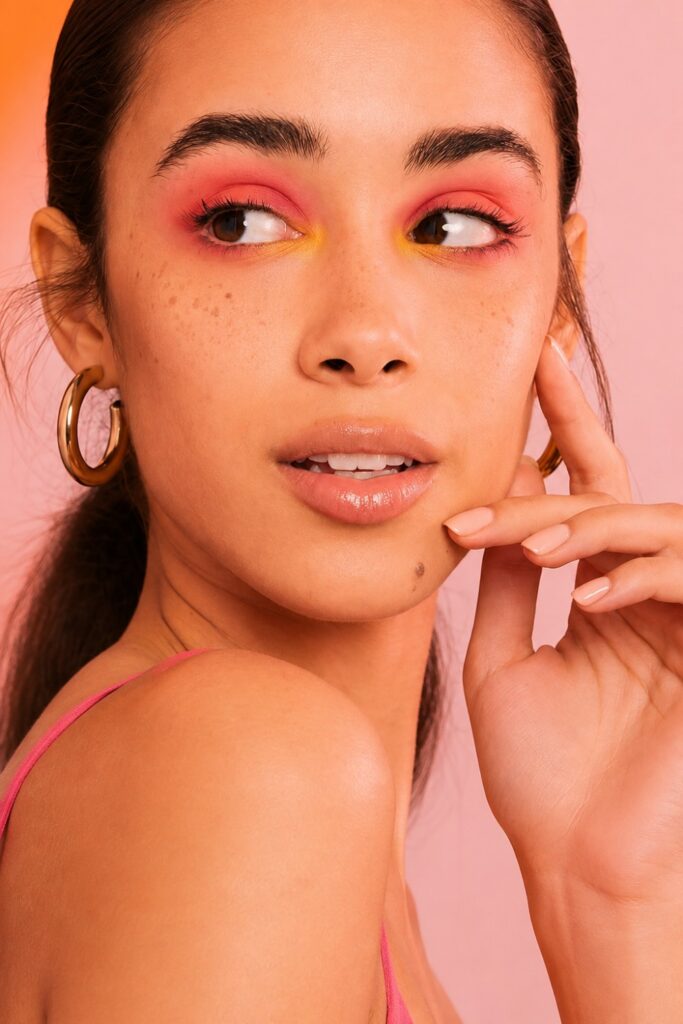
15. Sunset Eye With a Nude Lip
Full colour on the eyes, everything else stripped back.
The safe pairing and the reason it is on this list: a bright eye with a bright lip is a decision, and a bright eye with a nude lip is wearable anywhere. If you are unsure, this is the answer.
Choose a nude with warmth in it. A cool nude fights an orange eye.
 Save
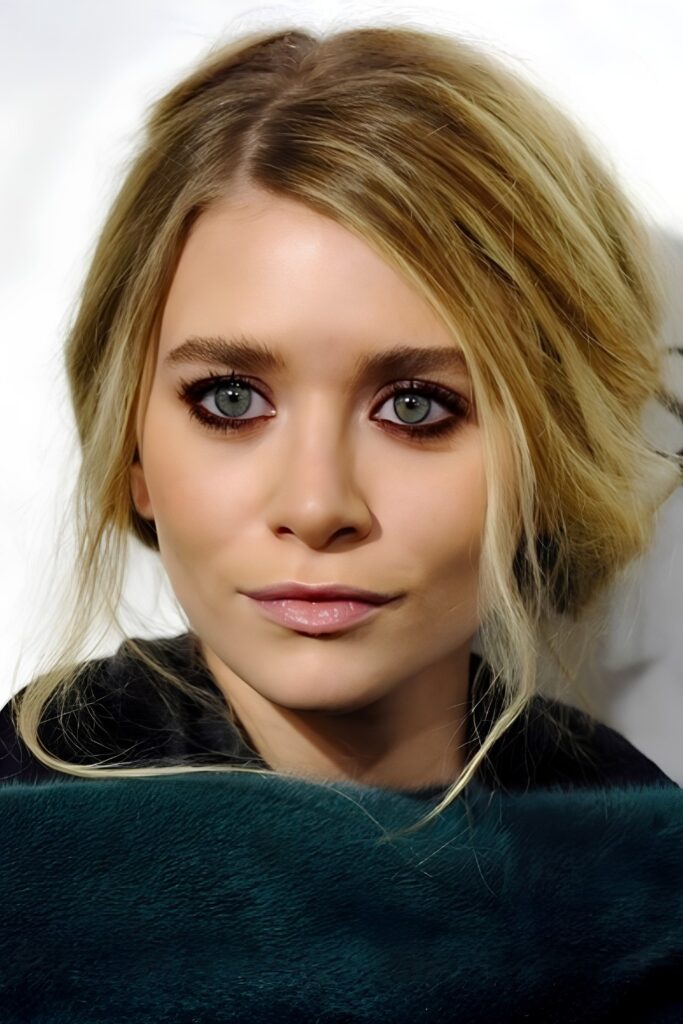
16. Sunset Eye With Coloured Mascara
The gradient finished with burgundy mascara rather than black.
Sesnek suggests black on the upper lashes and burgundy on the lower, which is a genuinely clever detail: the burgundy picks up the warm tones without the harshness black brings to a lower lash line.
The smallest change on this list and one of the most noticeable.
 Save
Making It Last, and Making It Work on Your Eye Shape
Primer is not optional with these colours. Bright pigment creases and fades faster than neutrals, and the whole look depends on the colours staying vivid. If you have no eye primer, a small amount of concealer set with powder does the job.
For definition, Sesnek suggests taking a dampened angled brush and using one of the same shadows as an eyeliner, which keeps the whole eye in one colour family rather than adding a black line that fights it.
One thing worth knowing before you attempt the full gradient: on hooded eyes, a standard sunset gradient largely disappears when the eye is open, because the lid folds away exactly where the transitions sit. The fix is placing everything higher, above the natural crease, so the gradient is visible on an open eye. Our guide to eyeshadow looks for hooded eyes covers that placement in detail and is worth reading before you spend forty minutes on a gradient nobody can see.
Choosing Shades for Your Skin Tone
Orange is unusual among bold colours in that it reads warm on every skin tone, which is why the sunset palette is more universally wearable than, say, a blue or a green eye.
What changes is intensity rather than hue. Deeper skin tones generally carry the brightest, most saturated versions of these colours better than lighter ones, and often need more pigment payoff to get there. Lighter skin tones may find the softer terracotta and peach versions more wearable than a full neon orange.
For shade selection and pigment guidance specific to deeper complexions, our guide to dark skin makeup looks covers which formulas actually deliver on richer skin tones.
If you enjoy this kind of colour work, the same blending logic drives our galaxy makeup styles guide, which applies it to a cool palette instead.
Common Questions
Why does my sunset eyeshadow look muddy?
Usually one of two things. Either you applied a dark shade before a light one, which drags dark pigment across a bare lid, or you blended with a brush still loaded with the previous colour. Apply lightest first, and wipe or swap your brush between shades. Both are sequencing habits rather than skill.
What is the easiest sunset look for a beginner?
Anything in rust or terracotta. Those shades sit closer to brown on the colour wheel, which means they blend more easily and look intentional even with imprecise application. A single terracotta wash or a burnt orange smoky eye gives you the warmth without a gradient to get wrong.
Does sunset makeup work on hooded eyes?
Yes, with a placement adjustment. A standard gradient sits where the lid folds away, so it vanishes when the eye is open. Place everything higher, above the natural crease, so the transitions are visible on an open eye. Judge the result with your eyes open rather than looking down into a mirror.
What lip goes with a sunset eye?
A warm nude is the reliable answer and works anywhere. If you want more, a monochromatic approach in the same warm family reads as deliberate. Avoid cool-toned nudes, which fight the warmth in the eye.
Do I need a full palette?
No. Four shades cover almost everything here: a gold or warm yellow, an orange, a pink or coral, and a deep burgundy or plum. Many of the looks in this article use only two of those.
Final Thoughts
The colours are the easy part. Anyone can put orange on a lid.
What separates a sunset eye from a stripe is the transition, and the two things that most improve it cost nothing: apply your lightest shade first, and clean your brush between colours. Get those right, then pick a look that matches the blending you can actually do rather than the most impressive one in the gallery.