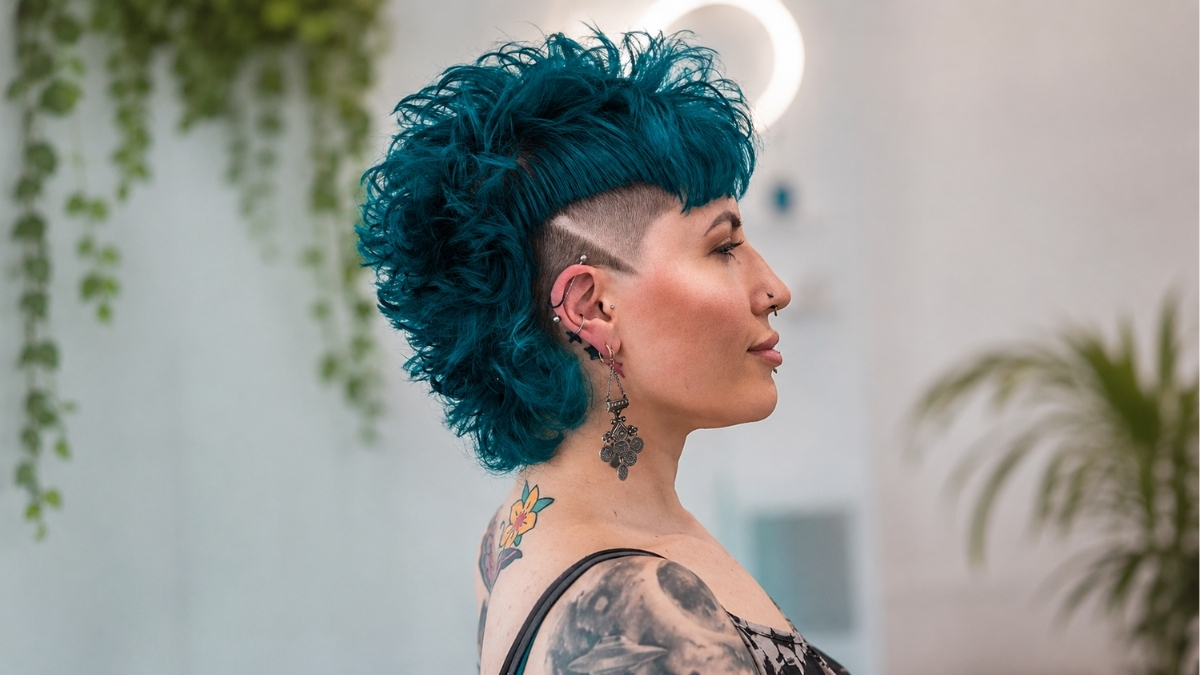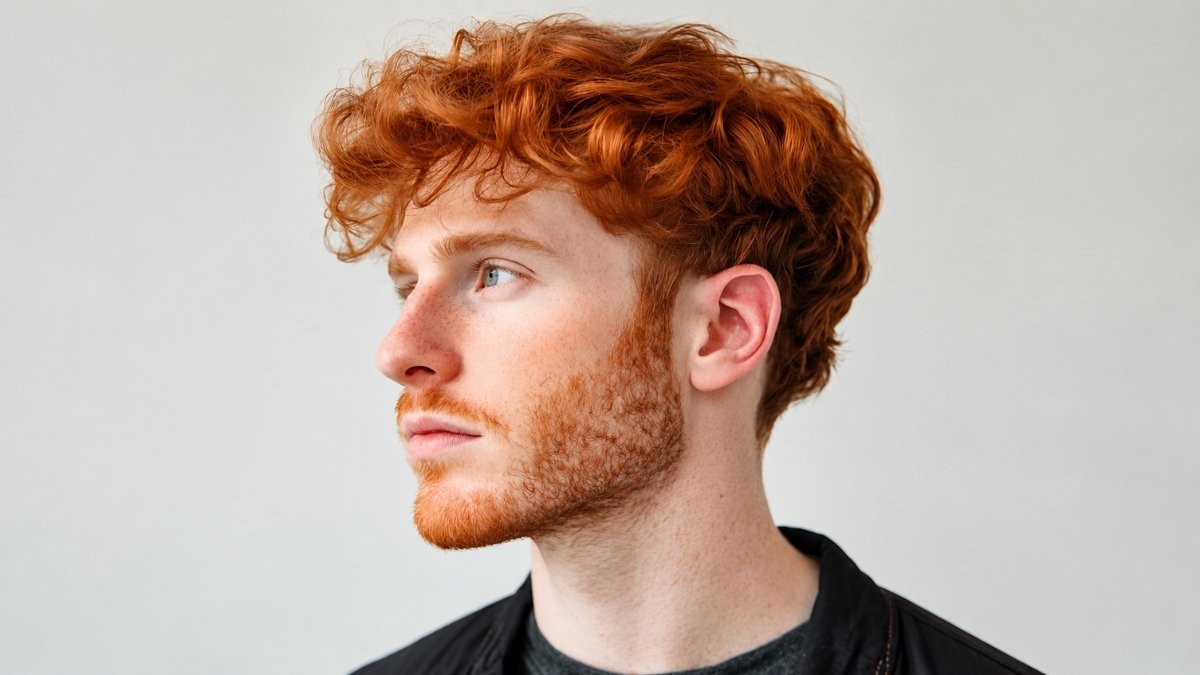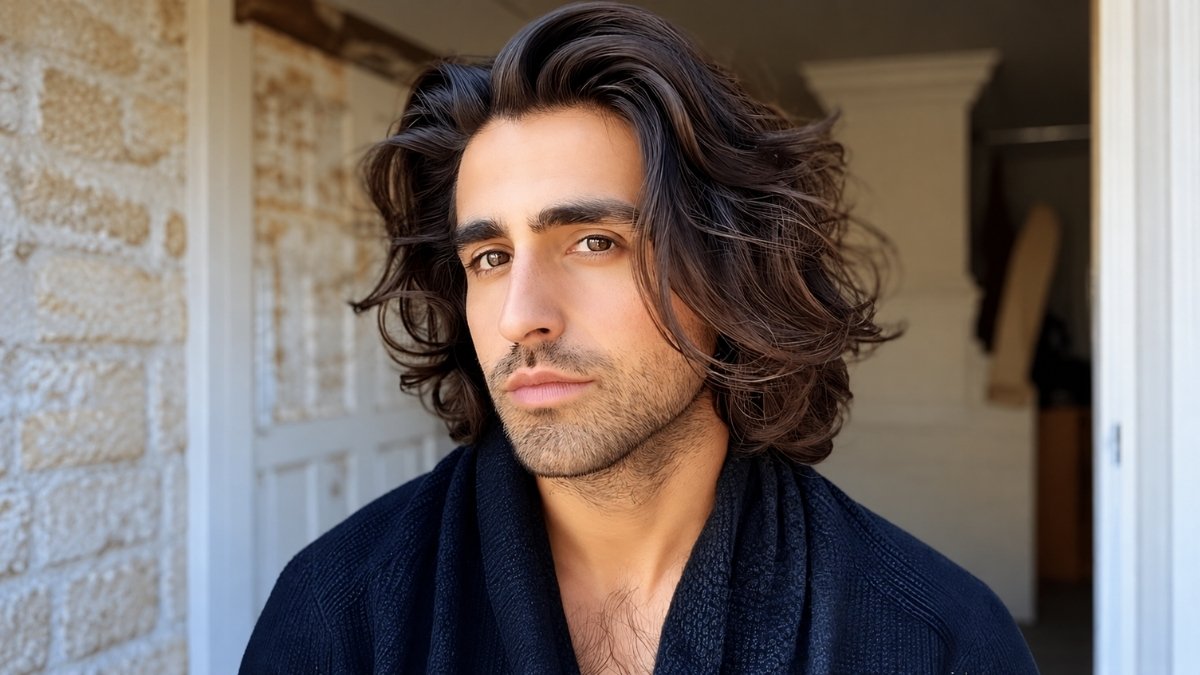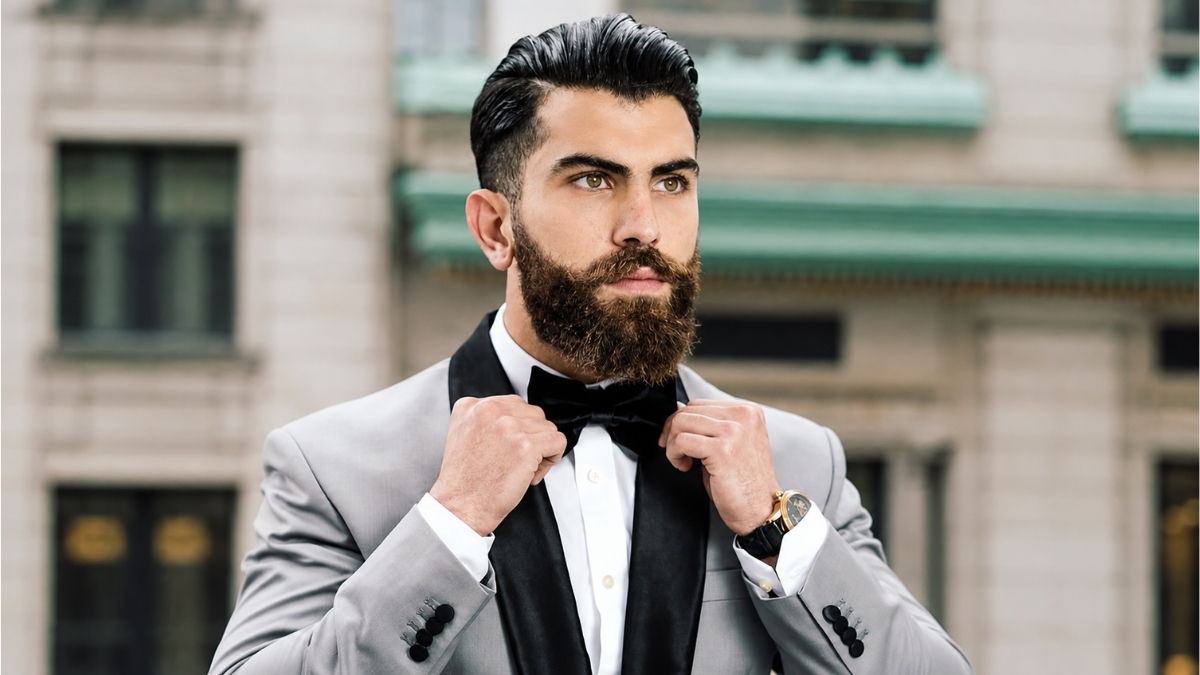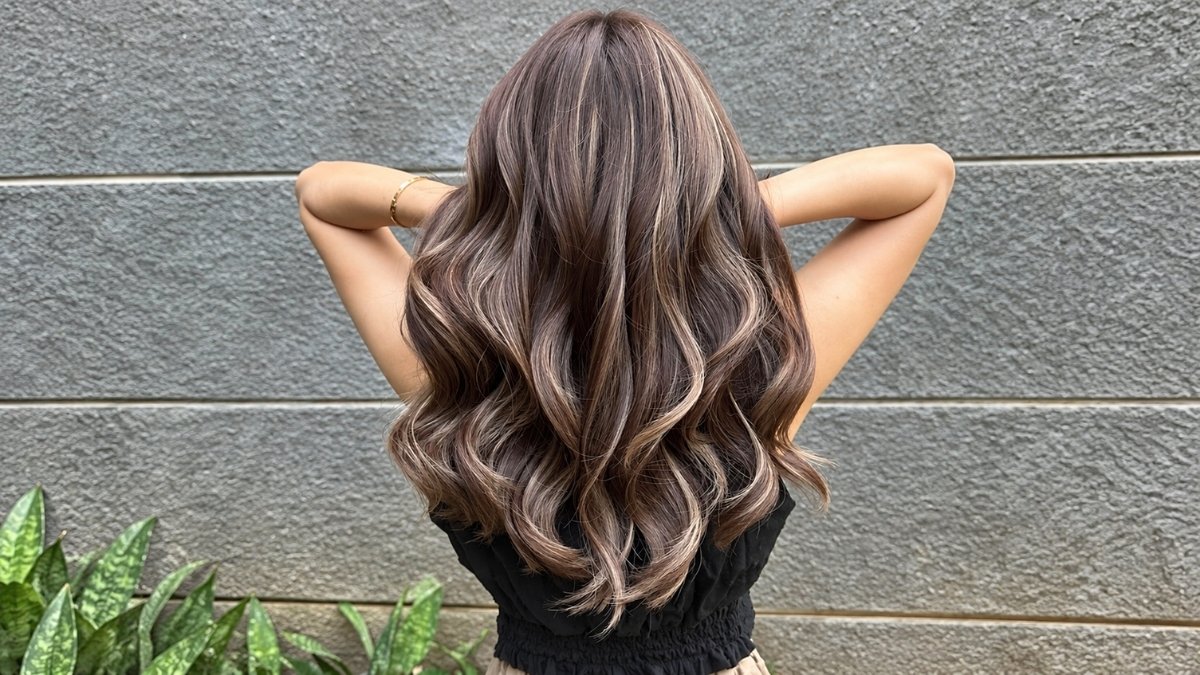
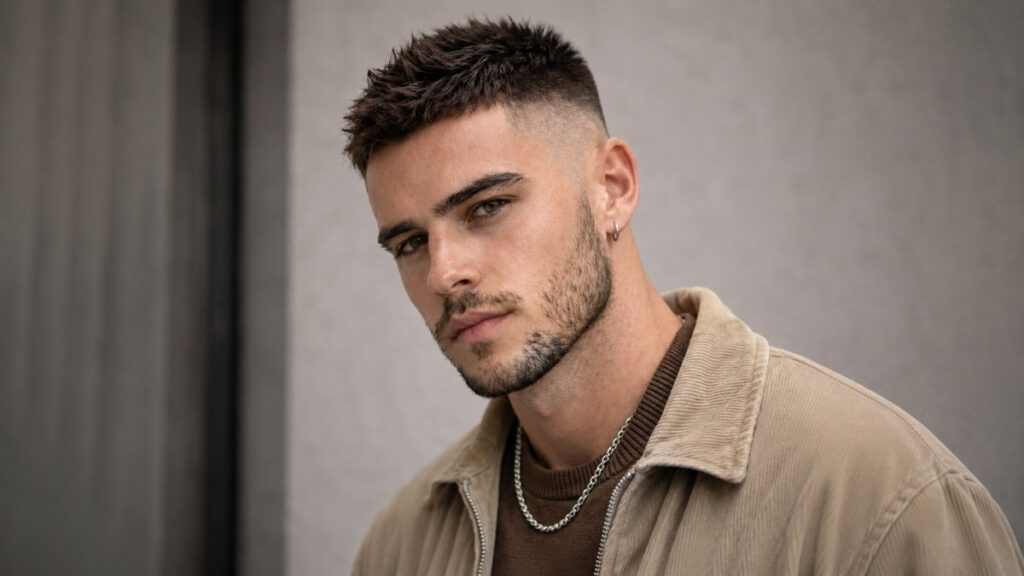
A fade is a technique more than a haircut, which is why so many men leave the chair with something that does not match their photo.
Asking for “a fade” gives your barber very little to go on. There are many variations under the low fade name alone, and the word hides three separate decisions: where the gradient starts, how short it goes at the bottom and how much length stays on top.
Give those three and any competent barber can build the cut on the spot. Give none of them and you get whatever that barber defaults to, which may be excellent and may be nothing like what you wanted.
For more ideas, browse our fade haircuts for men and low taper haircuts.
The Three Variables
Where it starts. This is the height on your head where the gradient begins. Low sits just above the ear, roughly a finger’s width. Mid starts around the temple. High climbs above the temple toward the crown. If you are unsure, mid is the safe default and photographs well on nearly every face shape.
How short at the bottom. Skin means bare scalp, usually done with a foil shaver or straight razor rather than clippers. Otherwise you are specifying a guard: zero, a half, a one, a one and a half. This is the single most common miscommunication, because if you do not actually want bare skin, you do not want a skin fade.
How much on top. Either a guard number or a length in inches. Most short fades leave a three or four on top and blend down through two, one and zero.
There is a fourth worth adding: the neckline. Square looks structured, rounded is softer, and natural follows your own hairline cleaned up. Natural or rounded tends to age best between cuts.
Put together, the whole request is one sentence: low fade, one at the bottom, blend up to a three, natural neckline. That is all a barber needs.
Fade or Taper?
Worth clearing up, because the two get used interchangeably and mean different things.
A taper keeps real length on the sides and only really fades around the sideburns and neckline. It is a clean-up rather than a gradient.
A fade goes considerably shorter and blends higher, usually to zero or close to it, with a visible gradient up the sides.
If you want structure without a bold contrast, you want a taper. If you want the gradient to be the point, you want a fade.
Low Fades
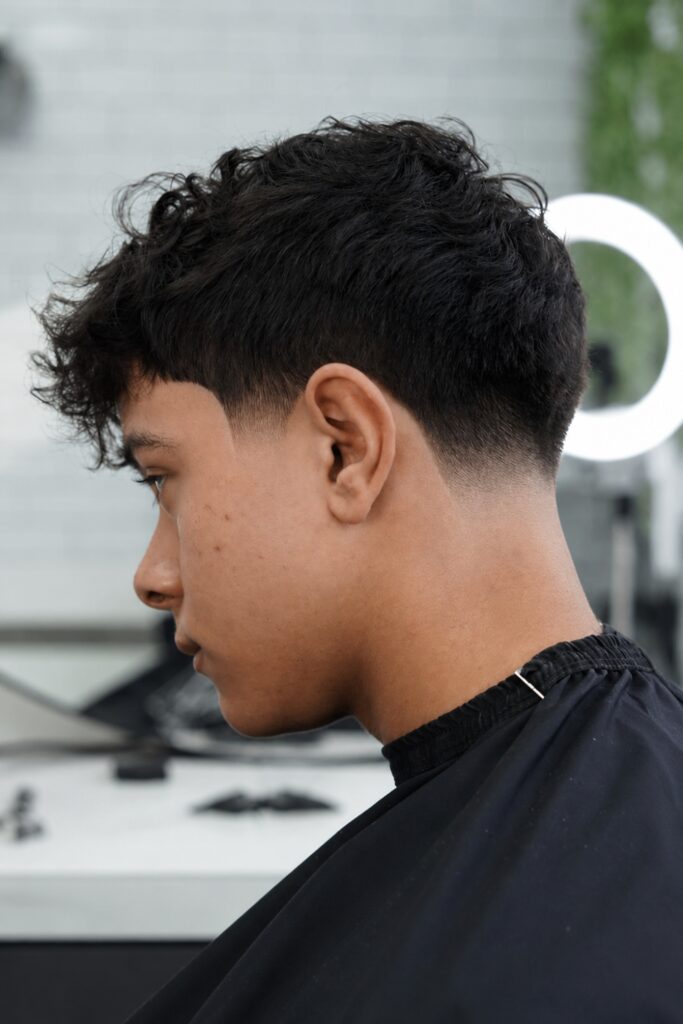
1. The Low Taper Fade
The gradient confined to the sideburns and neckline, using guards around one and a half to three, with real length kept on the sides.
The most popular variation there is, and it works across every hair texture and suits every face shape. It looks sharp on day one and still looks intentional at week four, which is a rare combination.
The right first fade for almost anyone. It also grows out gracefully rather than falling apart.
 Save
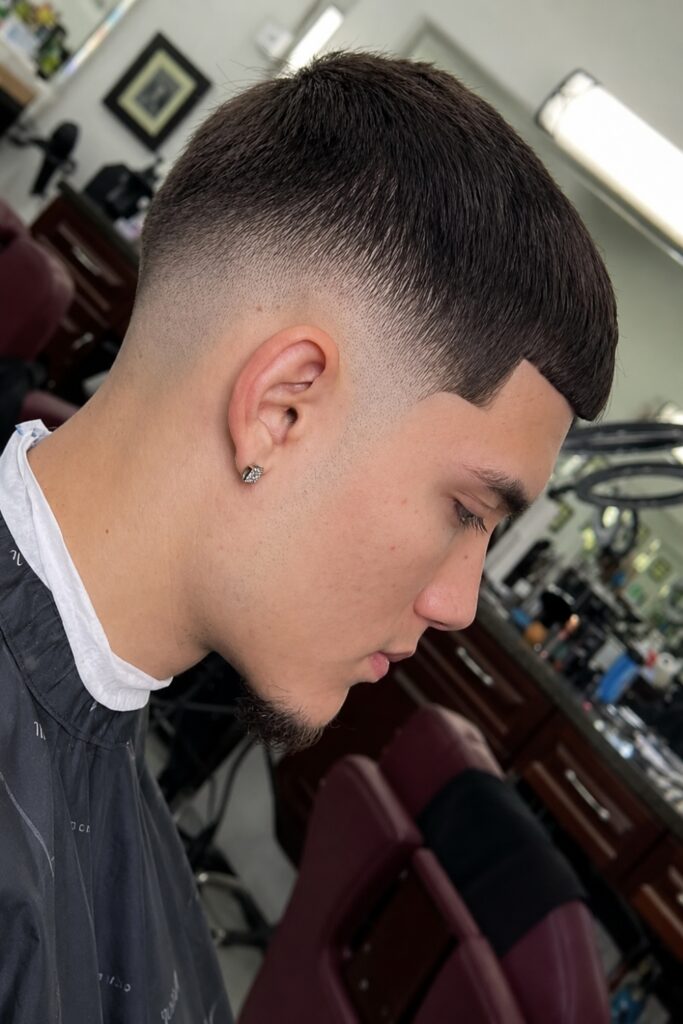
2. The Low Fade
The gradient starting a finger’s width above the top of the ear, blending through a two to three inch zone across three or four guards.
Subtle enough that it reads as a sharp haircut rather than a fade haircut, which is exactly why it dominates in conservative workplaces. It only really reveals itself in profile.
Ask for it as: low fade, one at the bottom, up to a three or four.
 Save
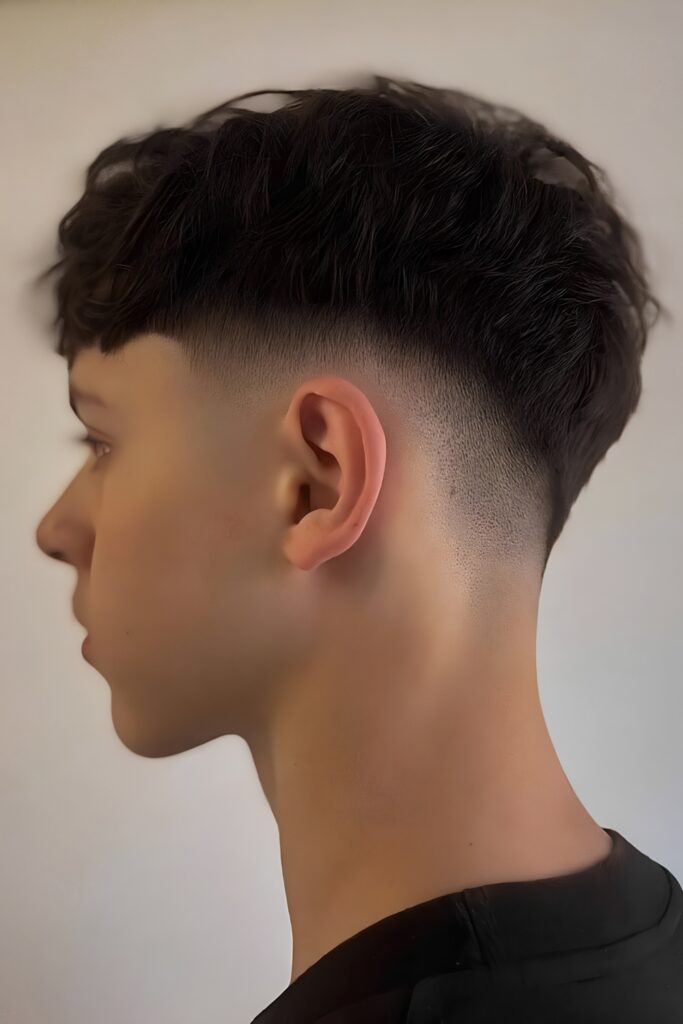
3. The Low Skin Fade
The same placement taken all the way down to bare skin at the lowest point.
Higher contrast than a standard low fade while keeping the conservative placement. The skin at the bottom is what gives it the crisp, almost airbrushed look immediately after a cut.
Be honest about the upkeep before choosing this. See the maintenance section, because the answer is every ten to fourteen days.
 Save
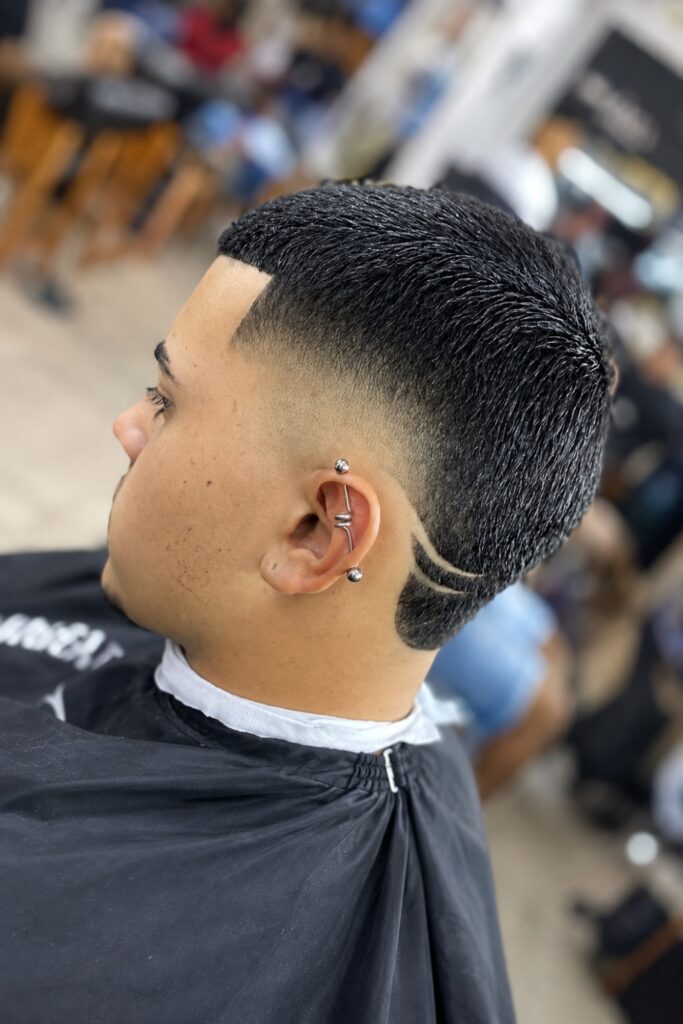
4. The Low Drop Fade
A low fade where the line drops down behind the ear rather than running straight across the back.
The curve follows the natural shape of the head and flatters most people more than a level line does. It is a small adjustment with a disproportionate effect from the side.
Ask for it by name. Most barbers will not drop the fade unless you say so.
 Save
Mid Fades
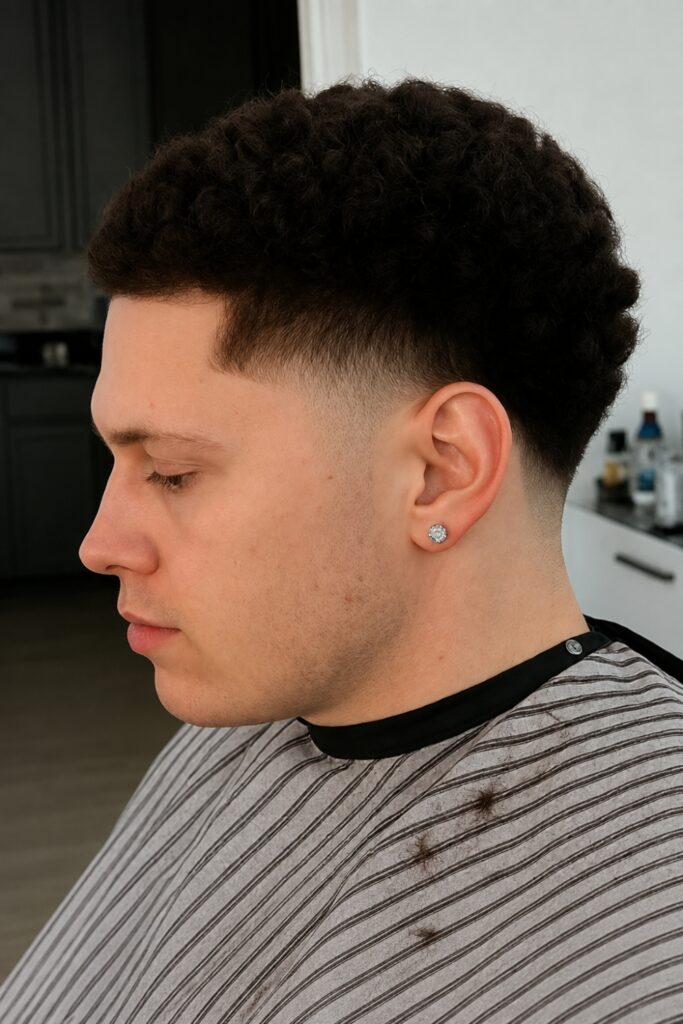
5. The Mid Fade
The gradient beginning around the temple, halfway between ear and crown.
Barbers call this the safe zone, and it suits almost every face shape. If you have never had a fade and cannot decide, this is the answer.
Works with textured crops, comb-overs and curly tops equally well, which few placements do.
 Save
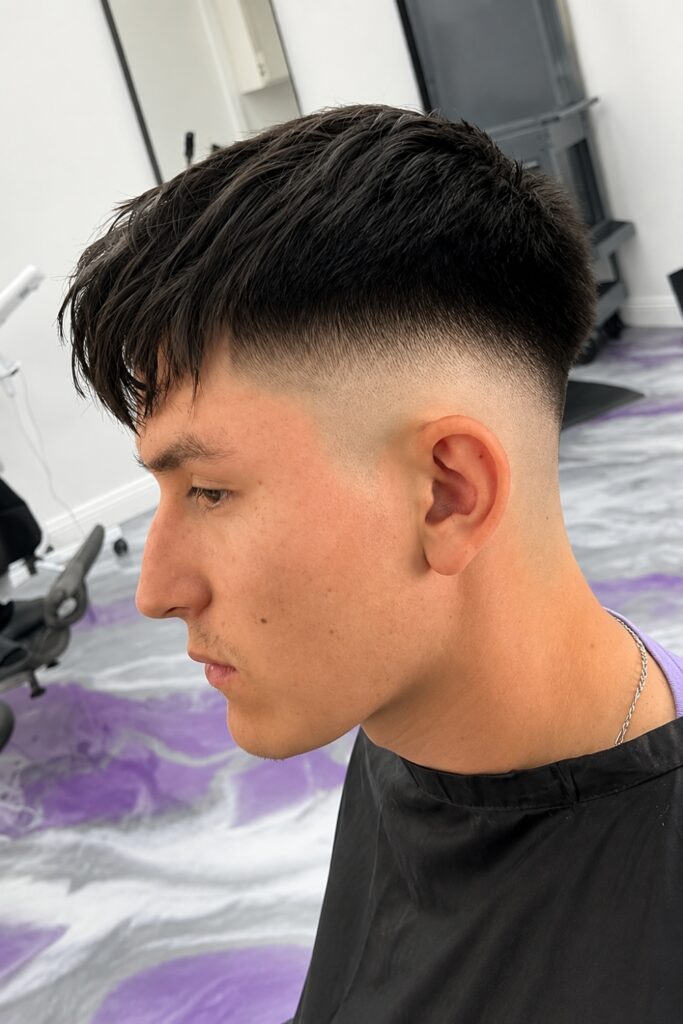
6. The Mid Skin Fade
Mid placement taken to bare skin.
The most requested fade in a lot of shops, because it delivers real contrast without the boldness of a high fade. Sharp, modern and photographs extremely well.
The ask is: mid skin fade, start it around the temple, take it to skin at the bottom, leave about two inches on top.
 Save
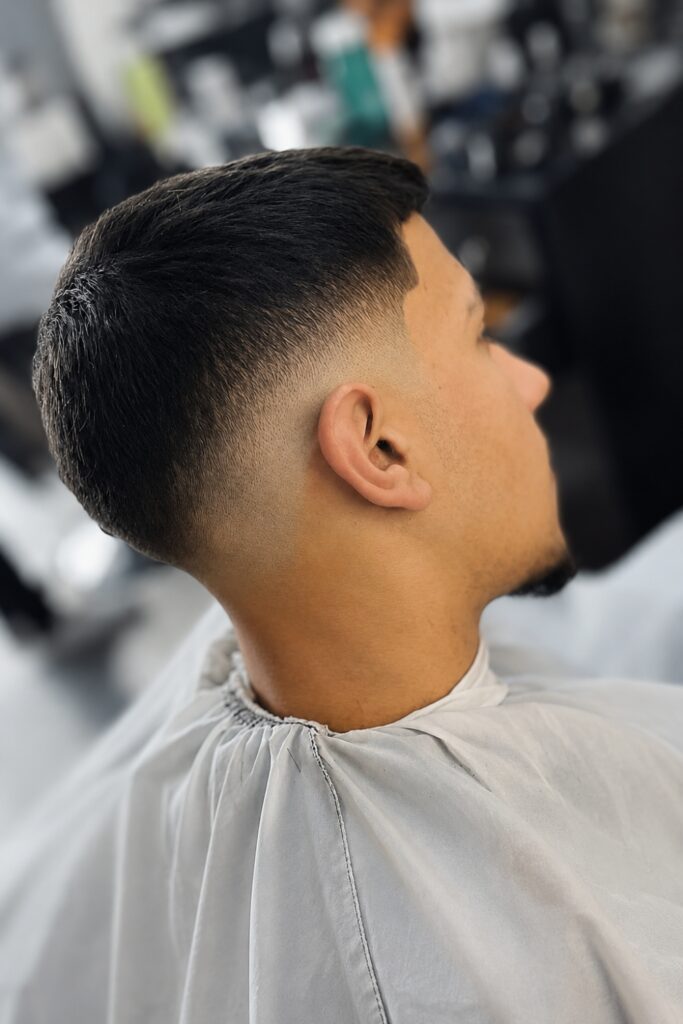
7. The Mid Drop Fade
Mid placement with the line dropping behind the ear.
The most common drop variation, and it softens what can otherwise be a hard horizontal line across the back of the head.
Particularly good if the back of your head is flat, since the curve creates shape that a level line does not.
 Save
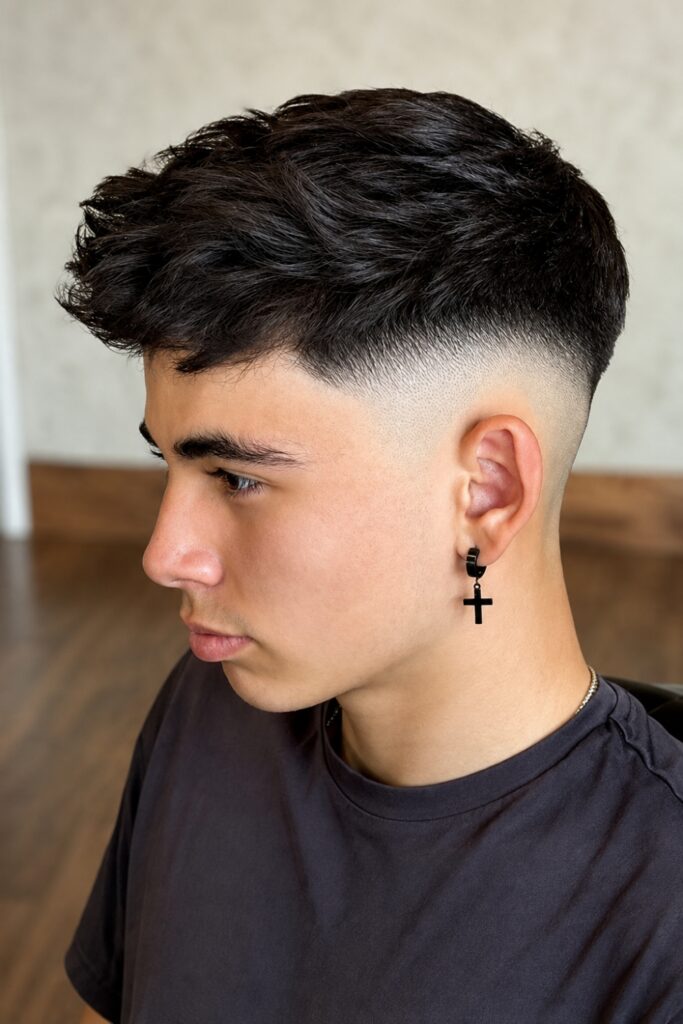
8. Mid Fade With a Textured Crop
Mid fade on the sides with a short, textured, forward-styled top.
One of the most-worn men’s haircuts anywhere at the moment, and the fade is doing structural work: it removes all the width so the texture on top is the only thing with volume.
Ask for point cutting on top rather than a straight clipper length, which is what creates the texture.
 Save
High Fades
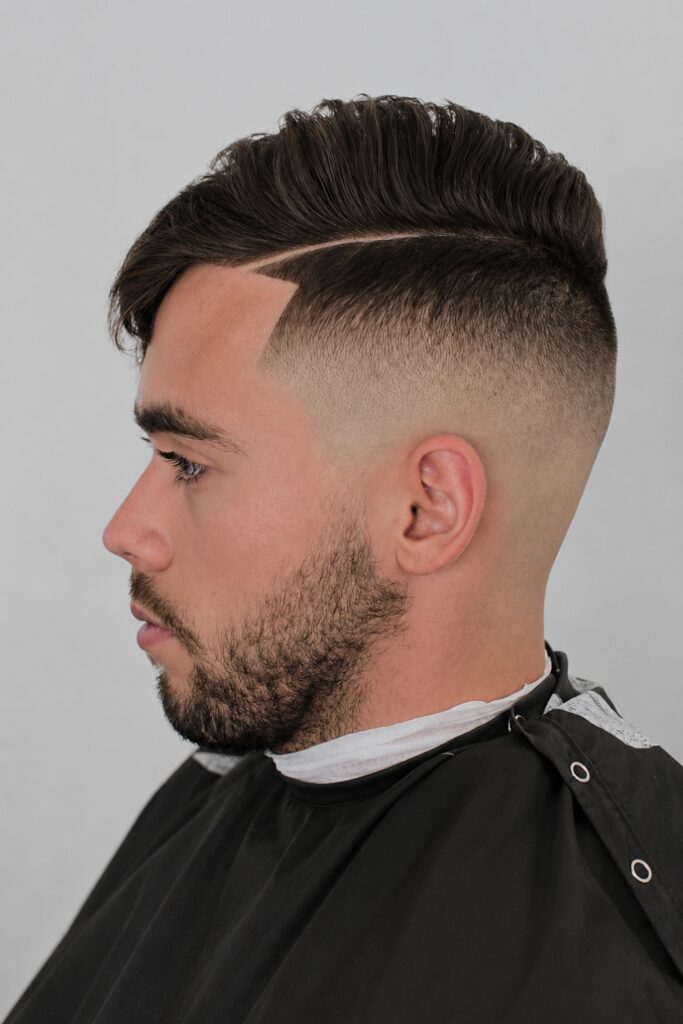
9. The High Fade
The gradient starting up near the crown, several inches above the ears.
Bold, very visible, and it creates maximum contrast with whatever is on top. High fades and skin fades also tend to elongate the face, which makes them useful for rounder face shapes.
High fades are almost never cut as drop fades, so expect the short guard to run level across the sides and back.
 Save
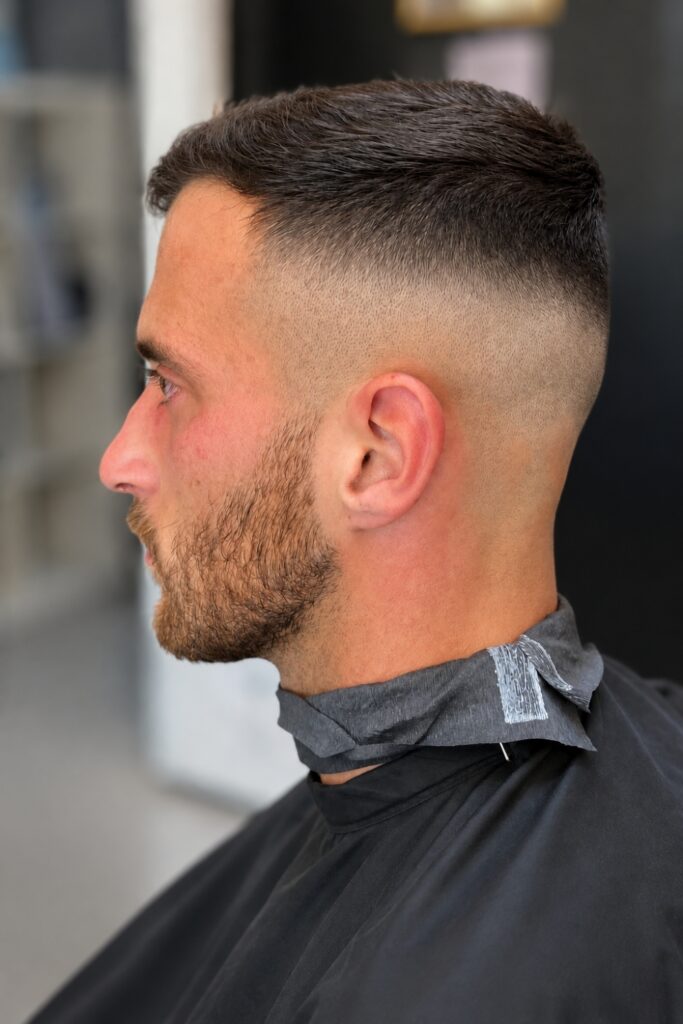
10. The High Skin Fade
High placement taken to bare skin. The highest-contrast cut in this article.
Striking and unambiguous, and it reads as fashion-forward rather than conservative. It also demands the most maintenance of anything here.
Realistically a one to two week cut. Choose it knowing that.
 Save
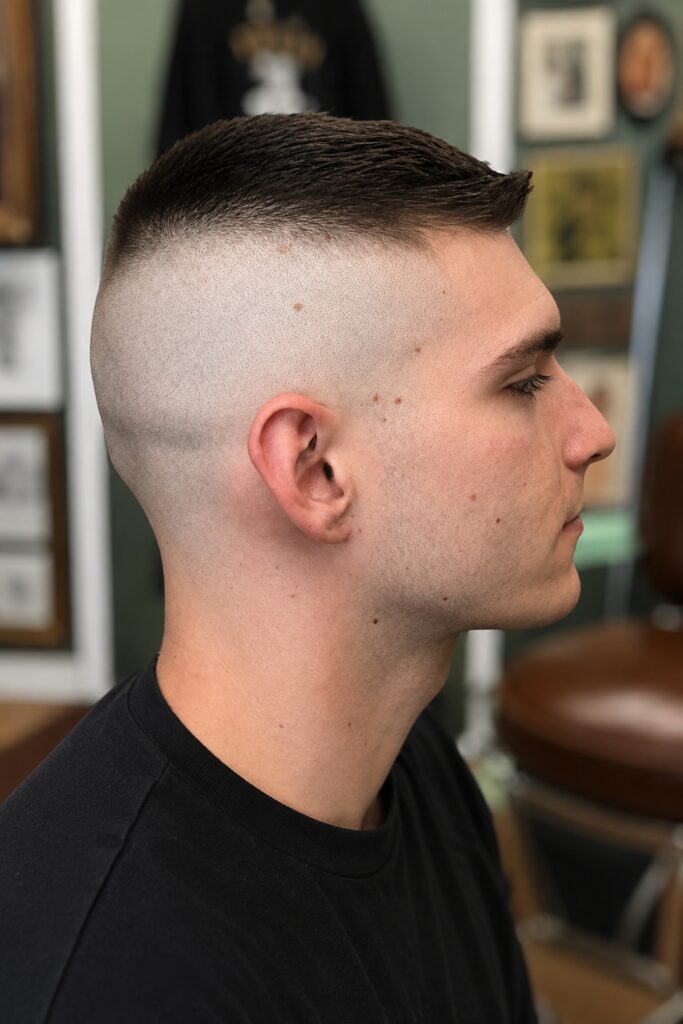
11. The High and Tight
Very short on top with a high fade or a skin fade beneath, leaving a distinct block of length at the crown.
Military in origin and extremely low-effort day to day, since there is nothing to style.
The most practical high fade, because there is no top length to worry about growing out of proportion.
 Save
Specialist Variations
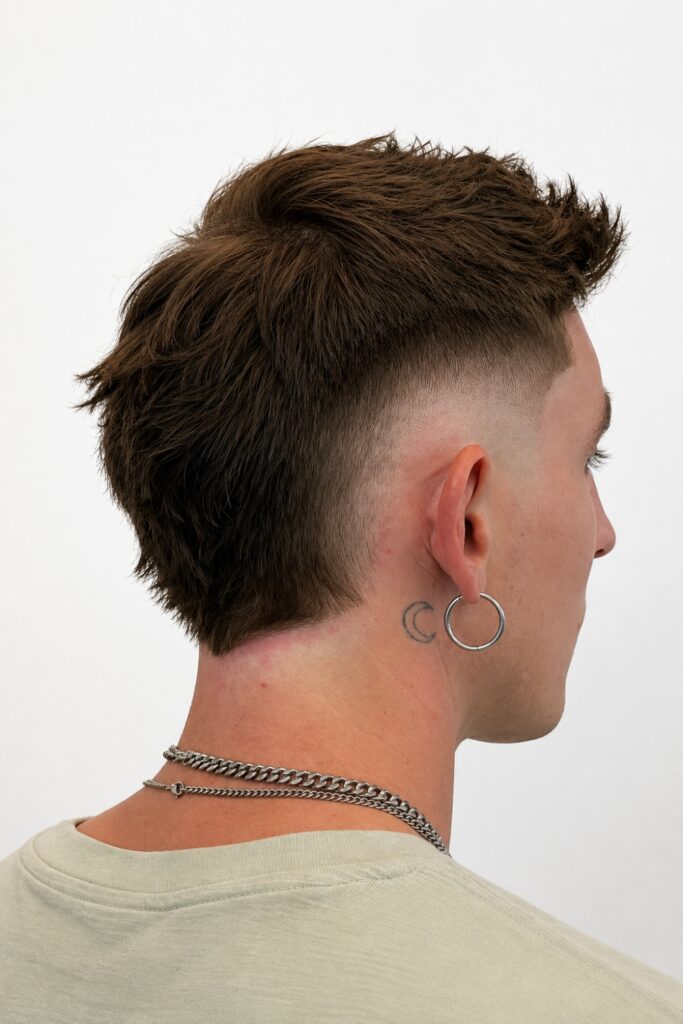
12. The Burst Fade
The fade curving in an arc around the ear rather than running straight across, leaving length at the back.
Distinctive and increasingly common, particularly paired with a mullet or a longer back. The arc shape is what makes it read as deliberate.
Requires a barber who does them regularly. It is easy to get wrong.
 Save
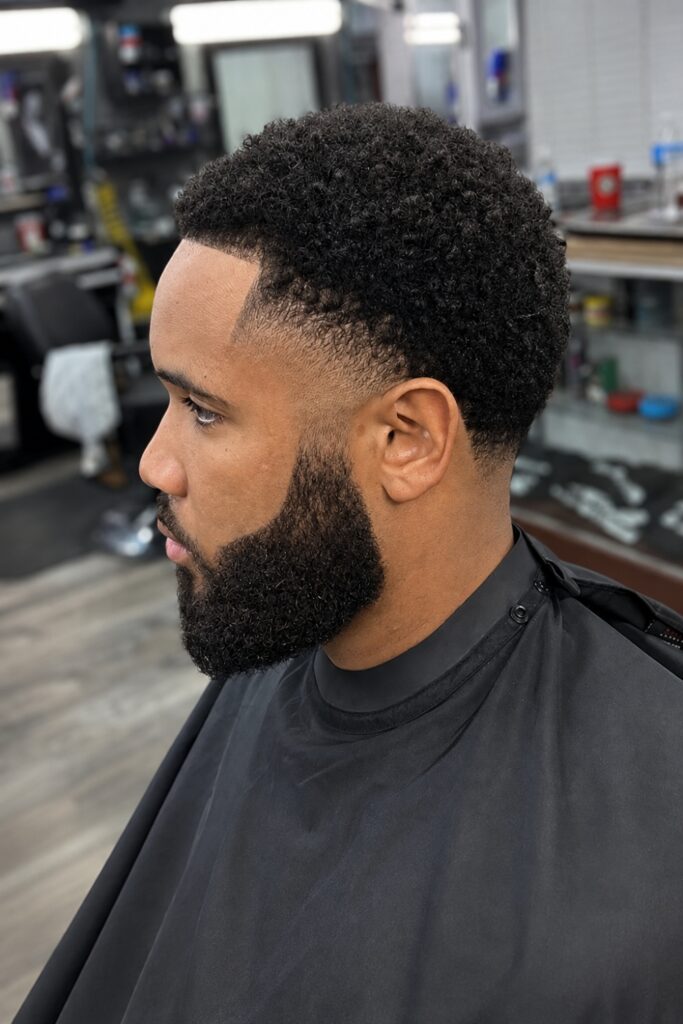
13. The Temple Fade
A fade confined to the temples and around the ears, leaving the rest of the sides untouched.
Also called a temp fade or a Brooklyn fade. The most minimal fade available and the most workplace-neutral, since almost nothing changes except the edges.
Good for anyone who wants sharpness without commitment.
 Save
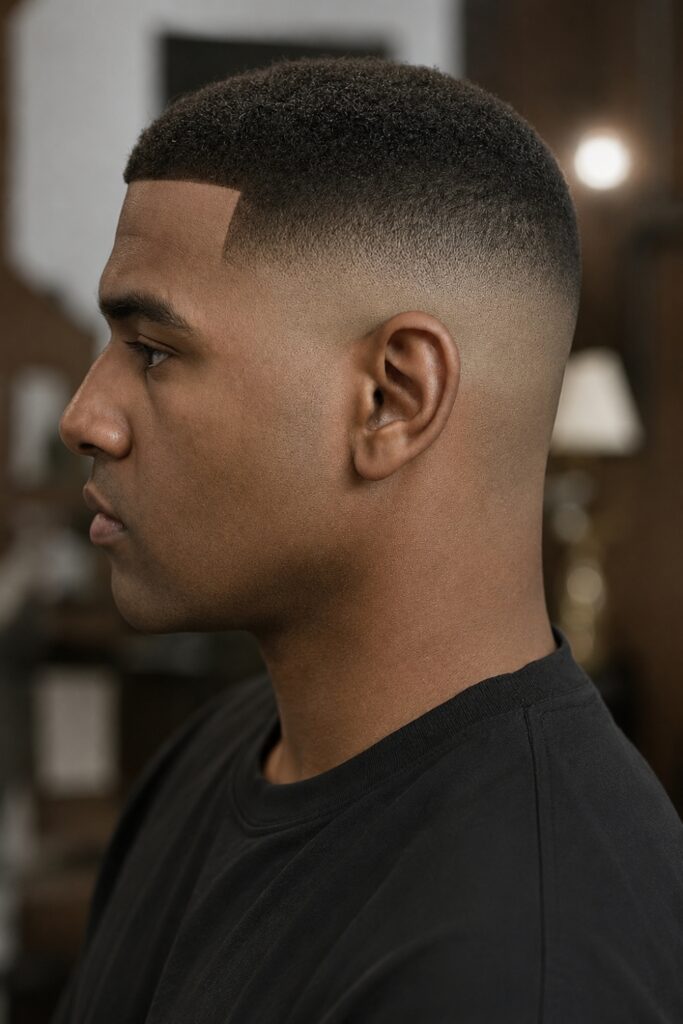
14. The Shadow Fade
A softer, lower-contrast fade that never reaches skin, keeping a visible shadow of hair at the shortest point.
The gentlest option here and the most forgiving as it grows out, since there is no bare skin to fill back in.
Ask for it as a shadow fade or a zero-grade if you want almost bare but not quite.
 Save
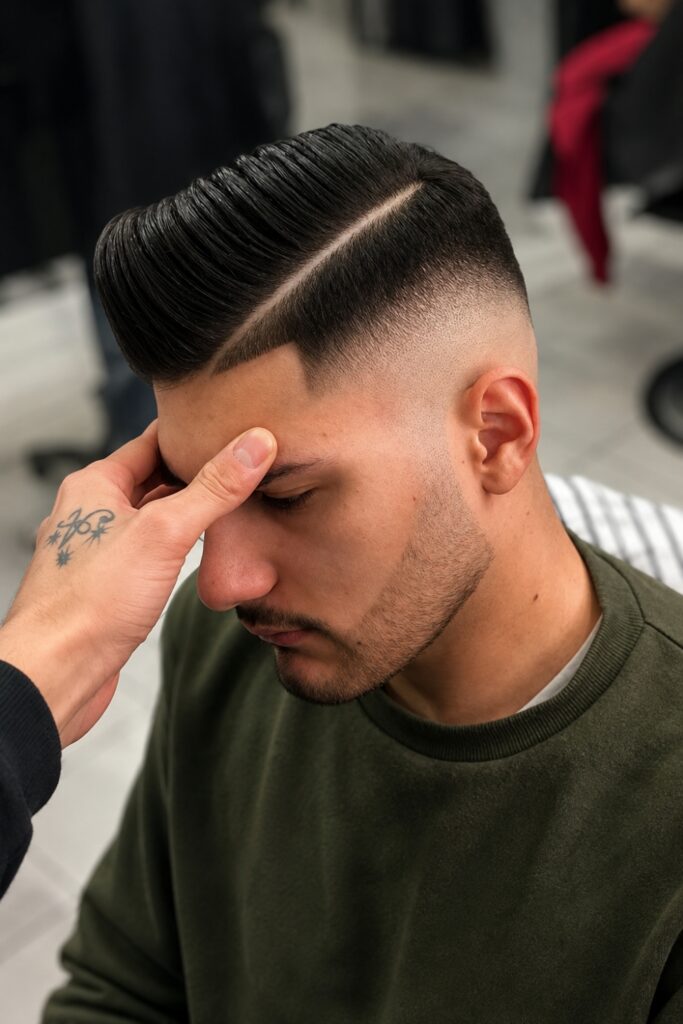
15. Fade With a Hard Part or Line-Up
Any fade with a razored parting line, or with the hairline squared off sharply at the front and temples.
The line-up is what turns a good fade into a very sharp one, and it is what most barbers add last. A hard part adds a graphic line that holds the shape as it grows.
Worth knowing that a line-up moves your hairline back slightly each time. Do not have one at every appointment if your hairline is receding.
 Save
Match the Cut to Your Calendar
This is the most useful section here and the one most people ignore.
Fades grow out at very different rates, and the higher and tighter the fade, the faster it loses definition. The honest numbers:
Skin fades look sharp for about ten to fourteen days, hold their shape for two to three weeks, and look blurry by week four.
High fades need attention at one to two weeks to stay crisp.
Mid fades hold for two to three weeks, sometimes stretching to four.
Low fades look good for three to four weeks.
Low tapers grow out gracefully over three to five weeks and still look intentional at week four.
Which means if you can only get to the barber every four to six weeks, a skin fade will spend more of that time grown out than sharp. That is not a reason to avoid it, but it is a reason to choose it deliberately rather than because it looked good in a photograph of someone who goes fortnightly.
Match the cut to your calendar. A low taper you can maintain beats a skin fade you cannot.
Face Shape and Hair Texture
Round faces benefit from high fades and skin fades, which draw the eye upward and elongate the face.
Oval, square and rectangular faces are best served by low fades and tapers, which are the most universally flattering.
Fine, straight hair shows crisp fade lines cleanly and holds a sharp gradient well.
Thick or curly hair takes a fade perfectly well, but the blend technique has to account for how the curl pattern lies, which is a conversation to have with your barber rather than something to assume.
Coily hair suits low tapers particularly, which is why the low taper is the standard cut in Afro barbershops.
Asking For It
The template is three variables in one sentence, and barbers do not need perfect vocabulary, only specificity.
“Mid skin fade, start it around the temple, down to skin at the bottom, leave about two inches on top, natural neckline.”
Or: “Low taper, one at the bottom, blend up to a three, scissor-cut on top, leave a couple of inches.”
Bring a photo as well, ideally from the side and the back rather than the front, since that is where a fade is actually visible. Point to where you want the line to sit.
And say something if it is going wrong. Barbers would considerably rather adjust at guard three than hear about it afterwards.
One last detail: if you have a beard, ask for the fade to be blended into it at the sideburn rather than treated as a separate job. That transition is where short haircuts and beards most commonly stop looking coherent.
Frequently Asked Questions
What is the difference between a fade and a taper?
A taper keeps real length on the sides and only fades around the sideburns and neckline, so it is more of a clean-up than a gradient. A fade goes considerably shorter and blends higher, usually to zero or close to it, with a visible gradient up the sides. If you want structure without a bold contrast, ask for a taper.
Which fade should I get if I have never had one?
A mid fade, or a low taper if your workplace is conservative. Mid is what barbers call the safe zone, since it suits nearly every face shape, and a low taper is the most forgiving as it grows out. Neither commits you to bare skin.
How do I ask for a fade properly?
Give three things in one sentence: where the fade starts, meaning low, mid or high; how short at the bottom, meaning skin, zero, a half or a one; and how much length on top. Add the neckline if you have a preference. A photo from the side or back helps more than one from the front.
How often do I need to get a fade re-cut?
Depends entirely on the type. Skin fades look sharp for ten to fourteen days and blurry by week four. High fades need attention at one to two weeks. Mid fades hold two to three weeks, low fades three to four, and low tapers three to five. Choose based on how often you can realistically get to the barber.
Does a fade suit curly or coily hair?
Yes. Low tapers in particular work across every texture and are the standard cut in Afro barbershops. The one adjustment is that the blend technique needs to account for how the curl pattern lies, so it is worth asking your barber how they will handle it rather than assuming.
Final Thoughts
Learn the three variables and you never have to hope again. Where it starts, how short at the bottom, how much on top.
Then be honest about how often you will actually sit in the chair, because the sharpest fade in the world spends most of its life somewhere between fresh and grown out, and the version you can maintain will look better on more days than the one you cannot.