Fashionuer is reader-supported and may earn a commission from links on this page. Learn more
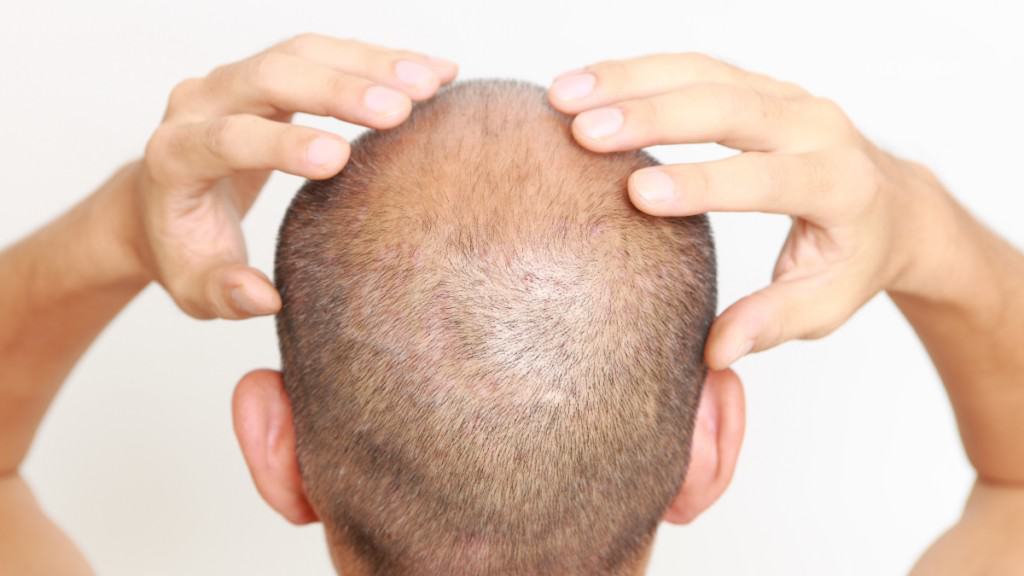
Scalp micropigmentation (SMP) is a cosmetic tattoo treatment that makes thinning or bald areas look fuller. Tiny dots of pigment are placed in the scalp to mimic the look of short hair follicles, a bit like a permanent five o’clock shadow for your head.
It has become a popular option for men and women with hair loss who don’t want, or can’t have, a hair transplant. Here’s how it works, what it costs, how long it lasts and how to choose a safe practitioner.
What Is Scalp Micropigmentation?
SMP uses a fine needle and an electric micropigmentation device to place thousands of tiny dots of pigment into the upper layer of the scalp. Practitioners vary the size, depth and shade of the dots so they look like natural hair follicles rather than a solid tattoo. This layered dot technique is sometimes called pointillism.
It’s often compared to eyebrow microblading, but the two are different. Microblading uses a hand tool to draw hair-like strokes, while SMP uses a machine to place dots, because scalp skin is thicker and the goal is to recreate a shaved-head shadow rather than individual hairs.
Before and After
 Save
Who Is SMP For?
- Men who shave their heads: SMP gives a bald or patchy scalp an even, buzz-cut look.
- Receding hairlines: It can redraw a softer, more defined hairline.
- Thinning hair: Men and women with longer hair use SMP between hairs so less scalp shows through.
- Alopecia: It can disguise patchy or total hair loss.
- Scars: It can camouflage scars from hair transplants, injuries or surgery.
- Hair loss after medical treatment: Some people use it after chemotherapy once hair growth has settled.
SMP isn’t a good fit for everyone. If you have an active scalp condition such as psoriasis, eczema or seborrheic dermatitis, or you’re prone to keloid scarring, talk to a dermatologist first. If your hair loss is still progressing quickly, it’s also worth getting it diagnosed before any cosmetic treatment.
What to Expect From the Procedure
Does it hurt?
Most people describe it as uncomfortable rather than painful, similar to a tattoo but lighter. Some practitioners use a numbing cream. How much you feel depends on your pain tolerance and the area being treated; the hairline and crown tend to be more sensitive.
 Save
How many sessions do you need?
Most people need two to four sessions, spaced one to several weeks apart. Each session usually takes a few hours, depending on the area. The pigment is built up gradually so the result looks natural and even.
Aftercare
Your practitioner will give you exact instructions, but typical aftercare includes:
- Don’t wash or wet the scalp, or sweat heavily, for the first few days after each session.
- Avoid swimming, saunas and steam rooms for about four weeks after your final session.
- Keep the scalp out of direct sun while it heals; a loose hat is fine.
- Once healed, use SPF 30 or higher on your scalp to stop the pigment fading.
- Moisturize the area once your practitioner says it’s safe.
How Much Does SMP Cost?
Prices vary a lot by city, practitioner and how much of the scalp is treated. A small area such as a scar or hairline may cost a few hundred dollars, while full-head treatment often runs into the low thousands. It’s usually far cheaper than a hair transplant.
How Long Does It Last?
SMP is semi-permanent. Results commonly last several years before the pigment softens or fades, and most people book a touch-up session every few years. Sun exposure and dry skin speed up fading, so sunscreen and moisturizer help it last.
Risks to Know About
Like any tattoo or permanent makeup, SMP carries some risk:
- Allergic reactions to pigment.
- Infection if equipment isn’t sterile.
- Dots that are too big, too dark or placed too deep, which can blur over time.
- Color shifting, such as a blue or green tint, if the wrong pigment is used.
- An unnatural or overly sharp hairline if the design is poor.
The U.S. Food and Drug Administration advises people to learn about the risks of tattoos and permanent makeup before getting them. Removing SMP usually means laser treatment, so it’s worth getting it right the first time.
How to Choose an SMP Practitioner
Training and licensing rules for SMP vary by state and country, so do your homework:
- Check they hold the license your area requires for tattooing or permanent makeup, plus bloodborne pathogens training.
- Ask who trained them in SMP specifically and for how long. General tattoo experience isn’t the same.
- Look through a large portfolio of healed results, not just fresh ones. Instagram is a good place to start.
- Visit the studio. It should be clean, with single-use needles opened in front of you and gloves worn throughout.
- Be wary of practitioners booking many full-head clients a day; good SMP takes time.
- Talk to past clients if you can.
Based in Los Angeles? SMP Mobile offers scalp micropigmentation in-studio or at home (818-536-7890). As with any provider, check their credentials and healed results before you book.
FAQs
Can you grow your hair with SMP?
SMP doesn’t regrow hair, but it doesn’t stop your hair growing either. Many people with thinning hair keep their hair and use SMP to reduce the contrast between hair and scalp.
Is SMP better than a hair transplant?
They do different things. A transplant moves real hair follicles and lets you grow longer hair; SMP creates the illusion of a closely shaved head or denser hair. SMP is less invasive and usually cheaper, and some people combine the two.
Final Thoughts
Scalp micropigmentation can be a confidence-boosting, low-maintenance fix for hair loss when it’s done by a skilled practitioner. Thinking of going short instead? Browse our buzz cut ideas or these haircuts for a receding hairline.