Fashionuer is reader-supported and may earn a commission from links on this page. Learn more
In 1984, Nike signed a rookie basketball player named Michael Jordan, and the following year it released his first signature shoe. The Air Jordan 1 went on to change sneakers forever, turning basketball shoes into fashion, collectibles and cultural symbols.
Today, Air Jordans are worn on courts, streets and runways, and they sit at the heart of sneaker culture around the world.
This guide looks at the history of Air Jordan sneakers, how their design has evolved, their influence on streetwear and high fashion, and the questions they raise about sustainability.
What Is The Birth Story of Air Jordan?
Michael Jordan joined the NBA in 1984 and quickly became one of the most exciting players in the league. Nike saw the potential to build a whole line around a single athlete, which was unusual at the time.
Nike and Jordan agreed a deal that gave him his own signature shoe, and designer Peter Moore created the first model.
The result?
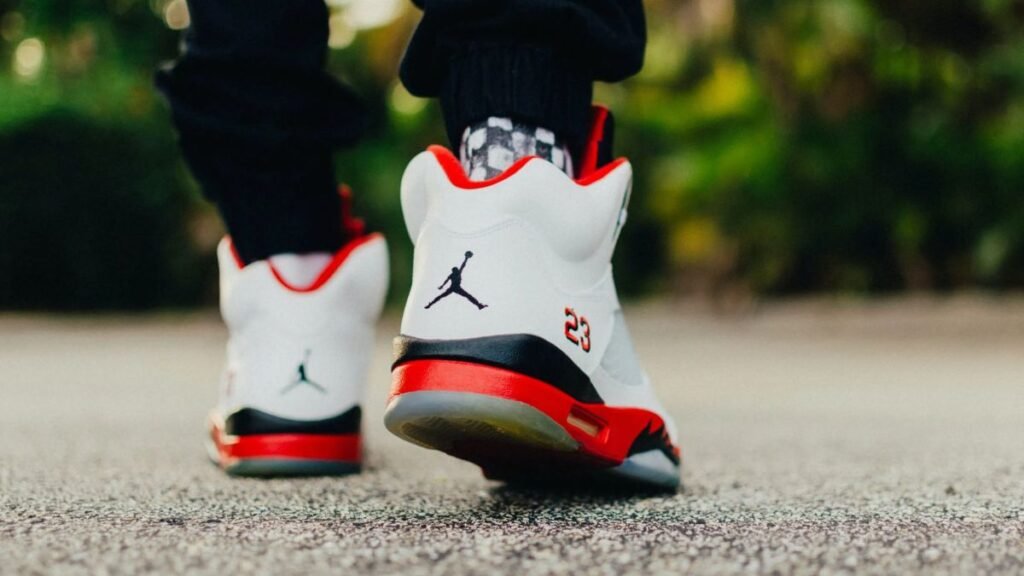
The Air Jordan 1 launched in 1985. It combined a high top basketball silhouette with bold colourways, Nike Air cushioning in the heel and the now famous Wings logo.
It was a huge success, and its bold red, black and white colours made it instantly recognisable. The Air Jordan 1 laid the foundations for every signature shoe that followed.
The Air Jordan Sneakers Evolution of Design
Each new Air Jordan model brought something different, mixing performance technology with design ideas taken from fashion, cars and Jordan’s own career.
One of the biggest moments came with the Air Jordan 3 in 1988. Designed by Tinker Hatfield, it introduced a visible Air unit, elephant print panels and the Jumpman logo on the tongue, which became the symbol of the entire line.
Later models experimented with new materials, shapes and cushioning systems, while collaborations with designers, artists and fashion labels created limited releases that collectors still chase today.
In 1997, Jordan became its own brand within Nike, expanding into clothing and signing other athletes, while the original models were reissued again and again as retros.
This mix of performance roots and constant reinvention is why classic Air Jordans still feel relevant decades after they were first released.
Air Jordan in Streetwear and High Fashion
Air Jordans moved off the court and into everyday fashion very early, helped by hip hop culture, where they became a sign of style and status.
Collaborations with streetwear labels and luxury fashion houses have turned certain releases into designer pieces, blurring the line between sportswear and high fashion.
Musicians, athletes and influencers wearing Jordans have kept the brand in the spotlight, and many outfits are now built around a pair of sneakers rather than the other way round.
From jeans and hoodies (see our guide to cool sneakers to wear with jeans) to tailored trousers and dresses, a pair of Jordans can anchor a whole look, from relaxed streetwear to smart casual.
Air Jordan’s Role Beyond Sports and Fashion
For many people, Air Jordans are more than shoes. They are collectibles, conversation starters and a way to express identity.
Limited releases and special colourways have created a passionate collector culture, with fans queuing, entering raffles and tracking release dates.
High demand has also created a large resale market, where rare pairs can sell for far more than their original price. Buyers should always check authenticity before purchasing from resellers.
Air Jordans also appear across art, music, film and photography, which shows just how far their influence reaches beyond sport.
Sustainability and Ethical Considerations in Air Jordan Production
- Environmental impact: like most footwear, sneaker production uses energy, water, plastics and chemicals, and creates waste.
- Frequent limited releases can also encourage buying more pairs than people actually wear.
- Choosing pairs you will wear often, and looking after them, helps reduce waste.
- Industry efforts: Nike has introduced more recycled materials and lower impact processes across parts of its range.
- Shoppers increasingly look for information about materials and manufacturing when deciding what to buy.
- Repairing, reselling and donating sneakers are good ways to extend their life.
- Labour standards: fair wages and safe working conditions in factories remain important questions for the whole footwear industry.
- Many shoppers now look for brands that publish information about their supply chains.
- Transparency and independent monitoring help hold brands to higher standards.
Conclusion
Air Jordans have left a lasting mark on sport, fashion and popular culture, from the first Air Jordan 1 in 1985 to today’s retros and designer collaborations.
Their legacy looks secure, as new generations continue to discover classic models and new releases.
At the same time, it is worth thinking about how often we buy, how long we keep our sneakers and how they are made.
Buying thoughtfully and caring for the pairs you love is the best way to enjoy sneaker culture responsibly.