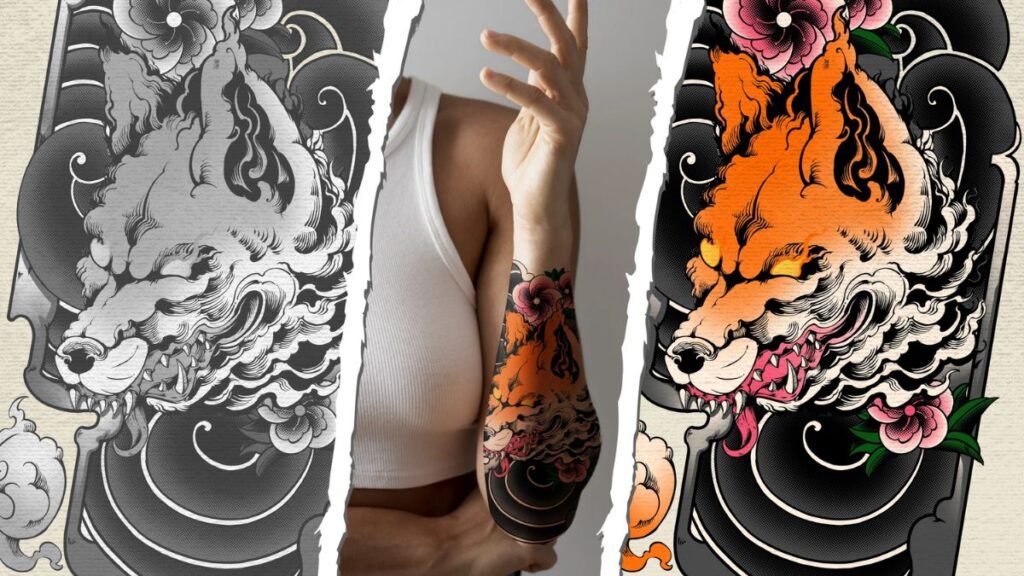
Tattoo art is a diverse field where every culture brings its unique style and symbolism to the art form. Among these, Japanese tattoos, also known as ‘Irezumi,’ are pretty cool with their intricate designs, deep meanings, and rich history.
Japanese tattoos go beyond just body art; they fuse cultural narratives, spiritual beliefs, and artistic expression. This article explores the top 18 Japanese tattoo designs, embodying a story, tradition, or mythological tale.
From the dragons to cherry blossoms, each design is a testament to the skill and creativity of Japanese tattoo artists. As we look at these 18 designs, we will uncover the layers of symbolism and significance behind each. It offers a glimpse into the soul of Japanese artistry and tradition.
The Dragon (Ryū)
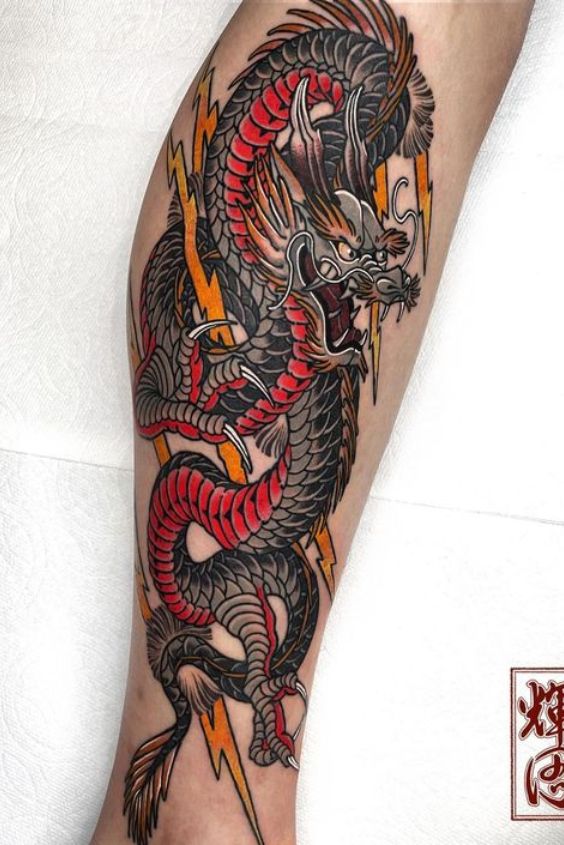
The Japanese dragon, or ‘Ryū,’ symbolizes wisdom, power, and strength. Unlike its Western counterparts, the Japanese dragon is seen as benevolent and often associated with water and rainfall.
Tattoos of Ryū often feature sinuous, serpentine bodies with elaborate scales and a captivating gaze. The design’s fluidity allows it to weave seamlessly around the body. It symbolizes life’s continuous flow and the adaptability of the human spirit.
 Save
Koi Fish
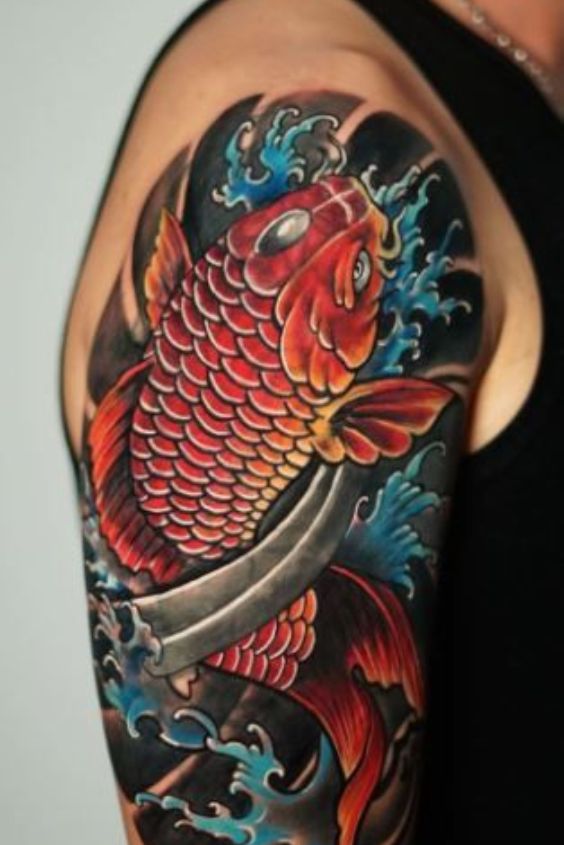
Koi fish tattoos are a staple in Japanese body art, symbolizing perseverance and determination. The legend of the koi fish swimming upstream and transforming into a dragon is a powerful metaphor for overcoming adversity.
In tattoos, koi fish are depicted with vibrant colors and dynamic movements, often against a backdrop of flowing water. It symbolizes life’s constant motion and the courage to move against the current.
 Save
Cherry Blossoms (Sakura)
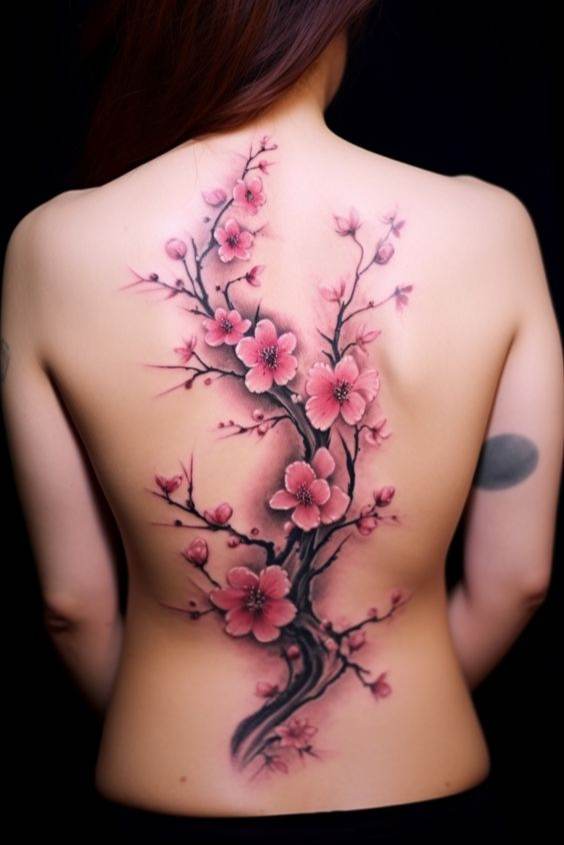
Sakura, or cherry blossoms, are an iconic symbol of the transient nature of life due to their short blooming period. In tattoo art, cherry blossoms are often portrayed in delicate pink hues.
It sometimes accompanies elements like samurai or geishas. They remind the wearer of the beauty and fragility of life and encourage living at the moment.
 Save
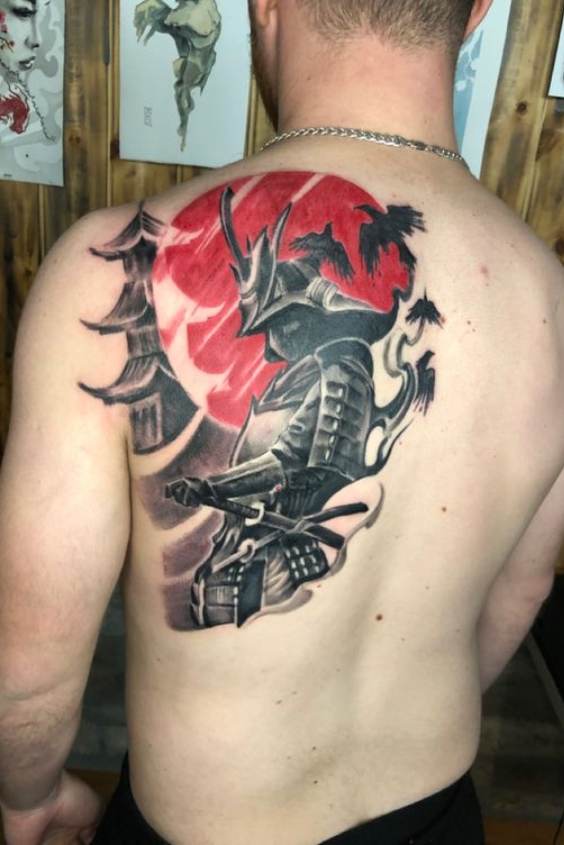
The Samurai
Samurai tattoos represent honor, bravery, and discipline. These designs often feature a warrior in traditional armor, sometimes amid battle. The armor’s intricate detailing and the samurai’s fierce expression capture the essence of the bushido code – the way of the warrior.
 Save
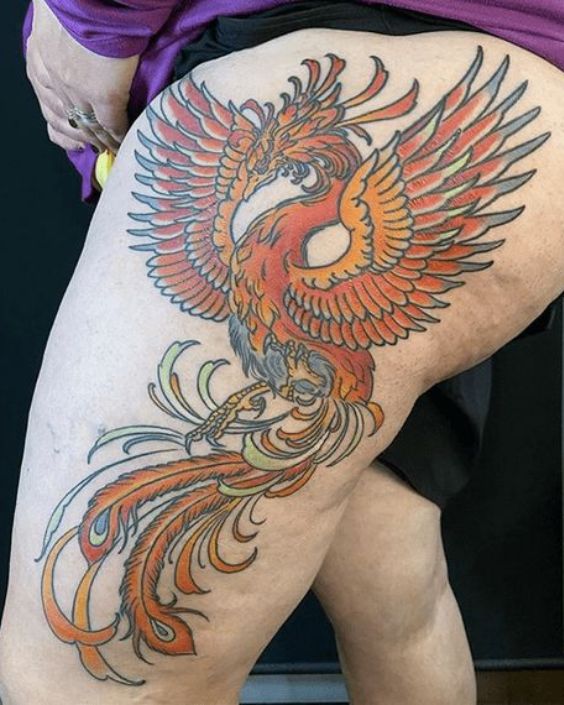
The Phoenix (Hō-ō)
In Japanese culture, the phoenix, or ‘Hō-ō,’ symbolizes rebirth, transformation, and triumph over adversity. Tattoo designs of the phoenix show a majestic bird engulfed in flames or rising from ashes. This embodies the idea of emerging stronger from trials and tribulations.
 Save
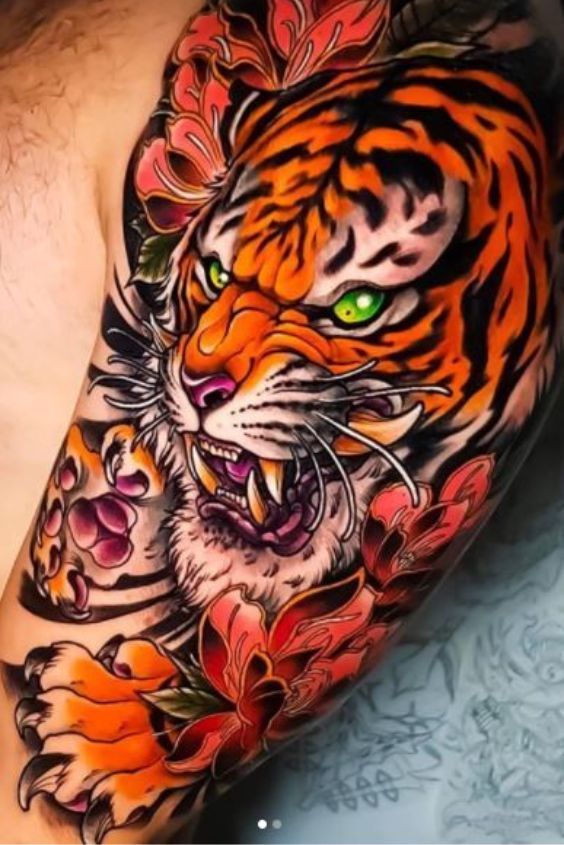
The Tiger
Tigers in Japanese tattoos signify strength, courage, and protection against bad luck and evil spirits. The designs often show the tiger in a dynamic pose, with a fierce expression and detailed striping. The tiger tattoo is a bold statement of power and a protective talisman.
 Save
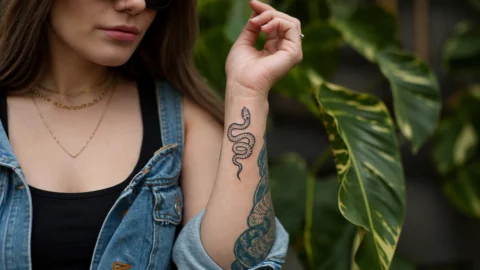
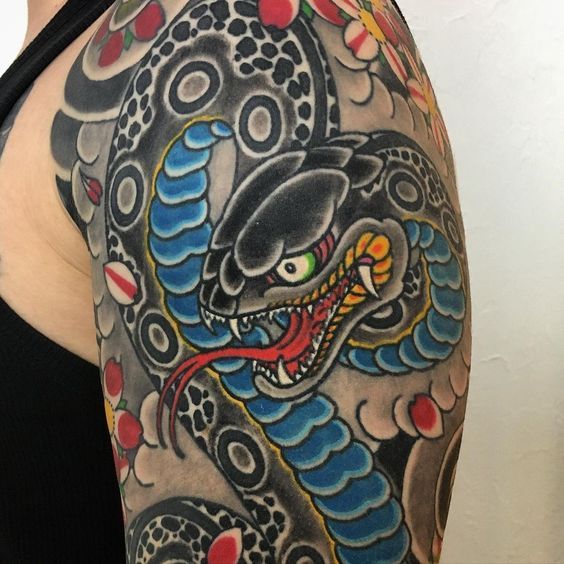
The Snake (Hebi)
In Japanese tattoo culture, the snake, or ‘Hebi,’ represents protection, wisdom, and good fortune. Snake tattoos are often intertwined with other elements, showcasing flexibility and adaptability. They are believed to ward off illness and misfortune.
 Save
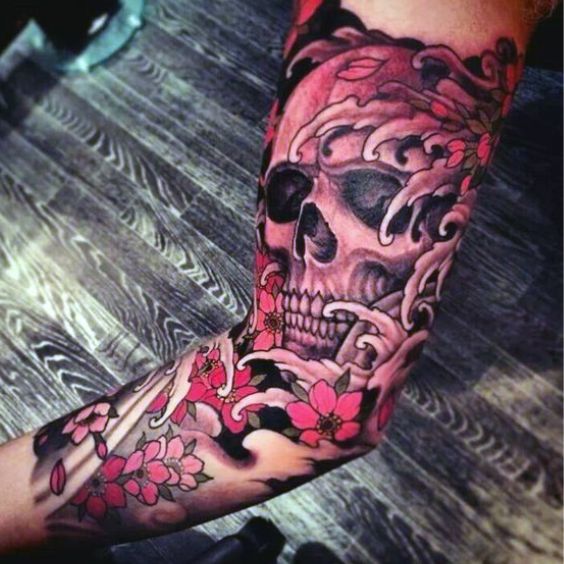
The Skull
Skull tattoos in Japanese culture differ from their Western counterparts. They symbolize the natural cycle of life and death and are often depicted with other elements like cherry blossoms or koi fish. It emphasizes the transient nature of existence.
 Save
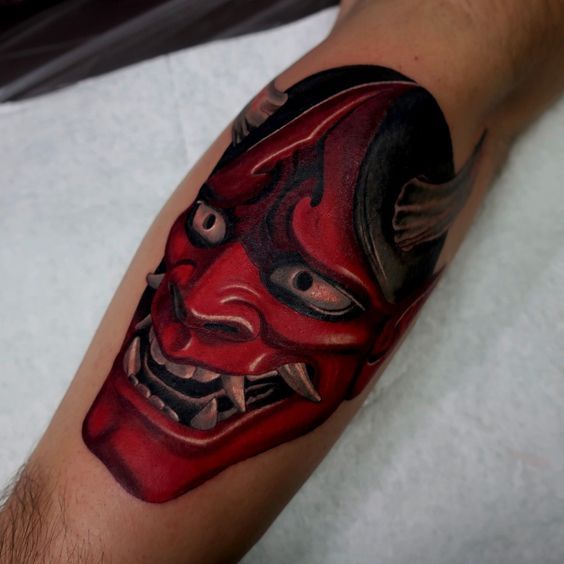
Oni Mask
The Oni mask represents demons or ogres in Japanese folklore. In tattoos, they symbolize protection against evil, depicting fierce and intimidating faces. These masks are often colorful and detailed, showcasing the intricate artistry of Japanese tattooing.
 Save
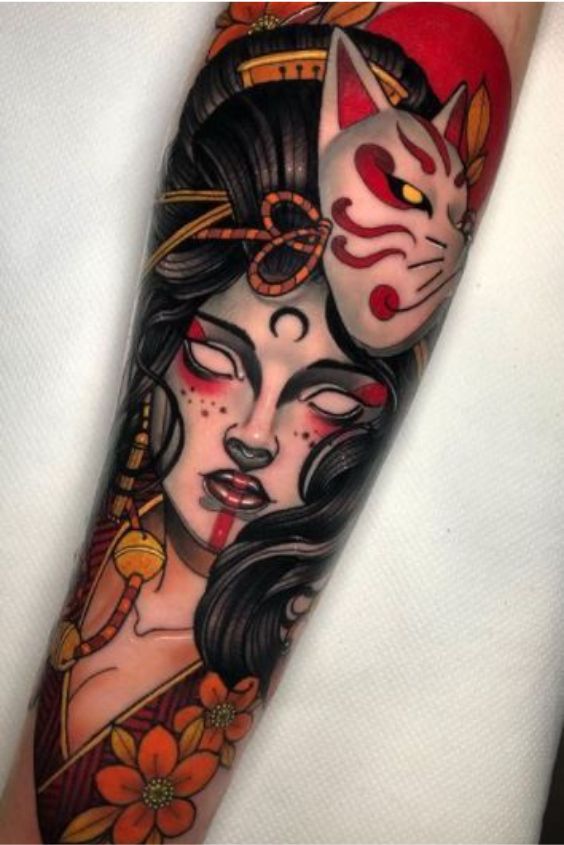
Geisha
Geisha tattoos capture these iconic Japanese figures’ beauty, mystery, and artistic skill. They represent femininity, allure, and the traditional aspects of Japanese culture. The tattoos often feature a geisha in elaborate kimonos, with subtle expressions that invite wonder.
 Save
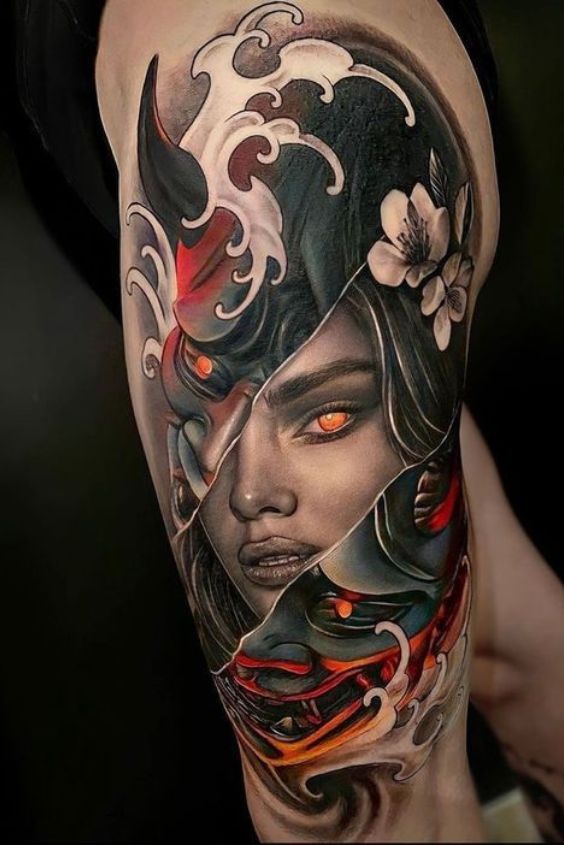
Hannya Mask
The Hannya mask, used in Noh theater, symbolizes a woman transformed by jealousy and anger. Tattoos of the Hannya mask are captivating and intimidating. These are often used to represent complex emotions or as a talisman to ward off evil spirits.
 Save
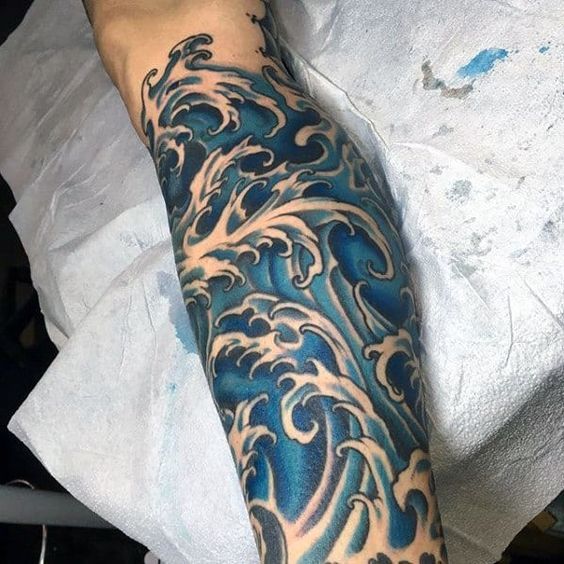
Waves
Waves in Japanese tattoos are not just beautiful water patterns but also symbolize power, life, and movement. They are often paired with other elements, like koi fish or dragons. This enhances their meaning of overcoming adversity or symbolizing the flow of life.
 Save
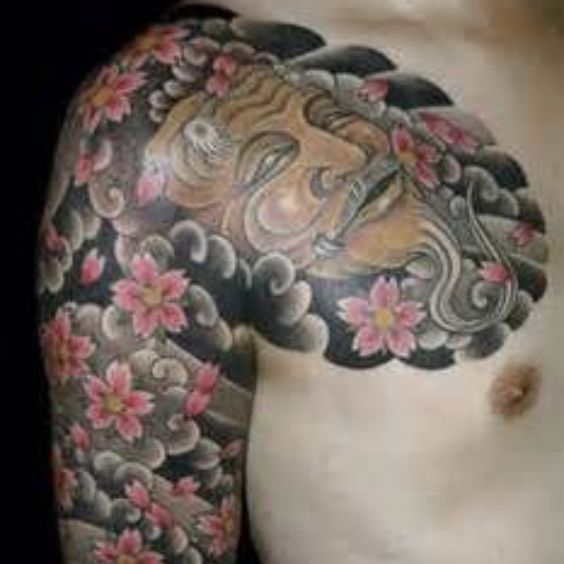
Wind Bars
Wind bars in Japanese tattoos symbolize the inevitability of change and the transient nature of life. These designs are characterized by graceful lines and curves. It often complements other elements in a tattoo to create a sense of motion and fluidity.
 Save
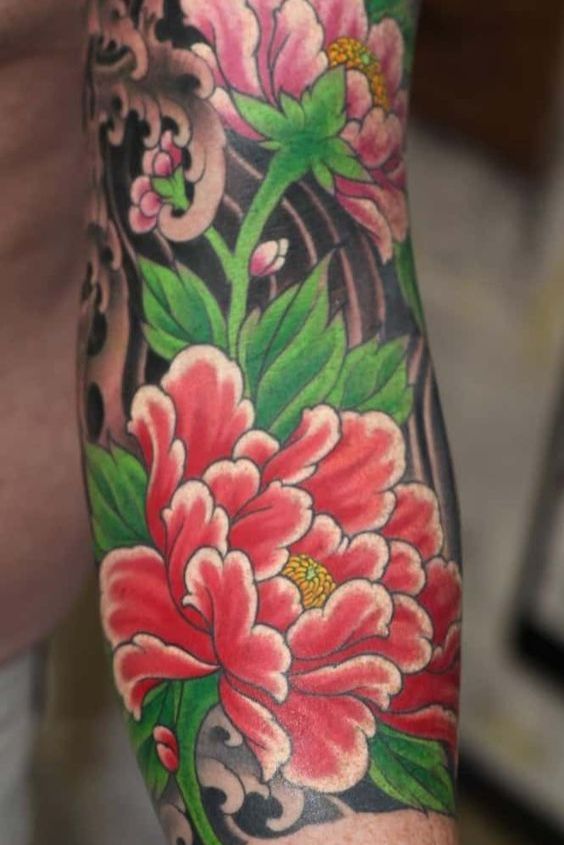
Peony (Botan)
Peonies, or ‘Botan,’ in Japanese tattooing, are known as the “king of flowers.” They symbolize wealth, good fortune, and bravery. These designs often feature large, vibrant blooms, sometimes accompanied by lions or samurais. This signifies the fusion of beauty and strength.
 Save
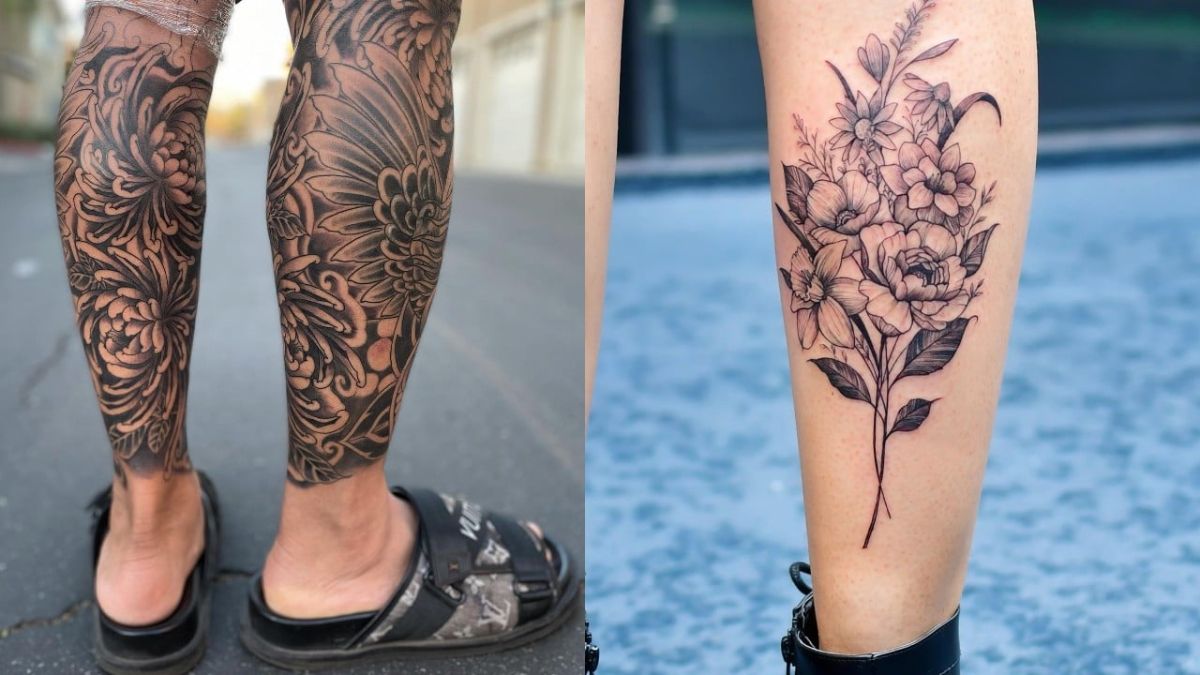
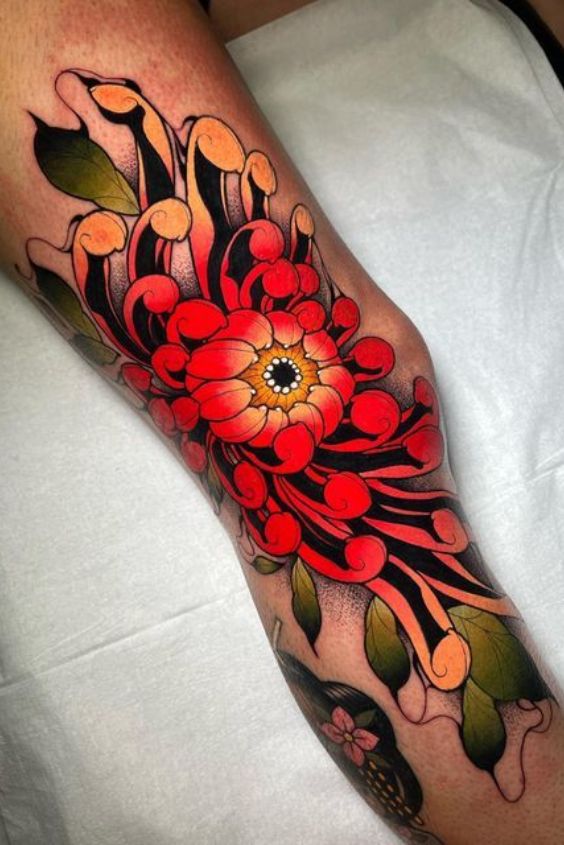
Chrysanthemum (Kiku)
The chrysanthemum, or ‘Kiku,’ represents longevity and rejuvenation. In tattoos, these flowers are often intricately detailed. It symbolizes the perfection of nature and the cycle of rebirth and regeneration.
 Save
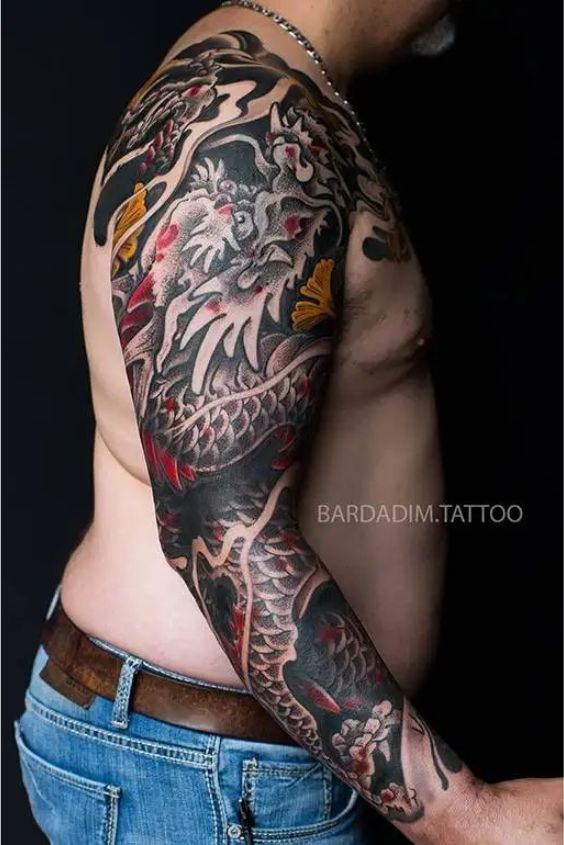
The Lion (Shishi)
Shishi, or lion tattoos, represent protection and good luck. They are often depicted as fierce creatures, guarding temples or sacred sites in Japanese folklore. In tattoos, they symbolize the strength and courage to protect what is dear to the wearer.
 Save
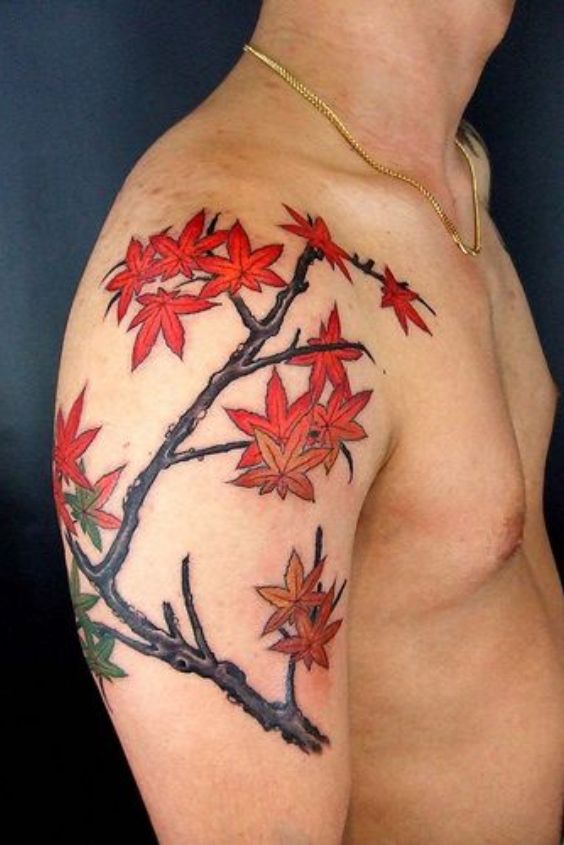
Maple Leaves (Momiji)
Momiji, or maple leaves, in Japanese tattoos, signify the passage of time and the beauty of the natural world. They are often shown in vibrant reds and oranges. It symbolizes the change of seasons and the impermanence of life.
 Save
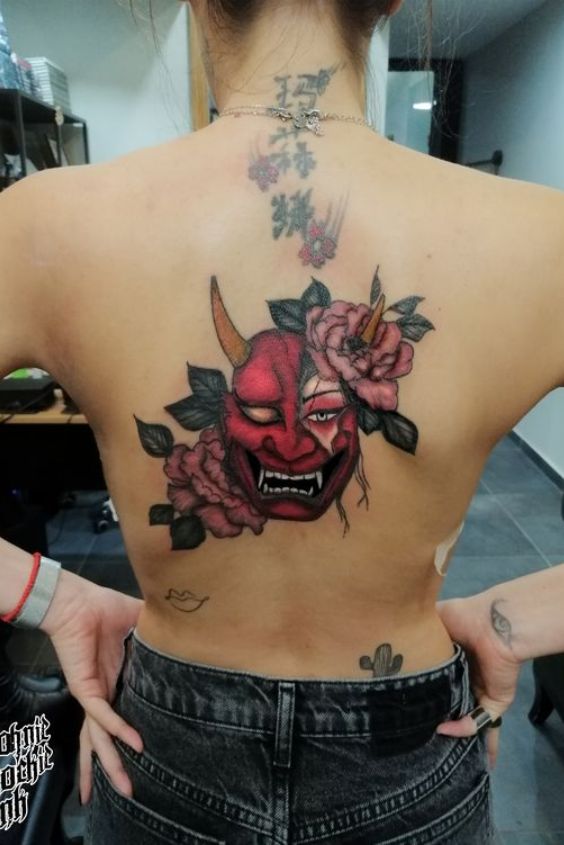
The Hannya Shinkyo (Heart Sutra)
The Hannya Shinkyo, or Heart Sutra, is a unique tattoo choice featuring the text of this famous Buddhist scripture. It symbolizes wisdom, enlightenment, and a deep understanding of the nature of reality. This tattoo is often chosen by those on a spiritual path seeking to embody the teachings of the sutra.
 Save
For more ideas, see our japanese neck tattoo ideas, back tattoos for women that are stunning and top 17 vampire teeth tattoo ideas to embrace your dark side.
Frequently Asked Questions
Can I get a small Japanese traditional tattoo?
Generally, no. Japanese traditional tattoos are intended to be large, featuring intricate details and intense shading. Some designs even cover the entire body. A different style, like black and gray, is recommended for smaller pieces.
Do Japanese traditional tattoos last?
Yes, they do. Japanese traditional tattoo designs tend to hold up better over time than other styles. Just thanks to their deep, saturated colors and bold lines.
Wrapping Up!
These 18 Japanese tattoos are not just cool-looking but have a deeper meaning behind them. Every tattoo design has a story and symbolism that showcases the wearer’s beliefs, dreams, and connection to Japanese culture.
It’s like a piece of personal art that tells a unique story about the person wearing it. Have you seen the intricate details and patterns of these tattoos? They’re unique and reflect the wearer’s values, aspirations, and cultural heritage.