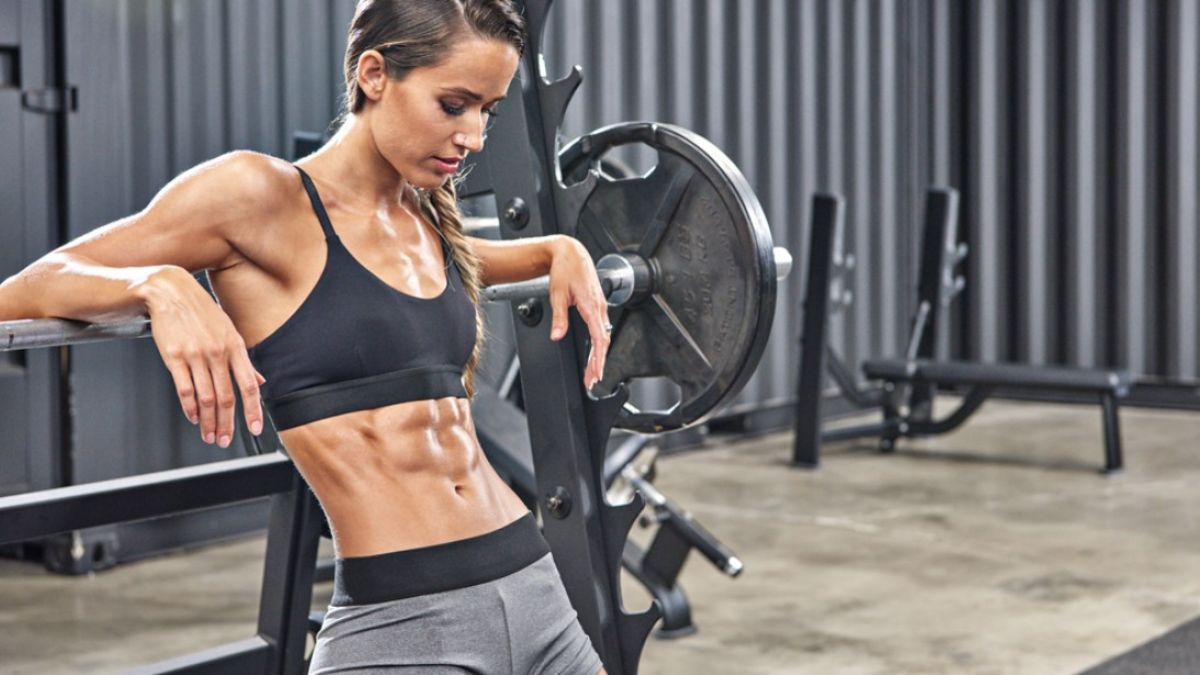
Fitness models appear in campaigns for activewear, sportswear, supplements and gyms, on magazine covers and increasingly on social media. Unlike runway modeling, there’s no strict height requirement. What matters is a healthy, athletic look, reliability and the ability to perform on camera. Here’s how to get started.
 Save
1. Understand the Industry
Fitness modeling covers commercial shoots for brands, editorial work for fitness magazines, e-commerce product photos, fitness competitions and social media partnerships. Study working fitness models: the brands they shoot for, how they pose and how they present themselves online. For inspiration, see our lists of female fitness models and male fitness models.
2. Build a Healthy, Sustainable Routine

Brands want a fit, healthy and athletic look, not an extreme one. Train consistently, eat a balanced diet, sleep well and recover properly. Working with a qualified personal trainer or registered dietitian helps you build a routine you can keep up long term. Avoid crash diets or dramatic cutting before shoots, which can harm your health.
Height matters less than in fashion modeling. Commercial and fitness clients book people of many heights and body types, as long as they look strong and healthy.
3. Practice in Front of the Camera

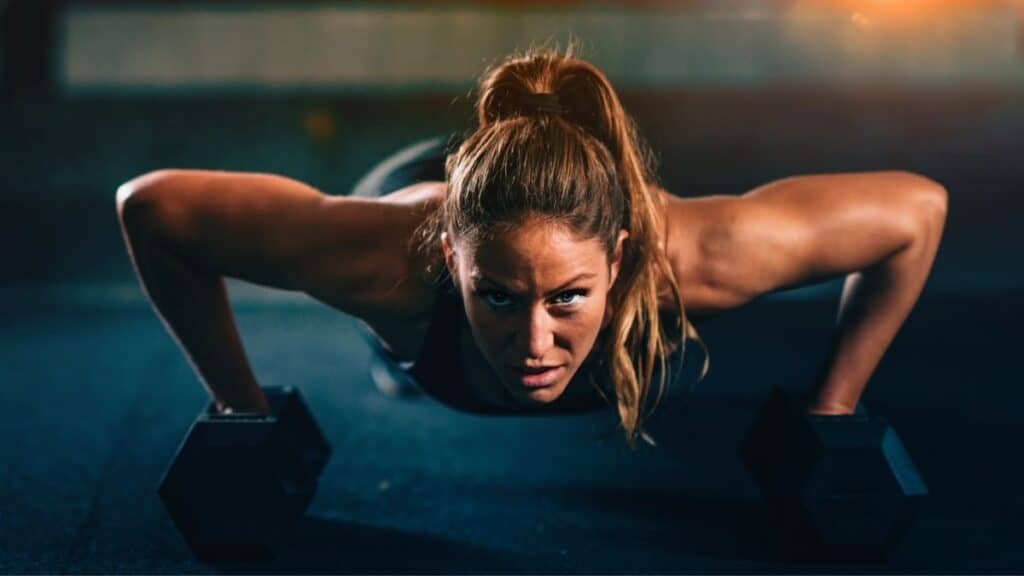
Being fit isn’t enough on its own. You also need to look natural while moving, holding poses and smiling. Practice with friends or photographers, study your angles, and learn to show action shots such as running, lifting or stretching in a way that looks effortless. Fitness and physique competitions can also help you gain stage experience and visibility.
4. Set Clear Goals
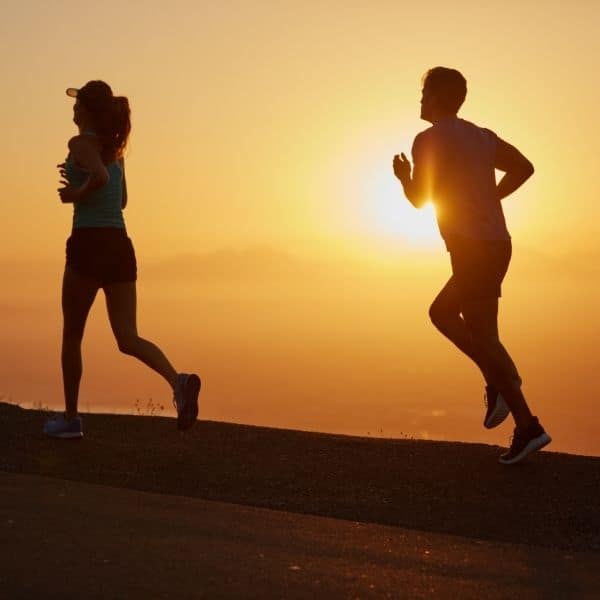
Decide what kind of fitness modeling you want to do, such as commercial, editorial, competition or influencer work, and plan your training, portfolio and networking around it. Track your progress and keep realistic timelines.
5. Build a Strong Portfolio
Work with a professional photographer to create a small portfolio that shows both your physique and your personality: a clean headshot, full-body shots in activewear and a few action shots. Keep it natural, with minimal editing. Many models also use Instagram or TikTok as a living portfolio.
6. Approach Agencies and Brands
Look for agencies with a fitness, sports or commercial division, and submit through their official websites. Reputable agencies don’t charge you to join. They earn a commission when you book work. You can also reach out directly to local gyms, activewear brands and fitness photographers for collaborations.
7. Build Your Team and Network
As you grow, you may work with photographers, stylists, makeup artists, trainers and eventually a manager. Build good relationships, be professional and on time, and treat every job as a chance to get rebooked.
8. Be Persistent

Rejection is part of every modeling career. Keep training, keep improving your portfolio and keep applying. Fitness modeling rewards consistency, both in the gym and in how you show up for work.
Final Thoughts
Becoming a fitness model starts with a healthy routine and a clear goal, then a strong portfolio and the right agency or brand contacts. Look after your health first: a sustainable, balanced approach looks better on camera and lasts longer than any quick fix.