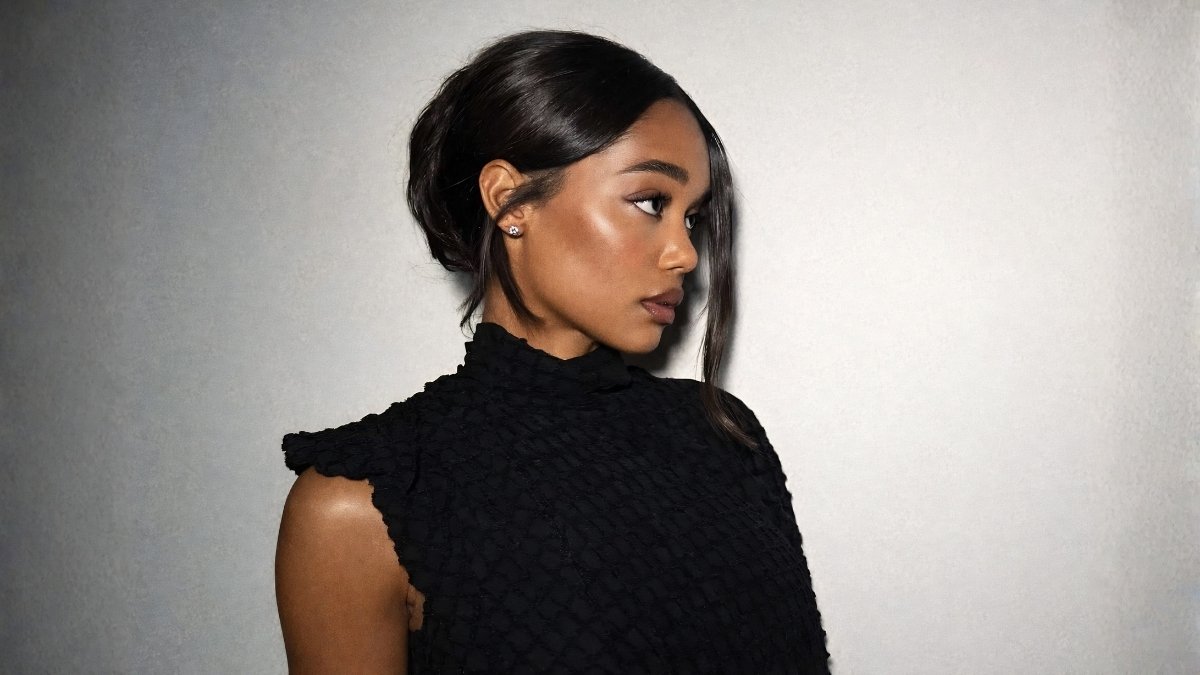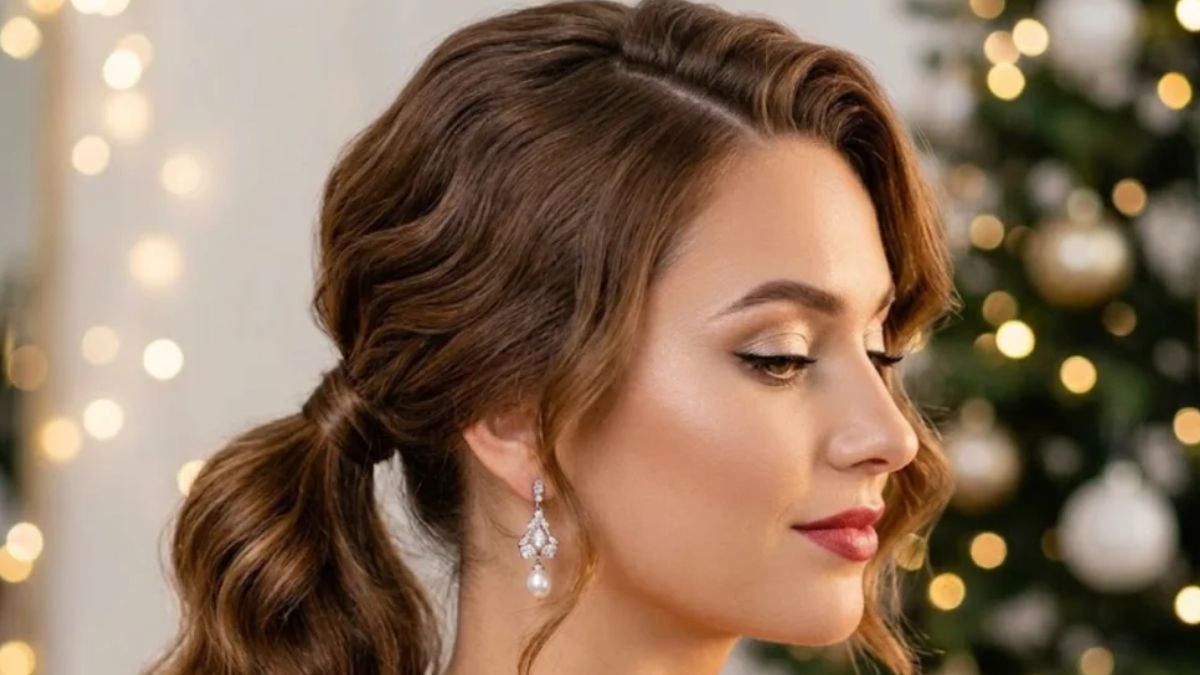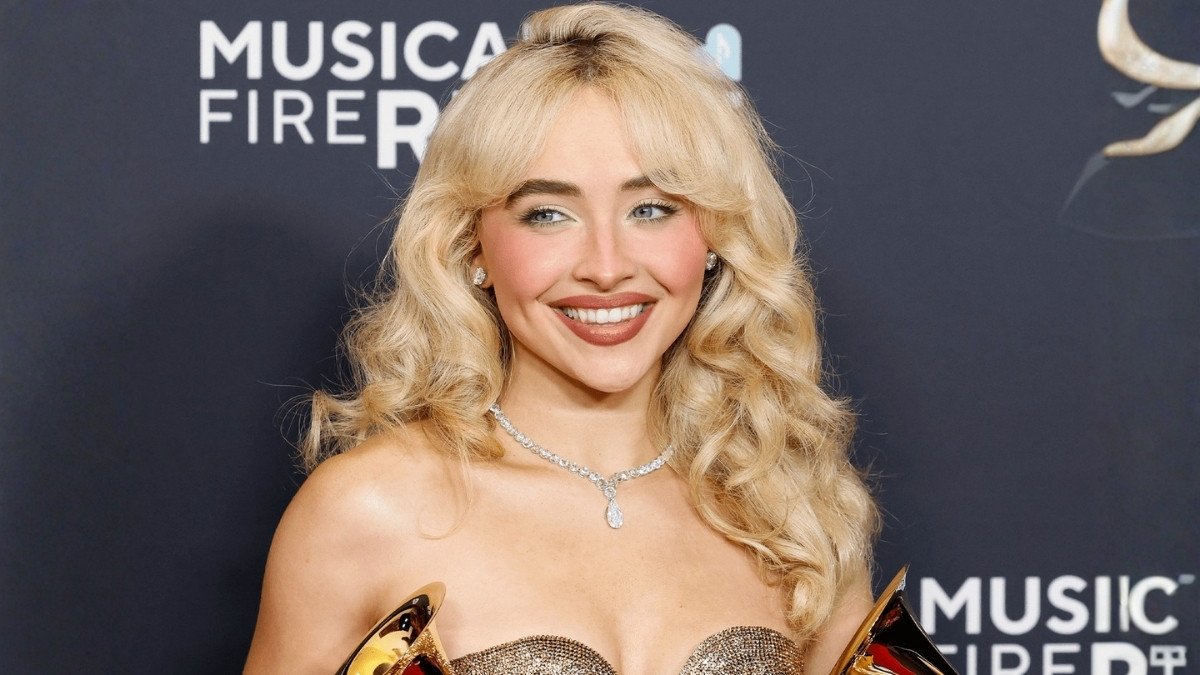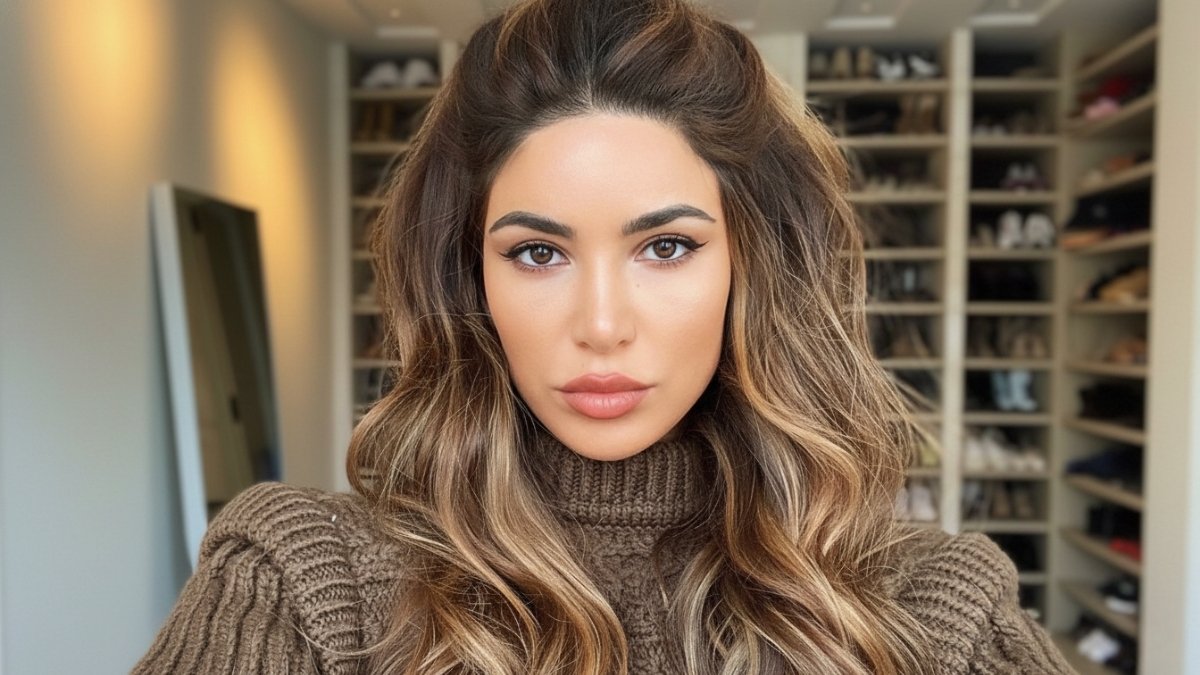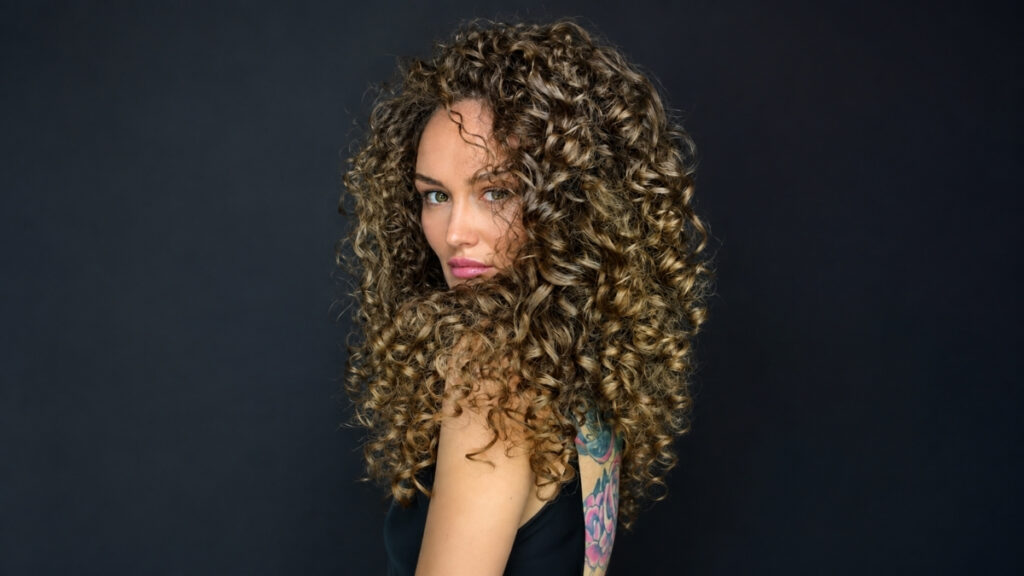
The perm has genuinely changed since the 1980s, and it is worth understanding how, because the difference is chemical rather than cosmetic.
Contemporary formulas use milder reducing agents, including cysteamine and glyceryl monothioglycolate, operating at a lower pH of roughly 6.5 to 8.5. That reduction in alkalinity translates directly into less structural damage to the hair shaft. On top of that, there are now heat-based digital perms and acid perms that work with the hair’s natural pH rather than against it, neither of which existed thirty years ago.
What has not changed is who the service suits. Two things are worth knowing before you book anything, and neither appears in most inspiration galleries.
One: Bleached Hair Is the Highest-Risk Category
Chemically lightened hair is the highest-risk category for any perm service. That is not a caution about a slightly worse result; it is a structural integrity problem.
Some low-pH acid perms can be safely applied to lightly highlighted hair. Heavily bleached or repeatedly processed hair may not be a suitable candidate at all until its condition improves. Stylists generally advise avoiding perms entirely on hair that is over roughly thirty percent lightened, severely damaged, or chemically relaxed.
A strand test and a protein assessment are essential rather than optional. And if a stylist tells you your hair is not in a condition to take it, that is competence rather than obstruction. A skilled stylist would probably refuse to perm hair that is already very brittle, dry, or severely bleached.
If you highlight your hair and want a perm, the sequencing matters. Speak to your colourist and your stylist about it together, and read our guide to long hair highlights if you are still deciding on the colour side, since porosity and previous processing are exactly what determine whether a perm is possible.
Two: A Spiral Perm Will Shorten Your Hair
This surprises people and it is not reversible.
A spiral perm is created by rolling hair vertically around the rod, which produces the tight corkscrew pattern the technique is named for. That vertical coiling takes up length, and the result is hair several inches shorter than it was when you sat down.
It is the reason spiral perms are typically favoured by women with long hair. There has to be enough length to lose some.
Factor this into the decision at consultation rather than discovering it in the mirror.
The Modern Perm Types
1. Classic Spiral Perm
Vertically wrapped rods producing tight, corkscrew curls with substantial volume and bounce.
The defining version and the most dramatic result available. It suits anyone who wants a genuine transformation rather than a subtle enhancement.
Best on long, healthy hair. The tighter the curl, the more length it consumes.
 Save
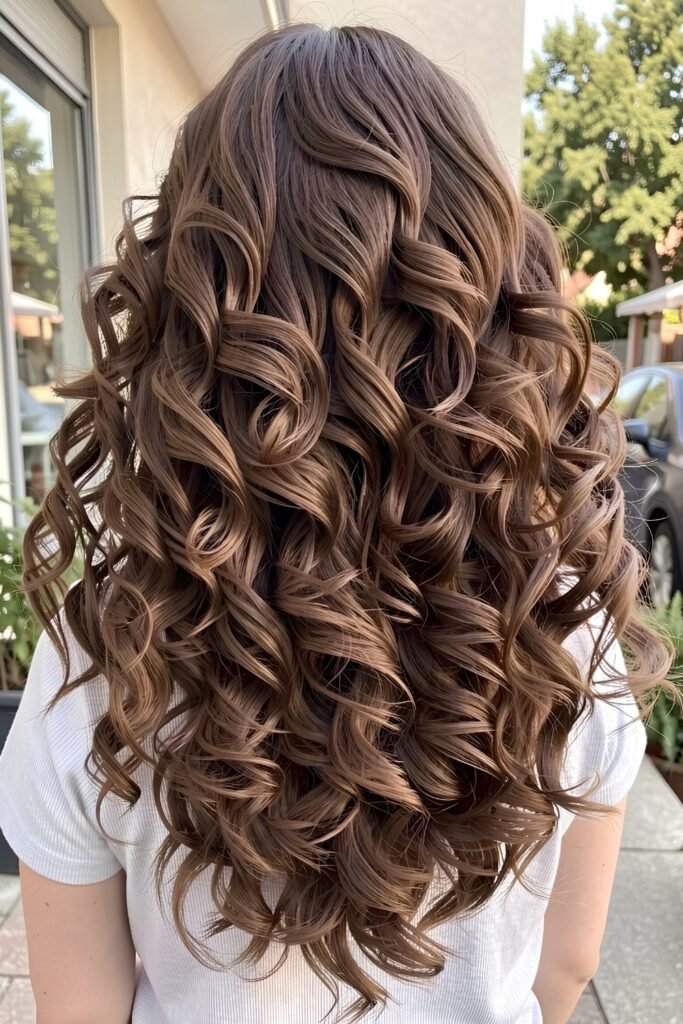
Save2. Loose Spiral Perm
The same vertical technique with larger rods, producing wider, softer spirals.
More wearable day to day and considerably more forgiving as it grows out, since a looser curl blends into natural texture more gracefully than a tight one.
The version to choose if you like the idea of a spiral perm but not the 80s association.
 Save
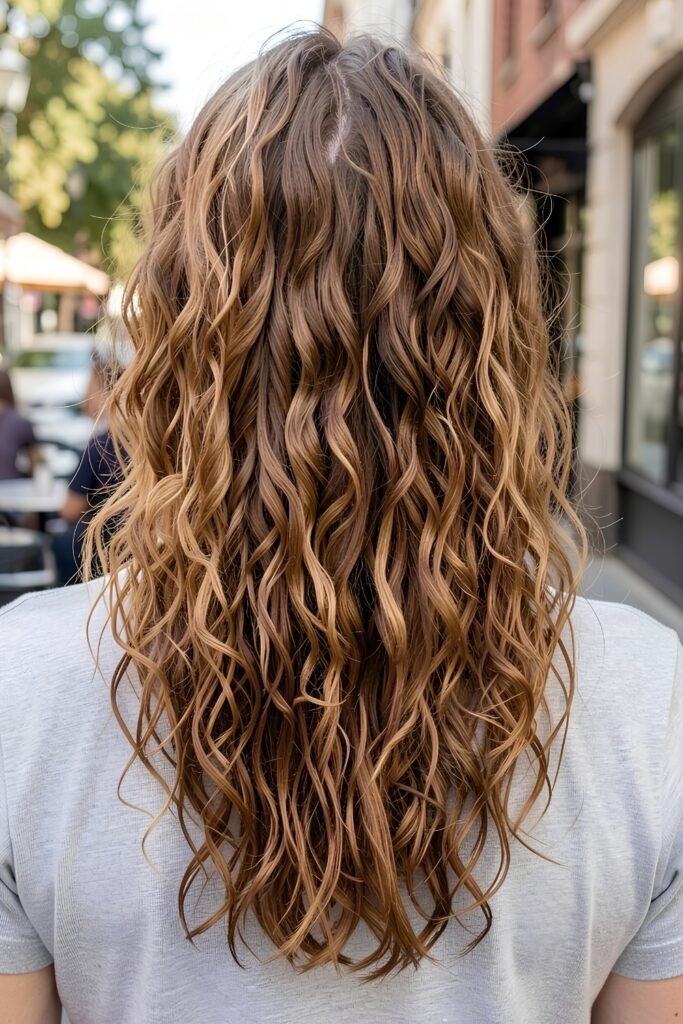
Save3. Digital Perm
Controlled heat, typically around 60 to 80 degrees celsius, applied through electronically regulated rods.
The heat produces a more defined and longer-lasting curl pattern, and it is particularly effective on coarser hair types that resist conventional cold perming.
Worth asking about specifically. Not every salon offers it, and it is a different service rather than a variation on the standard one.
 Save
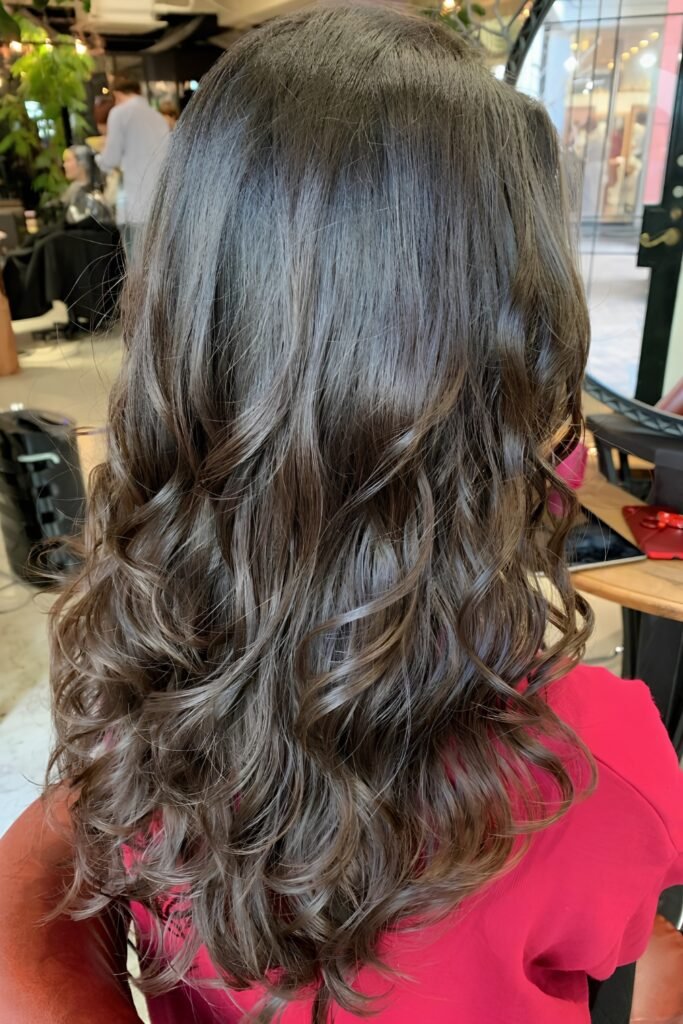
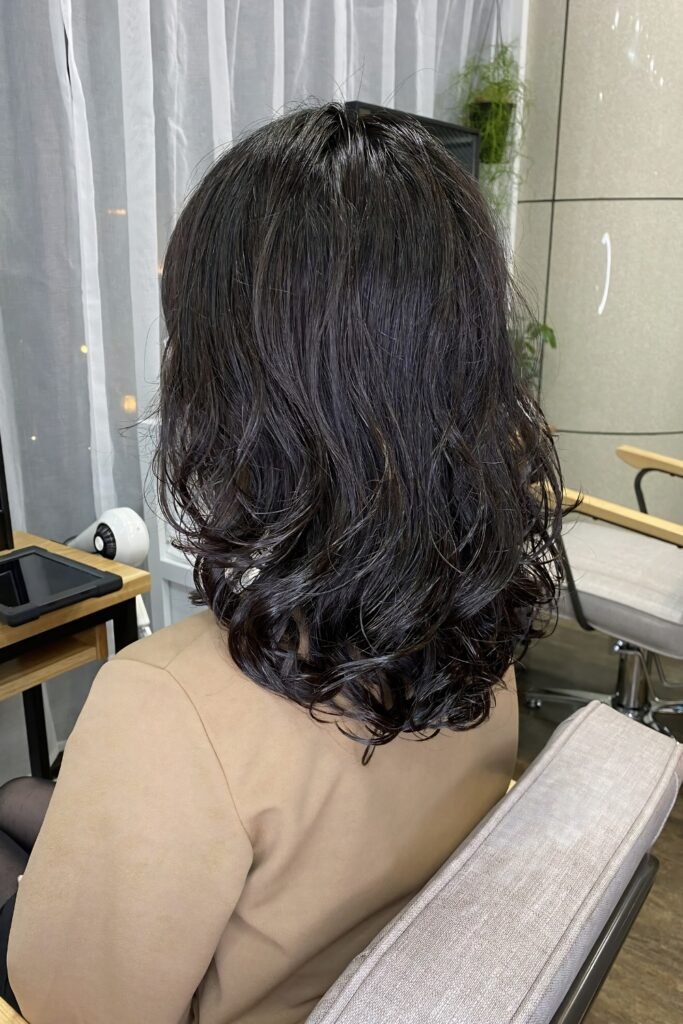
Save4. Acid Perm
A lower-pH formula that works with the hair’s natural pH rather than against it.
The gentlest chemical option available, producing softer, shinier curls with dramatically reduced frizz. It is also the only category that may be suitable for lightly highlighted hair.
Slower to process and gives a softer result than an alkaline perm, which is the trade for the reduced damage.
 Save
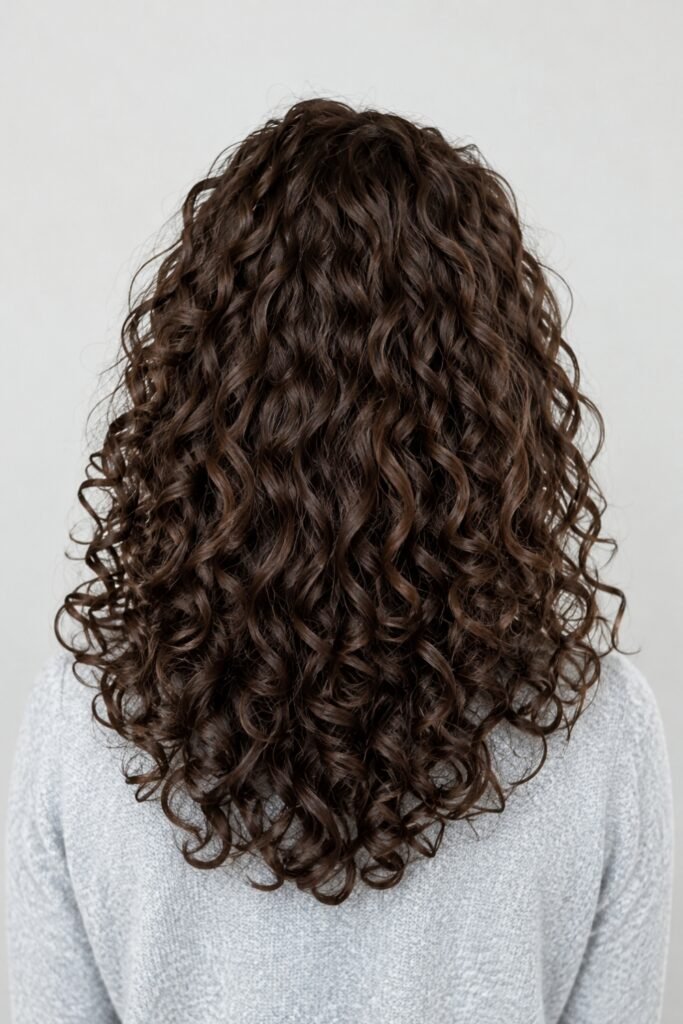
Save5. Cold Wave Perm
The traditional room-temperature process with no heat applied to the rods.
Still the standard service in most salons and perfectly good on healthy virgin hair. It gives a firmer curl than an acid perm and is generally faster than a digital one.
The default unless your hair or your desired result points elsewhere.
 Save
SaveCurl Pattern Variations
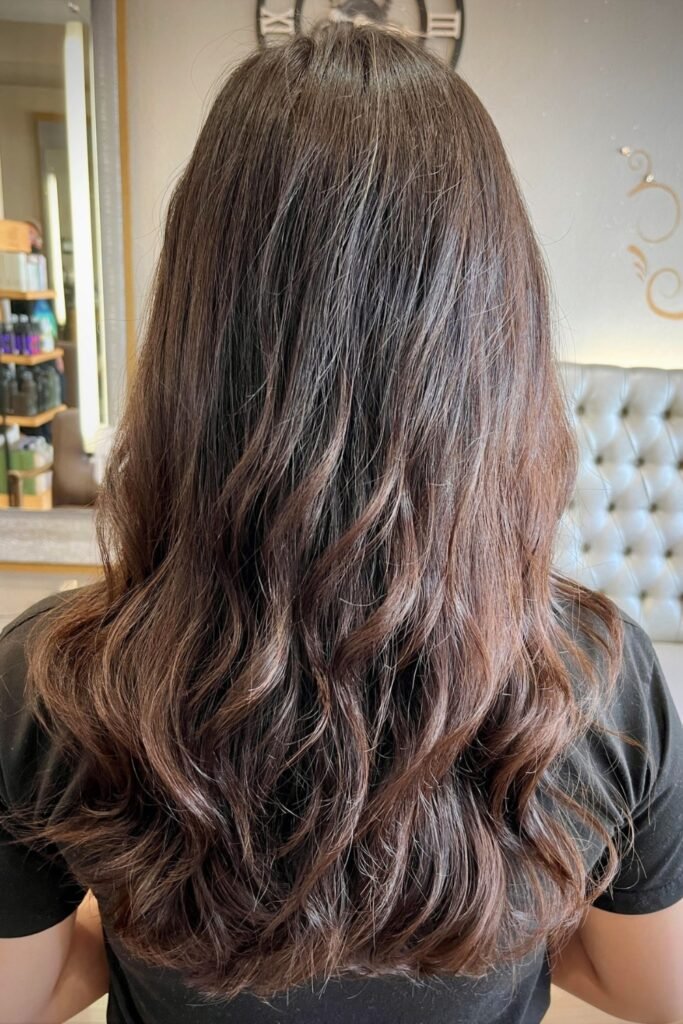
6. Body Wave Perm
Large rods producing loose, natural-looking waves rather than defined curls.
The most requested modern perm by some distance, and the furthest thing from the 80s stereotype. It adds volume and movement without announcing itself as a chemical service.
The right choice if your goal is that your hair holds a wave rather than that it looks curly.
 Save
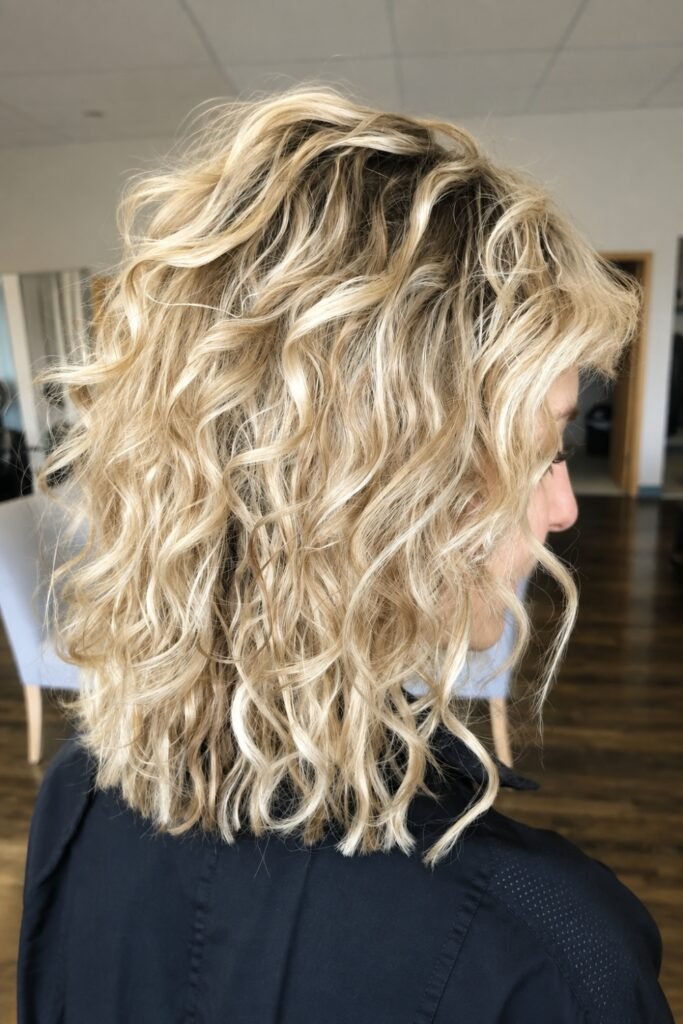
Save7. Beach Wave Perm
Loose, irregular waves designed to mimic salt-air texture.
Similar to a body wave but deliberately less uniform. The irregularity is what makes it read as natural rather than set.
Achieved with mixed rod sizes rather than one consistent size, so ask for varied rods specifically.
 Save
Save8. Multi-Textured Perm
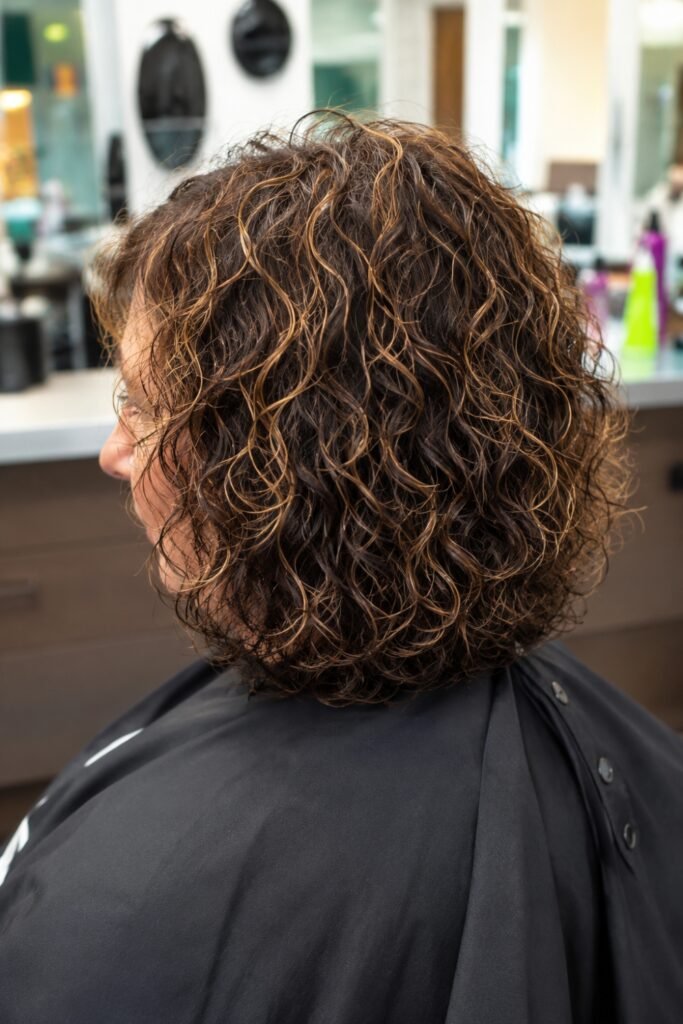
Different rod sizes used across the head to produce varied curl patterns.
The most natural-looking option, because real curly hair is not uniform. Mixing sizes produces the irregularity that a single rod size cannot.
Requires a stylist who plans the rod map rather than working through mechanically. Ask to see examples.
 Save
Save9. Stack Perm
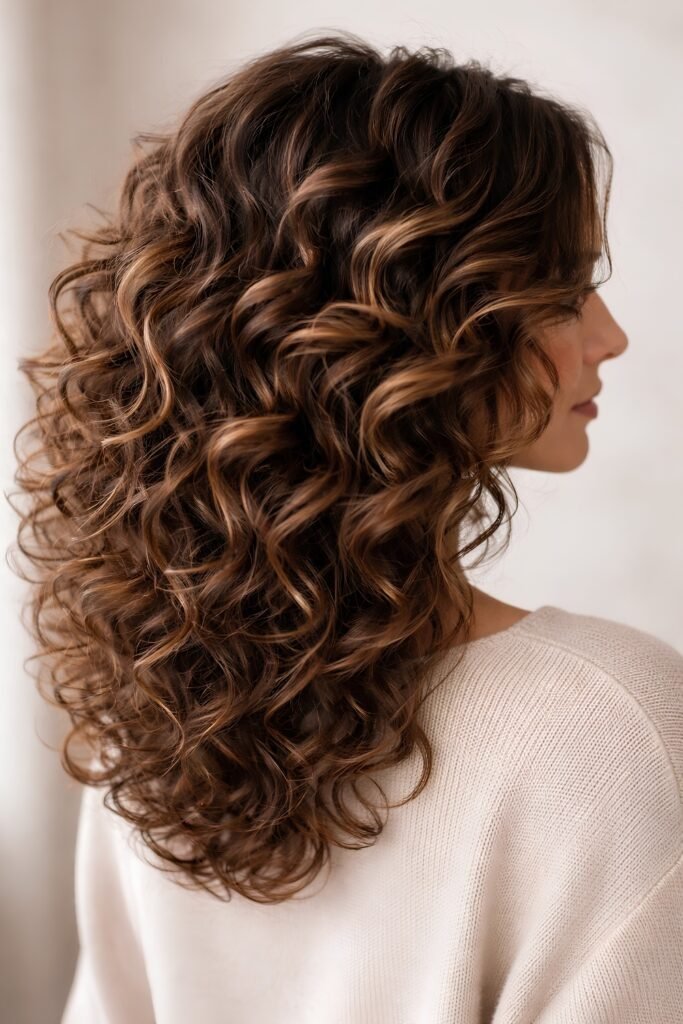
Curl concentrated in the top layers and the mid-lengths, leaving the ends straighter.
Adds volume and lift at the crown without curling the whole head, which is useful for anyone who wants body rather than curl.
Particularly good on one-length hair, where it creates the illusion of layers without cutting any.
 Save
Save10. Spot Perm
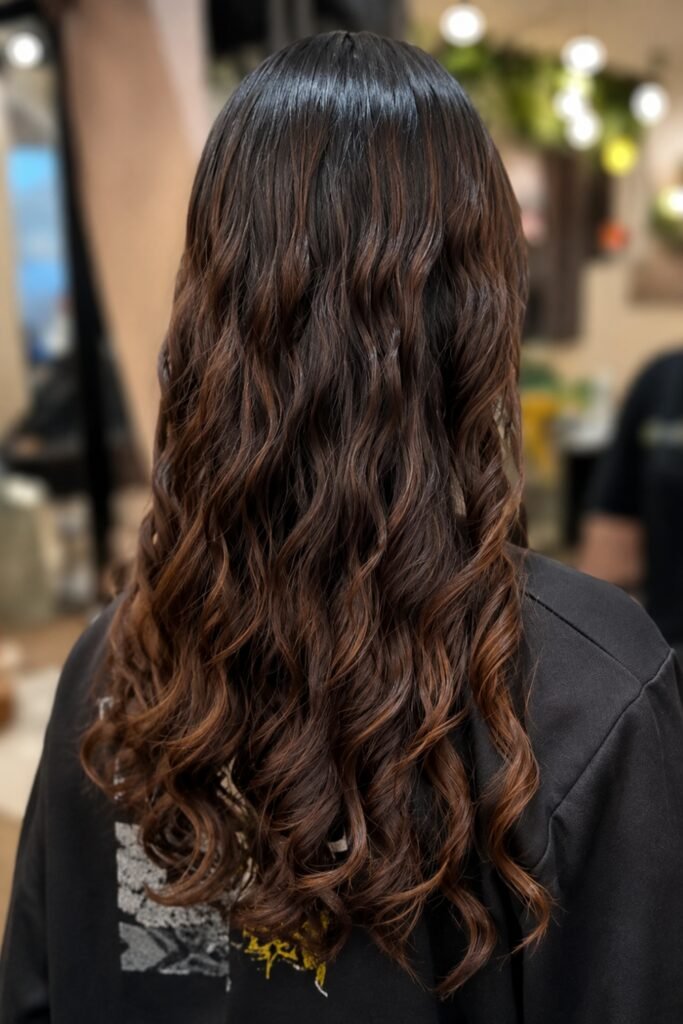
Curl applied only to specific sections rather than the whole head.
The most conservative option and the most useful corrective one. It is often used to match sections that have lost their curl or to balance uneven natural texture.
Also the sensible first perm if you are unsure. It commits very little hair.
 Save
Save11. Root Perm
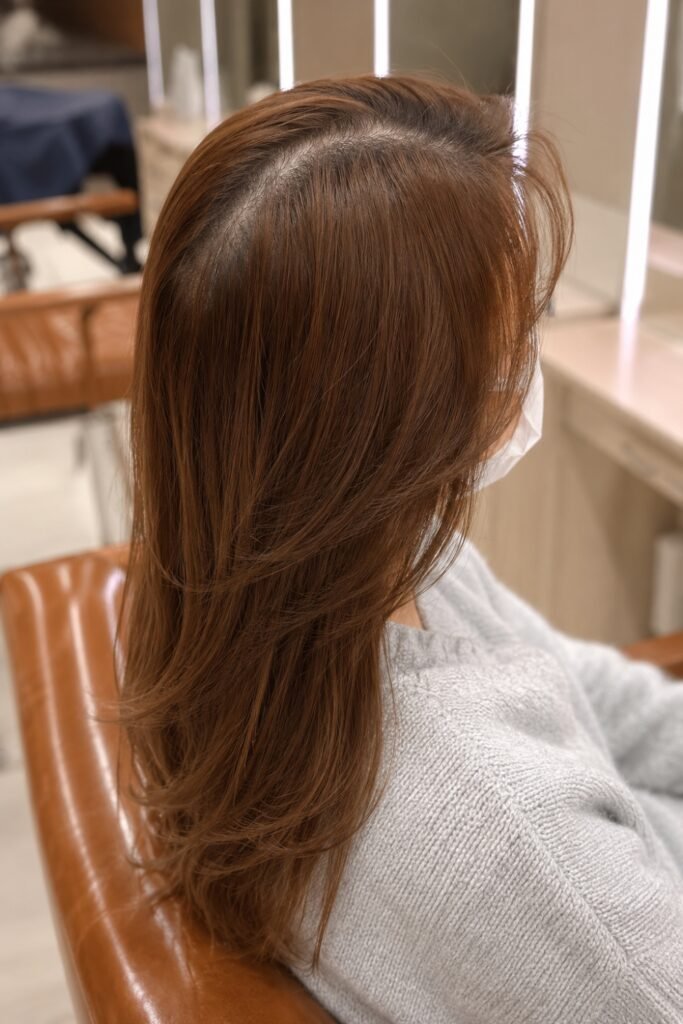
Curl or volume created only at the roots, leaving the lengths untouched.
Solves a specific problem: flat roots on otherwise acceptable hair. It lifts the crown without changing the texture of the length.
Grows out faster than a full perm, so the interval is shorter, but it is also a far smaller chemical commitment.
 Save
SaveBy Hair Length
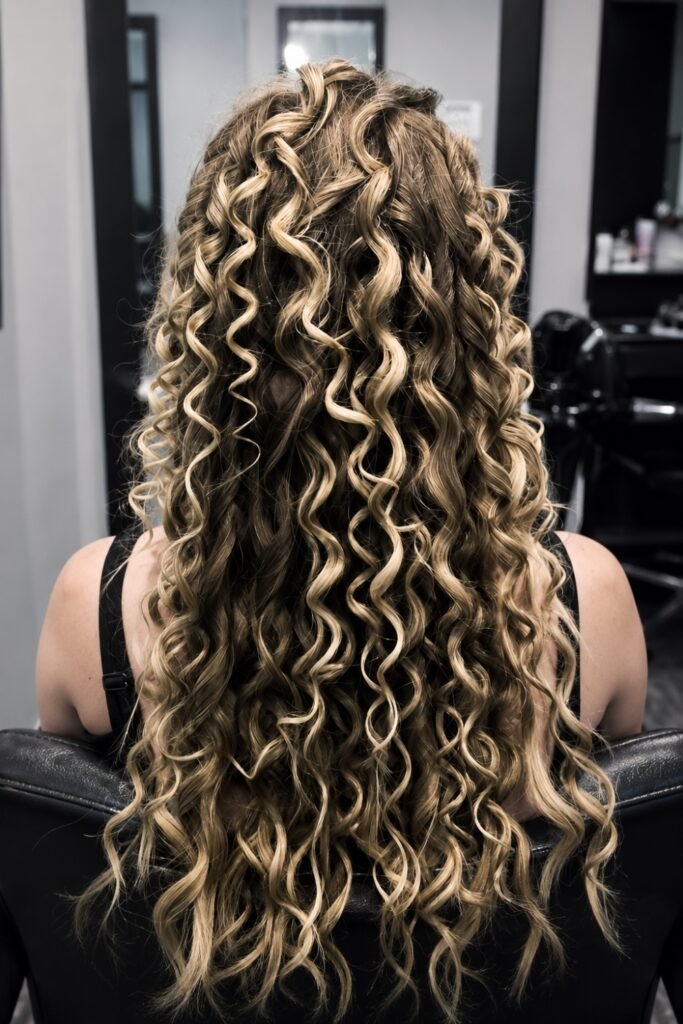
12. Spiral Perm on Long Hair
The full technique on hair well past the shoulders, which is where the spiral perm belongs.
Length is what makes the spiral pattern visible, since a corkscrew needs room to travel. It is also what absorbs the several inches the technique consumes.
The most photographed version of this service and the one that delivers the reference-photo result.
 Save
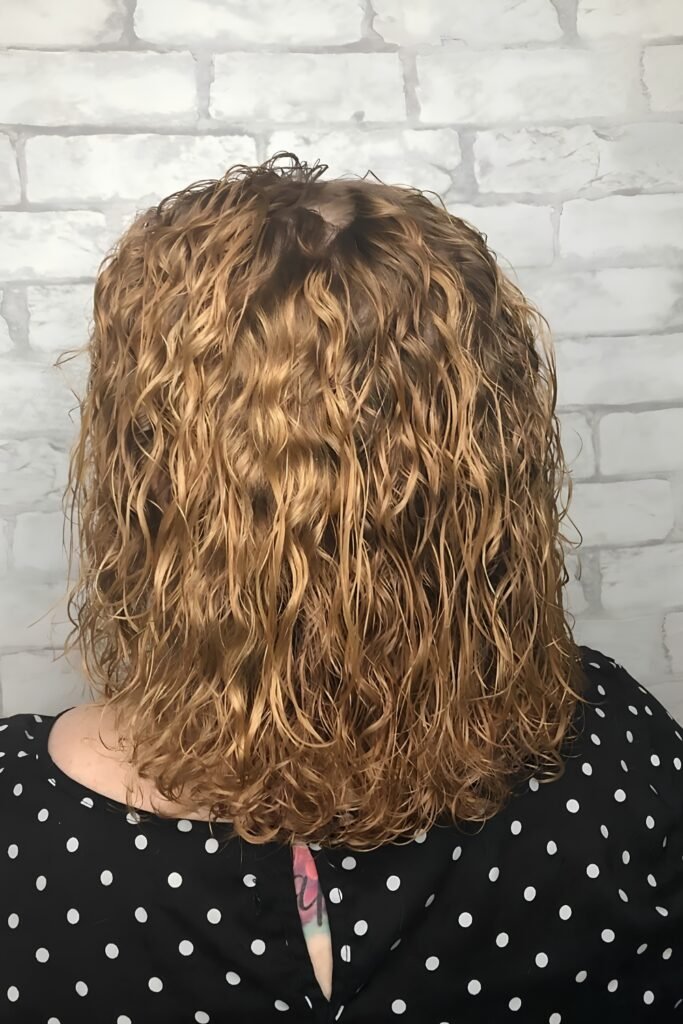
Save13. Spiral Perm on Mid-Length Hair
The technique on shoulder to collarbone length, producing a fuller, rounder shape.
The length loss matters more here proportionally. Hair at the collarbone can end up near the jaw, so discuss the finished length rather than the starting length at consultation.
Produces significant volume, which suits some face shapes and overwhelms others.
 Save
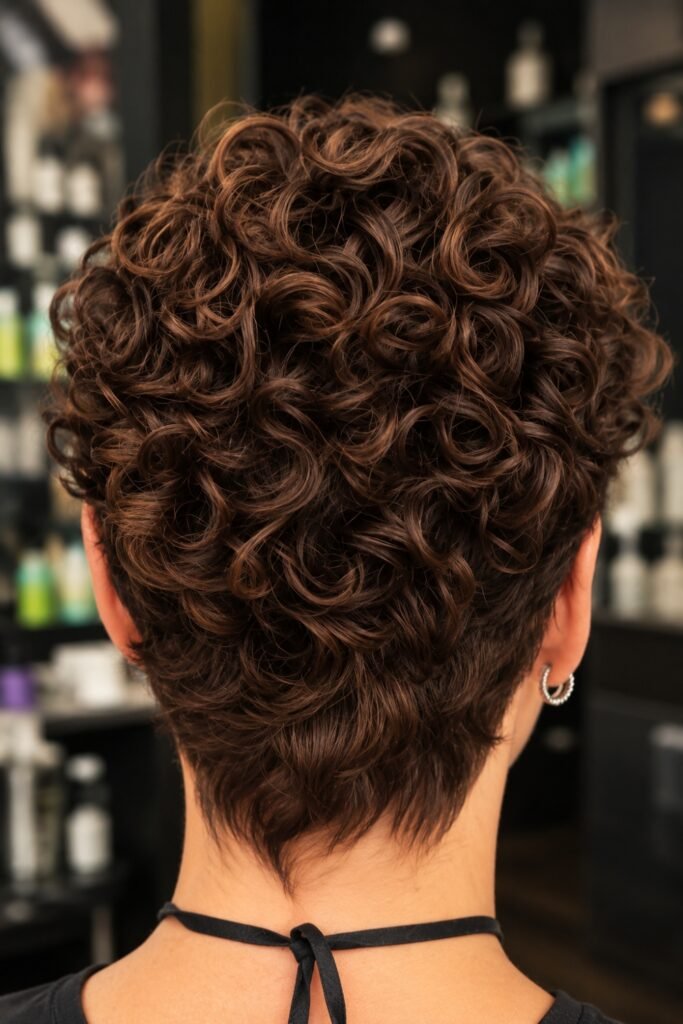
Save14. Perm on Short Hair
Pin perms or small-rod work on hair too short for vertical spiral rolling.
Short hair cannot take a true spiral perm, since there is not enough length to coil. A pin perm creates defined curls at shorter lengths instead.
For shorter shapes generally, our guide to chin-length bob haircuts covers the lengths where this becomes a consideration.
 Save
SaveBy Hair Type
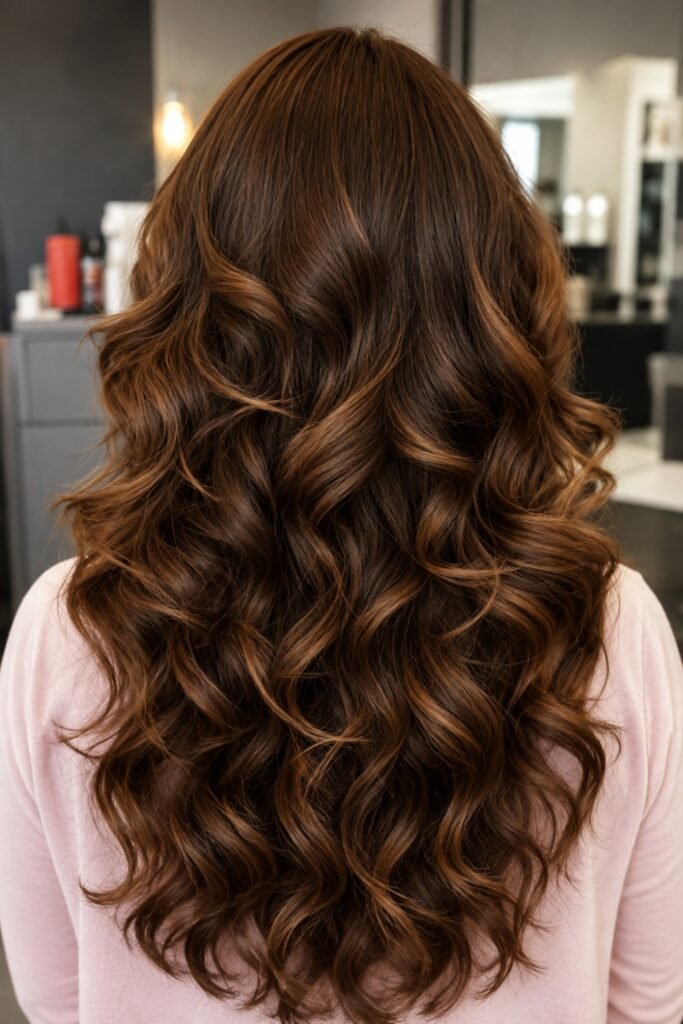
15. Perm for Flat, Straight Hair
The standard candidacy: hair that is straight, healthy, and has never held volume.
This is the perm’s ideal use case. Virgin hair with no colour history is the best possible candidate, and someone who currently spends time with a curling iron or sleeping in plaits gets the most from it.
If you have been creating texture with heat every day, a perm removes that daily routine entirely, which is its strongest practical argument.
 Save
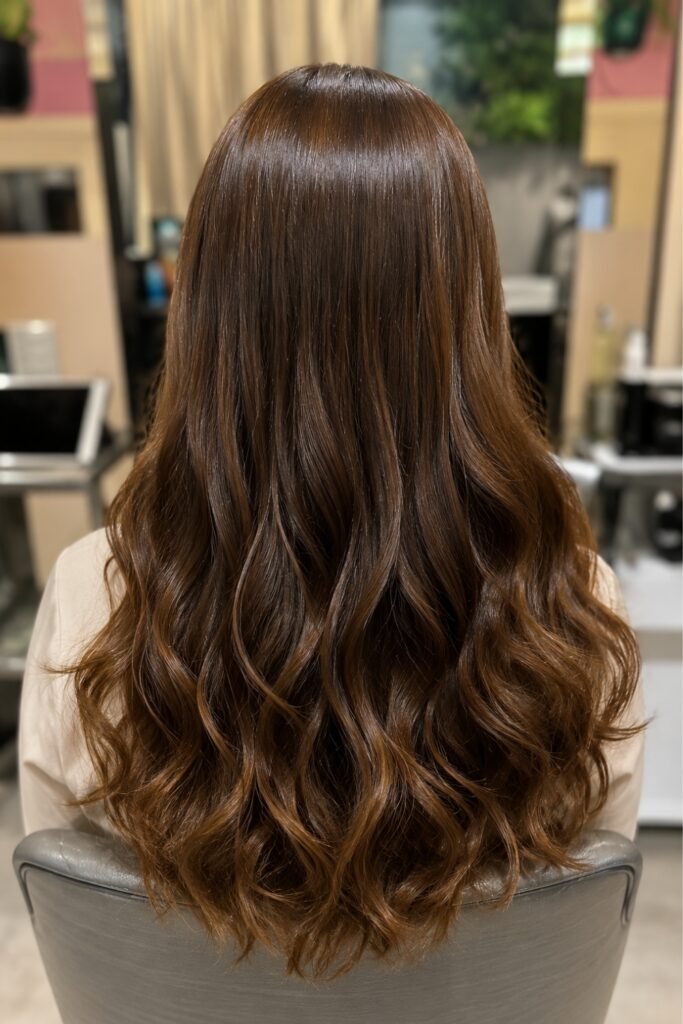
Save16. Perm to Restore Dropped Curl
Curl applied to naturally wavy or curly hair whose pattern has loosened over time.
An underused application. Perms work well for putting bounce back into hair that has lost the curl it had in childhood, and the result reads as natural because it is restoring rather than imposing a pattern.
Discuss matching the perm to your remaining natural pattern rather than choosing a rod size from a photograph.
 Save
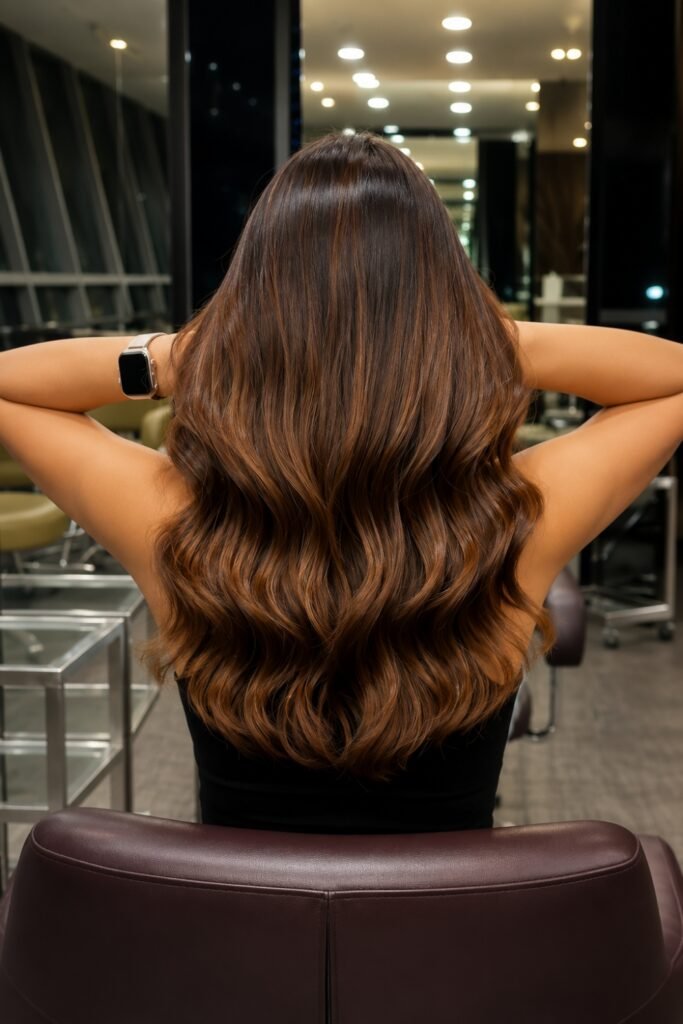
Save17. Perm on Fine Hair
Smaller rods and gentler formulation on hair that lacks density.
Honest caveat: very fine hair may not hold the curl for long, and the chemicals can leave it dry and brittle. Fine hair is not automatically excluded, but it is a conversation rather than an assumption.
An acid perm is generally the better choice here than an alkaline one.
 Save
SaveAftercare That Actually Matters
Do not wash for at least 48 hours. Water disrupts the chemicals that are still setting the curl. This is the single most consequential aftercare rule and the one most commonly broken.
Wash less afterwards. Perming chemicals dry the hair, and frequent shampooing strips what oil remains. Dry shampoo covers the gap.
Trim regularly. Curls become less pronounced as the hair grows and the permed section moves down, so trimming keeps the pattern defined.
Wait eight to ten months between perms. One to two a year is the ideal frequency. Perming more often than that is where cumulative damage comes from, regardless of how gentle the modern formulas are.
A perm typically lasts around six months, and the appointment itself takes several hours. Plan for both.
Common Questions
Can I get a perm on bleached or highlighted hair?
It depends on how much. Lightly highlighted hair may be suitable for a low-pH acid perm, but heavily bleached or repeatedly processed hair often is not a candidate at all until its condition improves. Stylists generally advise avoiding perms on hair over roughly thirty percent lightened, severely damaged, or chemically relaxed. A strand test and protein assessment are essential, and a stylist who declines is doing their job.
Will a spiral perm make my hair shorter?
Yes, by several inches. The technique rolls hair vertically around the rod, and that coiling consumes length. It is why spiral perms are usually recommended for long hair, and it is not reversible. Discuss the finished length rather than the starting length at your consultation.
Are modern perms less damaging than 80s perms?
The chemistry is genuinely gentler. Modern formulas use milder reducing agents at a lower pH of around 6.5 to 8.5, which means less structural damage than the highly alkaline solutions used previously. Acid perms and digital perms reduce it further. That said, it remains a chemical service and still causes damage if pre- and aftercare are ignored.
How often can I perm my hair?
Wait eight to ten months between perms, with one to two a year being the ideal frequency. That interval exists to let the hair recover, and shortening it is where cumulative damage accumulates regardless of how gentle the formulation is.
Will a perm work on fine hair?
Possibly, with adjustments. Very fine hair may not hold the curl for long, and the chemicals can leave it dry and brittle. Smaller rods and a gentler acid formulation improve the odds. It is worth a strand test and an honest conversation rather than an assumption in either direction.
Final Thoughts
The modern perm deserves its reconsideration. The chemistry is meaningfully gentler, the options are broader, and a body wave perm bears almost no resemblance to what the word conjures.
But it is still a chemical service on hair you cannot replace quickly. Get the strand test, be honest about your colour history, and understand that a spiral perm hands you back several inches shorter hair than you arrived with. Those three things decided in advance are what separate a good outcome from an expensive regret.