Every guide to Halloween hair accessories is a shopping list. None of them mentions the thing that actually happens, which is that the ears end up on the floor by ten o’clock and the crown spends the evening sliding towards one ear.
Two things decide whether an accessory stays on. How heavy it is, and whether you are wearing a wig. Everything else is detail.
So this list is sorted by weight, with the securing method for each, and there is a separate section on wigs because almost nothing that works on natural hair works on them.
Why Things Fall Off
Weight is the main variable. The heavier the embellishment, the more likely it is to go. Horns, antlers, large feathers and anything three-dimensional pulls a headband backwards off the crown of your head, gradually, over about two hours.
Wigs have no grip. Wig fibres are smooth and slick and do not have the friction natural hair provides, which is why accessories slide straight off them. Wig caps do not anchor much either, so heavy crowns tilt and heavy clips drag the whole wig sideways. Standard hair accessories are simply not designed for wigs and need extra support.
Clean hair has no grip either. Freshly washed hair is slippery. A strong-hold hairspray before you pin anything creates a stiffer texture for grips to bite into, and it is the cheapest fix on this list.
Lightweight
1. Decorative Clips
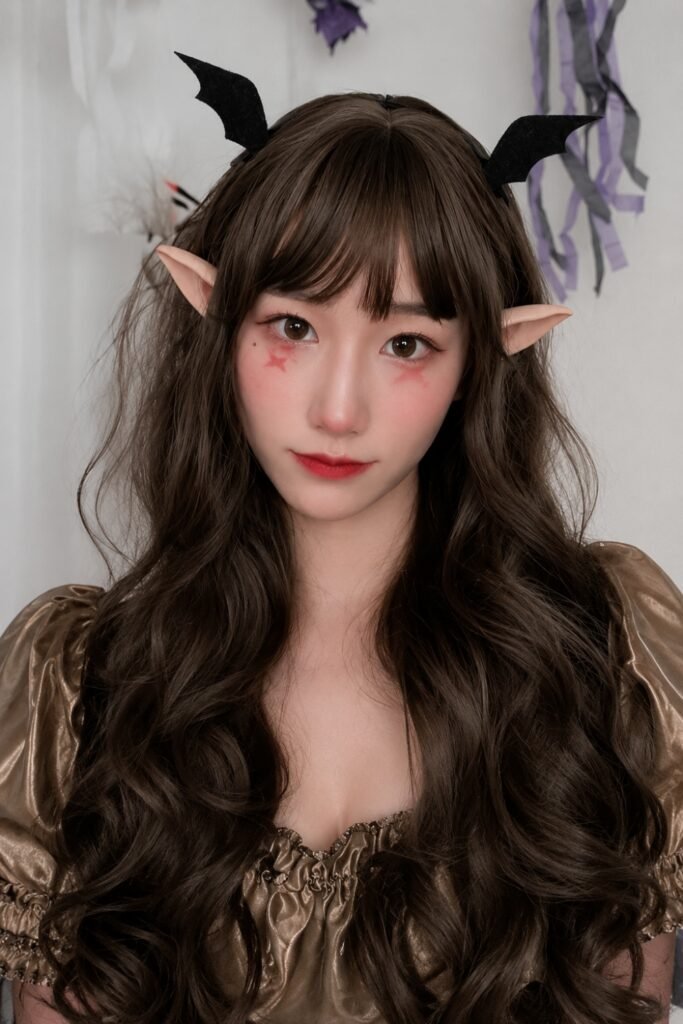
Small clips in Halloween motifs: bats, spiders, pumpkins, cobwebs.
Securing: nothing special required. These are light enough to hold on their own grip, which is exactly why they are the safest choice for a long night.
Cluster three or four asymmetrically on one side rather than spacing them evenly. Even spacing reads as a child’s hair clips; clustering reads as deliberate styling.
 Save
Save2. Ribbon or Bow
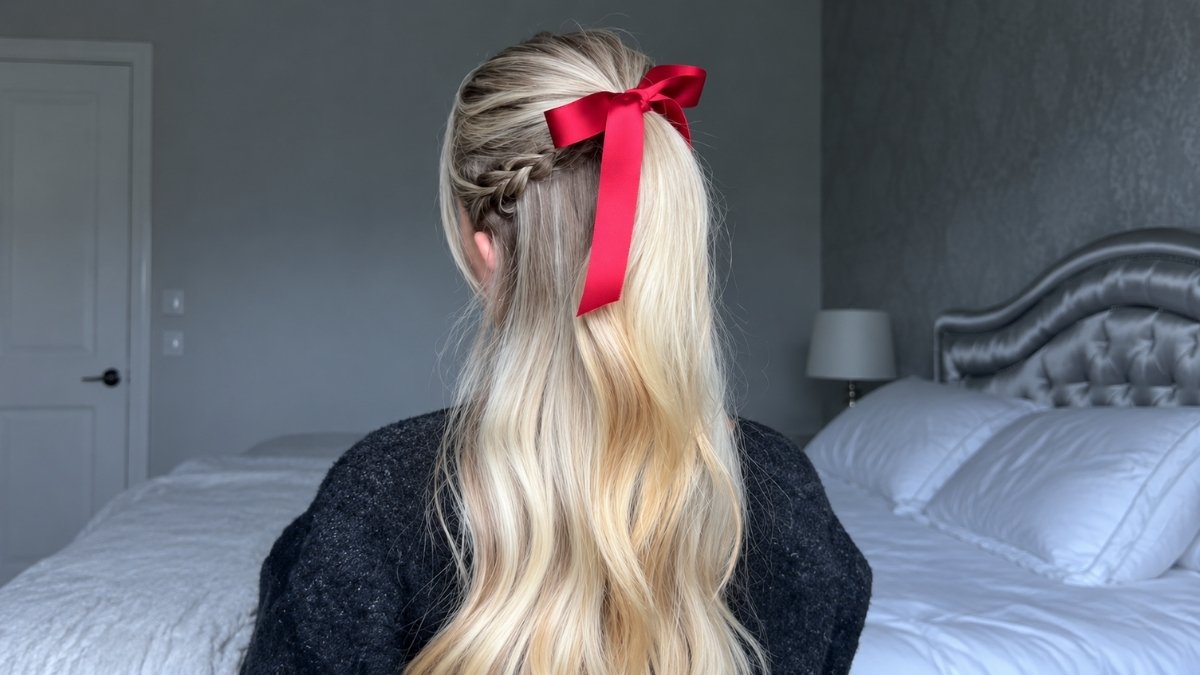
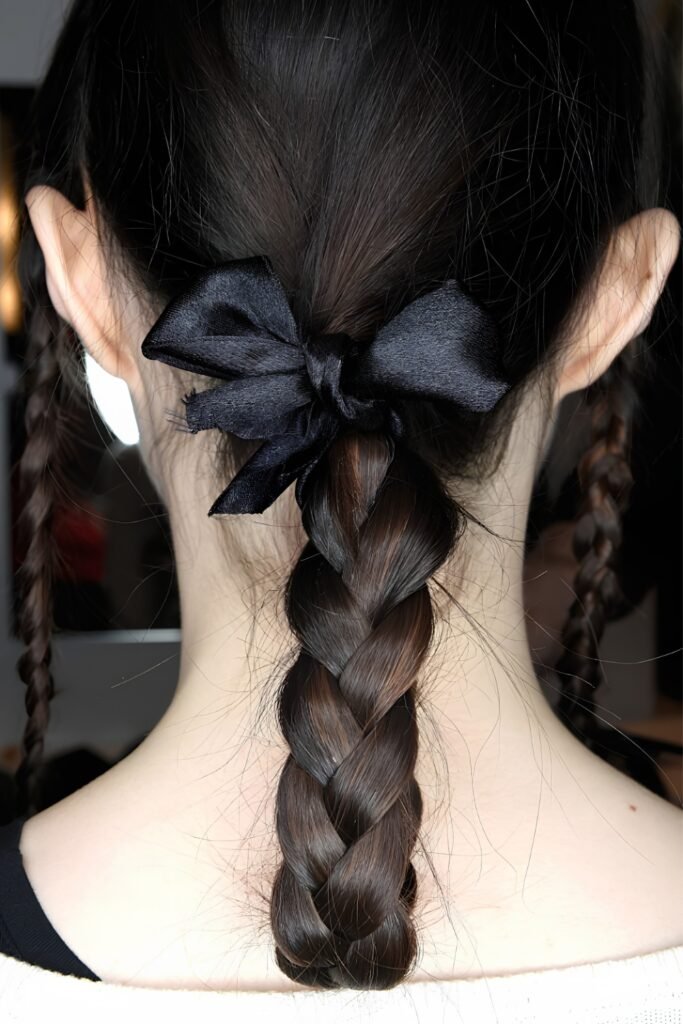
Satin ribbon tied at the base of a ponytail, woven through a braid, or worn as a bow.
Securing: tie it around the elastic rather than around the hair itself, and it will not slip.
The most versatile item here and the cheapest. Black satin reads gothic, red reads sinister, and orange reads costume-shop, which may or may not be what you want.
 Save
Save3. Small Floral Crown
A delicate flower crown, in black, deep red or dried florals for a Halloween register rather than a festival one.
Securing: a couple of grips at the temples where the crown meets the hair, crossed rather than parallel.
Dried or dark florals are what shift this from summer to autumn. Bright fresh flowers read as a different occasion entirely.
 Save
Save4. Hair Gems and Rhinestones
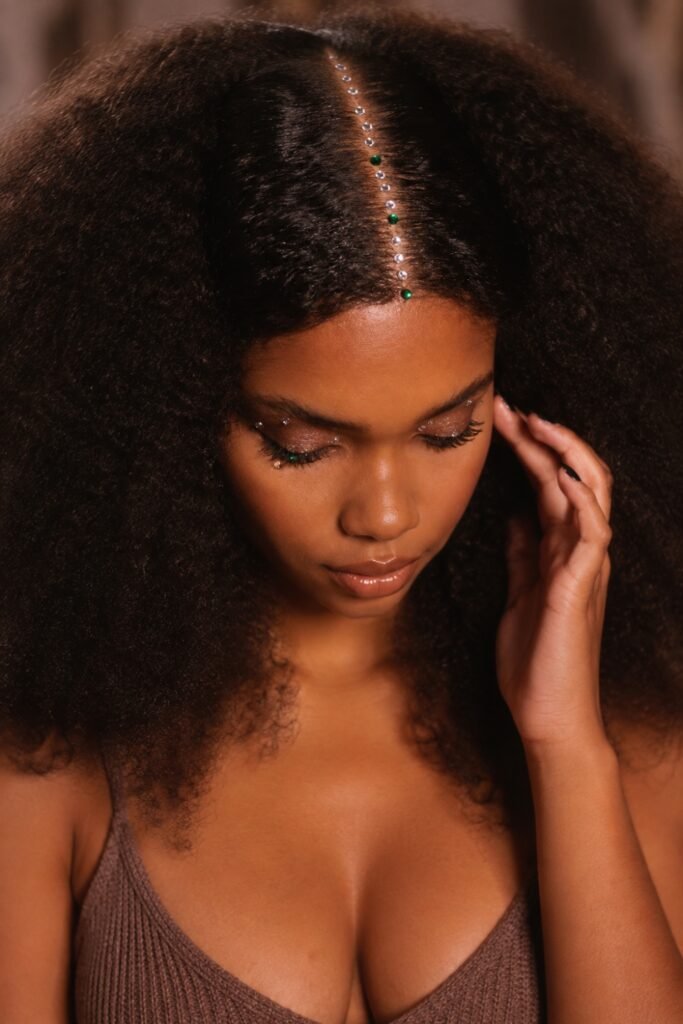
Small adhesive gems applied directly to the hair or along a parting.
Securing: they adhere themselves, and lash glue is a skin-safe option where anything touches skin.
The lightest option available and genuinely secure, since nothing hangs. They also come out with a wash rather than needing removal.
 Save
SaveMedium Weight
5. Headband With Ears
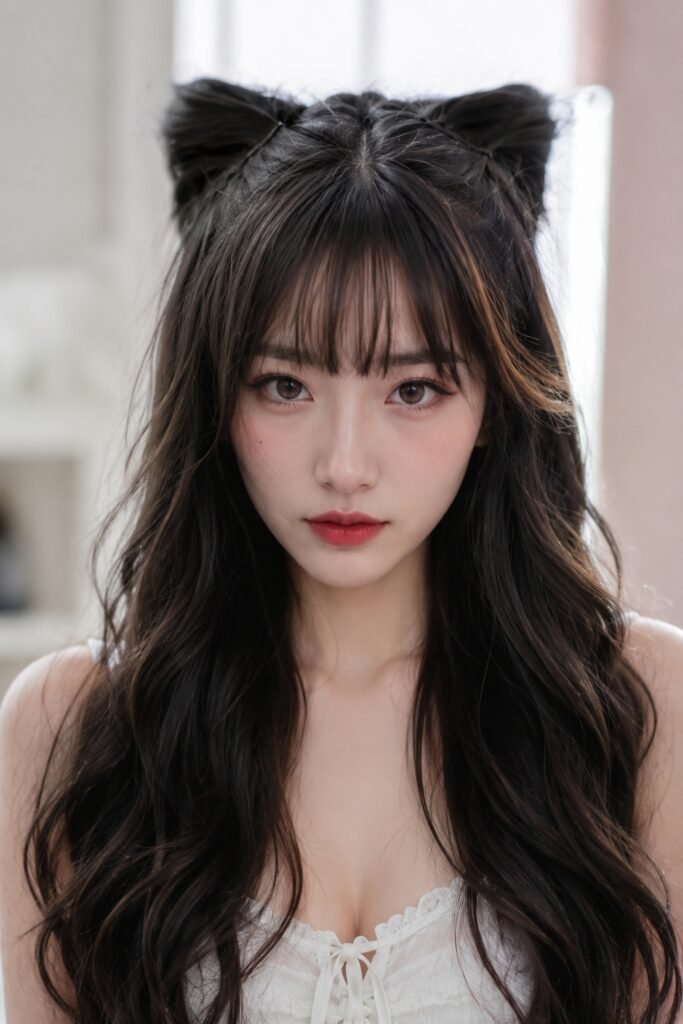
Cat, bat, devil or animal ears on a standard headband.
Securing: this is where things start slipping. Glue a length of ribbon inside the band, leaving unglued gaps along it, then slip bobby pins through those gaps and into your hair. The band stops moving entirely.
If the band digs in, glue a strip of felt or foam inside it. Ten minutes of preparation for a considerably more comfortable evening.
 Save
Save6. Fascinator
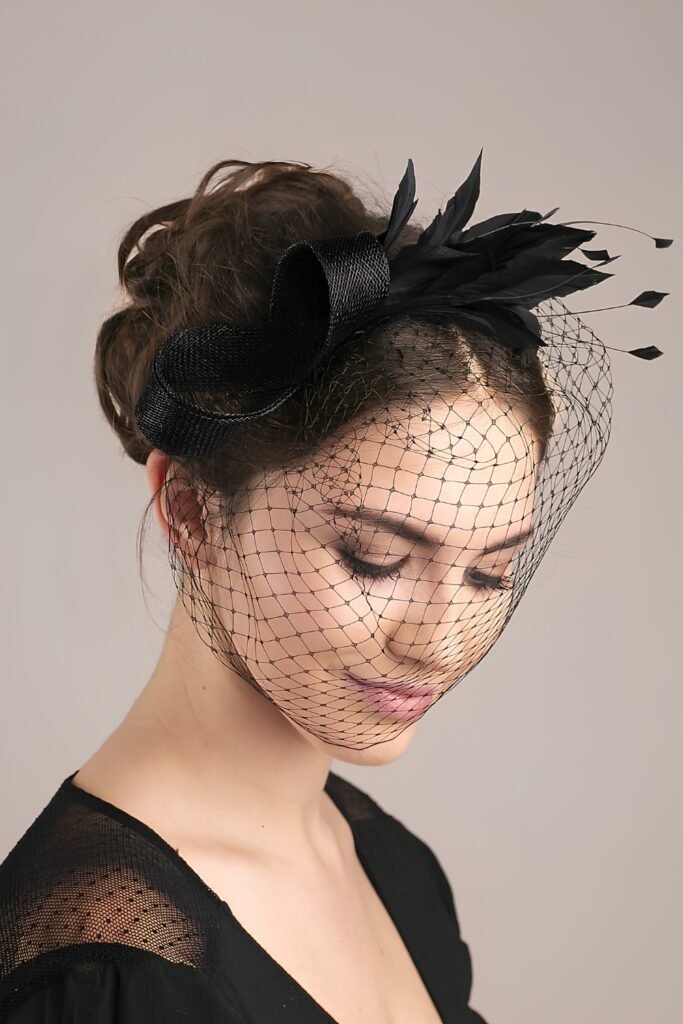
A small structured headpiece, usually netted or feathered, pinned to one side.
Securing: grips through the base comb, angled against the direction the weight pulls. If it has no comb, sew one on.
Sits higher on the style register than most Halloween accessories, which makes it useful for events where a full costume would be too much.
 Save
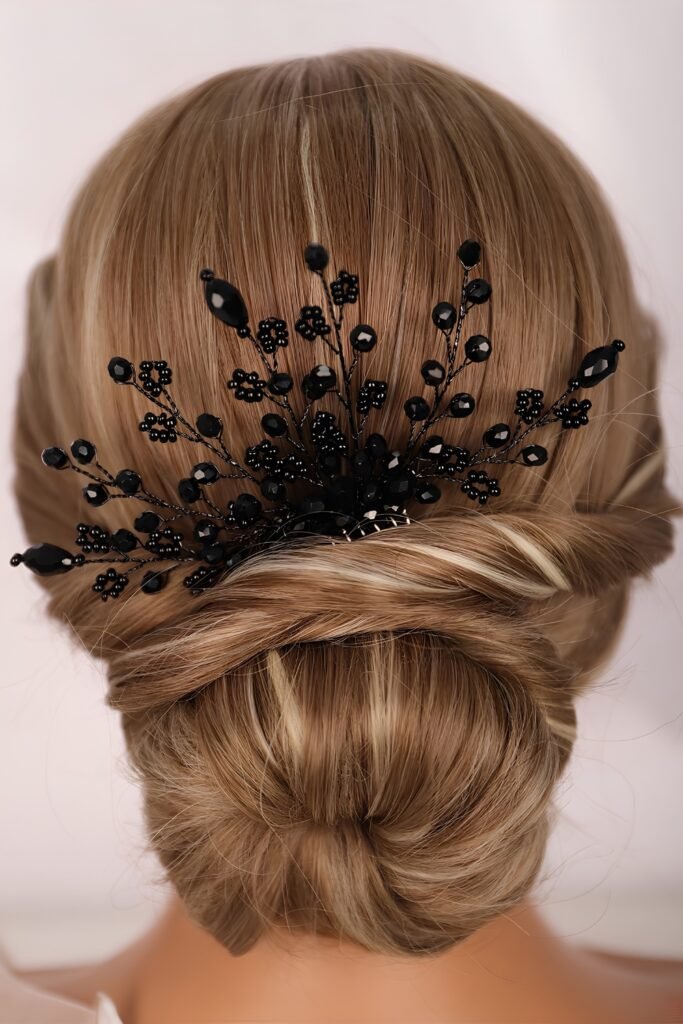
Save7. Decorative Combs
Ornamental combs pushed into an updo or at the side of a gathered style.
Securing: push the comb in against the direction of the hair, then twist it back. That reversal is what locks it in place, and it is why combs pushed straight in fall out.
The most secure medium-weight option when inserted correctly.
 Save
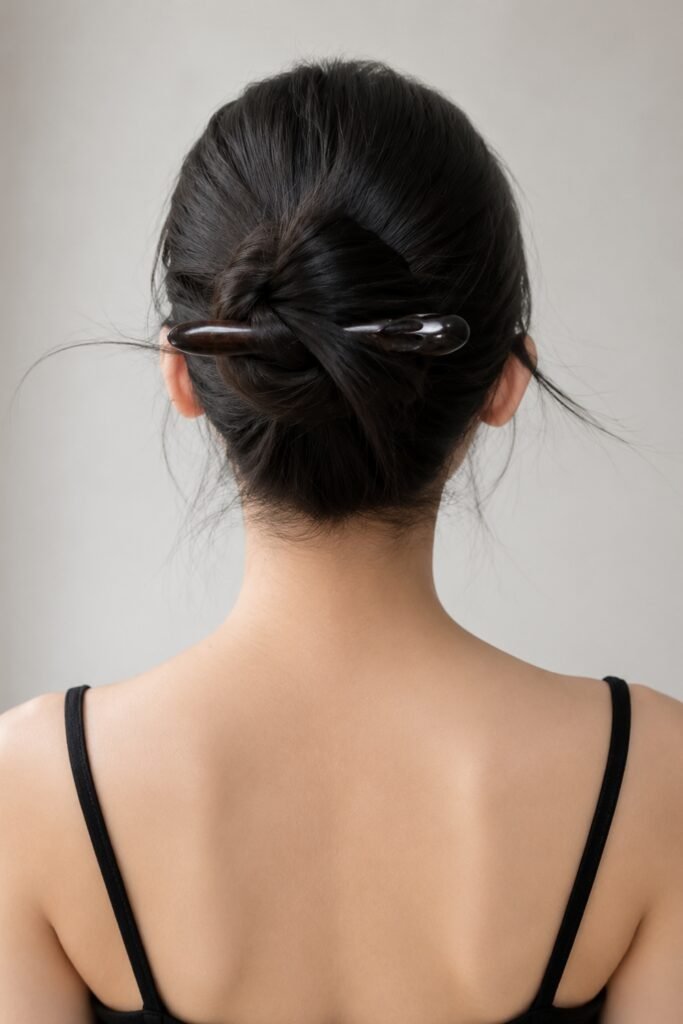
Save8. Hair Sticks
Decorative sticks through a bun, often bone, metal or dark wood for Halloween.
Securing: through the bun itself rather than just into it, so the stick passes through hair on both sides.
Genuinely functional as well as decorative, since they hold the bun. Also the most likely accessory to be usable again after October.
 Save
SaveHeavy
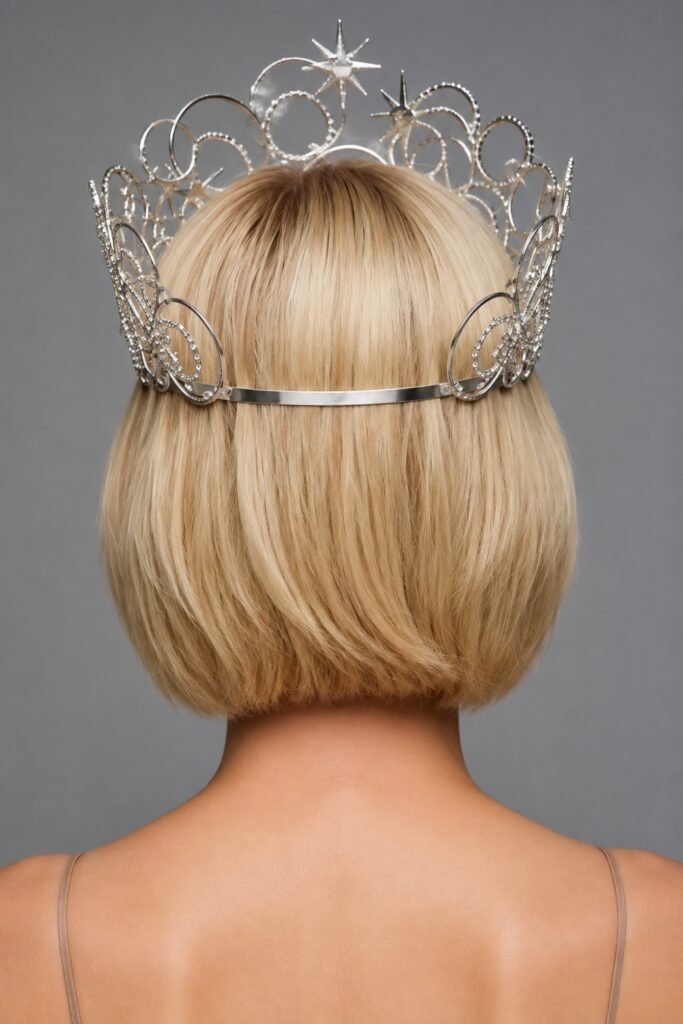
9. Crown or Tiara
Anything substantial and metal, worn at the crown.
Securing: bungee ties plus bobby pins is the combination professionals use for weddings, and it survives dancing. Anchor the bungee under the hair at the back and pin the front.
This is the accessory most likely to fail on natural hair without preparation, because all its weight sits high and it pulls backwards.
 Save
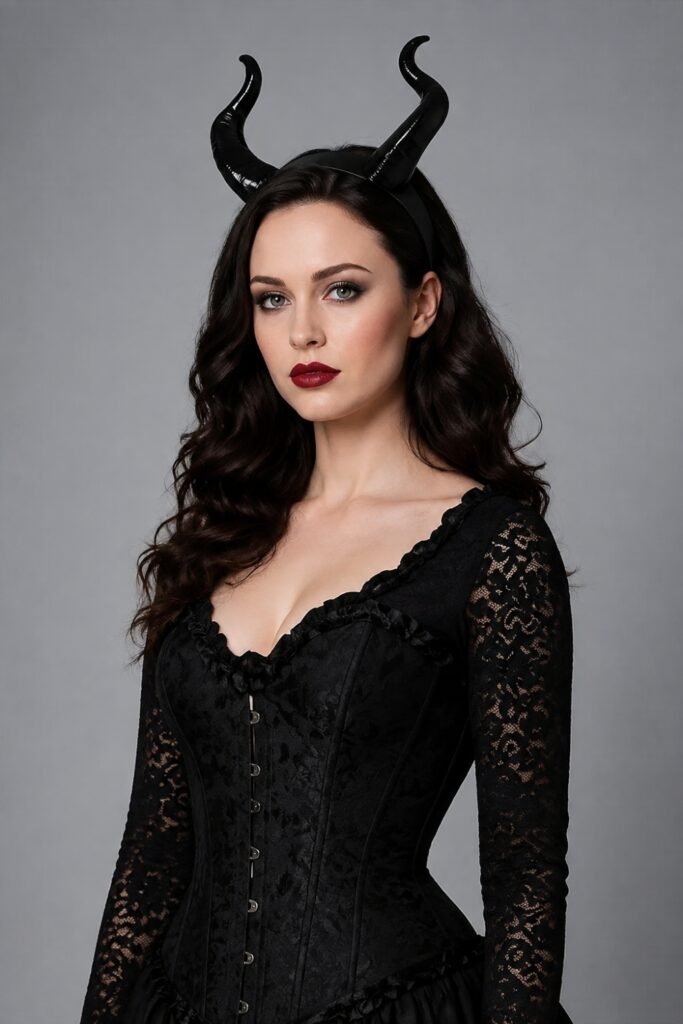
Save10. Horns
Devil, demon or fantasy horns, usually on a headband base.
Securing: ribbon-and-grip method as with ears, plus grips at the back of the band, since horns pull backwards specifically. Adjustable straps or added padding help with heavier pairs.
The heavier the horns, the more likely they are to fall, which is worth knowing before buying the most impressive pair available.
 Save
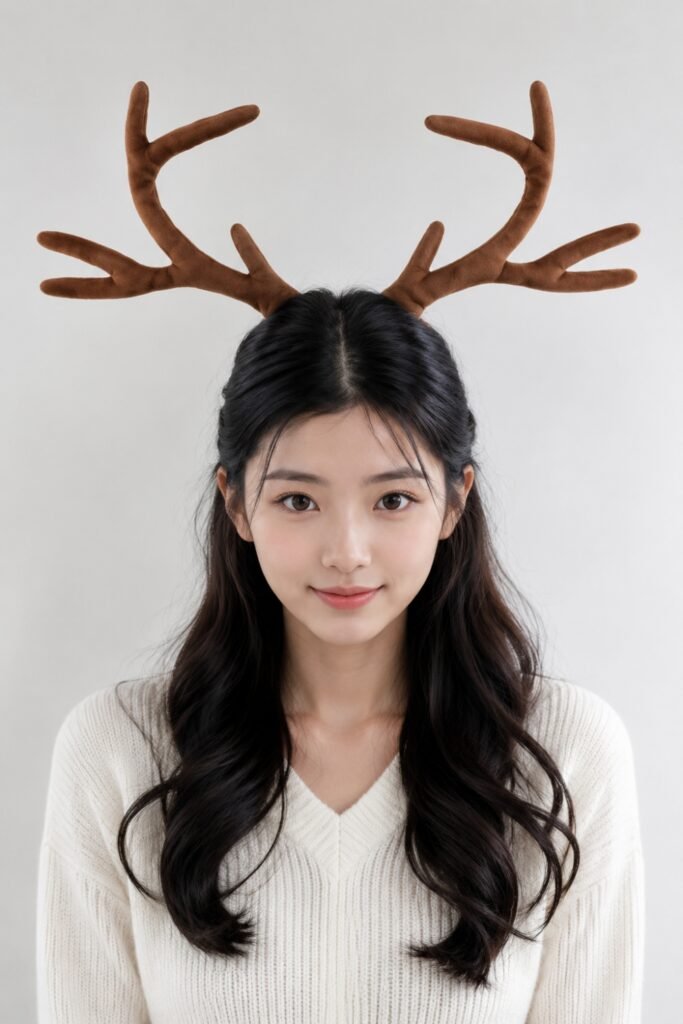
Save11. Antlers
Larger and more top-heavy again, with the weight further from the head.
Securing: hook-and-eye fasteners sewn to the underside of the band, with bobby pins slipped through the eyes and into the hair. Paint the hooks to match your hair or skin so they disappear.
The most secure method here and worth the preparation for anything genuinely heavy.
 Save
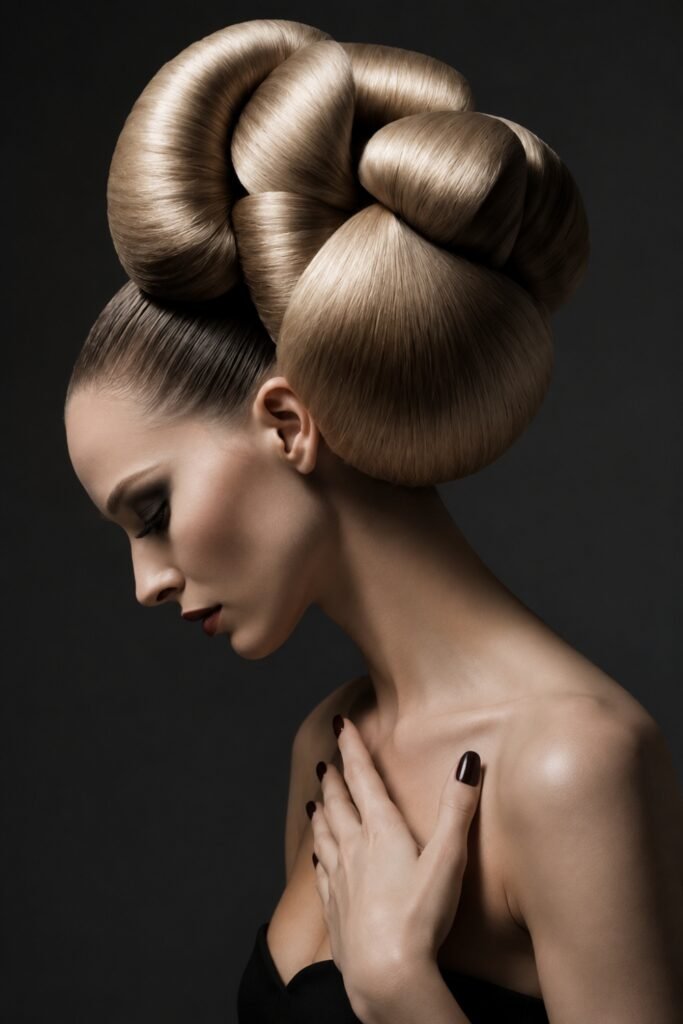
Save12. Large Statement Headpiece
Anything sculptural: full crowns, cages, oversized florals, wire structures.
Securing: integrate it into the hairstyle rather than adding it on top. Build a bun or ponytail, position the piece, and pull the lower half of the hair up into the ponytail over the base. That covers the fixing and secures it at the same time.
The most reliable approach for anything substantial, because the hair itself becomes the fixing.
 Save
SaveTheatrical
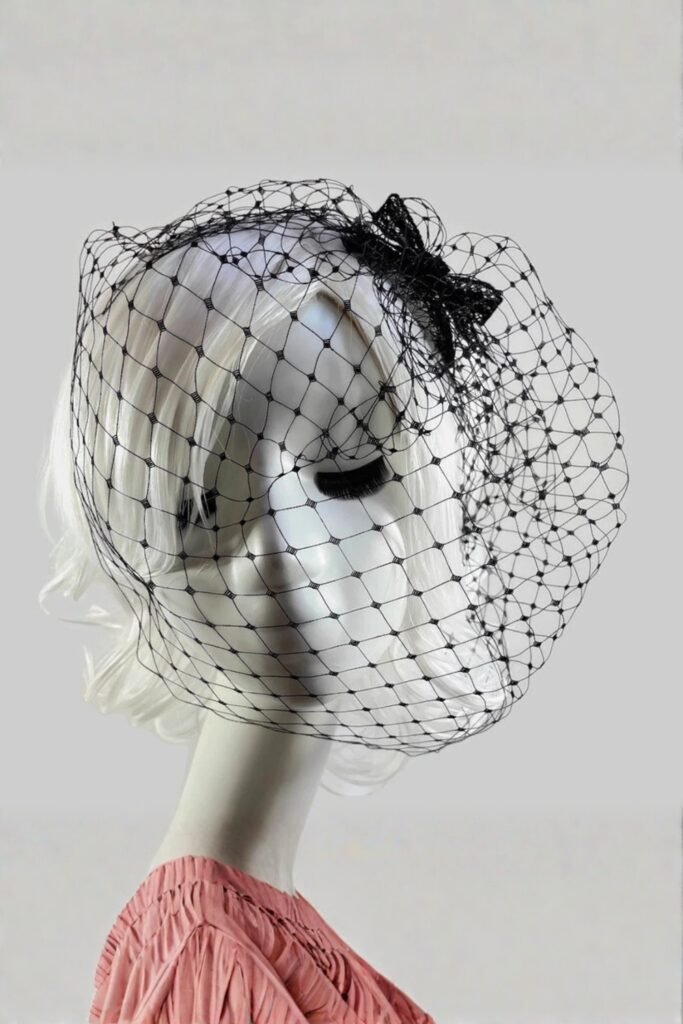
13. Veil or Net
Black netting, a mourning veil, or a birdcage veil over the face.
Securing: a comb sewn into the top edge, pushed in and twisted back as with any comb.
Reads instantly as gothic without any other accessory, and it works over almost any hairstyle.
 Save
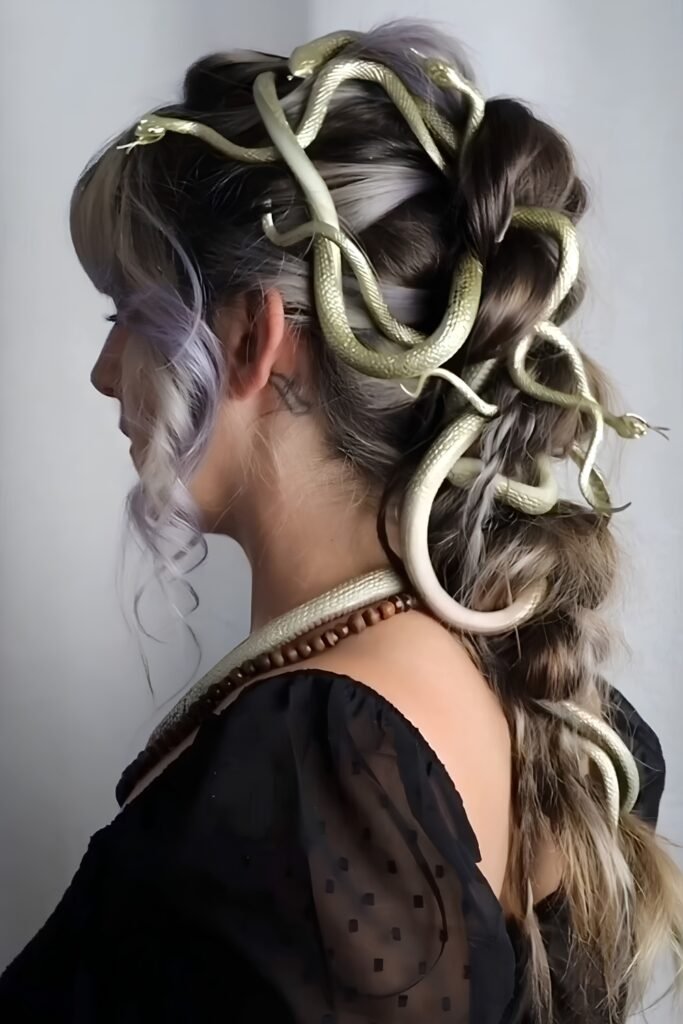
Save14. Woven Snakes
Small rubber snakes worked through a braided or piled style, for Medusa and related characters.
Securing: wire the snakes to grips first, then pin the grips in. Attempting to weave them directly through hair does not hold.
Build the hairstyle first and add the snakes last, working from the back forward.
 Save
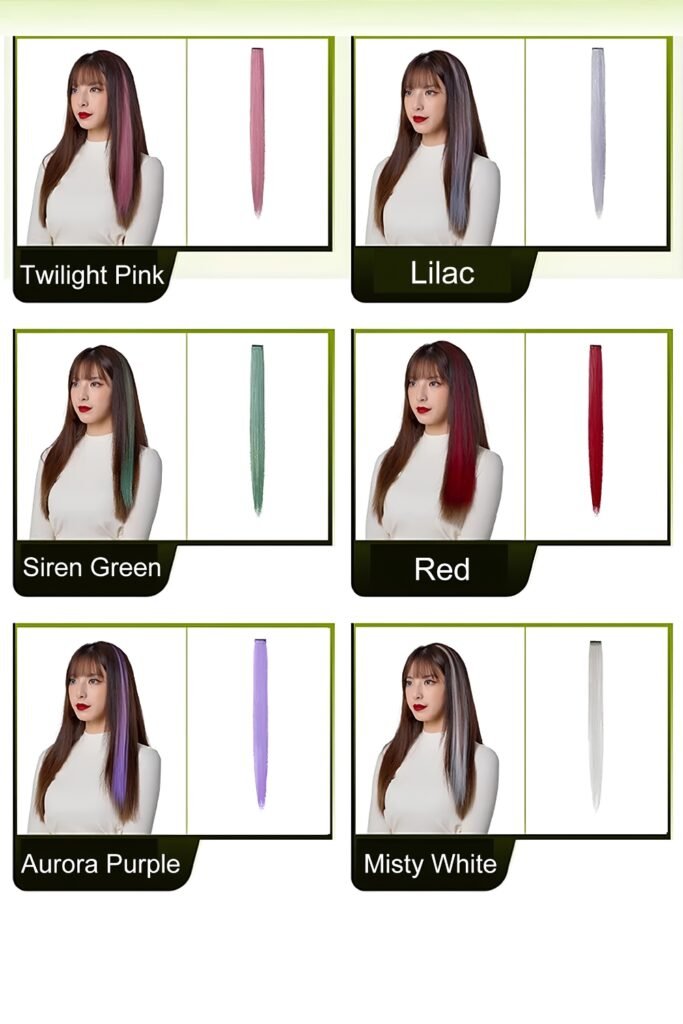
Save15. Clip-In Colour
Coloured clip-in extensions or wefts, in white, red, green or purple.
Securing: clip into a section of hair backcombed at the root, which gives the clip something to grip. Clipped into smooth hair, they slide.
Faster and less committal than temporary colour, and they come out in seconds at the end of the night.
 Save
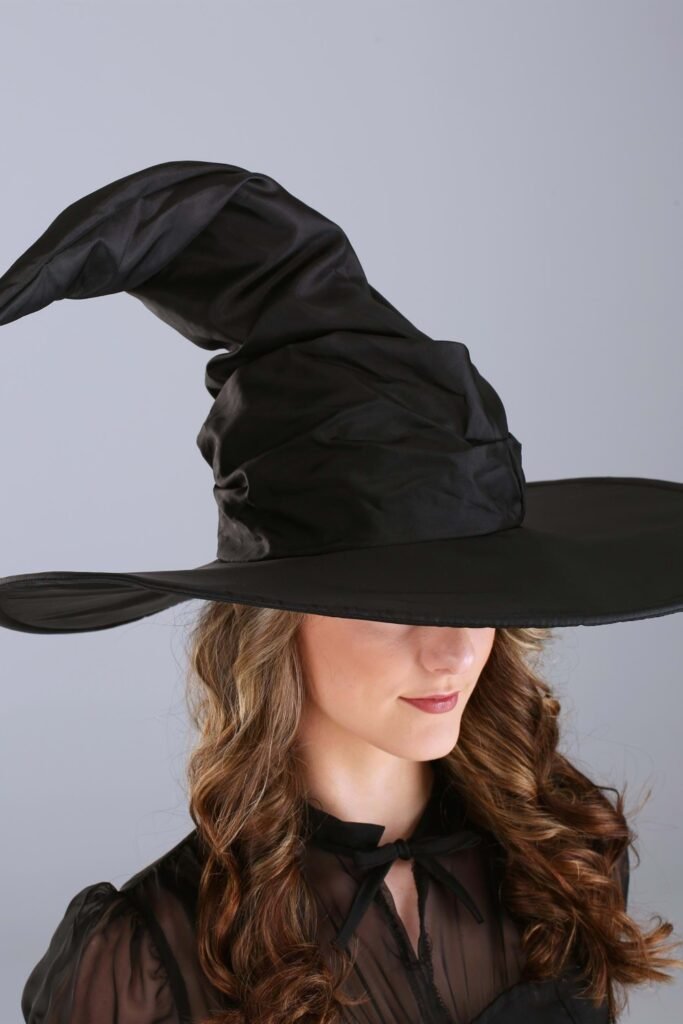
Save16. A Hat
Witch hat, top hat, or anything with a crown and a brim.
Securing: for soft-sided hats, cut small holes in the sides and back and bobby pin through them into your hair. For anything rigid, an elastic under the chin is the reliable answer, and staining white elastic with tea or makeup hides it.
Consider your hairstyle before your hat. A high bun and a fitted hat are not compatible, and finding that out at the door is avoidable.
 Save
SaveIf You Are Wearing a Wig
This section exists because almost none of the above works on a wig, and most people find that out too late.
Wig fibres are smooth and slick with none of the friction natural hair provides. Wig caps do not anchor much either. So heavy crowns tilt, heavy clips drag the wig sideways, and standard accessories slide.
Use a wig grip headband underneath. This is the single most effective fix and it stabilises everything else you add.
Use multiple small pins rather than one heavy clip. Distributing the weight across several anchor points stops any one point pulling the fibres.
For heavier accessories, stitch loops inside the wig lining and anchor to those. Hidden wig combs work the same way. This is what cosplayers do for horns and antlers, and it is the only genuinely reliable method for weight.
Anchor hair sticks through wig buns or loops rather than through the fibres, where they will not hold.
Bring a repair kit. A small container of wig glue and a cotton swab lets you reapply if anything slips during the night. Ten seconds in a bathroom rather than an evening of adjusting.
Short Hair and Textured Hair
Short hair has less to pin into, which rules out anything heavy but suits the lightweight section entirely. Clips, gems and small florals all work, and a fitted hat or a fascinator works better on short hair than on long, since there is no bulk underneath. If you are working with a bob, our guide to chin-length bob haircuts covers the shapes that carry a headband or a hat well.
Textured and coily hair anchors accessories considerably better than straight hair, because the texture provides grip that smooth hair does not. Braided and protective styles are the best possible base for anything heavy, since grips and pins bite into the braid itself rather than sliding through loose hair. Our guide to protective styles for Black hair covers the options, and anything installed a few days ahead gives you a stable base for the night.
One tension note that applies to everyone: a heavy accessory pinned tightly for six hours pulls at the hairline. Distribute the weight across several pins rather than concentrating it, and take it off when you get home rather than sleeping in it.
Common Questions
How do I stop my headband slipping off?
Glue a length of ribbon inside the band, leaving unglued gaps along its length, then slip bobby pins through those gaps and into your hair. It stops the band moving completely. Strong-hold hairspray on your hair first gives the grips something to bite into, since clean hair is too slippery to hold anything.
How do I secure a crown or tiara?
Bungee ties plus bobby pins, which is what professional stylists use for weddings and what survives dancing. Anchor the bungee under the hair at the back and pin at the front. Crowns are the most likely accessory to fail because all the weight sits high and pulls backwards.
Why do my accessories keep sliding off my wig?
Because wig fibres are smooth and slick and have none of the friction natural hair provides, and wig caps do not anchor much either. Use a wig grip headband underneath, use several small pins rather than one heavy clip, and for anything heavy, stitch loops inside the wig lining to anchor to. Carry wig glue and a cotton swab for touch-ups.
What works on short hair?
Everything lightweight. Clips, gems, small florals, and a well-fitted fascinator or hat all work, and hats often sit better on short hair than long since there is no bulk underneath. Avoid anything heavy, since there is less hair to anchor it to.
Will heavy accessories damage my hair?
They can if the weight is concentrated in one place and worn for hours, since that pulls at the hairline. Distribute across several pins rather than one, avoid pinning tightly at the temples, and take everything out at the end of the night rather than sleeping in it.
Final Thoughts
Buy for the weight your hair can actually hold, not for the most impressive thing on the shelf. The most striking accessory in the shop is usually the one that spends the evening in your hand.
And spend ten minutes on the securing before you leave. Ribbon inside a headband, hairspray for grip, a wig grip if you are wearing a wig. That preparation is the difference between an accessory you wear all night and one you carry.