Fulani braids are named after the Fulani (also called Fula) people, a large, mainly pastoral ethnic group spread across West Africa and the Sahel. Fulani women have long worn braided styles decorated with beads, cowrie shells, amber and silver.
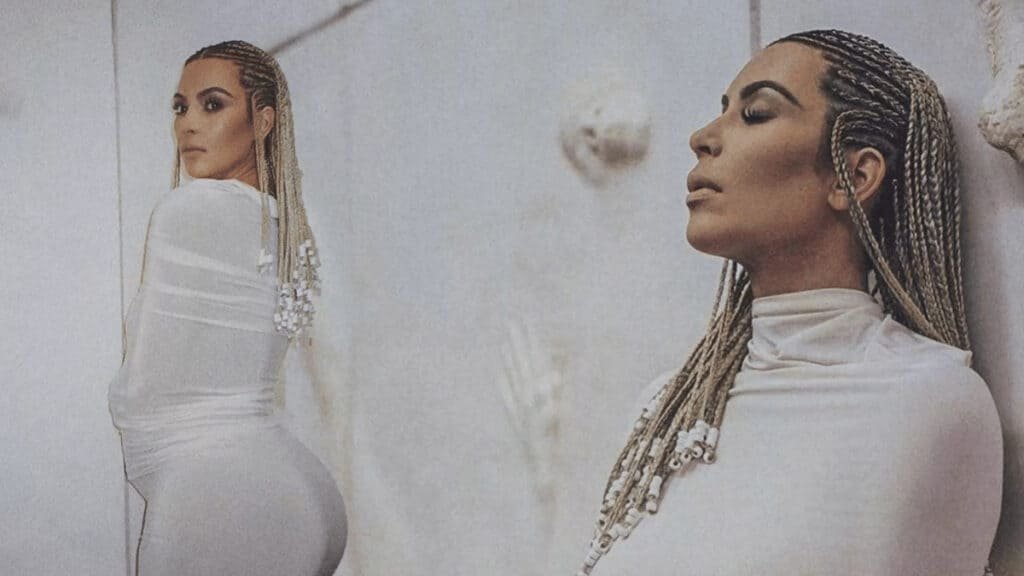
Today’s Fulani braids usually combine a few signature features:
- A cornrow braided down the center of the head, front to back.
- Cornrows on the sides braided toward the face.
- Often a braid across the hairline or at the temples.
- Beads, cuffs or cowrie shells for decoration.
Here’s how the style is done, how to care for it, and 10 Fulani braid looks to inspire you.
How Fulani Braids Are Done
- Wash, condition and fully detangle your hair. Stretched hair is easier to braid.
- Part a section down the center of the head and braid a cornrow from front to back.
- Part the sides and braid cornrows that run toward the face or temples.
- Braid the remaining back sections, usually backward, adding braiding hair as you go.
- Add beads, cuffs or shells, and seal the ends (hot water is often used for synthetic hair).
The cornrows need to be neat and even, so most people have Fulani braids installed by a braider. Installation usually takes three to six hours.
Fulani Braid Styles to Try
1. Classic Center-Braid Pullback
 Save
One braid runs straight down the center part, with gold cuffs placed along the braids. It’s one of the most classic Fulani patterns.
2. Extra-Long Braids with Cuffs
 Save
Super-long braids with wine-toned extensions and a single forehead jewel for a dramatic finish.
3. Beaded Cornrows into a Twisted Bun
 Save
Angled braids are swept back into a loose, twisted bun, with beads of different shapes placed along the braids.
4. Two-Tone Braids in a Top Bun
 Save
Copper and dark braids twisted into a top bun keep hair off your face on busy days.
5. Blue Rainbow Braids
 Save
Extra-long braids in shades of blue with large glass beads. Pair with neutral outfits so the hair stands out.
6. Classic Fulani Braids, Medium Width
 Save
Neat, medium-width braids in light golden brown. Simple and polished enough for the office.
7. Fulani Crown with Horizontal Braids
 Save
Horizontal braids across the top of the head create a crown effect, a fresh change from the usual pattern.
8. Mini Fulani Braids with Curls
 Save
Small beaded Fulani braids at the front with shoulder-length loose curls. Elegant for events.
9. Fulani Ponytail with Copper Wire
 Save
Braids gathered into a ponytail and decorated with copper wire swirls and chunky beads.
10. Braided Crown with Cowrie Shells
 Save
A geometric braid crown with extra-long golden braids and cowrie shells, a traditional Fulani accessory.
How to Care for Fulani Braids
- Sleep in a silk or satin scarf or bonnet.
- Cleanse your scalp every one to two weeks with diluted shampoo, and dry thoroughly.
- Keep your scalp moisturized with a light oil.
- Remove the braids within six to eight weeks to avoid matting and breakage.
FAQs
How long do Fulani braids last?
Usually four to six weeks, depending on how they’re installed and cared for.
Do Fulani braids need extensions?
Most Fulani braid styles use braiding hair for length and fullness, but shorter Fulani cornrows can be done on natural hair if it’s long enough. See our guide to pre-stretched braiding hair.
Do Fulani braids damage your hair?
Not if they’re installed properly. Braids that are too tight, especially at the hairline, can cause traction alopecia, so speak up if anything hurts.
Final Thoughts
Fulani braids are beautiful, versatile and full of history. For more protective styles, see our African braid hairstyles and feed-in braids.