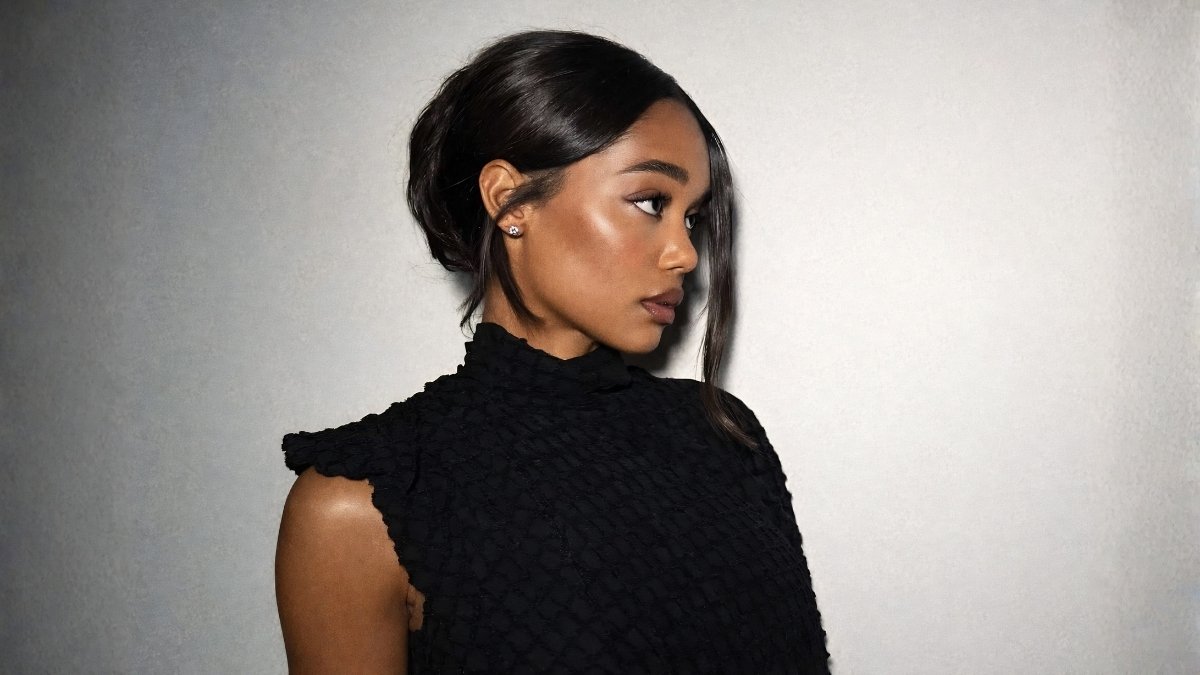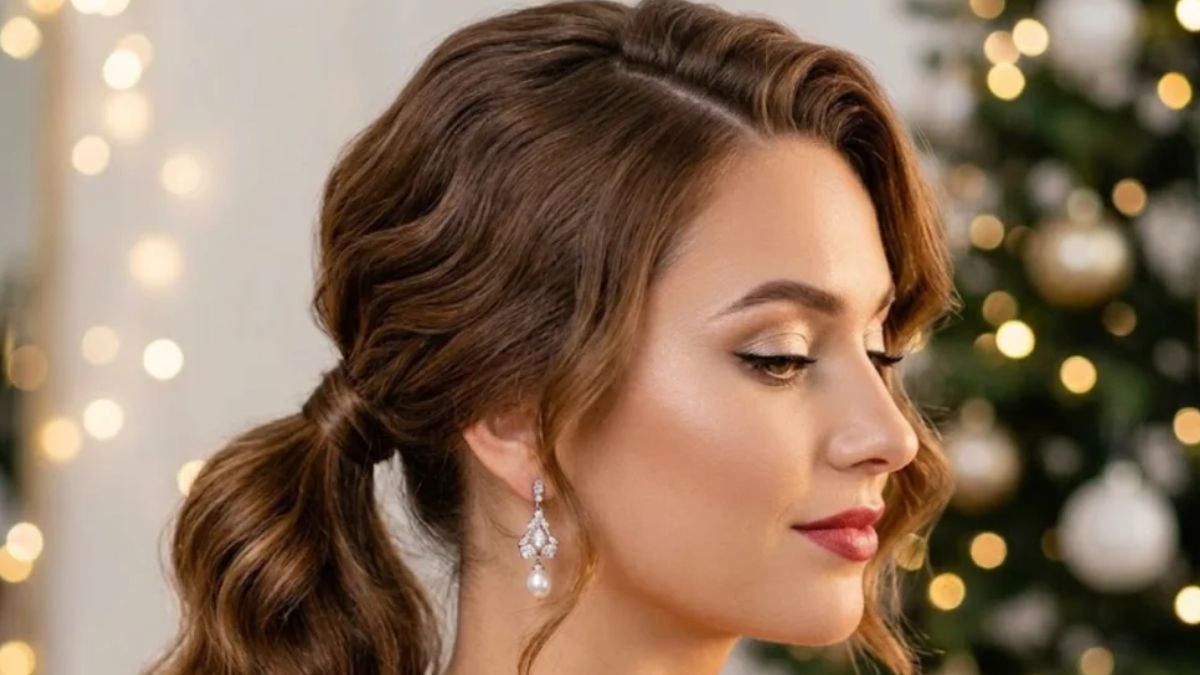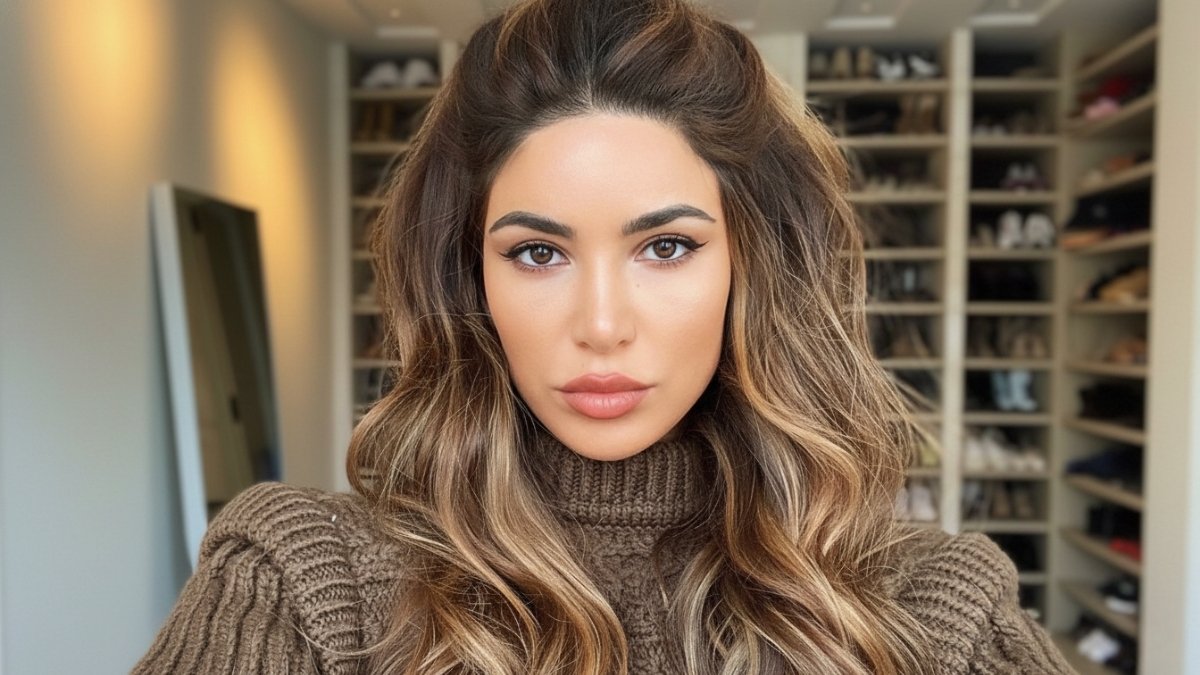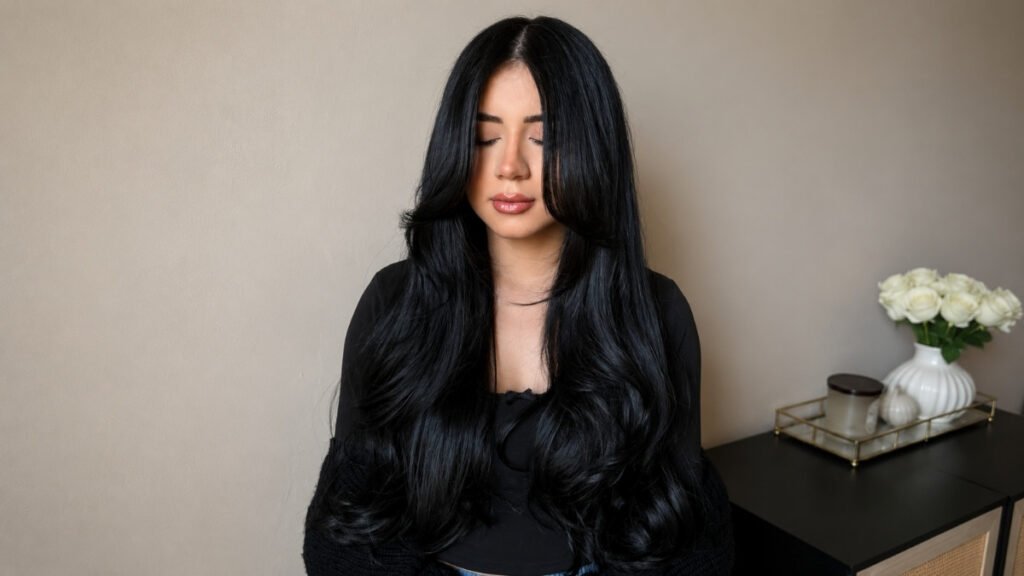
Face-framing layers on black hair do more than any single product on the market. The depth of a jet-black or near-black colour means every layer edge catches light differently as it falls, creating the dimensional contrast that flat, single-length black hair cannot produce on its own. Hairstyles Weekly May 2026 confirms that 2026 is leaning toward blended, face-framing layers that work with the natural wave, curl, or straight fall of the hair to add root-to-tip dimension and movement.
Stylist Sullivan, featured on Hair.com by L’Oréal, confirms that once the shortest face-framing piece is established in consultation, the layers will gradually get longer and connect cohesively to the length of the cut. That cohesive connection is the specific quality that makes face-framing layers on black hair look expensive rather than unfinished.
These 25 ideas cover every black hair length, texture, and face shape, with the specific cutting technique, placement principle, and styling approach confirmed for each one.
What Face Framing Layers Do on Black Hair
Black hair absorbs and reflects light differently from lighter colours because the dark pigment creates deeper contrast between the shadow and the highlight zones on each strand. Face-framing layers on black hair sit at the front of the head where they catch the most direct light, which makes each layer edge visible as a lighter, more dimensional line against the dark background of the rest of the hair.
BeBautiful (one week ago, 2026) confirms that face-framing layers offer instant shape without requiring a complete transformation. They highlight the best features, soften the face, and add natural movement without taking any length from the bulk of the hair.
Hairhook April 2026 confirms that graduated layering from cheekbone to jawline maximises bounce on medium to long hair. Point-cutting achieves seamless, fluid ends. Both techniques produce the most visible dimension on black hair because the sharp definition of the layer edge shows the contrast between the lighter-catching tip and the darker body of the strand.
Long Black Hair Face Framing Layers
1. Long Cascading Face Frames on Jet Black
Long face-framing layers starting at the collarbone and graduating to the full length, the front sections falling on each side of the face in clean, smooth lines against jet-black hair. The cascading length shows the layer edge at multiple points as the hair falls from cheek to shoulder to chest.
Ask your stylist for graduated layers starting at the collarbone, getting longer as they reach the full hair length. Sullivan confirms the layers should connect cohesively to the cut length rather than sitting as isolated shorter pieces. Style by blow-drying the face-framing sections with a large round brush, bevelling the ends slightly inward to cup the cheek.
 Save
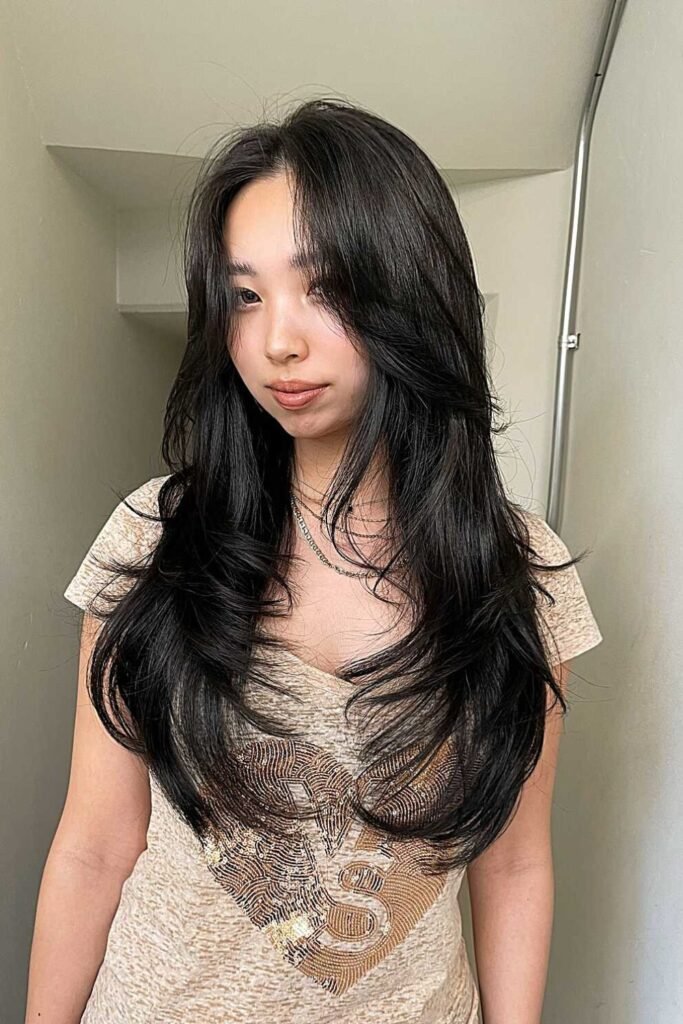
Save2. Long Black Hair with Curtain Fringe Layers
Long black hair with centre-parted curtain fringe layers falling on each side of the forehead and connecting into the face-framing front sections below. BeBautiful (one week ago) confirms curtain bangs frame the eyes while blending naturally into longer lengths.
On black hair, curtain fringe layers create a darker, more dramatic face frame than on lighter hair because the front sections stand distinct from the skin tone. The centre part between the curtain sections exposes a clean geometric line at the crown. Style with a light serum on damp hair and let the curtain sections air-dry for the softest, most natural fall.
 Save
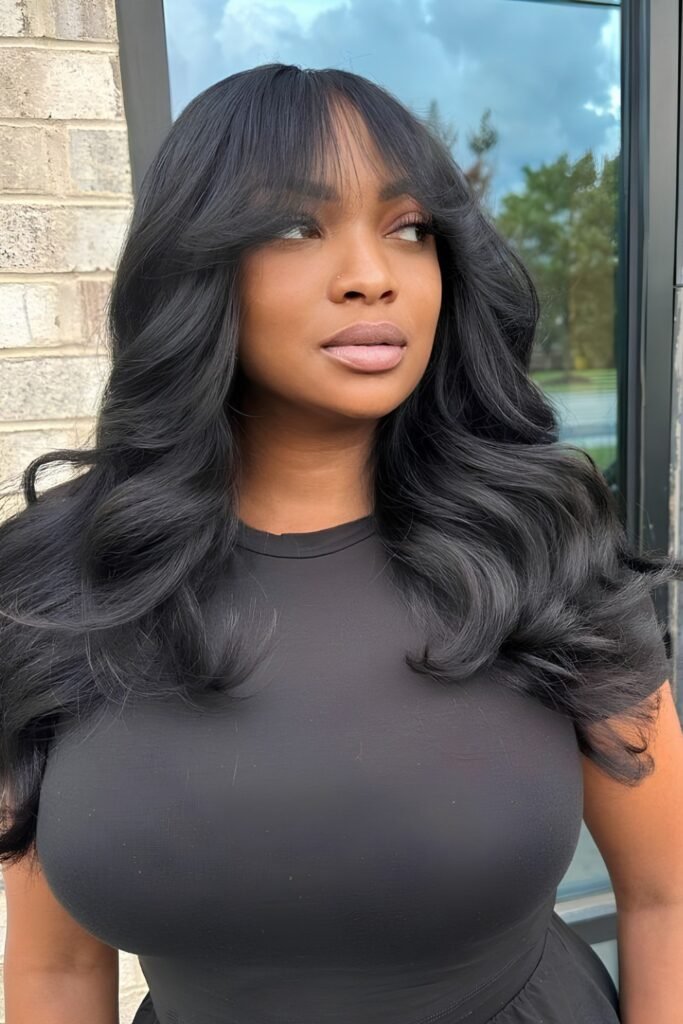
Save3. Feathered Face Frames on Extra Long Black Hair
Extra-long black hair with fine feathered layers around the face, the feathering created by point-cutting the face-framing sections to produce wispy, light ends rather than blunt tips. Creative Booster confirms extra-long hair with fine feathered layers and a deep gloss finish as one of the standout long black hair combinations.
Feathered ends on black hair catch the light at their very tips in a way that blunt ends cannot. The tapered, light edge of a feathered face frame on dark hair produces a halo-like softness around the face at any length. Apply a deep chocolate brown gloss treatment over black hair at the salon to add the dimensional shine that makes feathered layers on dark hair visible from across a room.
 Save
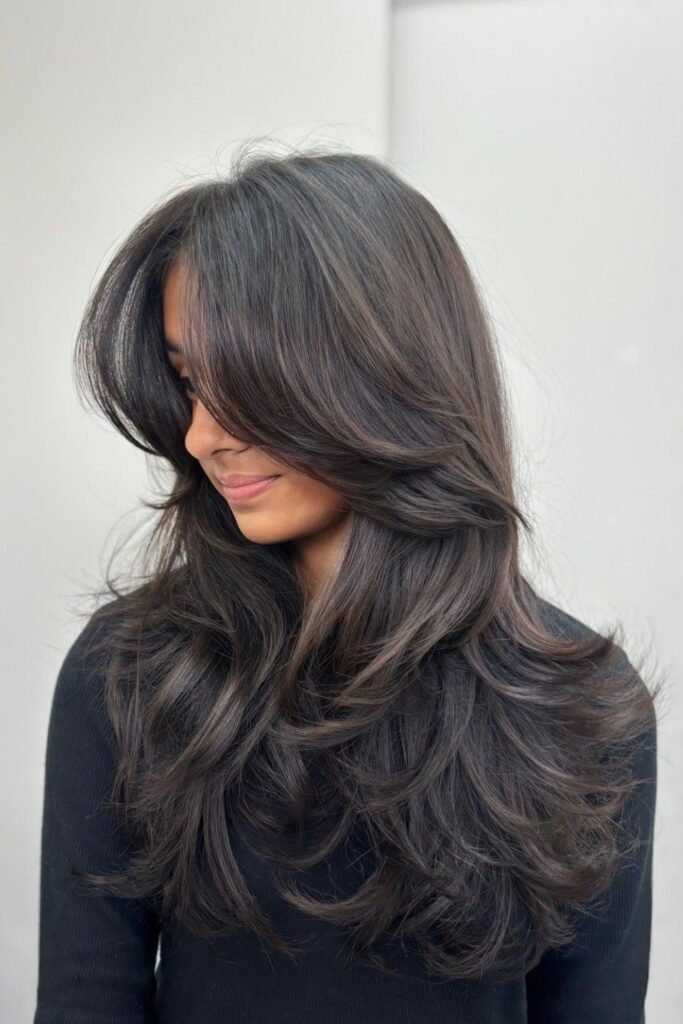
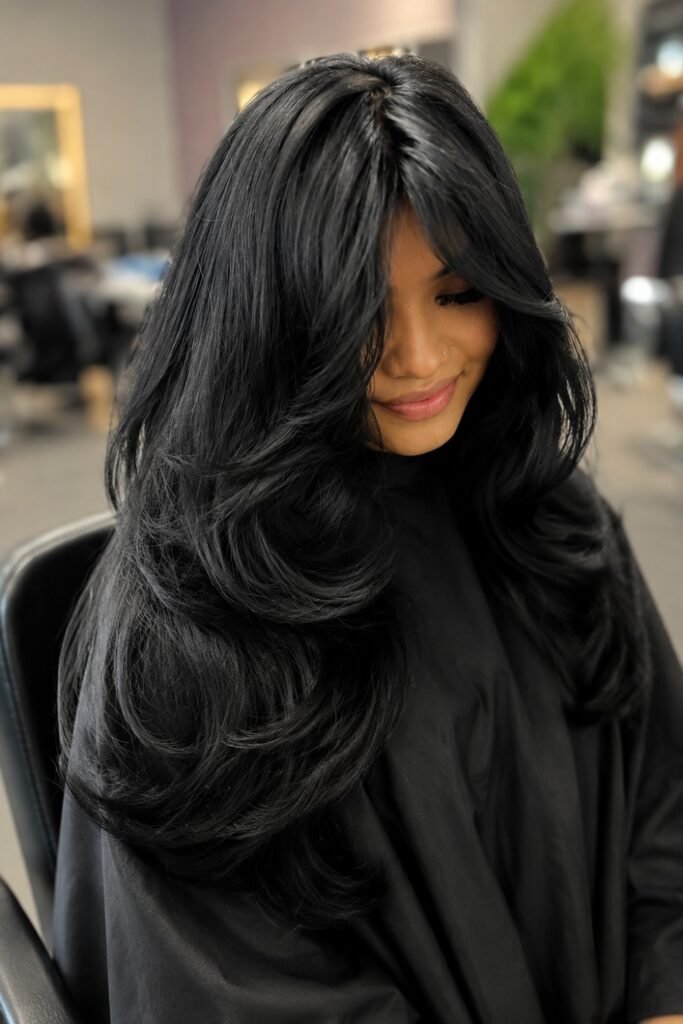
Save4. Long Black Hair Butterfly Cut Layers
A butterfly cut on long black hair, where shorter layers at the crown create visible volume and the face-framing front sections fall dramatically beside the face. Perfect Corp confirms the butterfly cut as one of the dominant 2026 hairstyle directions.
The butterfly cut on black hair produces the most dramatic contrast between the shorter, lifted crown layers and the longer, falling face frames. The two distinct length zones, one above the shoulders and one below, create a silhouette that photographs as dimensional and fashion-forward from every angle. Ask your stylist for a butterfly cut with face-framing layers that start at the cheekbone.
 Save
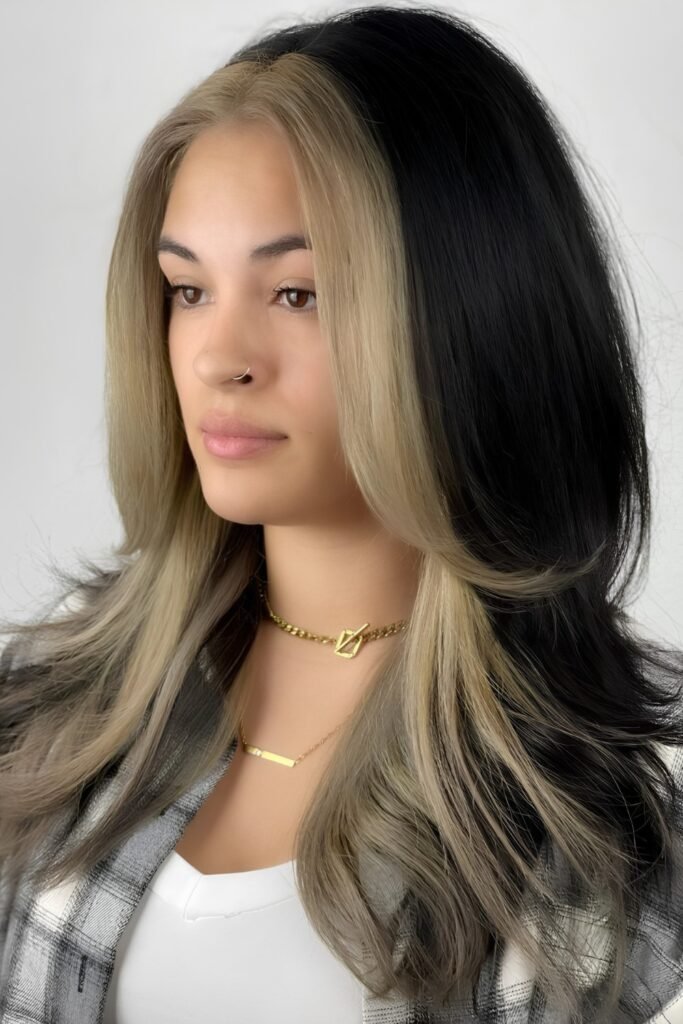
Save5. Long Black Hair with Money Piece Highlights
Long black hair with face-framing layers brightened by money-piece highlights placed only at the very front sections on each side of the face. Hairhook April 2026 confirms money-piece highlights and lived-in waves as the combination that adds progressive, effortless dimension to dark hair.
A money-piece highlight on black hair does not need to be blonde or dramatically contrasting. A warm chocolate brown or deep caramel placed only at the front face-framing layer sections adds visible warmth and dimension at the most face-adjacent zone of the hair without touching the rest. The contrast between the highlighted face frame and the jet-black body of the hair is the dimension that photographs with the most impact.
 Save
SaveMedium Length Black Hair Face Framing Layers
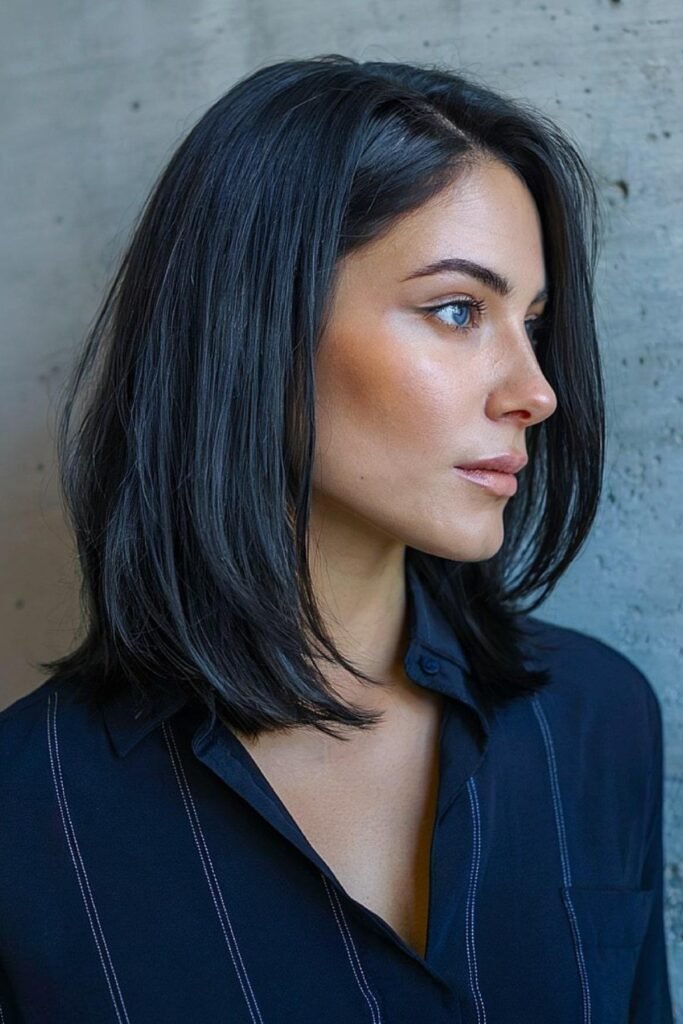
6. Lob with Face Framing Layers on Black Hair
A collarbone-length lob with blended face-framing layers starting at or just below the chin, the layers connecting smoothly into the lob length rather than sitting as separate shorter pieces. Stylist Chrissy Rasmussen confirms the layered medium-length lob with face-framing layers as a strong 2026 direction.
On black hair, a lob with face-framing layers creates a clean, polished result because the sharp colour depth of the black makes every layer edge visible without any highlights or colour work required. Ask for layers to start just below the chin and graduate toward the lob length. Style by blow-drying the face-framing sections with a round brush rolling inward at the tips for the most polished finish.
 Save
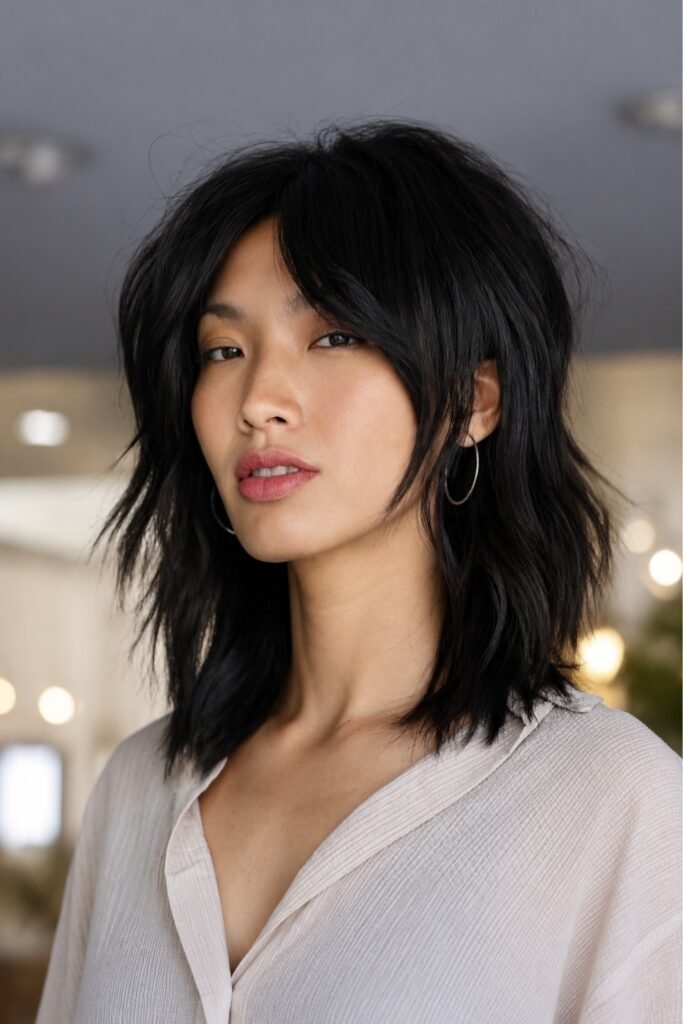
Save7. Shaggy Lob with Deep Face Frames
A collarbone-grazing shaggy lob on black hair with textured, visible face-framing layers, the shaggy technique producing choppy, uneven layer edges that catch the light in multiple directions simultaneously. Stylist Sal Salcedo of Nova Arts Salon confirmed the shaggy lob with face-framing layers as one of the standout retro-inspired 2026 cuts.
The shaggy lob on black hair works because the texture contrast between the choppy layer edges and the uniform black colour is visually dramatic. Every choppy edge appears as a distinct lighter accent against the dark background of the hair body. Point-cut the face-framing sections for the most visible texture at the front.
For the medium layered cut techniques and blow-dry approaches that produce the cleanest and most dimensional result on black or dark hair at lob and medium lengths, the medium layered hairstyles guide covers the layer placement, weight removal, and styling direction that applies directly to face-framing layers on any dark hair colour.
 Save
Save8. Soft Layered Bob with Inward Face Frames
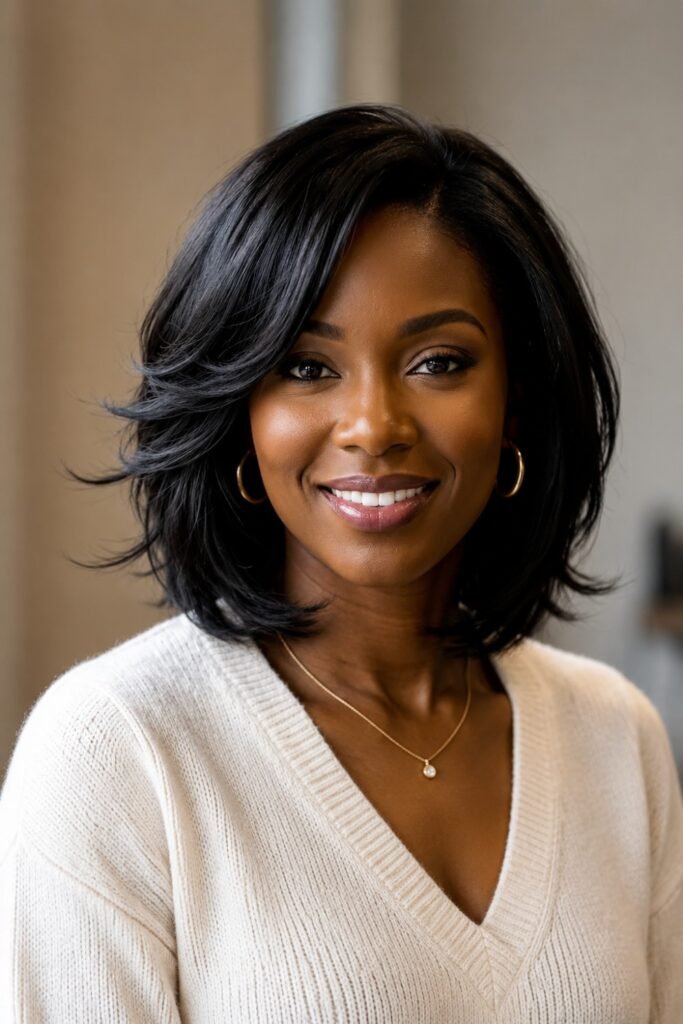
A medium bob on black hair with face-framing layers styled to curve inward, cupping the cheekbones and chin. Stylist from the retro 2026 trend report confirmed shortening the face-framing layers and styling them to curve inward as the move that achieves a retro vibe on a modern bob.
Inward-curving face frames on black hair create a defined oval shape around the face that photographs as composed and deliberate. Use a flat iron to curl the face-framing sections inward after blow-drying the rest of the bob smooth. The contrast between the smooth black body and the curved front sections is the dimension.
 Save
Save9. Medium Black Hair with Wispy Face Frames
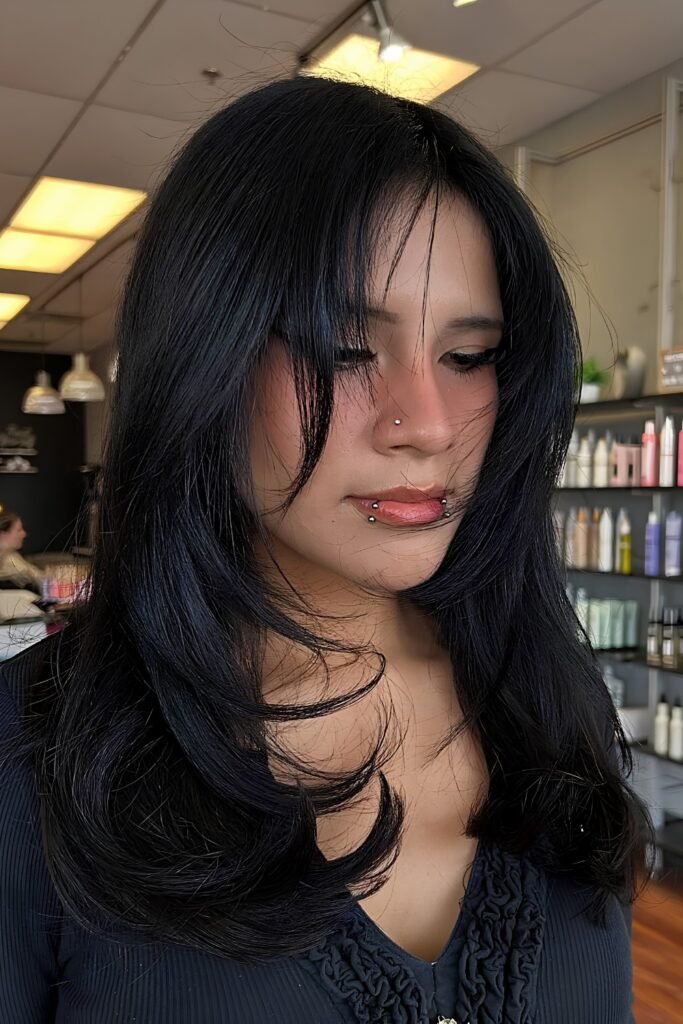
Shoulder-length or collarbone-length black hair with wispy, light face-framing sections point-cut to a very fine, almost transparent tip on each side of the face. Sullivan at Hair.com confirms wispy face-framing pieces work across all hair lengths and add softness and movement without adding bulk.
Wispy face frames on black hair add the softest possible dimension — the fine tips catch the light delicately rather than producing a bold contrast. They suit women who want the face-framing effect without a dramatic visible layer. Style by applying a light serum to the face-framing sections and allowing them to fall naturally.
 Save
Save10. Choppy Chin Bob with Textured Face Frames
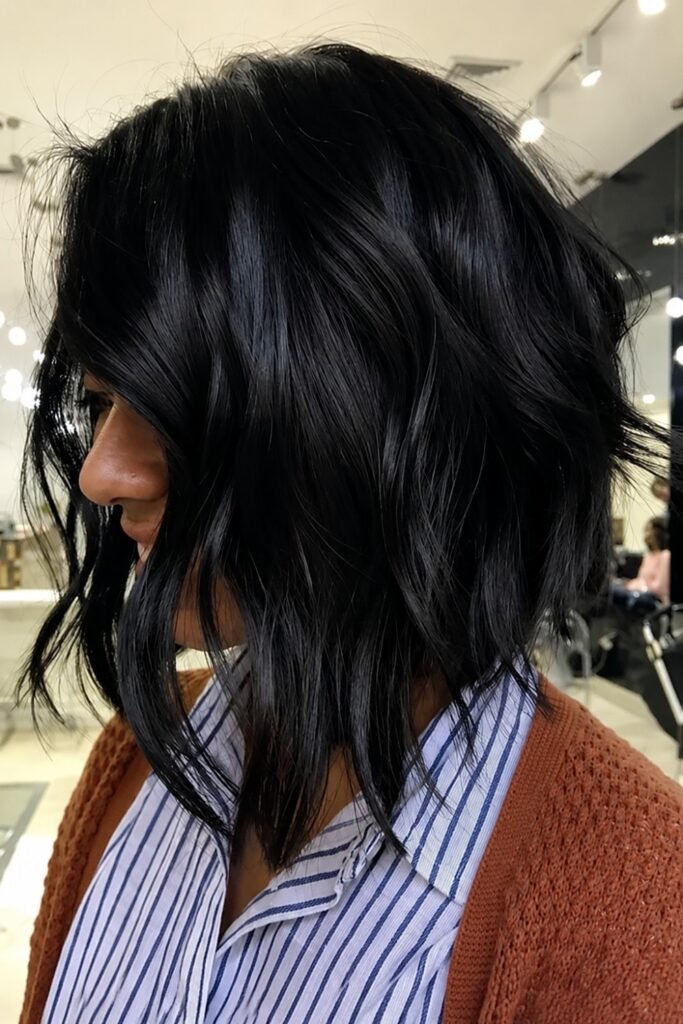
A chin-length choppy bob on black hair with textured face-framing layers, the front sections cut with visible weight removal and choppy ends that sit at cheekbone to chin level. Creative Booster confirms a chin-length choppy bob with textured layers around the face as a fresh and modern direction for dark hair.
A choppy chin bob on black hair produces the strongest visible dimension of any short black hair option because the blunt black ends and the choppy face frames create two contrasting textures within the same jet colour. Ask for point-cutting through the face-framing sections specifically. Style with a matte cream for texture and separation.
 Save
SaveShort Black Hair Face Framing Layers
11. Pixie with Side-Swept Face Frames
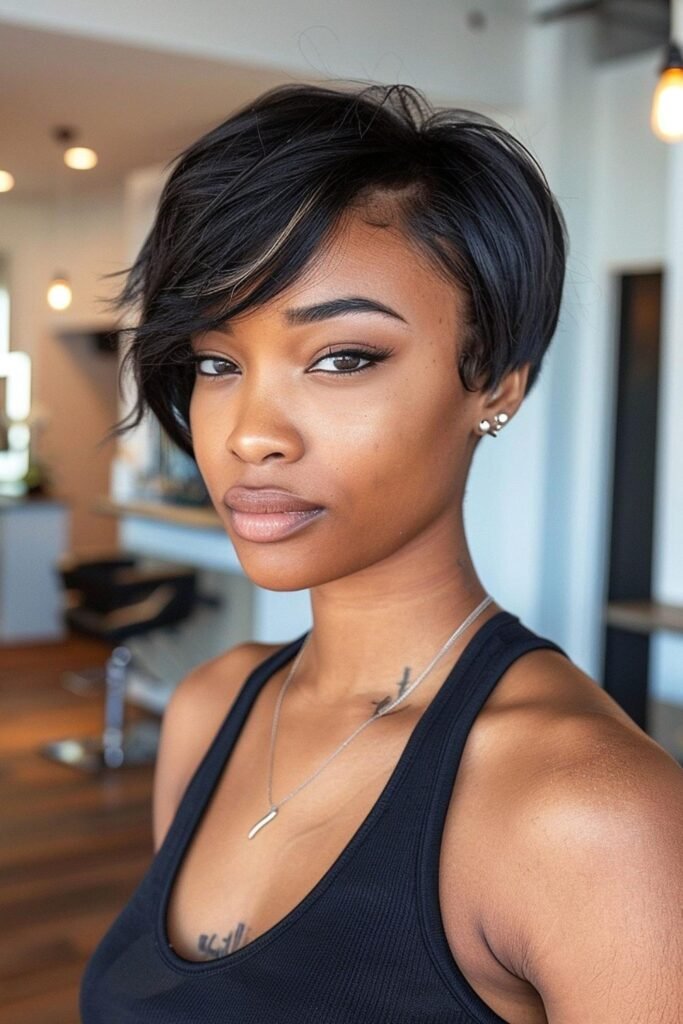
A short pixie on black hair with a longer side-swept fringe section falling across the forehead as the face-framing element. Creative Booster confirms a modern pixie with a longer side-swept fringe framing the cheeks as a bold and flattering direction on dark hair.
On black hair, a side-swept pixie frame produces a strong asymmetric line at the forehead that photographs as editorial and deliberate. The longer swept section against the short black rest of the pixie creates the strongest length contrast of any style on this list. Style by blow-drying the swept fringe section flat across the forehead with a flat brush and a light pomade.
 Save
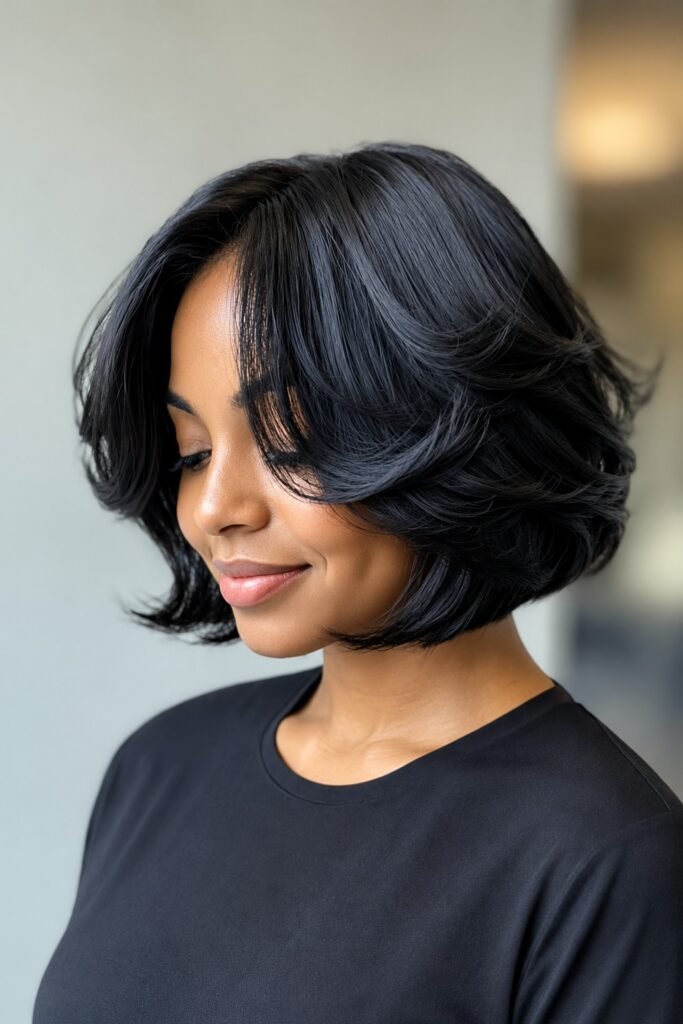
Save12. Short Bob with Face-Framing Curtain Layers
A short bob on black hair with curtain-style face-framing layers, the front sections parted at the centre and falling forward on each side of the forehead in a shorter version of the standard curtain fringe. BeBautiful (one week ago) confirms curtain bangs and shorter curtain layers as flattering on all face shapes.
On short black hair, curtain layers at the forehead expose the centre parting as a deliberate design element rather than an unstyled division. The dark colour of the hair makes the parting and the falling curtain sections read as a graphic, intentional composition from the front. Air-dry the curtain sections for the softest fall.
 Save
SaveCurly and Wavy Black Hair Face Framing Layers
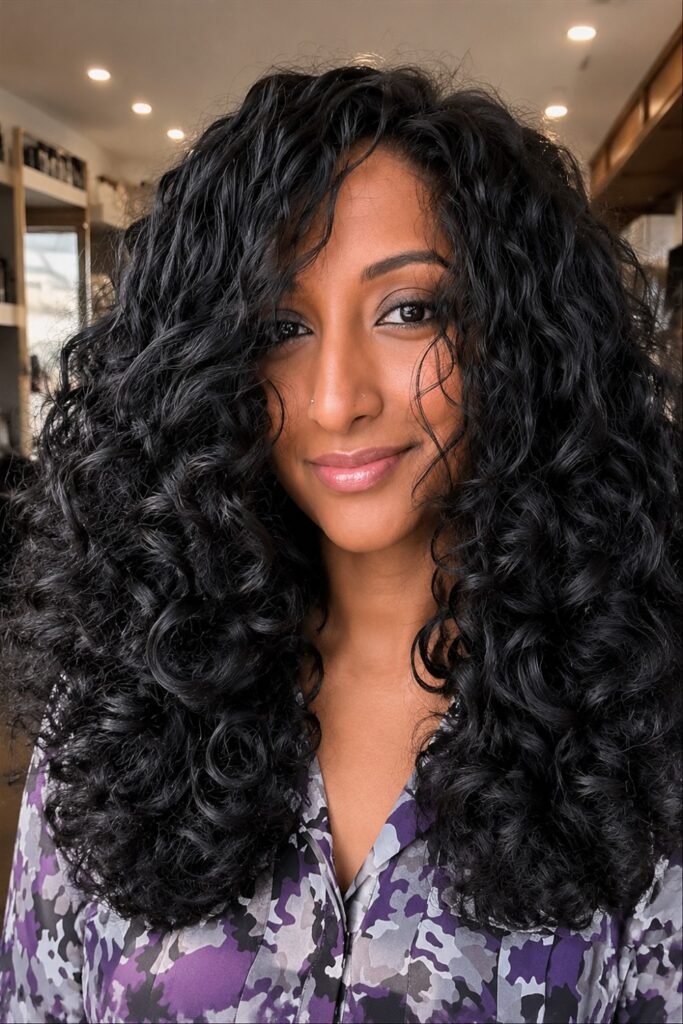
13. Curly Black Hair with Face Framing Layers
Natural curls on black hair with face-framing layers cut on dry hair to preserve each curl’s pattern and produce face frames that spring to their natural position rather than stretching to a length they will not hold. Hairhook April 2026 confirms dry cutting as the correct approach for curly textures, using horseshoe sectioning at 90 degrees for face-framing curl layers.
Dry cutting curly black hair for face-framing layers prevents the post-wash surprise of layers that looked positioned when wet and then spring above the cheekbones once dry. The curl in black hair makes every face-framing layer a defined, dimensional coil against the dark body of the rest of the curl mass. Finish with a curl cream applied section by section and diffuse on low heat.
 Save
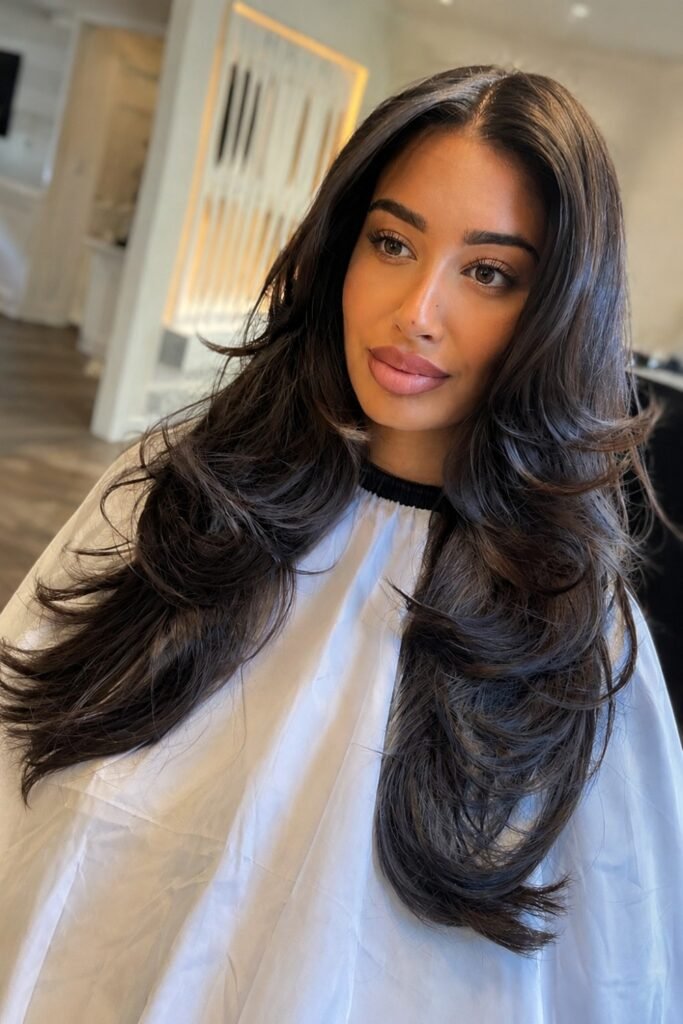
Save14. Wavy Black Hair Shag with Face Frames
Wavy or slightly wavy black hair cut in a shag with pronounced face-framing sections that enhance and direct the natural wave pattern at the front of the hair. Hairstyles Weekly May 2026 confirms blended face-framing layers that work with the natural wave as the direction gaining the most traction.
Wavy black hair with face-framing shag layers produces a visual result that purely straight black hair cannot replicate because the wave adds the natural dimensional curve that straight hair must be styled into. The face-framing sections in wavy black hair move and rotate as the hair dries, creating a different frame at different stages of the day. Apply sea salt spray on damp hair and let air-dry for the most organic wave movement.
 Save
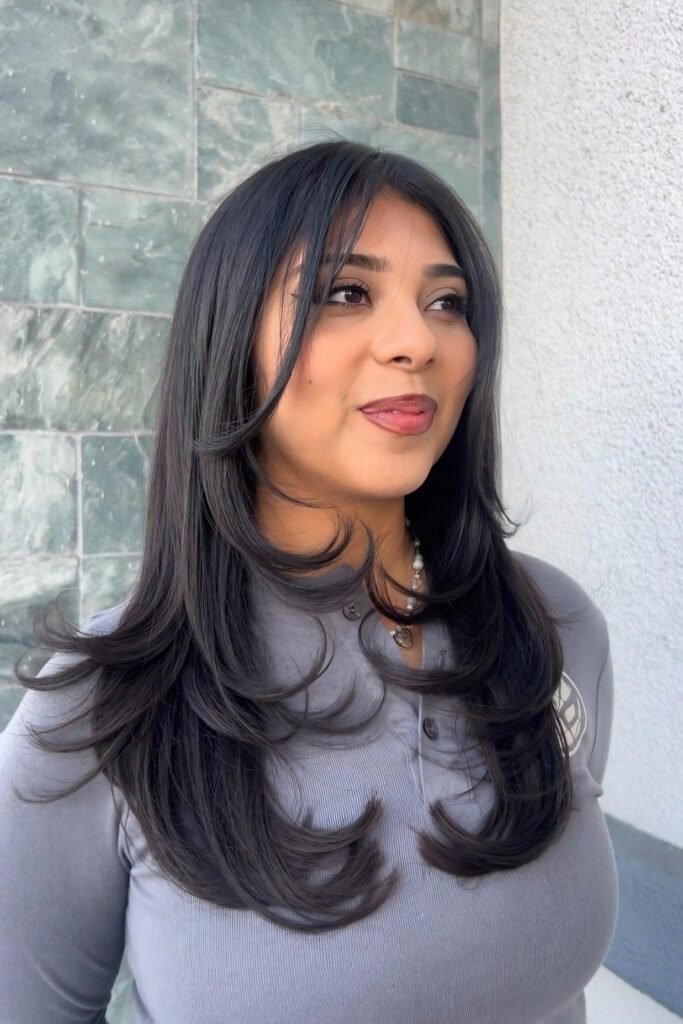
Save15. Natural Texture Black Hair with C-Shape Layers
Natural texture black hair with C-shape face-framing layers cut to follow the curve of the cheekbone from temple to chin, the layer sitting as a defined arc on each side of the face. Hairhook April 2026 confirms C-shape layering alongside point-cutting as advanced techniques that achieve seamless texture and dimension specifically for face frames.
The C-shape layer on natural or textured black hair follows the cheekbone curve in a way that a straight horizontal face frame cannot. It adds dimension at the exact zone where the face is widest and creates the optical illusion of lifted cheekbones. Ask your stylist specifically for a C-shape face-framing layer rather than a standard front section.
 Save
SaveSpecific Techniques and Effects for Black Hair
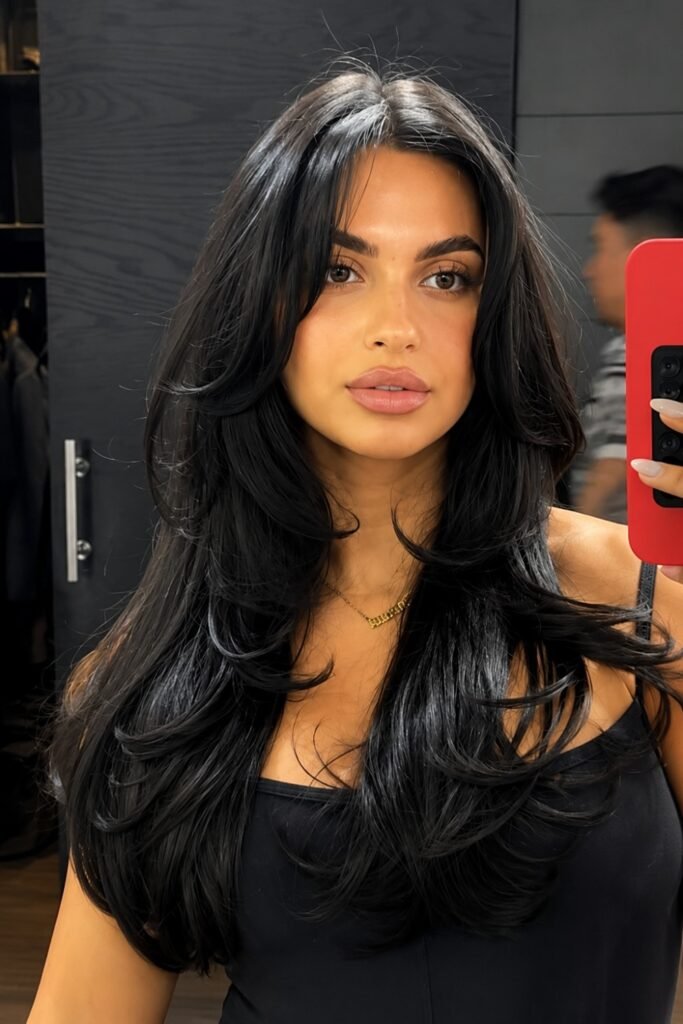
16. Soft Fluffy Face Frames
Voluminous, full face-framing sections styled to stand slightly away from the face rather than falling flat against it, the volume created through blow-drying with a round brush and volumising mousse at the roots of the face-framing sections. Hairhook April 2026 confirms fluffy face-framing layers deliver targeted volume without excess weight.
Fluffy face frames on black hair produce the most dramatic dimensional silhouette from the front because the lifted, voluminous sections create shadow and depth between the face frame and the cheek surface. Apply volumising mousse at the roots of the face-framing sections before blow-drying. Use a round brush rolling outward at the roots and inward at the tips for the fullest result.
 Save
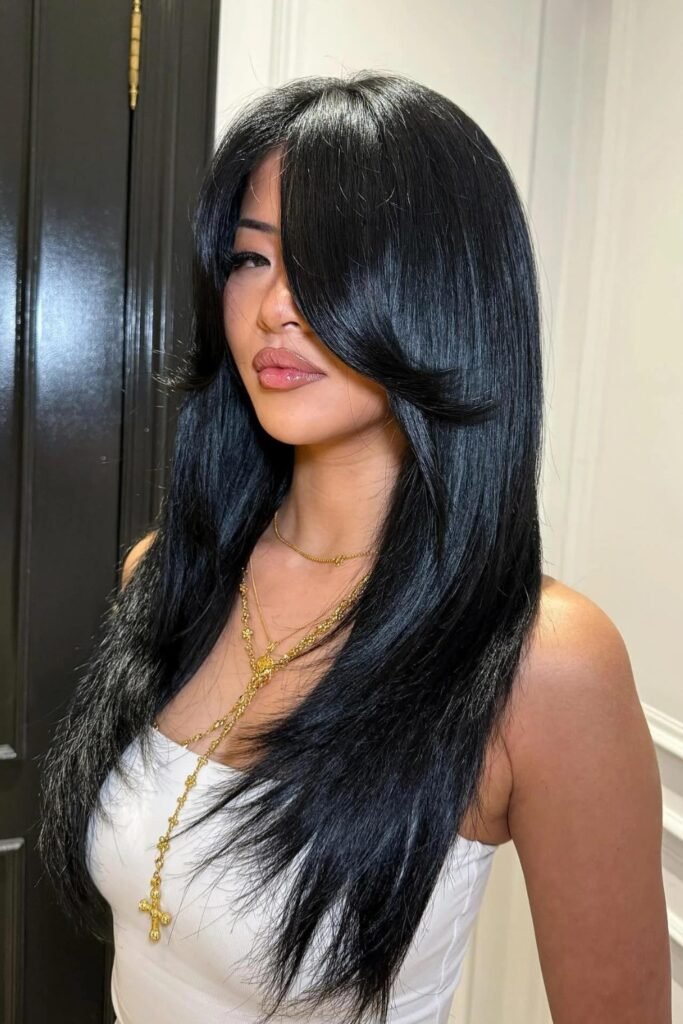
Save17. Blunt Face Frames for Graphic Dimension
Clean, blunt-cut face-framing sections on black hair, the tips cut straight across rather than point-cut, the blunt edge creating a graphic, precise line against the dark colour. Hairstyles Weekly May 2026 confirms the blunt face frame as one of the directions working specifically on black or very dark hair because the colour depth makes the precise edge visible from a distance.
A blunt face frame on black hair is the most architectural of all the face-framing options. The hard, clean line at the tip of each face-framing section reads as an intentional design decision rather than a natural fall. Keep the blunt tip at exactly the same length on both sides — even a two-millimetre asymmetry is visible on the dark, sharp edge.
 Save
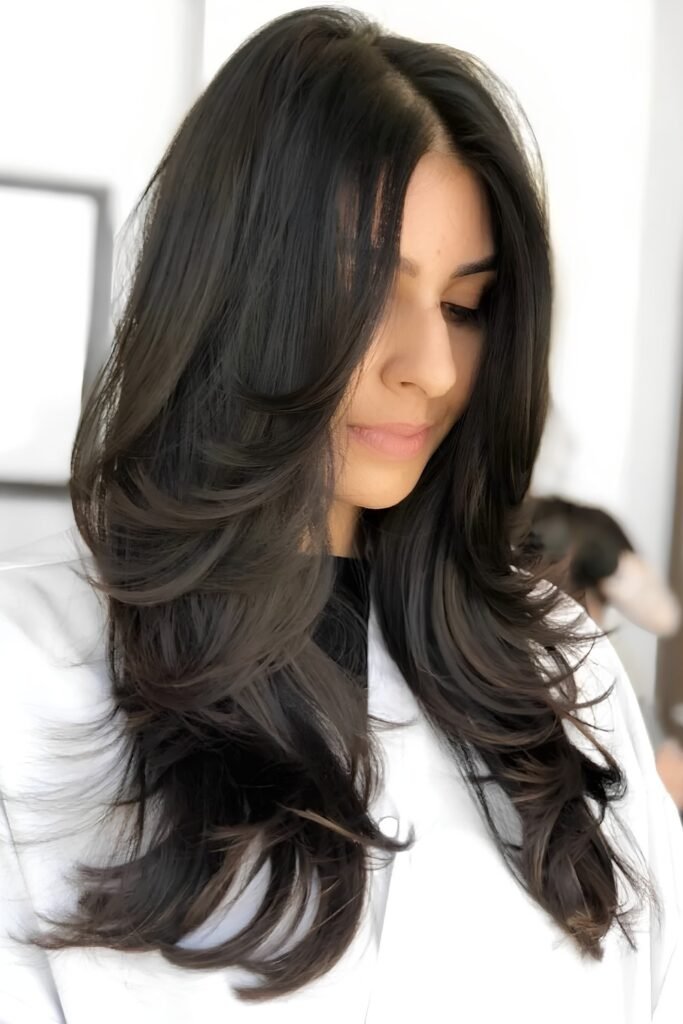
Save18. Angled Face Frames Longer at the Front
Face-framing sections that angle from a shorter point at the back of the face-frame zone to a longer point at the front beside the mouth, the diagonal angle directing attention downward toward the jaw and lengthening the face visually. Copenhagen Fashion Summit April 2026 confirms angling layers with natural growth as the principle that produces the most flattering and wearable face-framing result.
Angled face frames on black hair are particularly effective for round face shapes because the diagonal angle creates the visual elongation that a horizontal face frame cannot. The longer front point beside the jaw draws the eye downward and extends the perceived length of the face. Ask your stylist for an angled face frame with the longer point finishing at the chin.
 Save
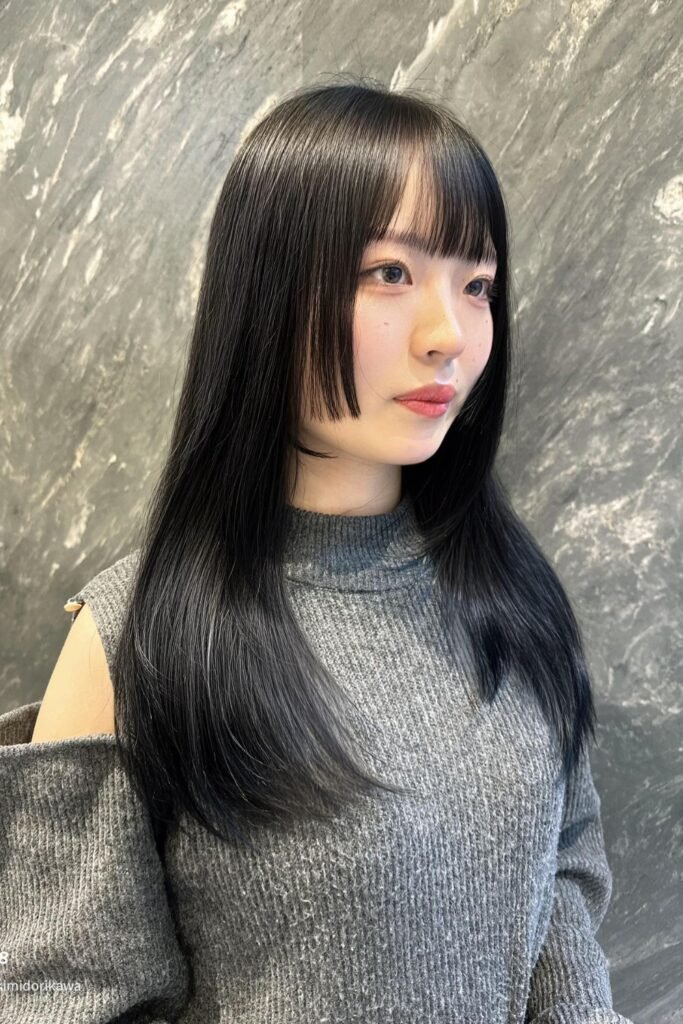
Save19. Hime Cut Face Frames on Black Hair
The hime cut applied to black hair, where the signature straight cheek-length side sections provide a defined face frame and the longer straight back creates the dramatic length contrast. The hime cut on black hair produces the most historically precise and visually striking face-framing result available.
The cheek-length sections of the hime cut on jet-black hair hang as clean, geometric panels beside the face, their blunt ends and uniform colour creating a visual frame that photographs as bold and editorial. The contrast between the short cheek sections and the long straight back is immediately recognisable and works at its most dramatic on black hair where every length difference is maximally visible.
For the precise cutting technique, cheek-length sectioning, and styling approach that produces the cleanest hime cut face frames on black or dark hair, the hime cut hairstyles guide covers the blunt-cut sections, straight-back technique, and blow-dry approaches that define the hime cut across every hair length and colour.
 Save
Save20. Layered Face Frames with Micro Bangs on Black Hair
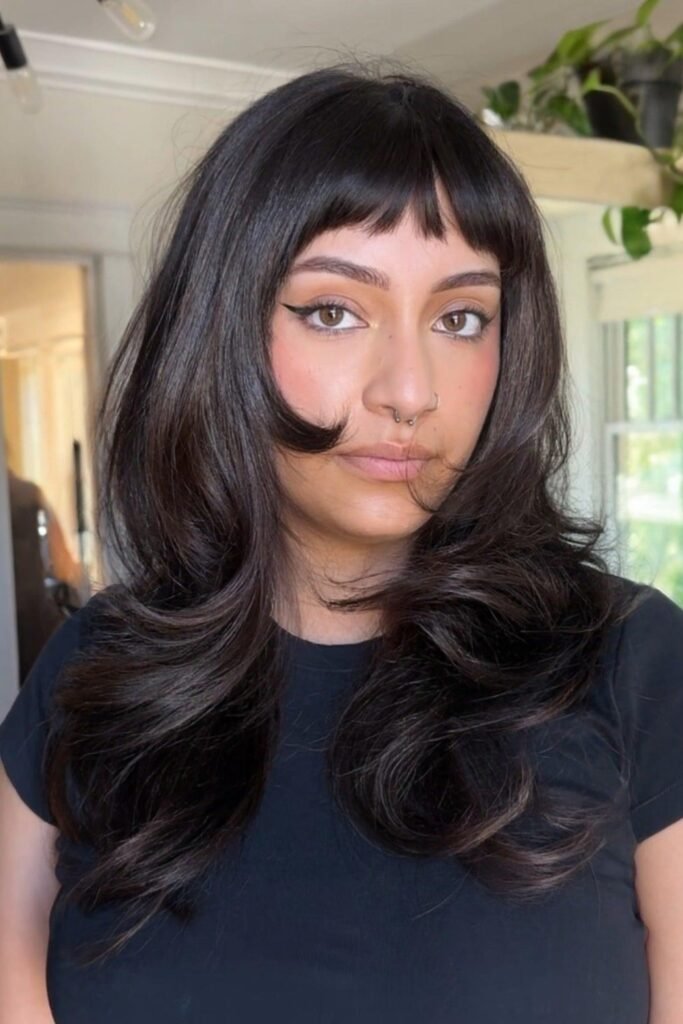
Short face-framing layers combined with micro bangs cut straight across above the brow, the micro fringe and the face frames working together as a complete front-section architecture. The micro fringe at the forehead and the falling face frames at the temples create a structured, intentional front composition on black hair.
Micro bangs on black hair produce the most graphic front-section result of any fringe length because the contrast between the very short forehead fringe and the longer face-framing sections below creates two distinct horizontal lines at different facial zones. The dark colour of the hair makes both lines read with clarity.
For the micro fringe cutting technique, blow-dry approach, and length guidance that produces the sharpest micro bang on any hair colour including black, the micro bangs styles guide covers every fringe length from micro to curtain and the salon instruction that produces the most precise and flattering result at each length.
 Save
SaveFace Shape Guide for Black Hair Face Framing Layers
21. Oval Face: Curtain Layers for Balance
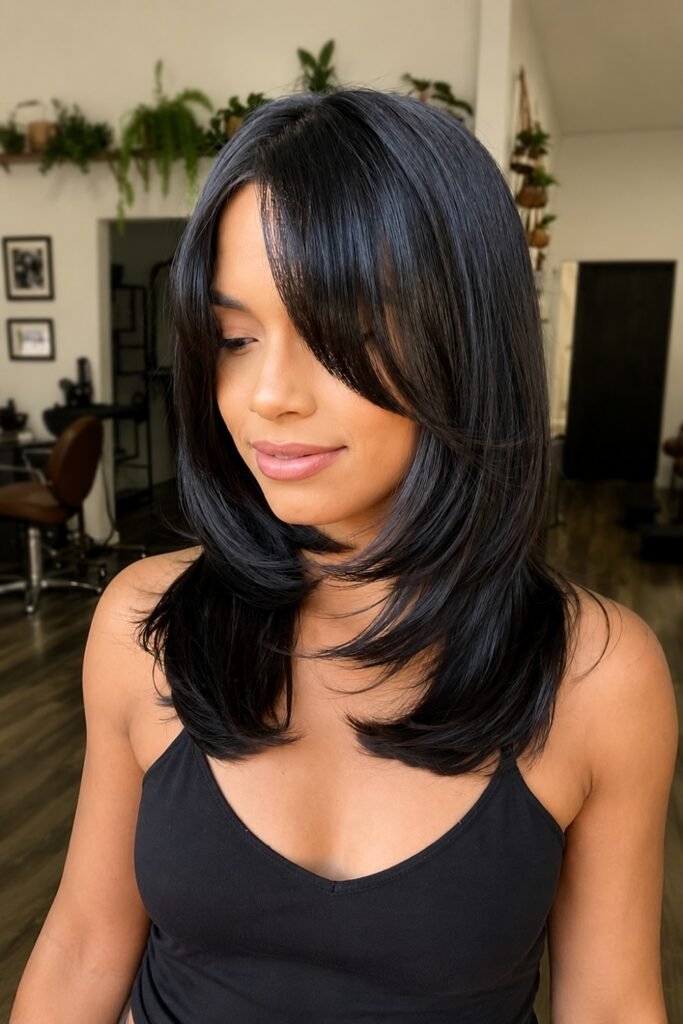
Oval faces suit every face-framing layer direction, but curtain layers falling to the cheekbone and below produce the most proportionally balanced result. BeBautiful (one week ago) confirms curtain bangs and framing layers as specifically suited to oval faces, where they frame the eyes while blending naturally into longer lengths.
On an oval face with black hair, the curtain layers at the front of the head create a symmetrical frame that mirrors the natural symmetry of the face shape. The dark colour of the hair makes the symmetry of the parting and the falling sections read as precise and composed from the front.
 Save
Save22. Round Face: Angled Long Face Frames
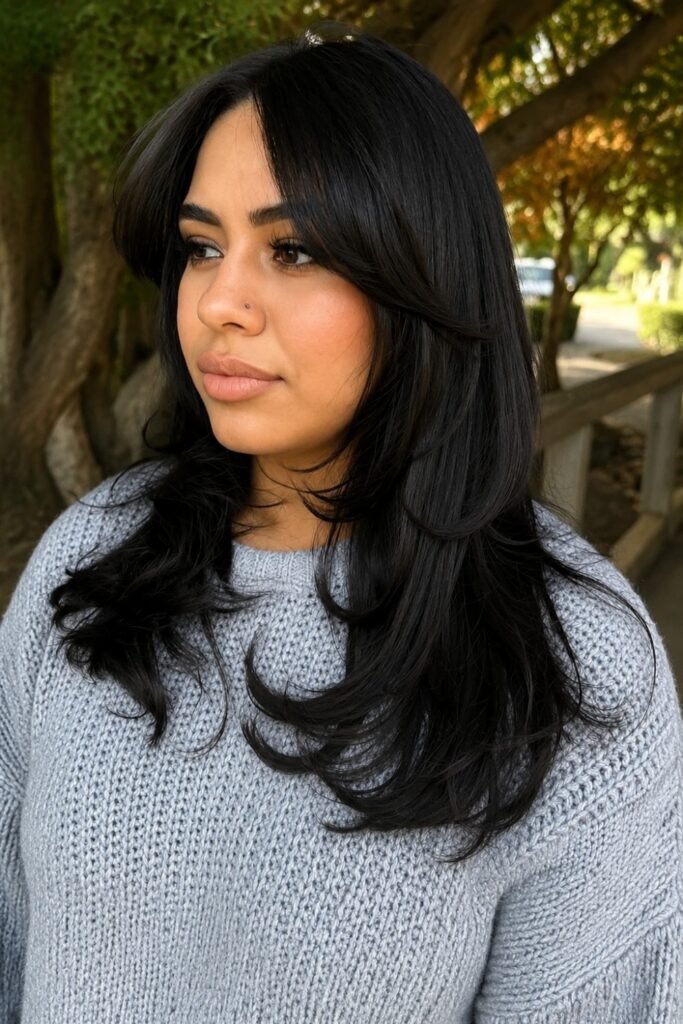
Round faces suit long, angled face-framing layers starting at the cheekbone and finishing at or below the chin, the length and angle adding the visual elongation that a round face benefits from. Hairhook April 2026 confirms C-shape and angled face-framing layers as the technique for enhancing cheekbones and the jawline.
On a round face with black hair, angled face frames that point downward toward the jaw are the most flattering direction. The diagonal line from temple to chin draws the eye downward and creates the perception of a longer, more oval face shape. Avoid horizontal or very short face frames on a round face, which add apparent width.
 Save
Save23. Heart Face: Layers Below the Cheekbone
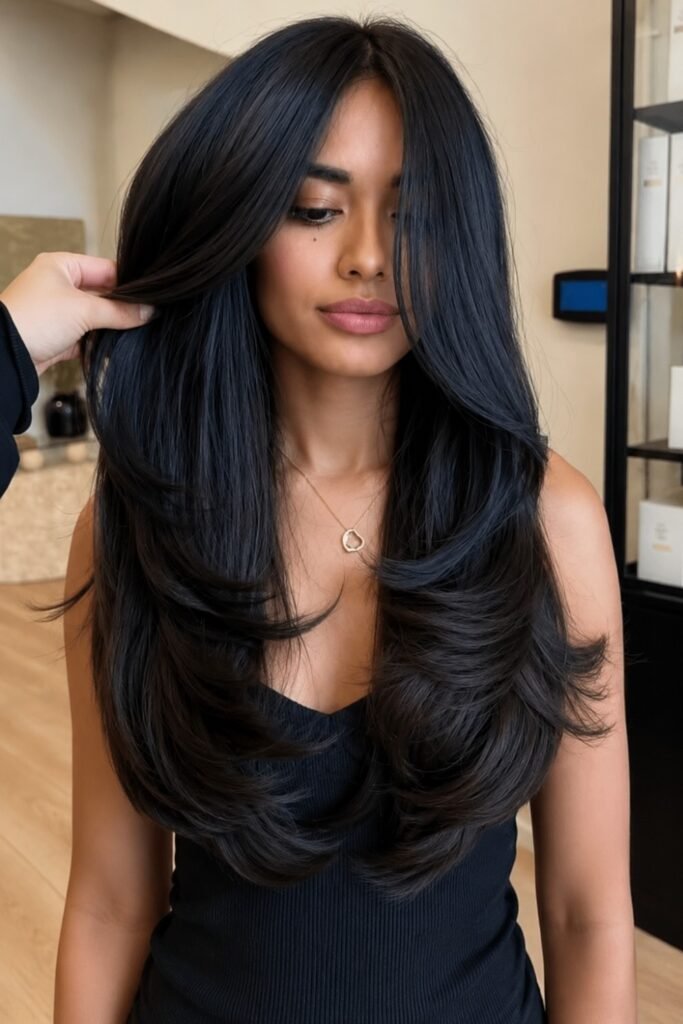
Heart-shaped faces with a wider forehead and narrower chin suit face-framing layers that start at or below the cheekbone rather than at the temples, the lower start point drawing attention to the jaw area rather than the wider forehead.
Layers on black hair starting at the cheekbone on a heart face create a visual weight at the mid-face and jaw that balances the wider forehead above. A longer face frame finishing at the chin adds apparent width at the narrowest point of the face. Avoid very short face frames on a heart face, which concentrate attention at the already-wide forehead.
 Save
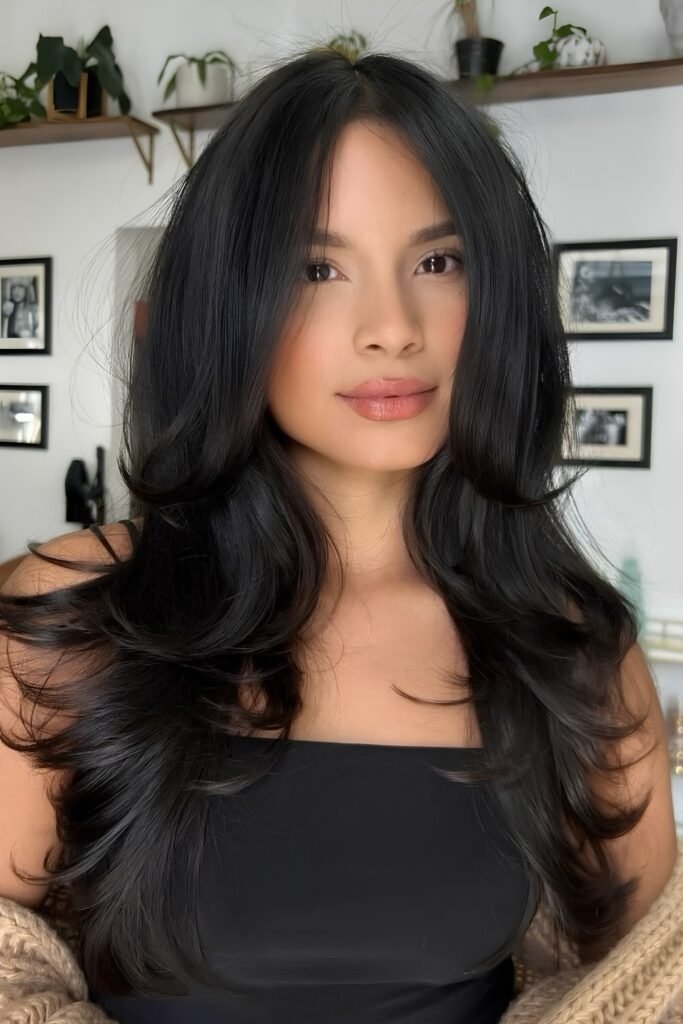
Save24. Square Face: Soft Wispy Layers
Square faces with strong jawlines suit soft, wispy face-framing layers that start at the cheekbone and fall in a gentle, curved direction rather than a straight vertical drop. Sullivan at Hair.com confirms using a large round brush to bevel the ends inward as the technique that shows off face-framing layers most effectively on structured jaw shapes.
Soft wispy face frames on a square face with black hair soften the strong horizontal jaw line by directing the eye toward the softly falling layer sections rather than the strong horizontal jaw edge below. Style the face-framing sections with a slight inward bevel at the ends to add the curve that directs attention away from the jaw corners.
 Save
SaveStyling and Maintenance
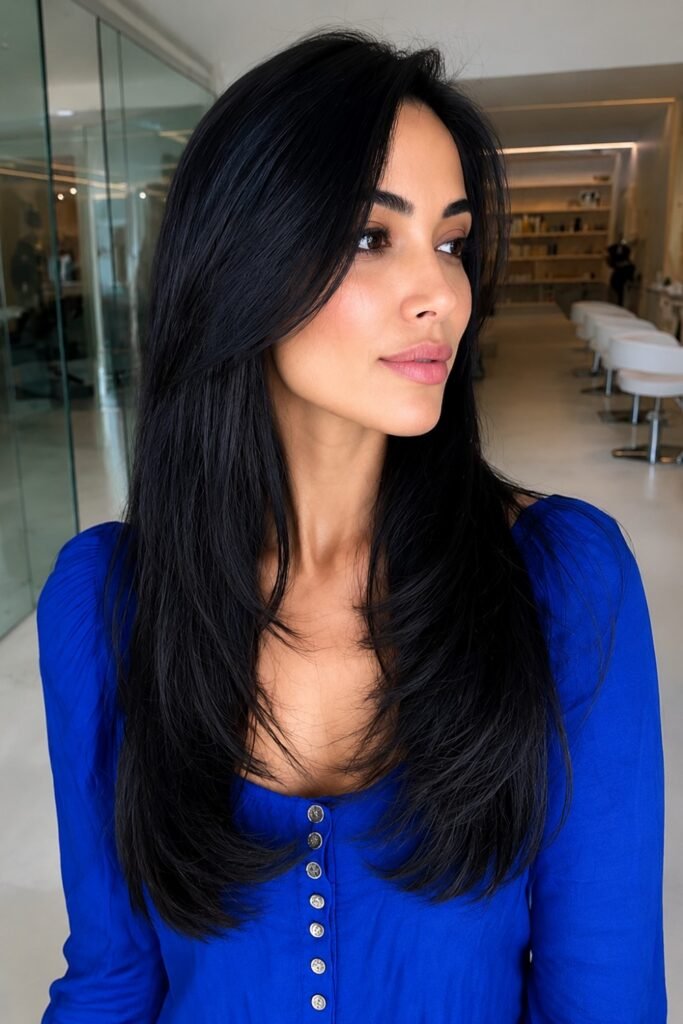
25. Gloss Treatment for Dimension on Black Hair
A deep chocolate brown or clear gloss treatment applied over black hair after face-framing layers are cut, the gloss adding the dimensional shine that makes every layer edge on dark hair visible and distinct under any lighting. Creative Booster confirms deep chocolate brown gloss over dark hair as one of the most effective single-step dimension additions available.
A gloss treatment does not change the colour of black hair. It adds a transparent layer of shine over the existing colour that catches the light at every layer edge and produces the multidimensional depth that makes face-framing layers on black hair look expensive. Book a gloss treatment at the same appointment as the face-framing layer cut and refresh every six to eight weeks.
Hairhook April 2026 confirms weekly hydrating masks alongside trims every eight to ten weeks as the maintenance routine that preserves the integrity of layered dark hair. A conditioner applied mid-length to ends on wash days keeps the layer edges smooth rather than dry and frayed.
 Save
SaveHow to Ask for Face Framing Layers at the Salon
Bring three to five reference photos showing the specific face-framing layer length and texture you want. Sullivan at Hair.com confirms you can simply ask for a face frame, angles, or shorter pieces around the face, and that reference photos remove all ambiguity about the desired result.
Specify whether you want the face frames to fall inward toward the face or outward away from it. Tell your stylist your hair texture and whether it has any natural wave, as Hairhook April 2026 confirms that dry cutting suits textured or wavy black hair for face-framing layers, while wet cutting suits straight black hair.
Ask specifically for point-cutting at the face-framing sections rather than blunt scissor cutting, unless you want the graphic blunt-tip look. Point-cutting on black hair produces the feathered, light-catching edges that add the most visible dimension. Copenhagen Fashion Summit April 2026 confirms trimming every six to eight weeks to keep the face-frame shape clean and the layer edges fresh.
Frequently Asked Questions
Do face framing layers look good on black hair?
Yes. Hairstyles Weekly May 2026 confirms that 2026 is leaning toward blended face-framing layers that work with the natural texture of the hair. Black hair produces particularly strong visual dimension from face-framing layers because the dark pigment creates deep contrast between the shadow and highlight zones on each layer edge. BeBautiful (one week ago, 2026) confirms face-framing layers work across all hair lengths, textures, and face shapes, making them one of the most universally flattering haircut additions available.
What face framing layers suit black hair best?
Graduated layers from cheekbone to jawline are confirmed by Hairhook April 2026 as the most effective face-framing approach for maximising bounce and dimension on medium to long dark hair. Point-cut face-framing sections produce the most visible texture on black hair because the fine, feathered tips catch the light distinctly against the dark background. C-shape layering suits natural and wavy textures. Blunt-cut face frames suit straight black hair where a graphic, precise edge is the desired result.
How long should face framing layers be on black hair?
Sullivan at Hair.com confirms the shortest piece is established in consultation with the stylist, then the layers graduate longer and connect cohesively to the cut length. The most commonly requested face-framing lengths on black hair are cheekbone level for short face frames, chin level for medium frames, and collarbone level for longer frames that still sit forward from the main hair body. The length that suits you depends on face shape: rounder faces suit longer frames finishing at the chin or below, and heart faces suit layers starting at the cheekbone rather than the temple.
How do you add dimension to face framing layers on black hair?
A gloss treatment is the single most effective dimension addition on black hair, confirmed by Creative Booster as adding multidimensional shine that makes every layer edge visible under any lighting without changing the hair colour. Money-piece highlights at the face-framing sections add visible warmth and contrast without touching the rest of the hair. Point-cutting the face-framing sections produces feathered, light-catching tips that add dimension through texture rather than colour. Hairhook April 2026 also confirms weekly hydrating masks to keep layer edges smooth and reflective.
How often should you trim face framing layers on black hair?
Copenhagen Fashion Summit April 2026 confirms trimming every six to eight weeks keeps the face-frame shape clean and the layer edges looking intentional rather than grown-out. Hairhook April 2026 confirms eight to ten weeks for the full haircut but notes the face-framing sections specifically need more frequent attention because they are the most visible zone of the cut. A face-framing layer that is four weeks overgrown on black hair reads clearly because the dark colour makes every length inconsistency visible.
Final Thoughts
Face-framing layers on black hair in 2026 are confirmed as one of the most effective and low-commitment ways to add dimension and movement to dark hair. Hairstyles Weekly May 2026 names the blended, face-framing layer as the direction gaining the most traction this year. BeBautiful confirms the impact: instant shape, highlighted features, natural movement, without a complete transformation.
Start with the stylist consultation Sullivan recommends, specifying the shortest piece length first and letting the layers graduate cohesively from there. Add a gloss treatment at the same appointment for the dimensional shine that makes the layers visible on black hair. Book the trim at six to eight weeks and the result stays photo-ready between appointments.