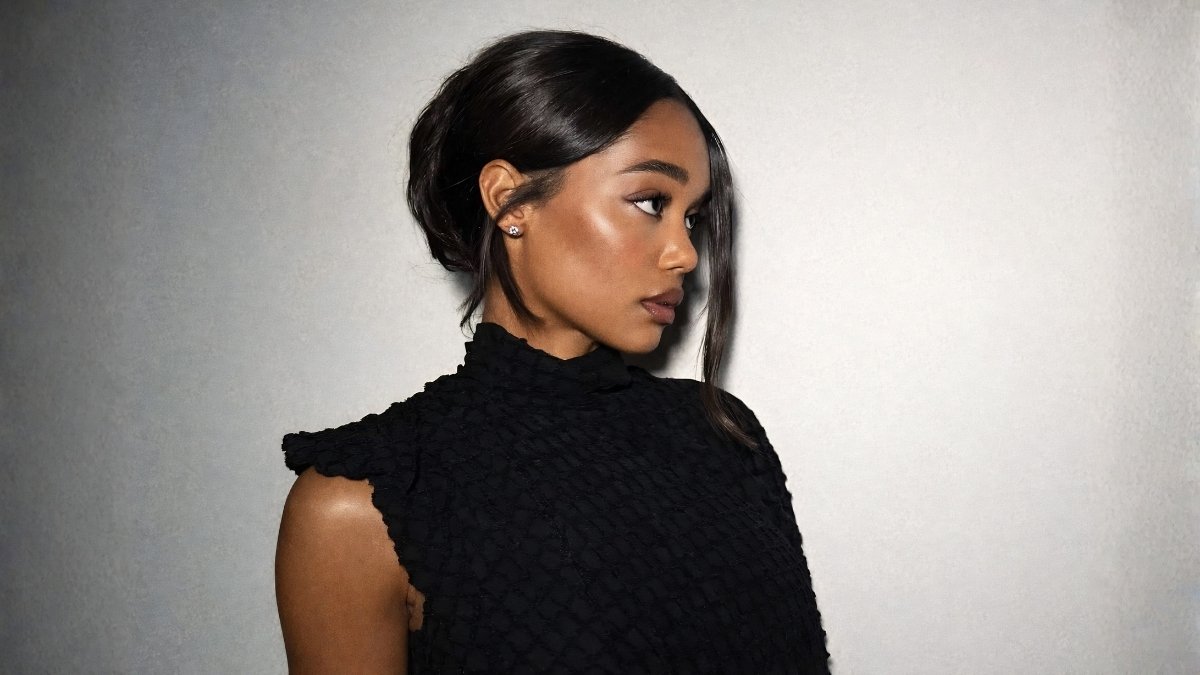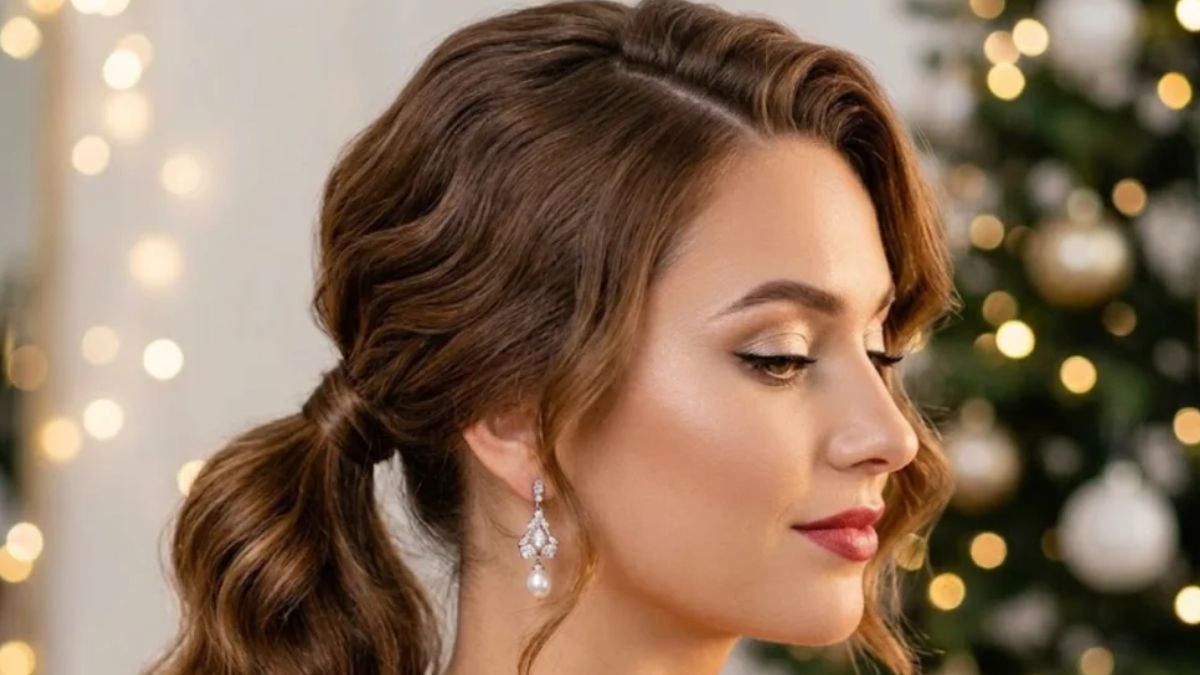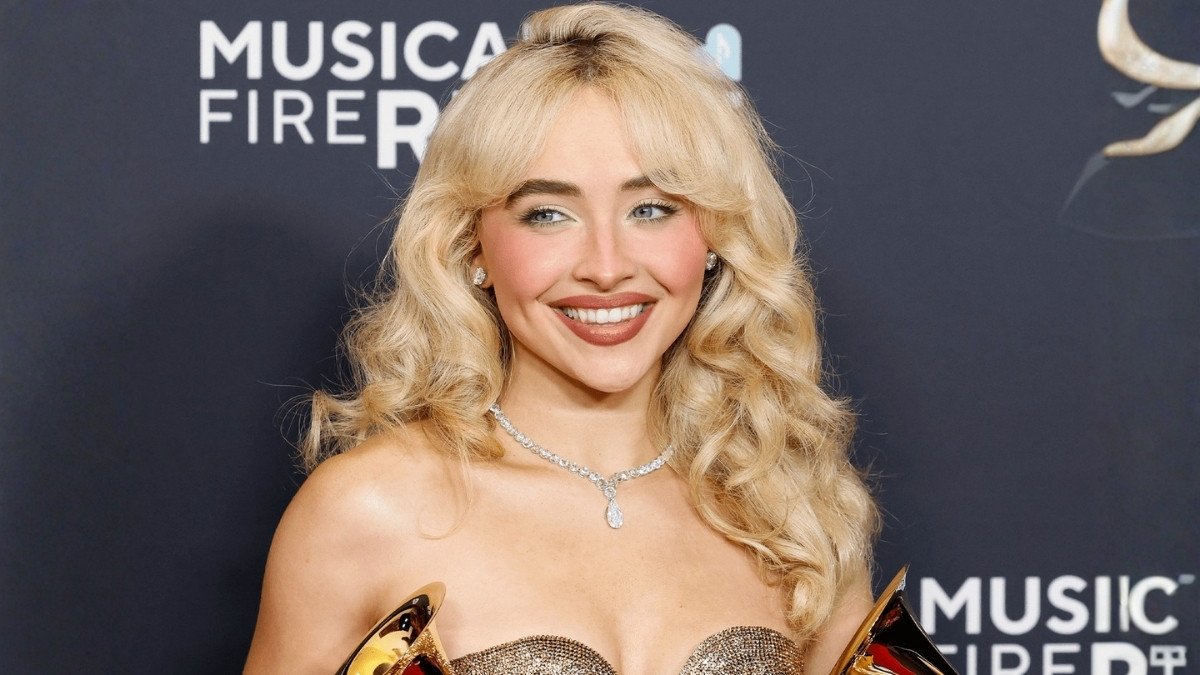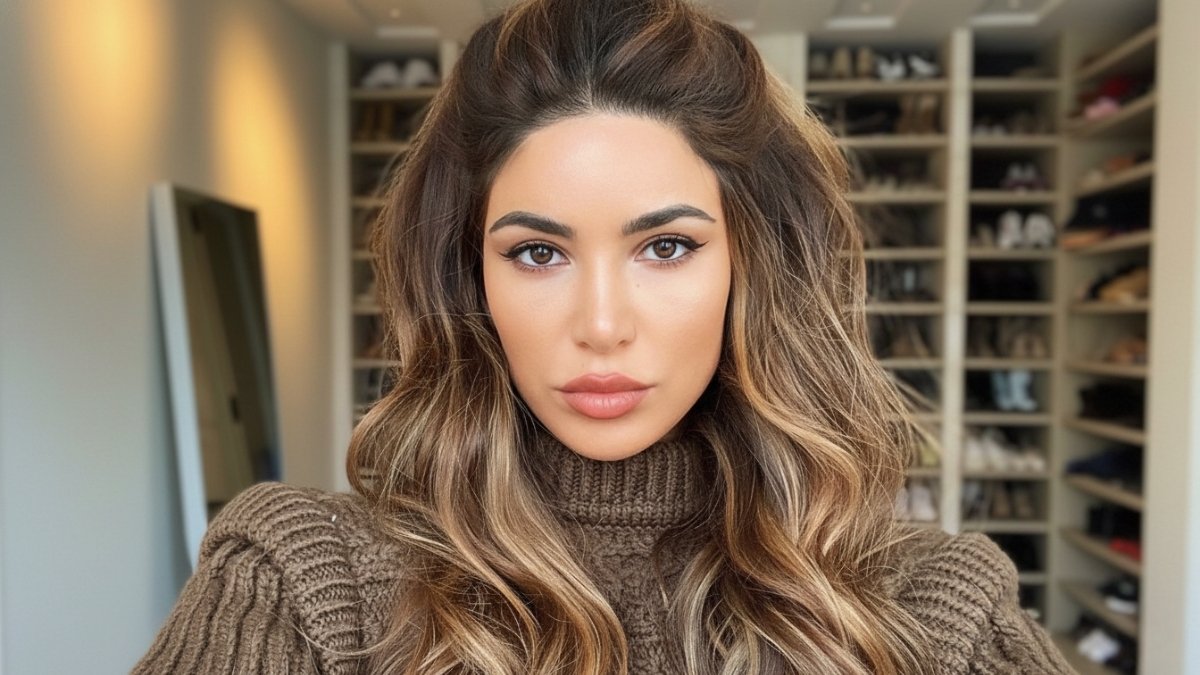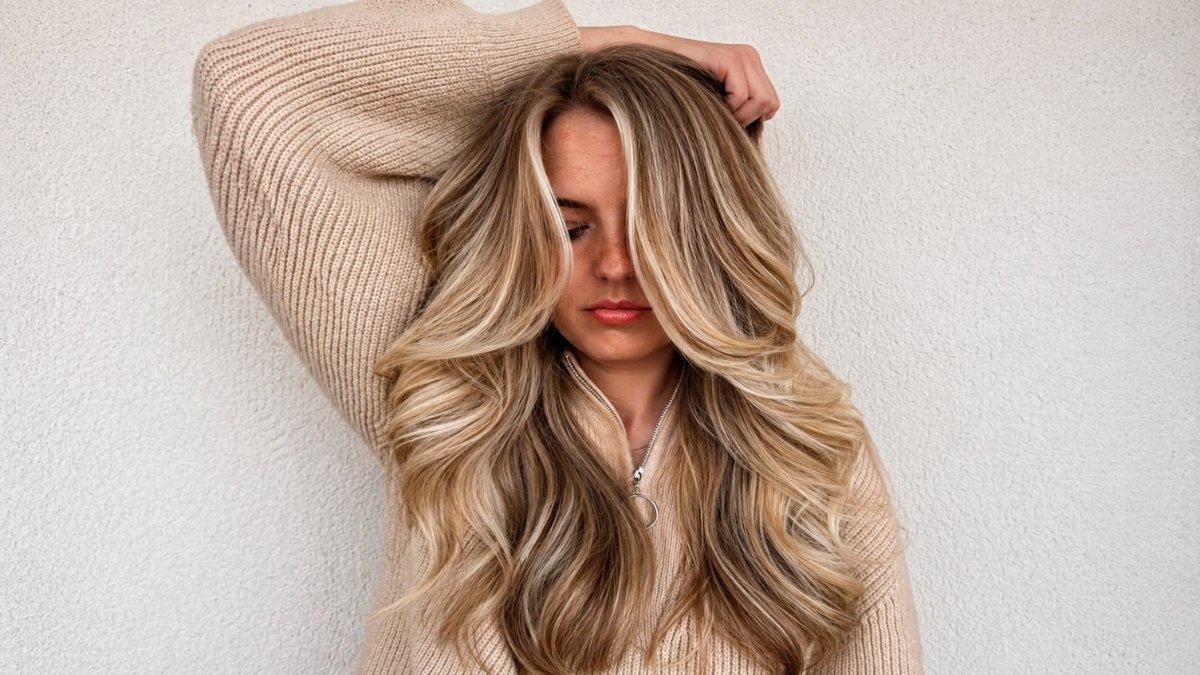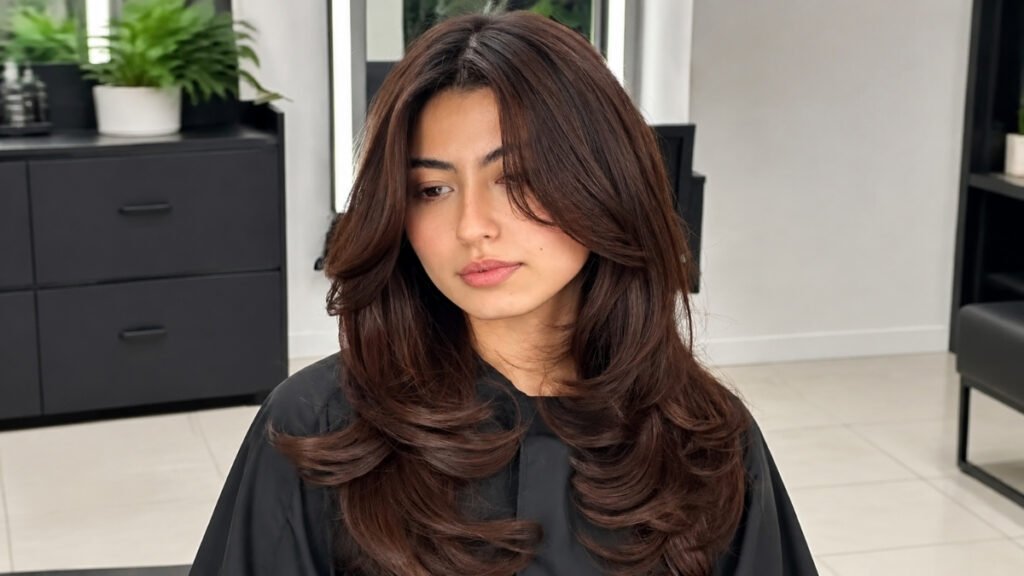
Every butterfly cut photograph shows the same thing: bouncy, voluminous layers fanning away from the face like wings. What the photographs do not show is the round brush.
The signature bounce is a styled effect rather than a cut effect. Air-dried, a butterfly cut is a soft layered shape and nothing more. The wings appear when you blow-dry them into existence, and one hair writer puts the trade plainly: if your honest weekday styling budget is two minutes, this is not your cut, and if you will give it ten, it rewards you.
That is worth knowing before you book rather than after, because it explains why so many people leave with a technically correct cut and are quietly disappointed by it every morning.
What Makes It a Butterfly Cut
The name comes from the shape, but the actual technical distinction is directional.
Traditional layers are cut and styled to shape inwards, towards the face, framing your features. Butterfly layers do the opposite: they direct and fan away from the face. That outward movement is what creates the wing silhouette, and it is the reason this is a distinct cut rather than simply a layered one.
The structure is two sets of layers. Shorter layers start around the chin and cascade down, creating the wing effect at the face. Longer layers underneath keep the overall length intact. The result gives you movement and volume without sacrificing length, which is the cut’s central appeal.
Who It Actually Suits
Fine hair, better than most layered cuts. This surprises people, but the butterfly’s soft, blended layers add volume without the heavy razoring that can leave fine hair looking sparse. If you have been told layers will thin out your ends, this is the layered cut that does not.
Thick hair, with one caution. It works well, but needs careful blending so the crown layers do not sit like a shelf. That is a genuine risk and worth naming at the consultation.
Curly hair, naturally. The shorter top layers reduce heaviness while the longer layers let curls fall freely, giving shape without frizz.
Most face shapes. The soft feathered layers soften angular features and enhance facial symmetry, and the face-framing pieces are tailored to your features rather than being one fixed shape.
Classic Versions
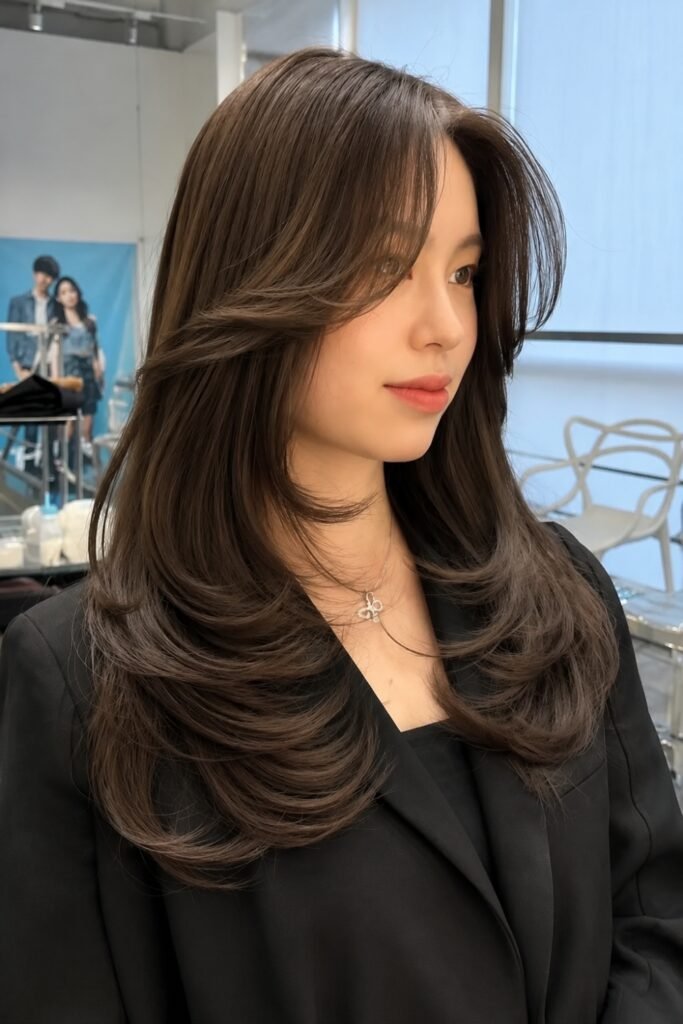
1. The Standard Butterfly Cut
Shorter layers beginning around the chin, longer layers beneath, all cut to fan outward.
The archetype, and the version most reference photographs show. It reads as elegant rather than edgy, which is the main difference in feeling between this and a wolf cut.
Ask for the layers to fan away from the face specifically. A stylist who defaults to inward-framing layers will give you a good layered cut that is not a butterfly.
 Save
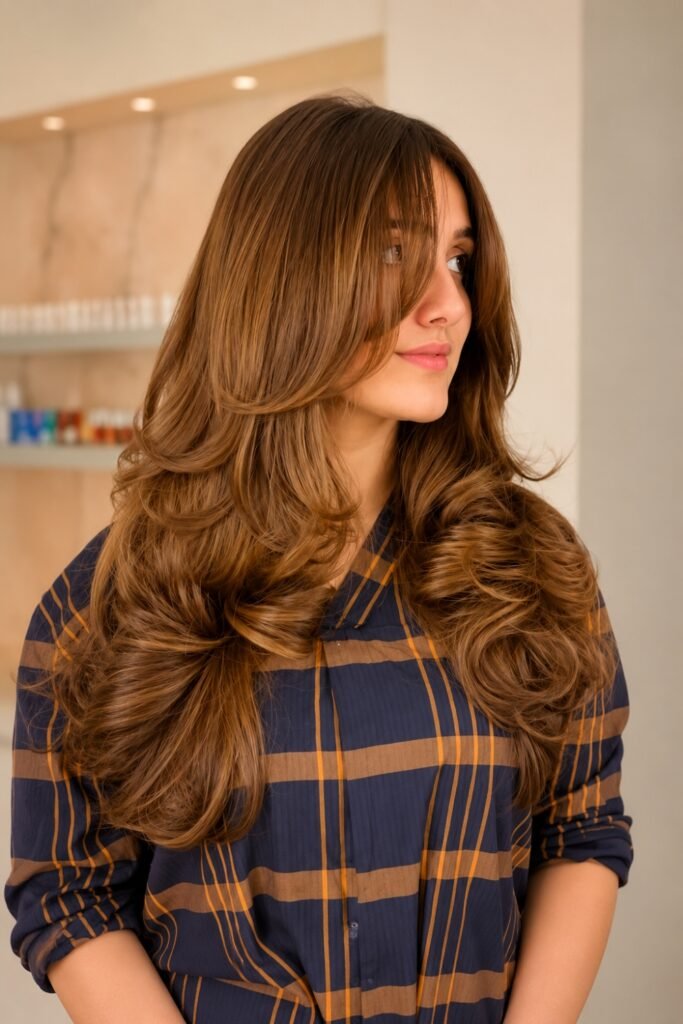
Save2. Long Butterfly Cut
The full layering structure on hair kept well past the shoulders.
Length is where the cut earns its reputation, because there is enough distance between the shortest and longest layers for the contrast to read. The shorter crown layers provide the volume, the length provides the fall.
Also the version with the most dramatic difference between styled and unstyled, so the styling honesty applies most here.
 Save
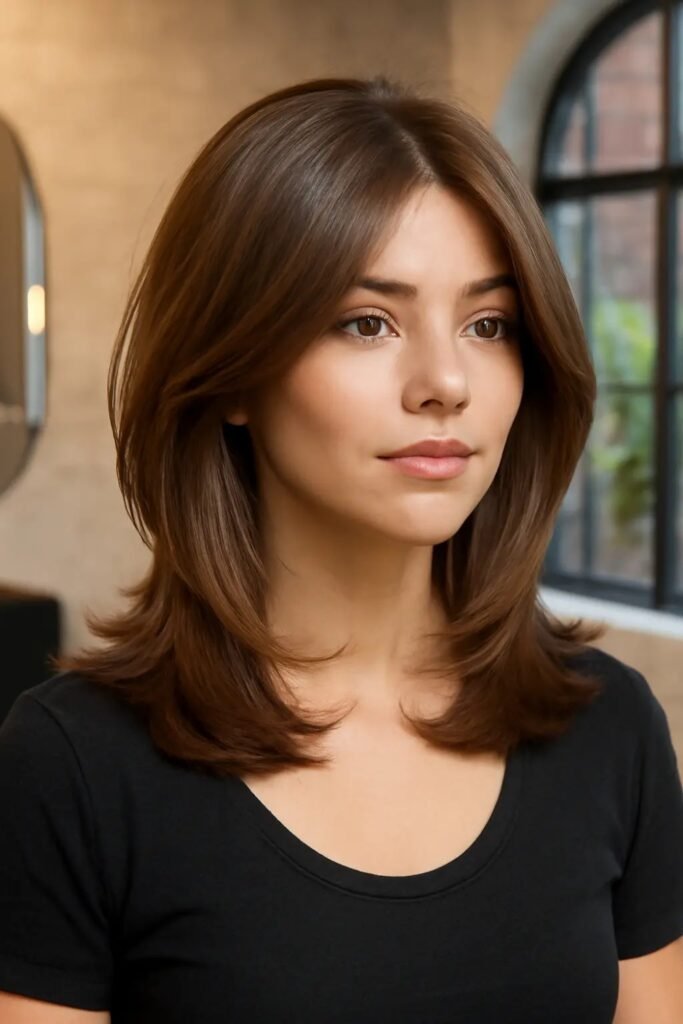
Save3. Mid-Length Butterfly Cut
Shoulder to collarbone, with the layer structure compressed to fit.
The most manageable length for this cut. There is enough hair for the layers to move and less weight pulling the crown flat, which means less blow-drying required to achieve the same effect.
The sensible default if the styling commitment worries you.
 Save
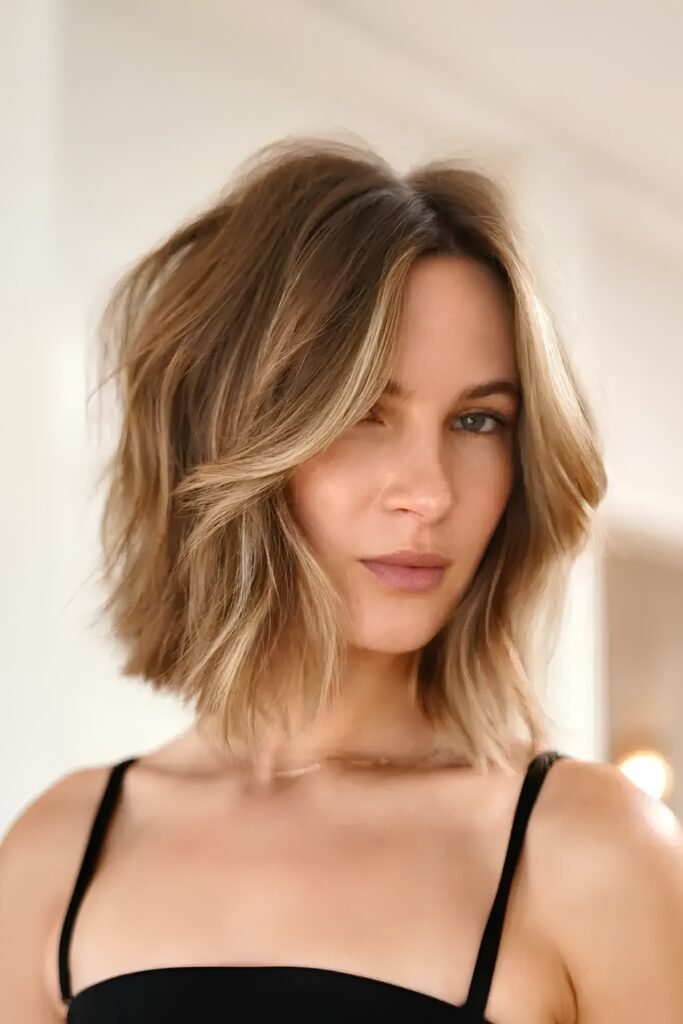
Save4. Short Butterfly Cut
The structure taken to a bob or lob length, with face-framing layers still fanning outward.
Shorter hair holds volume more easily because there is less weight, which makes this the least styling-dependent version here.
Sits close to a layered bob. For the length itself and its variations, our guide to chin-length bob haircuts covers the shape in more detail.
 Save
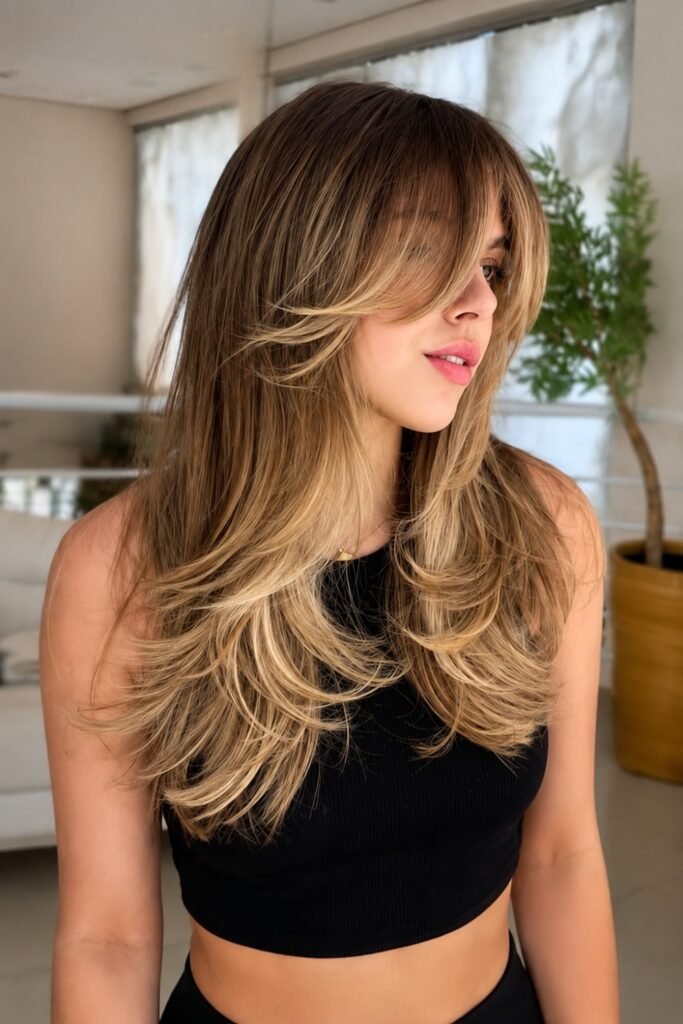
Save5. Butterfly Cut With Curtain Bangs
The standard pairing, with a centre-parted fringe blending into the shortest face-framing layers.
These two belong together structurally. A curtain fringe is essentially the shortest butterfly layer, so nothing needs blending into anything and the fringe extends the wing effect right up to the face.
The most requested version of this cut, and for good reason.
 Save
SaveBy Texture
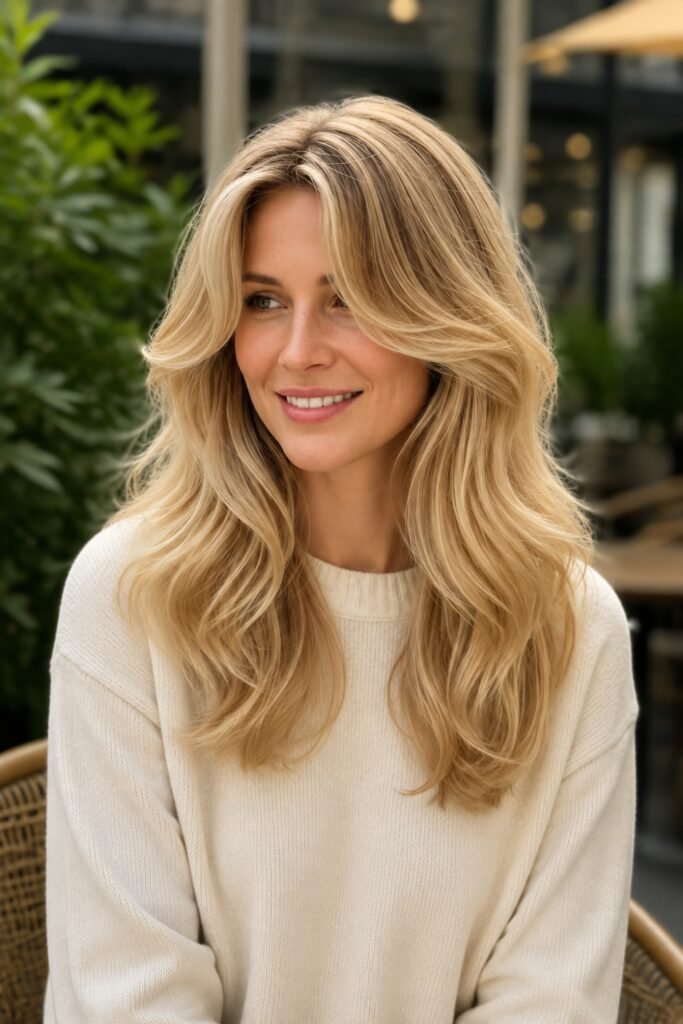
6. Butterfly Cut on Fine Hair
Softer, more blended layering with the perimeter kept intact.
The recommendation to make here is what the cut avoids rather than what it does. No heavy razoring, no aggressive texturising, and no thinning at the ends. The volume comes from layer placement rather than from removing weight.
This is the layered cut for anyone who has had a bad experience with layers on fine hair.
 Save
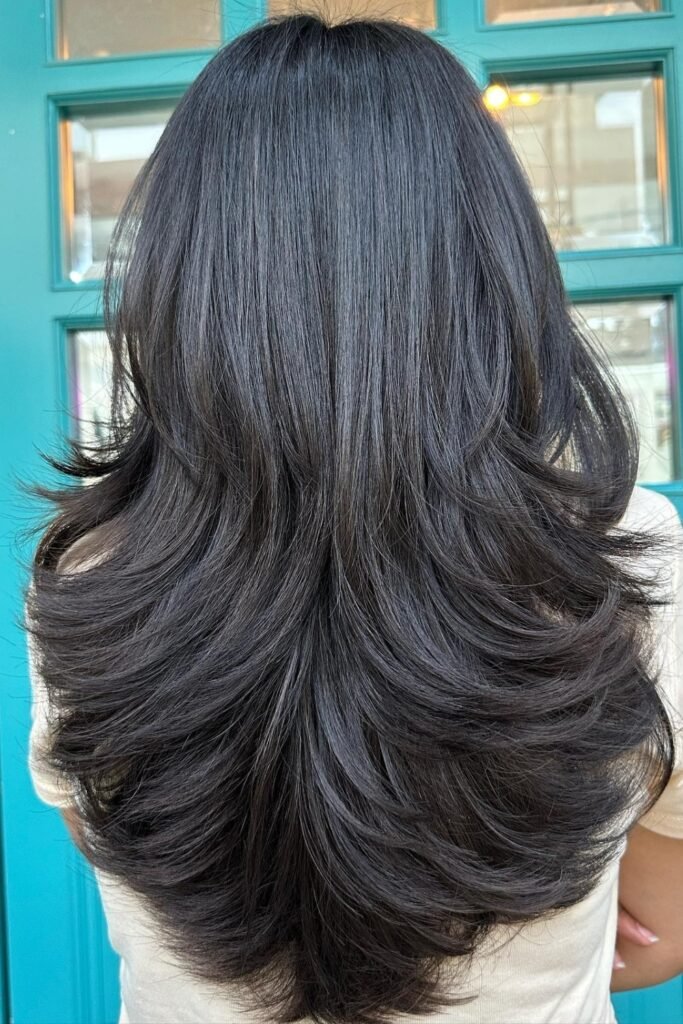
Save7. Butterfly Cut on Thick Hair
The full structure with careful blending between the crown layers and the lengths.
The specific risk here is a shelf, where the crown layers sit as a visible ledge above the rest rather than melting into it. That is a blending failure rather than an inevitability, and a good stylist will avoid it.
Say the word blended at the consultation. It is the single most useful word for thick hair getting this cut.
 Save
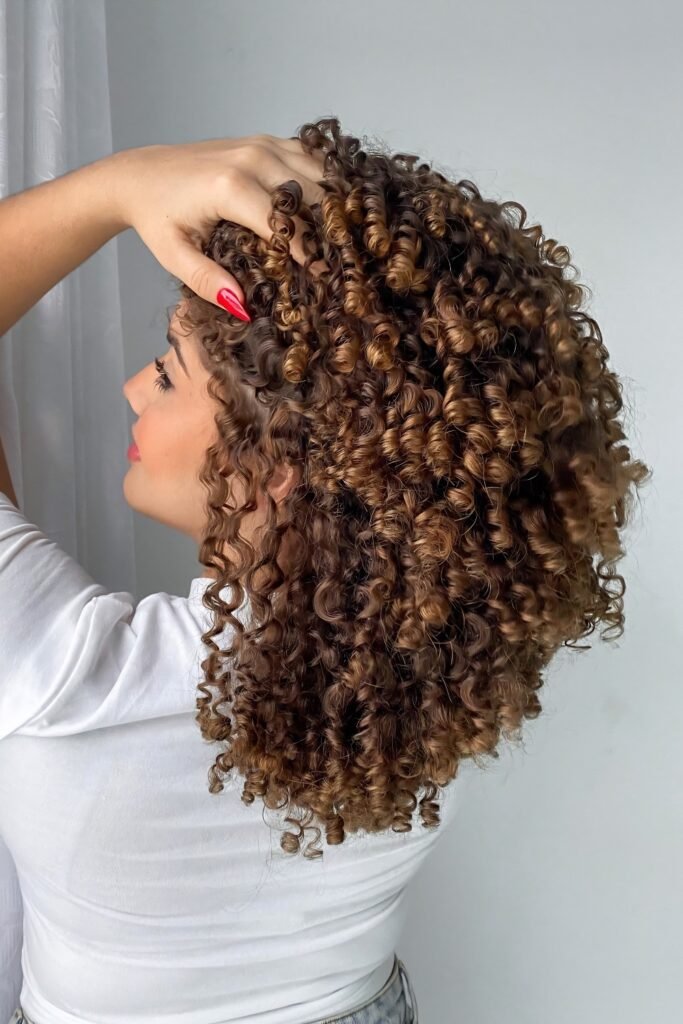
Save8. Butterfly Cut on Curly Hair
The layer structure cut for natural curl, with the top layers removing weight and the longer layers left to fall.
Curly hair gets something specific from this cut: shape without frizz. The shorter top layers stop the curls sitting heavy, and the longer layers underneath let them bounce naturally rather than being compressed.
Cut dry so the stylist can see where each curl actually falls. Wet-cutting curl produces a shorter result than intended.
 Save
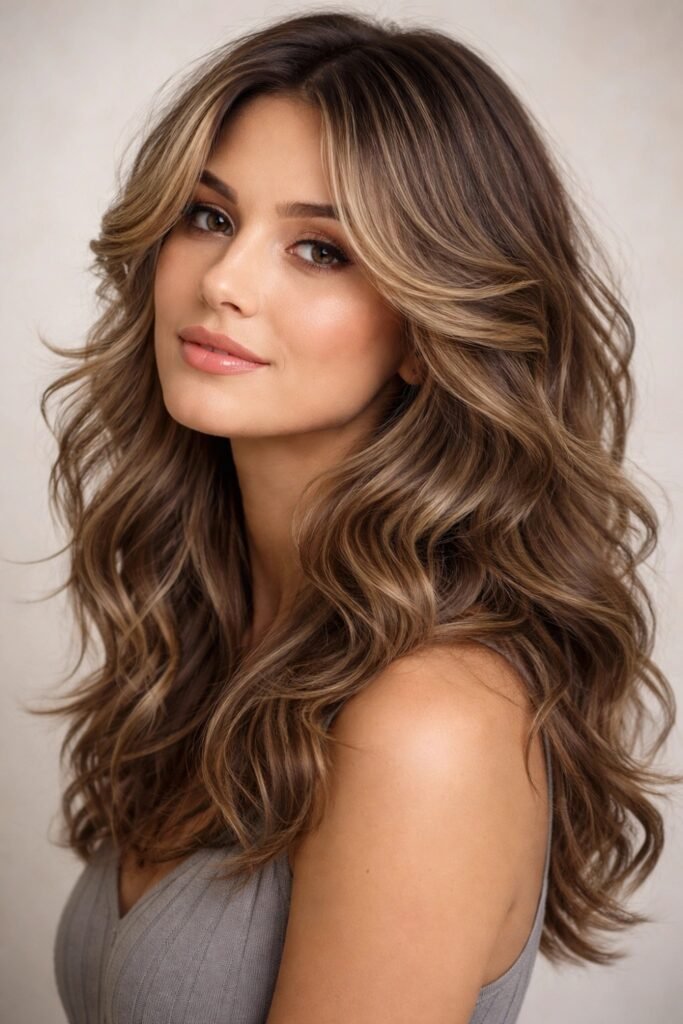
Save9. Butterfly Cut on Wavy Hair
The structure on natural wave, which is the texture that needs the least intervention.
Wavy hair air-dries into a softer version of the cut, which is the closest thing to a low-maintenance butterfly. You will not get the full styled bounce, but you will get a genuinely wearable shape without a blow-dry.
The best texture-to-cut match here if styling time is limited.
 Save
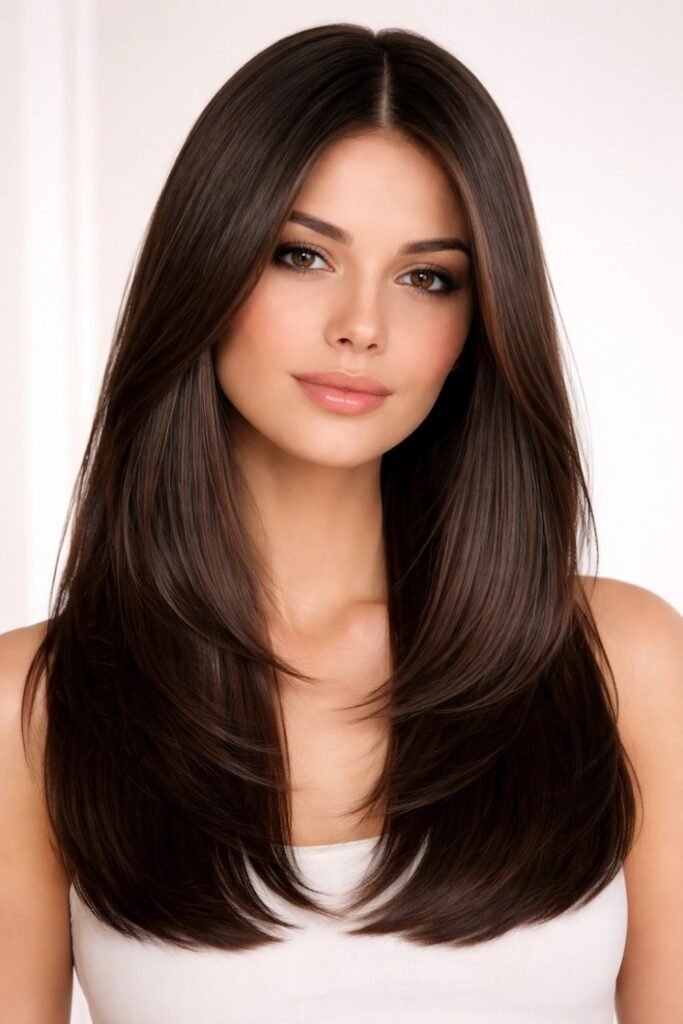
Save10. Butterfly Cut on Straight Hair
The structure on straight hair, where the layers are most visible and the styling most necessary.
Straight hair shows the layer architecture with total clarity, which makes a well-executed butterfly cut look precise and a poorly executed one look uneven. There is nowhere to hide.
It also holds a blow-dry well once styled, so the ten minutes buys more than it does on other textures.
 Save
SaveStyling Variations
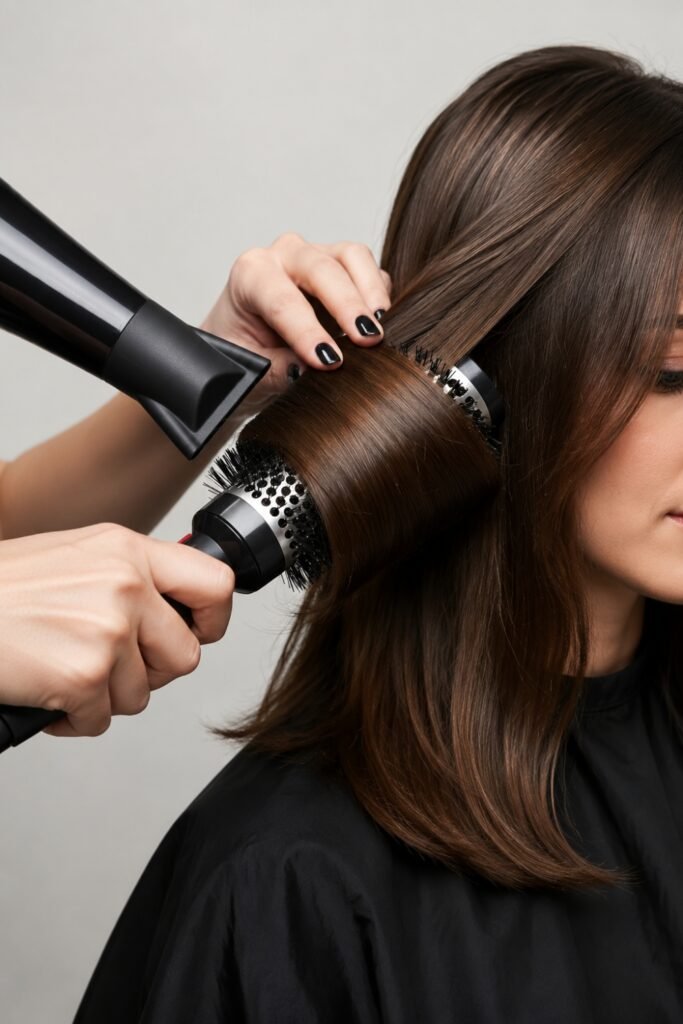
11. Blown-Out Butterfly
The full styled effect: round brush, volume at the crown, layers fanning away from the face.
This is the version in the photographs and the reason the cut exists. Blow dryer and round brush are non-negotiable for achieving the lift, and the realistic time is fifteen to twenty minutes with a volumising mousse and heat protectant.
Direct the brush away from the face on every section. Rolling inward gives you a 1990s blow-dry rather than a butterfly.
 Save
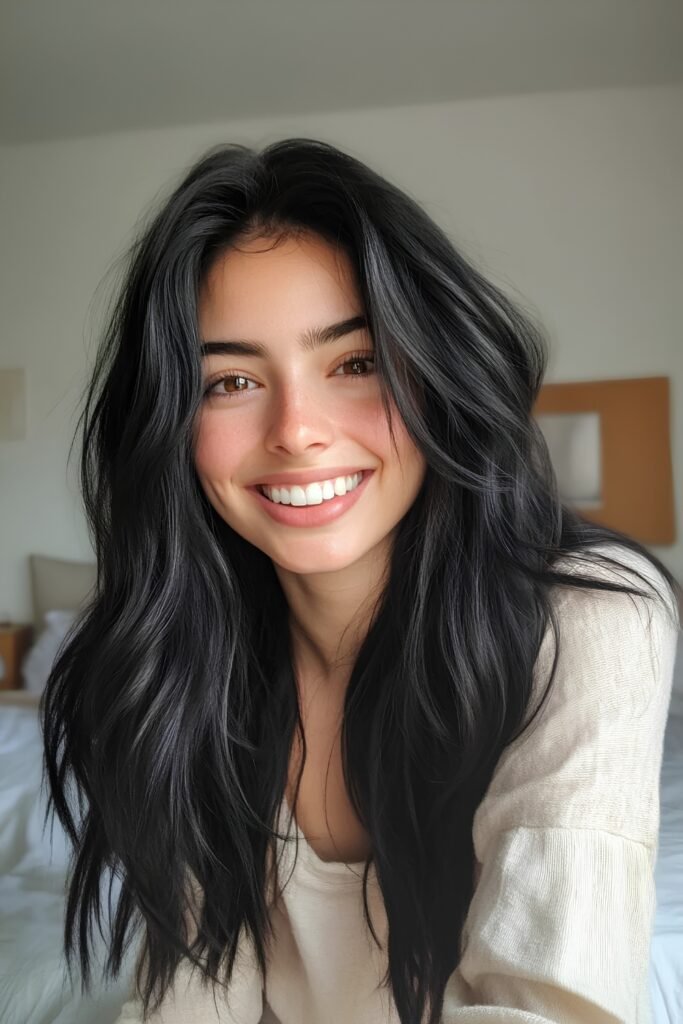
Save12. Air-Dried Butterfly
The cut left to dry naturally, with product but no heat.
Worth including honestly rather than pretending the cut only exists in one state. Air-dried, it reads as soft layers with face-framing shape. That is a perfectly good haircut, it is just not the wing effect.
Best on wavy hair, where the natural texture does some of the work the brush would otherwise do.
 Save
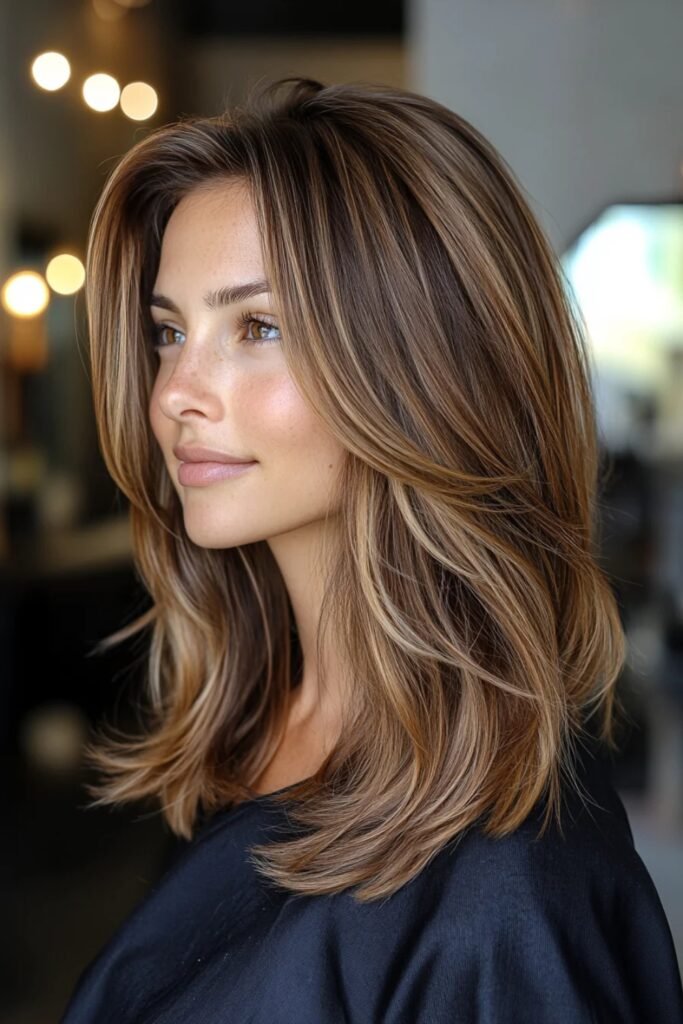
Save13. Butterfly Cut With Waves
The layers with loose waves added through the mid-lengths rather than a smooth blowout.
A different finish with a similar payoff and, for many people, a faster one. Waves create separation between the layers that a brush creates through direction.
Keep the roots lifted rather than curled. Crown volume is what makes the shape read, and curling at the root flattens it.
 Save
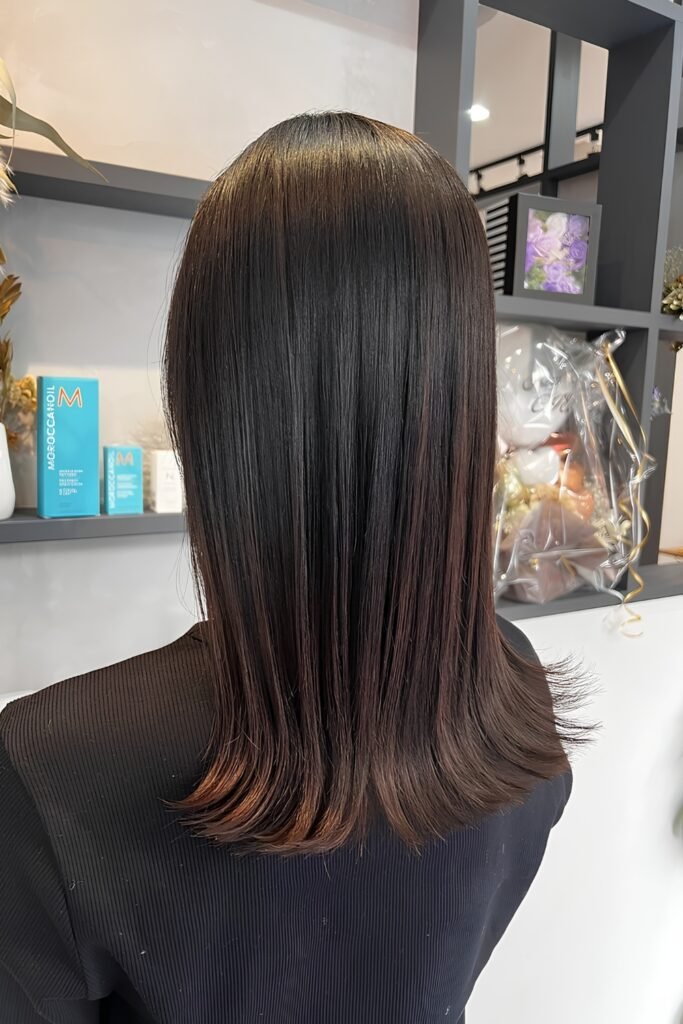
Save14. Sleek Butterfly Cut
The layers straightened smooth, showing the structure with no volume at all.
The opposite finish, and one that suits the cut better than it sounds. Straightened, the layer architecture becomes the whole point, and the outward direction still reads at the ends.
Requires an even cut. Smoothing exposes any unevenness in the layers, which volume otherwise disguises.
 Save
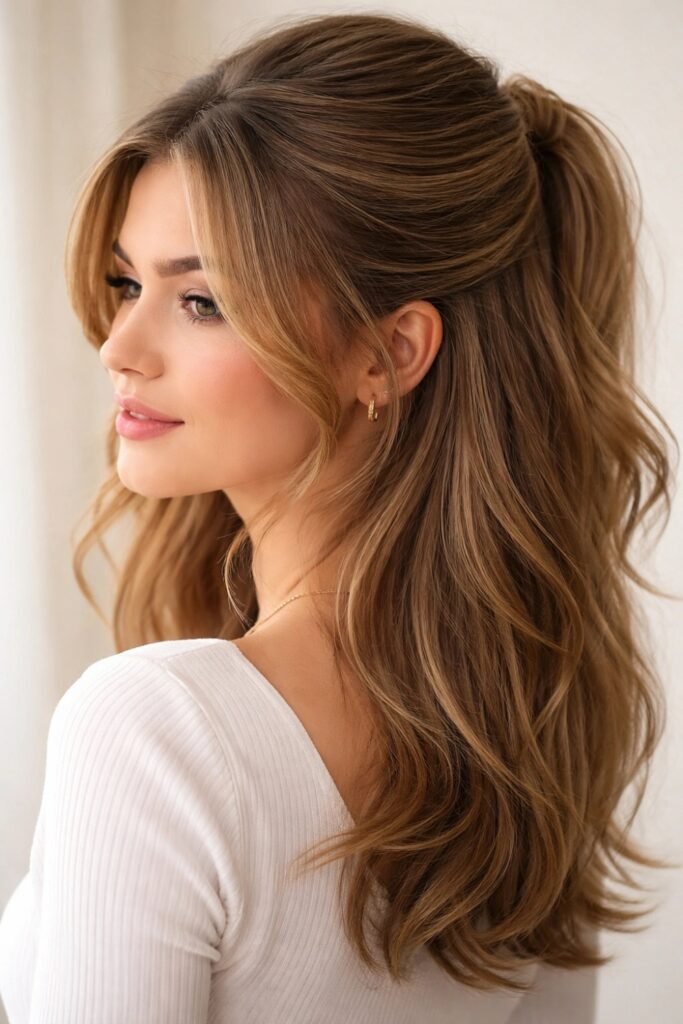
Save15. Half-Up Butterfly
The crown secured with the layered lengths left down.
Practical and slightly underused. Securing the top keeps the face-framing layers visible while removing the need to maintain crown volume all day, which is where a blow-dry drops first.
Also the best option for a second or third day, when the styling has softened but the layers still have shape.
 Save
SaveThe Styling Reality
Fifteen to twenty minutes, most mornings, with a blow dryer and a round brush. That is the honest number, and volumising mousse and heat protectant are part of it rather than optional extras.
The technique is directional. Every section gets brushed away from the face rather than under it, which is the opposite instinct to a standard blowout and the thing most people get wrong on the first few attempts.
Two things reduce the load. Wavy hair air-dries into a decent softer version, so the full routine becomes optional rather than daily. And shorter lengths hold volume with less help, since there is less weight pulling the crown down.
If the number sounds like too much, that is useful information rather than a failure. A cut you will not style is worse than a simpler cut you will.
If You Are Choosing Between This and a Wolf Cut
The two get compared constantly and the difference is real.
The butterfly is polished, soft, and blended, with layers that fan away from the face and a look closer to 90s supermodel than to shag. It needs styling and rewards it. It is also the kinder cut for fine hair.
The wolf cut is choppier, more disconnected, and deliberately undone. Messy styling is the point rather than a compromise, so it suits a two-minute routine. It needs enough density to carry the aggressive texturising, which makes it harder on very fine hair.
One genuinely useful piece of advice if you cannot decide: start with the butterfly. It is easier to choppy-up a butterfly into a wolf than to soften a wolf into a butterfly.
For shorter, more structured alternatives to either, our guide to short graduated bob haircuts covers shapes that build volume through cutting rather than through layering, which is a third route to the same goal.
Common Questions
What is a butterfly haircut?
A layered cut with two distinct layer lengths: shorter layers starting around the chin that create a wing effect at the face, and longer layers underneath that keep the overall length. The technical distinction from traditional layers is directional. Traditional layers shape inward towards the face; butterfly layers fan away from it.
Does a butterfly cut need daily styling?
For the signature bounce, yes. The volume is a styled effect achieved with a blow dryer and round brush, realistically fifteen to twenty minutes. Air-dried, the cut reads as soft layers with face-framing shape, which is perfectly wearable but is not the look in the reference photographs. Wavy hair gets closest to the styled effect without heat.
Is a butterfly cut good for fine hair?
Yes, and better than most layered cuts. The soft, blended layering adds volume without the heavy razoring that leaves fine hair looking sparse at the ends. If layers have thinned out your hair in the past, this is the version that avoids that, provided you ask for blending rather than texturising.
What is the difference between a butterfly cut and a wolf cut?
The butterfly is soft, blended and polished, with layers fanning away from the face, and it needs styling to show its shape. The wolf cut is choppy, disconnected and deliberately undone, and its messy finish is the point rather than a compromise. The butterfly suits fine hair better; the wolf needs density to carry its texturising.
Will it grow out well?
Better than most layered cuts, because the layers are blended rather than disconnected. As it grows, the shortest layers simply become face-framing pieces and the shape softens rather than reaching an awkward stage. Regular trims keep the wing effect defined, but a grown-out butterfly is still a wearable layered cut.
Final Thoughts
This is a cut that gives you exactly what the photographs promise, on the condition that you do the blow-dry.
Decide honestly whether you will. If yes, ask for blended layers fanning away from the face and give it the ten minutes. If not, there is no shame in choosing a cut that works air-dried instead, and you will be considerably happier with it every morning.