Fashionuer is reader-supported and may earn a commission from links on this page, including as an Amazon Associate. Learn more
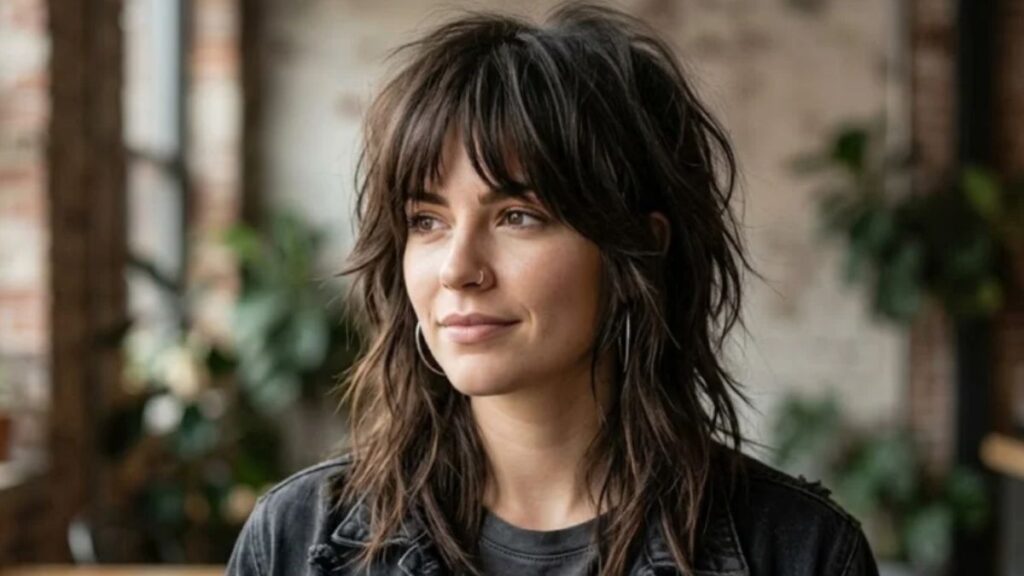
The alt shag haircut takes everything that makes a standard shag work, choppy layers, heavy texture, face-framing movement, and runs it through a grunge, punk, scene, or indie filter. The result is a cut that sits in a completely different category from the soft, blended shag dominating mainstream salon content in 2026.
An alt shag has disconnected layers that do not blend, a micro or blunt fringe that cuts across the brow, sharp unfeathered sections and often split dye or vivid panels. It is built to look cut rather than styled.
These 18 alt shag haircuts cover every subculture angle within the category, from short grunge pixie shags to long gothic-influenced layers, across straight, wavy, and curly textures. Every style includes what makes it specifically alt rather than just textured.
Short Alt Shag Haircuts
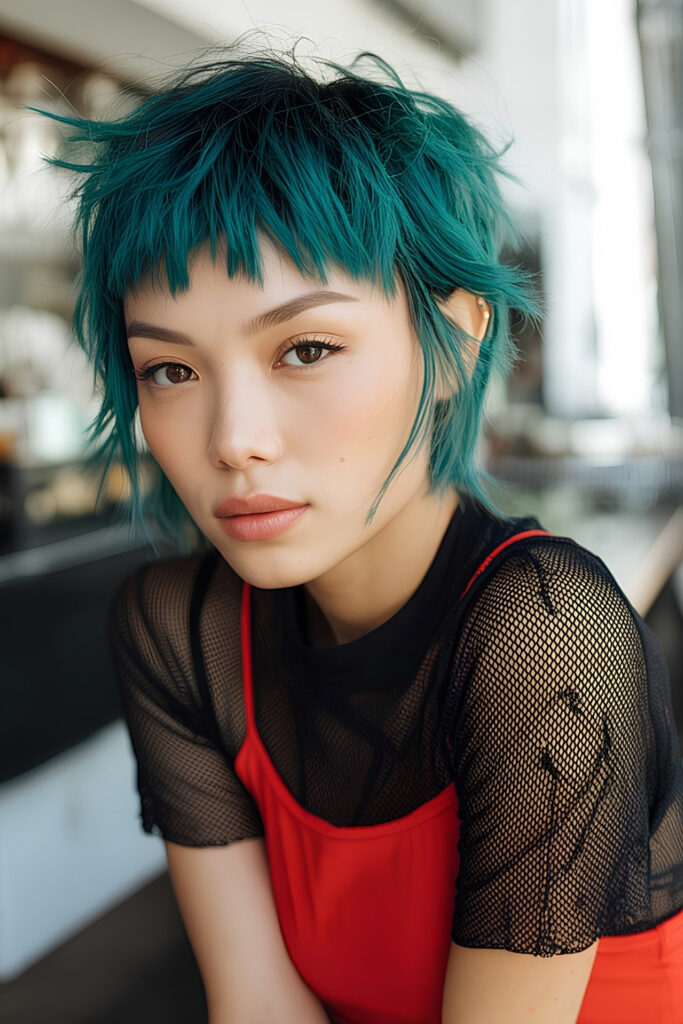
1. Grunge Pixie Shag with Micro Bangs
A cropped shag with choppy, jagged layers and a micro fringe cut high above the brow. The fringe sits at eyebrow level or above, unlike a standard wispy fringe that grazes the brow. That high placement is the detail that makes this cut read as alt rather than soft. Celebrity stylist Nick Stenson, who has worked across punk editorial campaigns, identifies micro bangs specifically as the single most effective alt signifier in a short haircut.
This cut works best on oval and petite face shapes. It needs regular trims every four to five weeks to maintain the fringe height. Use Bumble and bumble Texture Hair Spray for the choppy layer separation that keeps the cut from reading as a standard pixie.
 Save
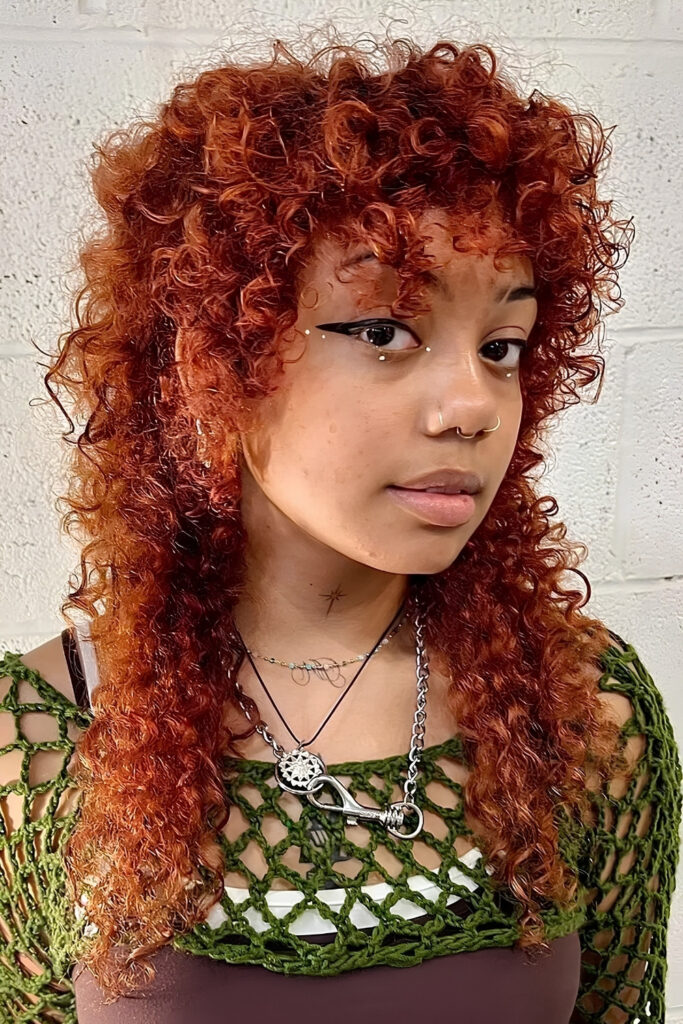
2. Choppy Bixie Shag
The bixie sits between a bob and a pixie, with the length landing somewhere between the ear and chin. The alt version uses point-cut ends and disconnected layers throughout rather than the blended, airy finish of a standard bixie shag. The disconnection between layers is the key technique. Ask your stylist to point-cut each layer separately without blending the sections together.
This cut photographs with strong shape definition from every angle. It works across fine and medium hair densities and requires minimal product to hold its structure. A small amount of Kenra Platinum Texturizing Taffy worked through the ends on dry hair keeps the disconnection visible throughout the day.
 Save
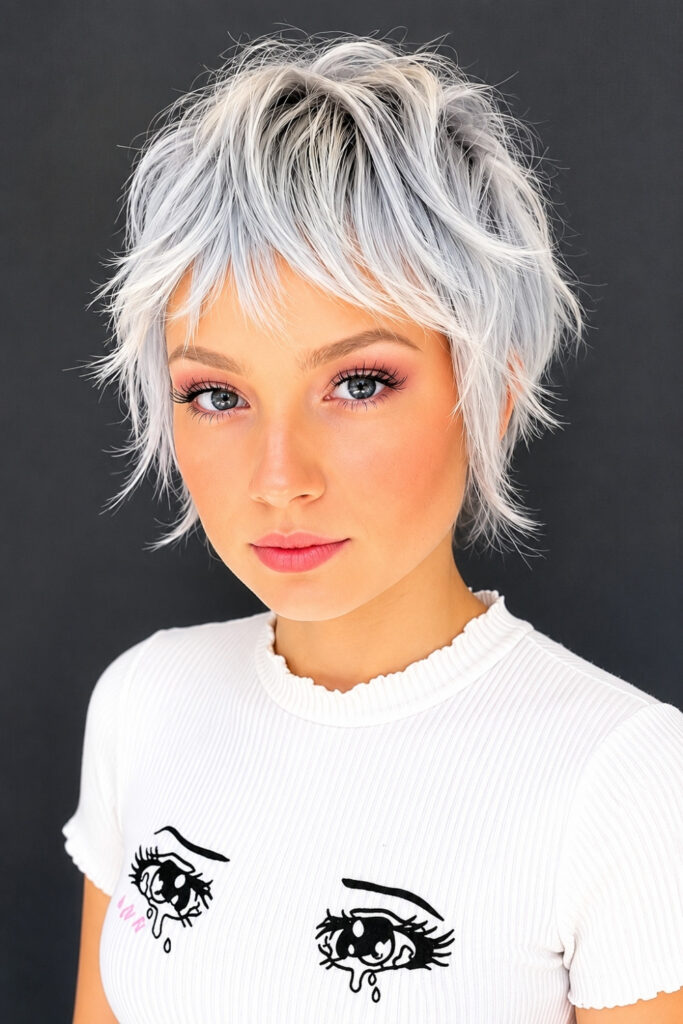
3. Scene-Era Short Shag
The scene haircut from the mid-2000s is back in 2026 and showing up specifically within the alt shag category. The core structure is a short shag with heavily razored, spiky ends at the back and crown, face-framing pieces that are visibly longer than the rest of the cut, and a side-swept fringe. The silhouette is deliberately asymmetric in weight distribution, heavy at the front and light at the back.
This cut requires a stylist familiar with razor work. Standard scissors do not produce the same spiky end texture that defines the scene aesthetic. Flat iron the face-framing pieces straight and leave the back pieces air-dried for the contrast that makes this version feel current rather than dated.
 Save
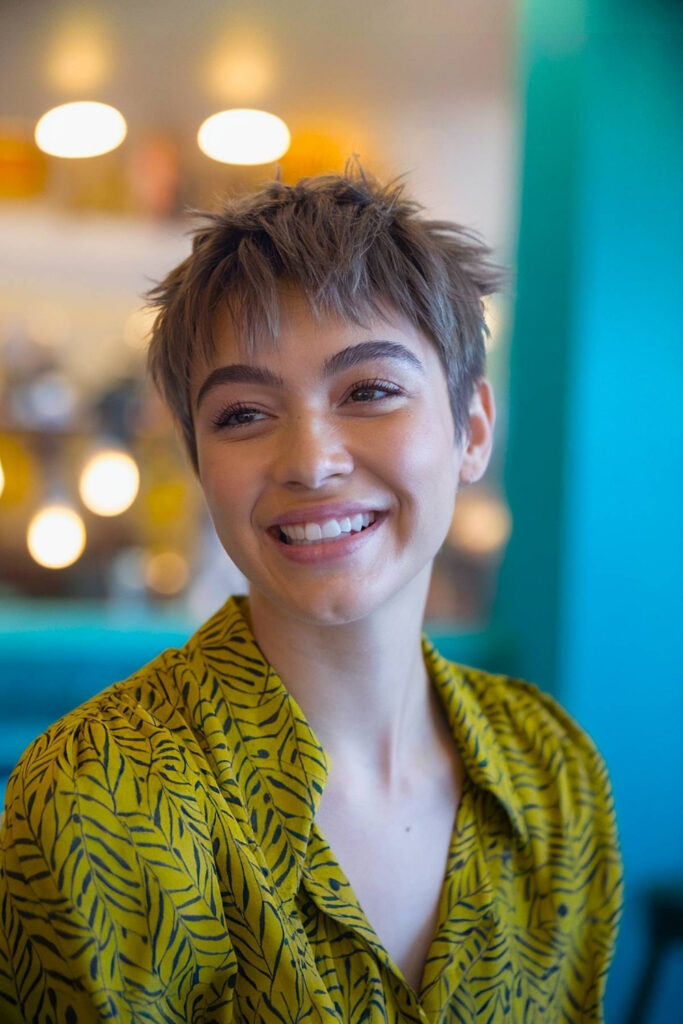
4. Vivid Colour Short Alt Shag
A short shag in a vivid shade like teal, electric blue or deep violet, with a blunt fringe and choppy layers. Each disconnected section catches light differently, so the colour looks more dimensional.
Vivid colours at this length require a sulphate-free shampoo and cold water washing to extend the life of the colour between salon visits. Olaplex No.5 Bond Maintenance Conditioner works well for maintaining colour vibrancy in chemically processed short layers.
 Save
Medium Alt Shag Haircuts
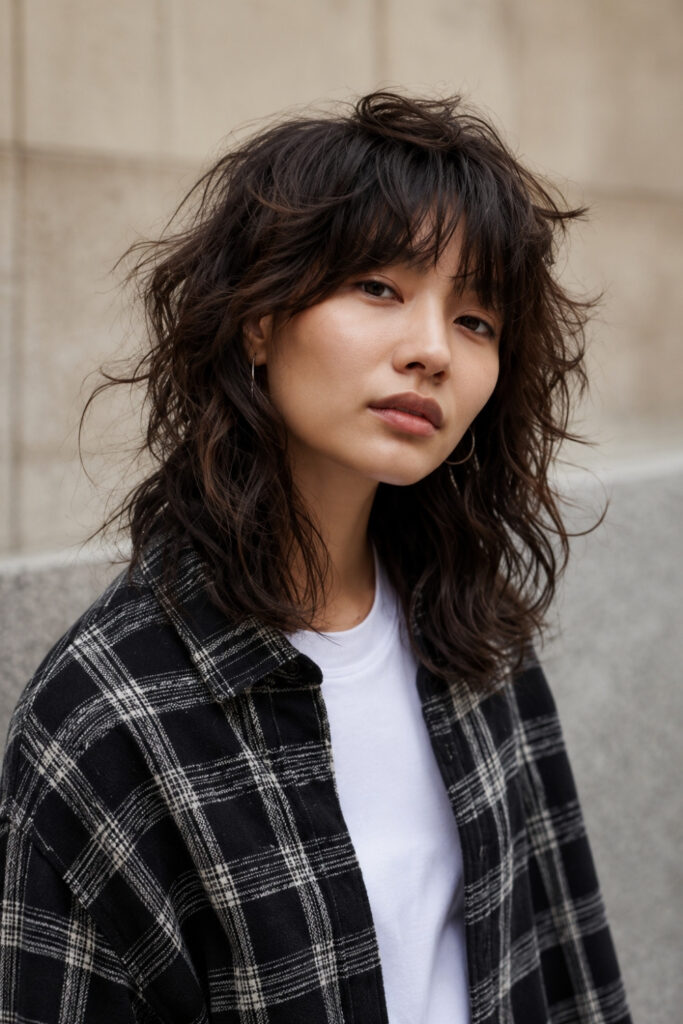
5. Classic Grunge Shag with Curtain Micro Bangs
A mid-length shag with choppy layers and a curtain fringe that is cut shorter and blunter than a standard curtain bang. Where a soft shag curtain fringe floats and feathers, the alt version is cut with more weight and less blending, so the fringe parts in the centre but falls with definition rather than airiness. This is the most wearable alt shag on the list because it reads as edge-forward without requiring a full aesthetic commitment.
This works across straight and wavy textures. On straight hair, air dry for maximum choppiness. On wavy hair, scrunch with a light curl cream and let it dry without touching. The waves amplify the disconnected layer structure and give the cut more volume at the mid-shaft where standard shags tend to go flat.
 Save
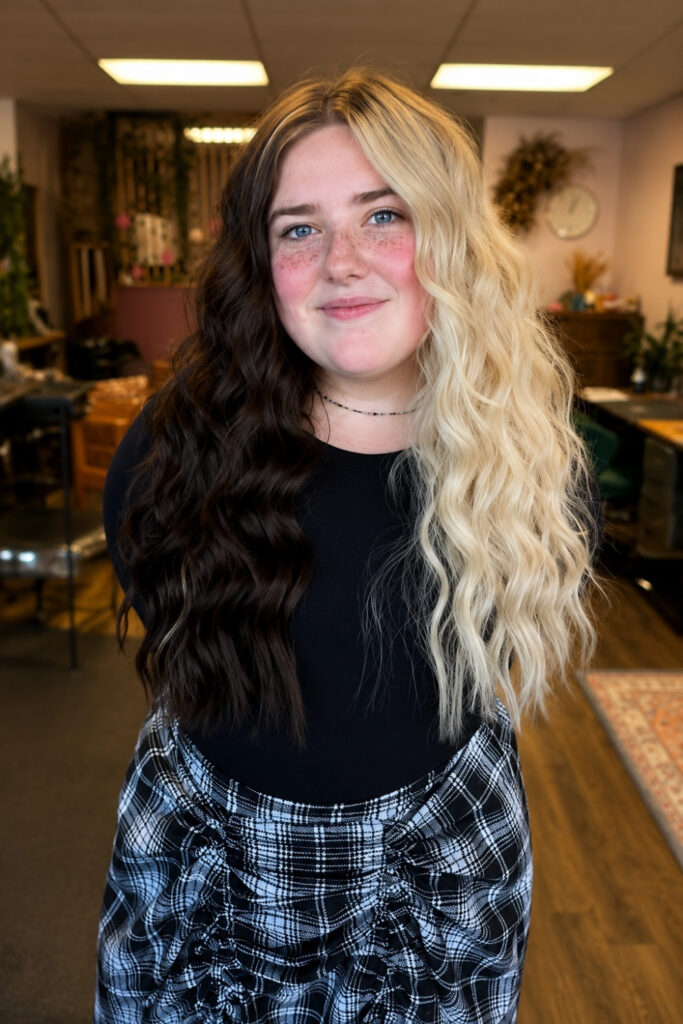
6. Split Dye Alt Shag
Two colours divided down a centre part, one on each side of the head, cut into a medium shag with choppy, unblended layers. The split dye technique emphasises the disconnected layer structure because the colour contrast makes every individual section visible. Classic split dye combinations for alt shags in 2026 are black and bleach blonde, burgundy and black, and deep red and brunette.
Split dye requires regular root maintenance every six to eight weeks. The grow-out is visible faster at a centre part than at any other place on the head. A toning gloss applied between salon visits keeps the lighter side from going brassy.
For more colour combinations that work within the alt aesthetic, the blonde hair with black underneath guide covers the two-tone techniques that underpin most split dye and contrast colour approaches.
 Save
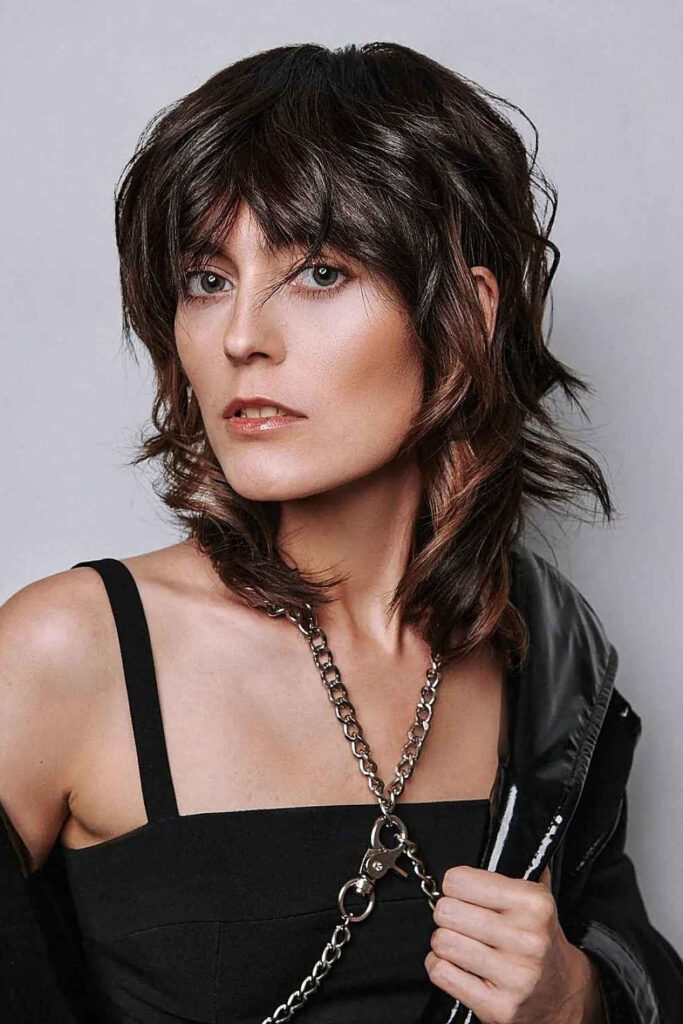
7. Wolf Cut Alt Shag Hybrid
The wolf cut and the alt shag share structural DNA: both use heavy layers at the crown and lighter layers at the perimeter. The alt version takes the wolf cut silhouette and adds disconnected fringe, sharper section separation, and a colour choice that reads outside natural territory. The result is a wolf cut with more deliberate roughness at the ends and less of the fluffy, voluminous finish that defines the standard wolf cut.
This hybrid cut works best on medium to thick hair. Fine hair tends to lose the crown volume that makes the wolf-shag silhouette work. A volumising spray at the roots before blow-drying, followed by a diffuser on the mid-lengths and ends, maintains the structure for a full day.
 Save
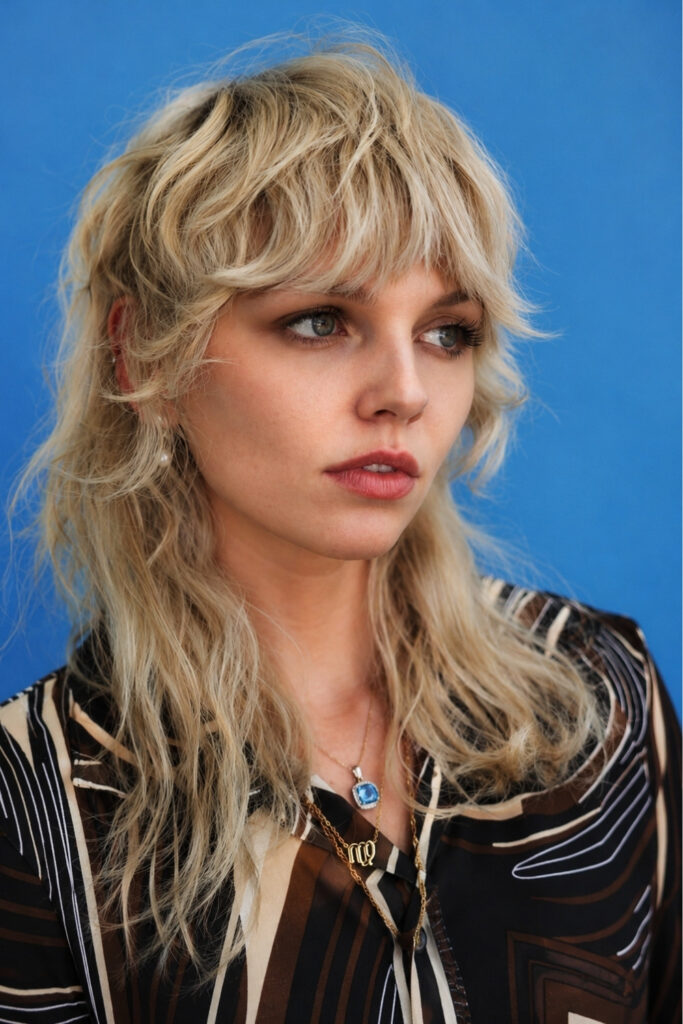
8. Shaggy Mullet Alt Cut
A shag that extends longer at the back than the front, creating a mullet silhouette with shag texture throughout rather than the clean, defined mullet shape. The front sections sit at jaw or chin level. The back sections fall past the shoulders. The layers throughout are choppy and disconnected. This is the alt haircut with the most recognisable subculture reference point, sitting squarely at the intersection of 70s punk and 90s grunge.
The shaggy mullet requires a stylist who can work both the mullet length differential and the shag layering technique simultaneously. Show the stylist a specific reference image. The terminology alone does not communicate which version of this cut you want because the variation within the category is wide.
 Save
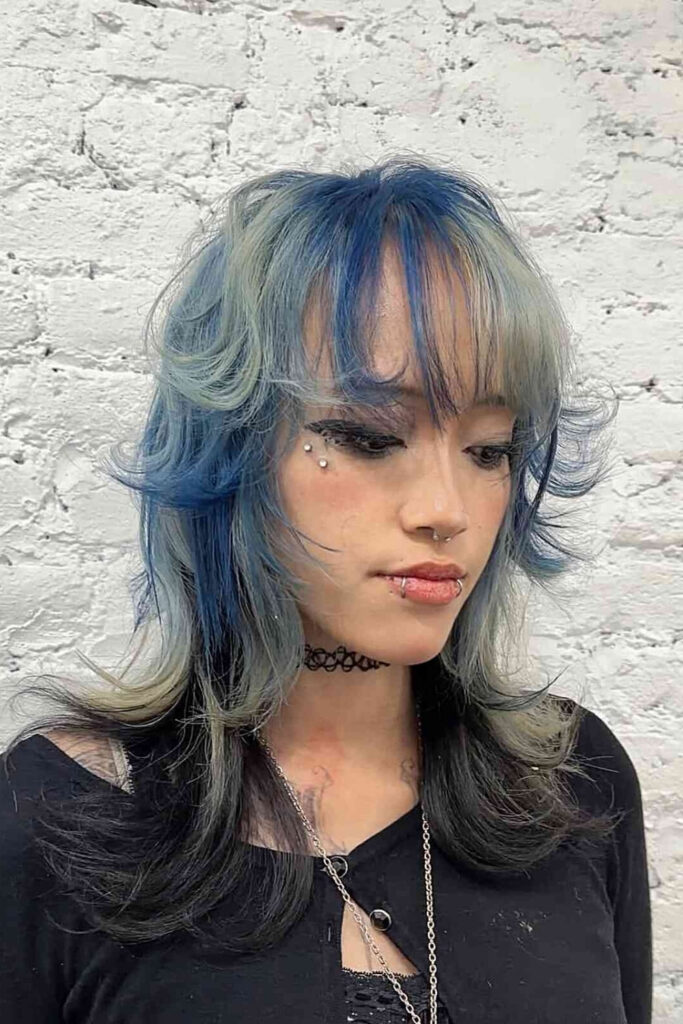
9. E-Girl Shag with Face-Framing Streaks
A medium shag with two bleached or vivid-coloured face-framing sections that run from the root to the end on either side of the centre part. The rest of the hair stays in a natural or dark tone. The contrast between the face-framing colour and the base creates the e-girl reference without requiring a full colour change. The shag layering gives the cut movement and keeps it from sitting flat against the cheeks.
Face-framing highlights on a shag require careful placement. The sections need to be thin enough to frame without overwhelming the face shape. Two sections per side maximum. Wider sections push the look from e-girl into chunky highlight territory, which reads as a different aesthetic entirely.
 Save
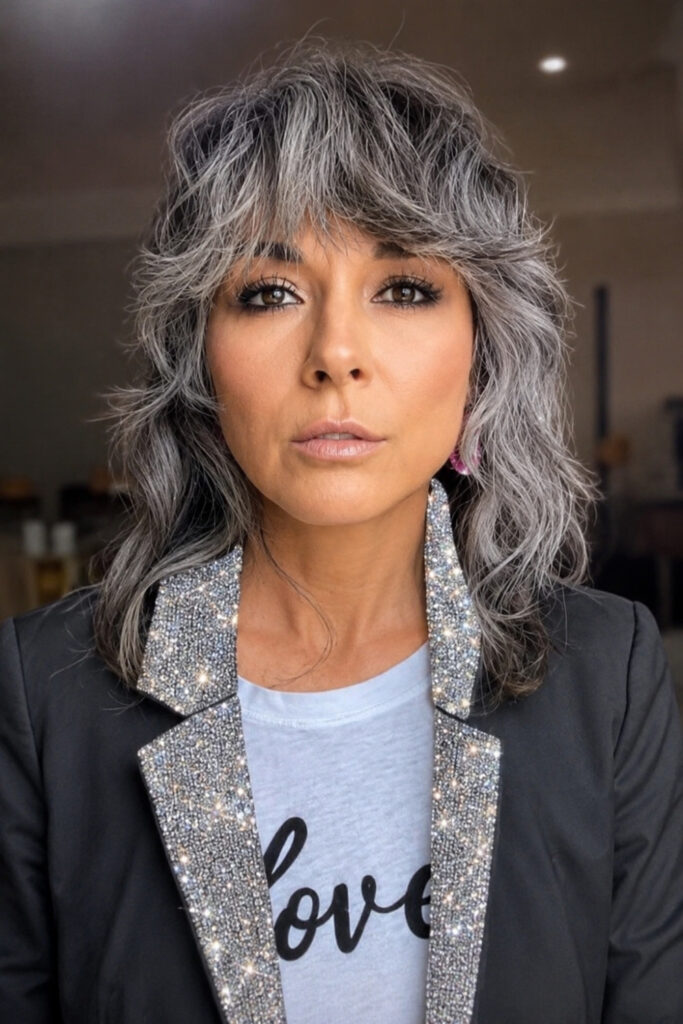
10. Ash Gray Alt Shag
A medium shag in an ash or smoky gray tone with blunt, choppy layers and a heavy fringe. Gray on an alt shag reads as deliberately moody rather than silver or platinum, which has different fashion associations. The ash gray tone works across cool and neutral skin undertones. On warm skin undertones, a gray with brown or violet depth prevents the colour from washing the complexion out.
Gray is one of the most maintenance-intensive colour choices because it fades to an unintentional yellow-green without regular toning. A purple or blue toning shampoo used once per week maintains the ash depth between salon appointments.
 Save
Long Alt Shag Haircuts
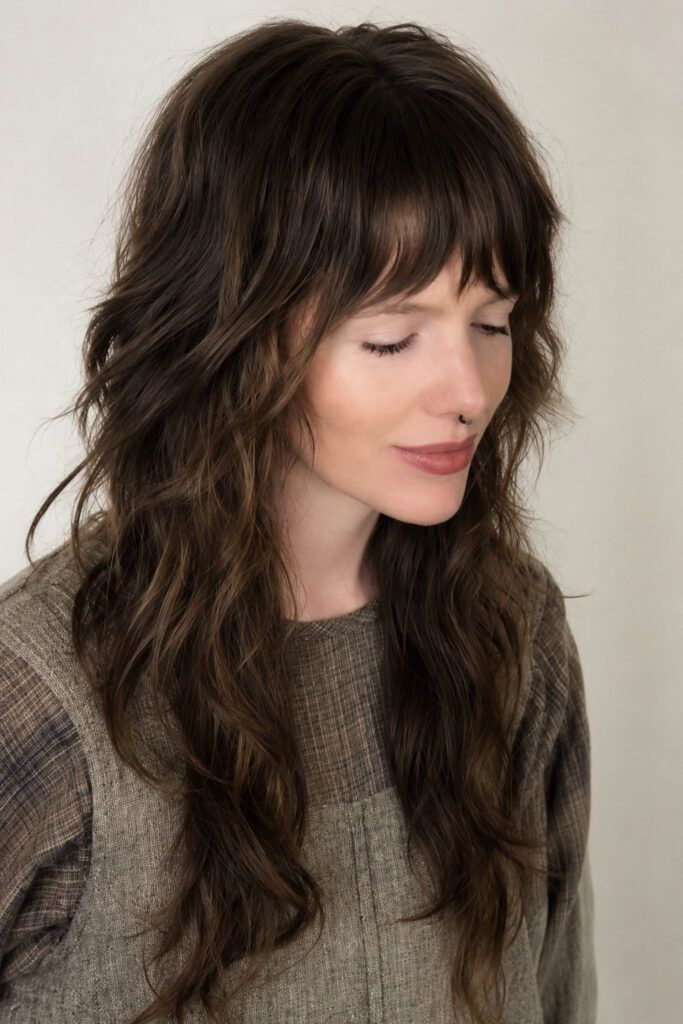
11. Long Grunge Shag with Blunt Fringe
A long shag with choppy layers throughout the length and a blunt fringe cut straight across at eyebrow level. The blunt fringe on a long shag creates high contrast between the heaviness of the fringe and the lightness of the long layers. That contrast is the defining feature of this cut. A standard long shag uses a wispy or curtain fringe that blends. The alt version uses a solid, unblended fringe that makes a clear structural statement.
Long shags with blunt fringe require fringe trims every three to four weeks to maintain the weight line. The fringe grows out faster than the length of the cut and a grown-out blunt fringe loses the contrast that makes this version work.
 Save
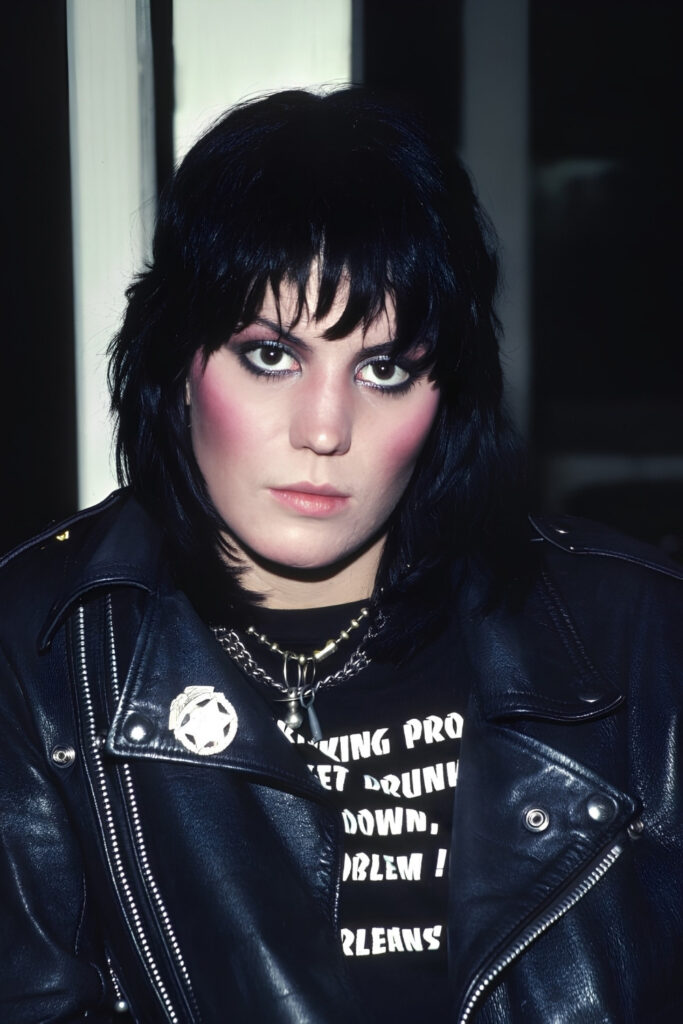
12. 70s Rock-Inspired Long Alt Shag
Joan Jett and Stevie Nicks represent two distinct versions of the 70s rock shag aesthetic, and the alt version in 2026 pulls from Joan Jett rather than Stevie Nicks. That means jet black, heavy layers, and a fringe cut with weight rather than swept or feathered. The long shag layers here are not blended for softness. They are cut to create visual separation between each section so the hair looks deliberately layered rather than naturally falling.
This cut works best on straight to slightly wavy hair. Very wavy or curly hair changes the silhouette significantly. If the natural texture is curly, the 70s rock shag reads as a different cut entirely and needs to be approached with dry cutting techniques that account for the curl pattern.
 Save
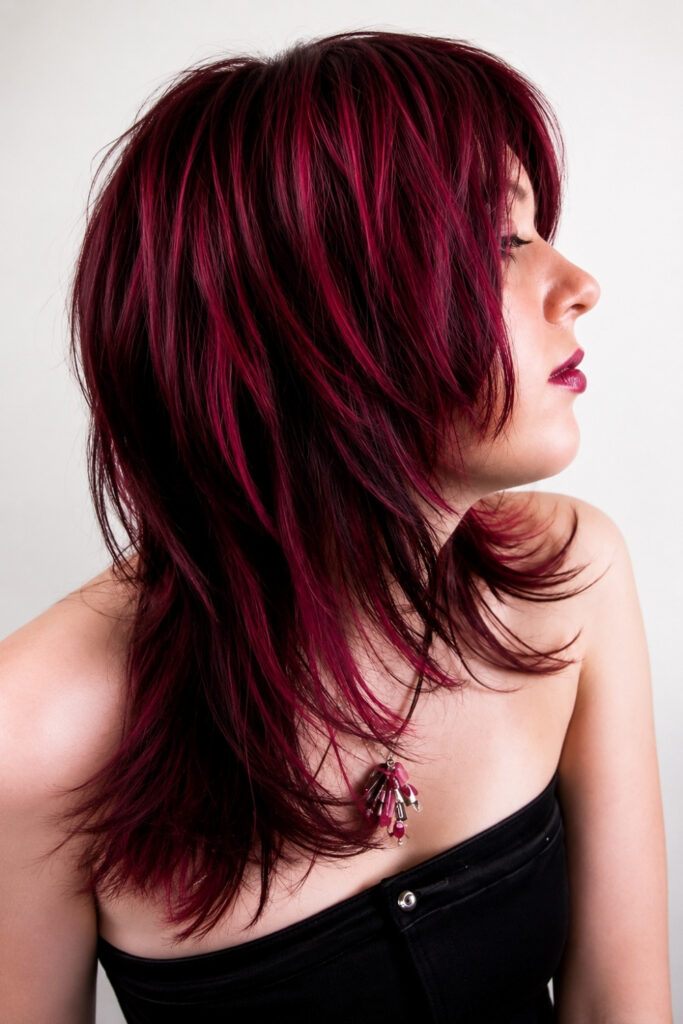
13. Dark Red Long Alt Shag
A long shag with a deep brunette base and dark red panels or streaks running through the layers. The red is added at the mid-shaft and ends of select sections rather than at the root, so the colour appears as the layers move. Trevalix’s 2026 alt shag coverage describes this combination specifically as having an alt, playful assertiveness, noting that the red detail adds a colour blast to the entire silhouette without requiring a full colour change.
Dark red within brunette tones fades to a cooler tone rather than going brassy, which makes it lower-maintenance than lighter vivid colours. A sulphate-free shampoo and a red-colour-depositing conditioner used monthly maintains the depth of the red between appointments.
 Save
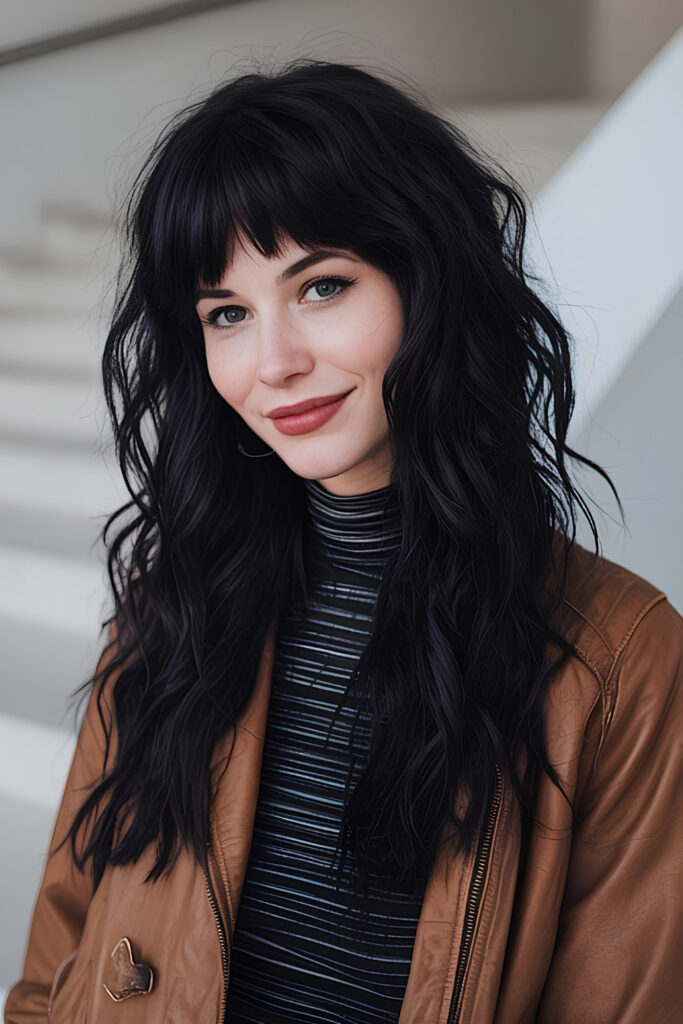
14. Goth Long Alt Shag
Jet black, long, heavily layered, with a blunt fringe or a heavy side-swept fringe and no lightening or colour work anywhere. The goth alt shag is the most minimal version on this list in terms of colour but the most structural in terms of cut. The layers are cut with more disconnection than a standard long shag, so the silhouette shows clear visual separation between the crown layers and the length below.
Jet black on long hair absorbs light rather than reflecting it, which makes the layer structure less visible in photography. To make the disconnected layers readable in photos, add a light-reflecting serum like Moroccanoil Treatment to the mid-lengths before shooting.
 Save
Alt Shag Haircuts by Hair Texture
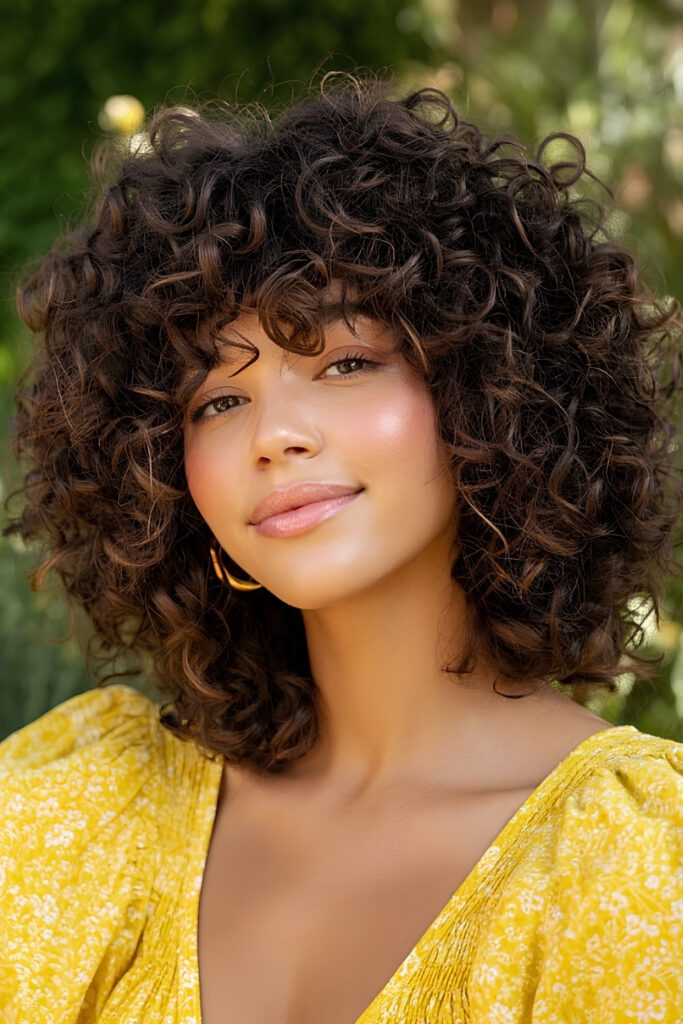
15. Curly Alt Shag with Stacked Layers
Curly hair builds upward and outward when layered, which makes it naturally suited to the volume-heavy crown structure of an alt shag. A curly alt shag uses stacked layers at the crown that amplify the curl’s natural expansion, while the perimeter layers are cut shorter than on a straight-hair shag to prevent the silhouette from becoming a triangle. The fringe on a curly alt shag works best cut while dry so the curl’s natural shortening is accounted for in the length.
This cut works on 2C through 4A curl patterns. Tighter curl patterns need a different approach to the layer structure to prevent excessive shrinkage at the crown. Ask for a Deva cut or a curl-specific dry cut technique. Applying Moroccanoil Curl Defining Cream while wet and diffusing on low heat gives the stacked layers their definition without frizz.
 Save
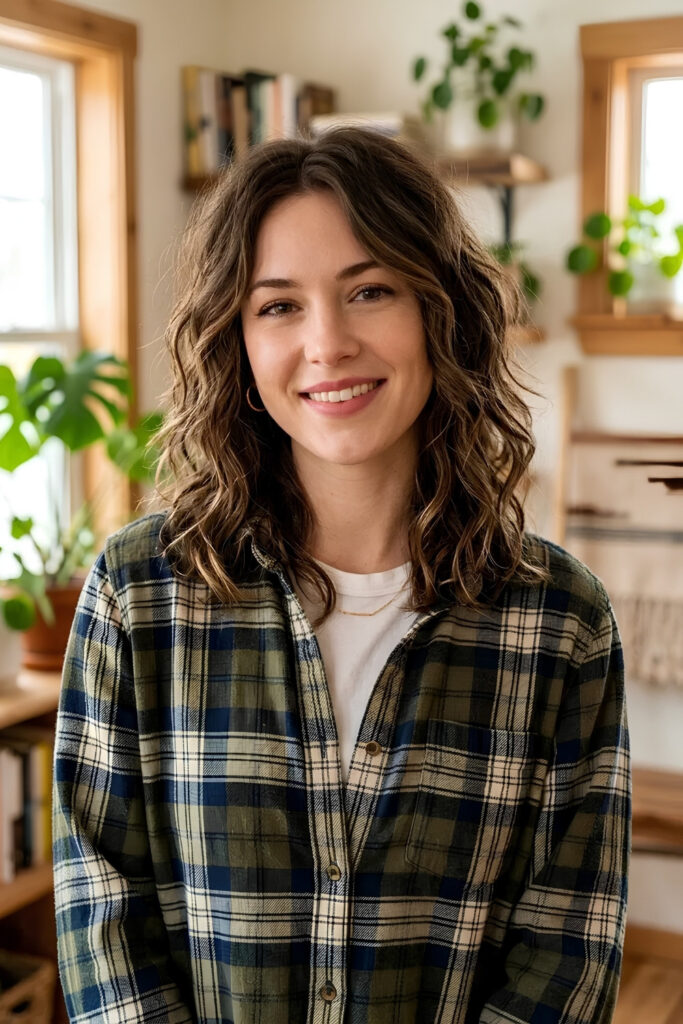
16. Wavy Alt Shag with Piecey Layers
Wavy hair amplifies the disconnected layer structure of an alt shag because the wave pattern creates natural separation between sections. A wavy alt shag cut with piecey, point-cut layers throughout looks significantly more textured than the same cut on straight hair. The wave pattern does the styling work. The cut provides the shape.
Wavy alt shags air dry into their best shape. Scrunch a small amount of Bumble and bumble Bb. Curl Anti-Humidity Gel-Oil through wet hair and leave it completely undisturbed until fully dry. Touching the hair while it dries separates the wave pattern and creates frizz that undermines the piecey layer definition.
 Save
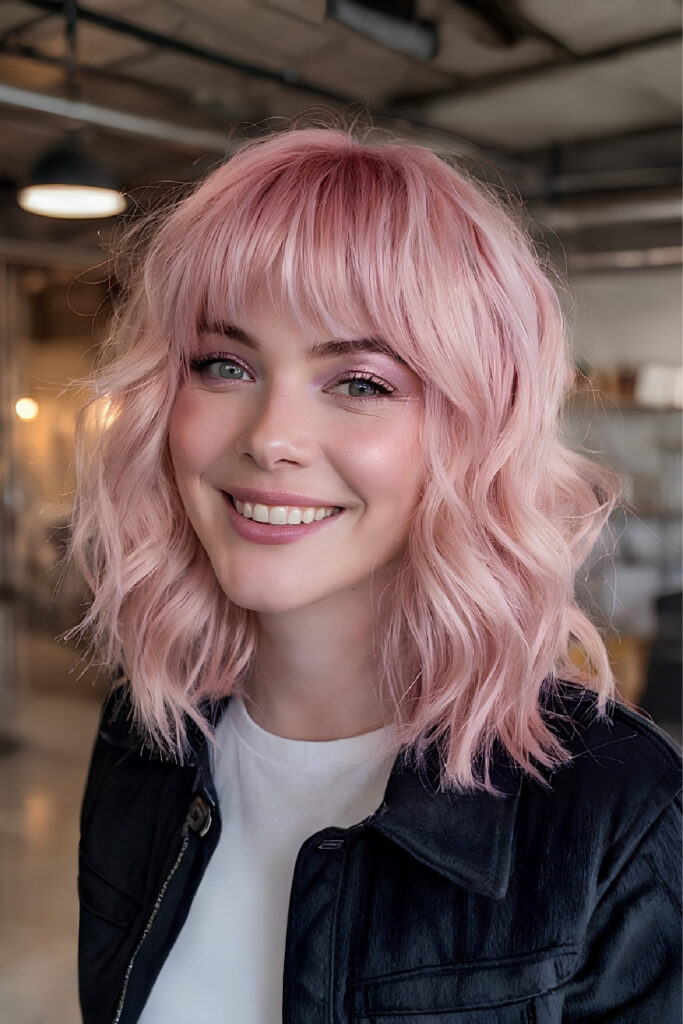
17. Fine Hair Alt Shag with Heavy Fringe
Fine hair loses volume at the mid-lengths and ends of a shag, which flattens the disconnected layer effect. The solution within the alt shag category is a heavy, blunt fringe that carries the structural weight the body of the cut cannot. A fine hair alt shag with a strong fringe reads as deliberate and edge-forward even when the layers have minimal volume. The fringe becomes the focal point and the rest of the cut supports it.
Volume-building products at the root are essential for fine hair in this cut. Apply Oribe Dry Texturizing Spray at the crown before rough drying, then set the fringe with a small round brush. The root volume holds the crown from collapsing against the scalp and keeps the shag silhouette visible throughout the day.
 Save
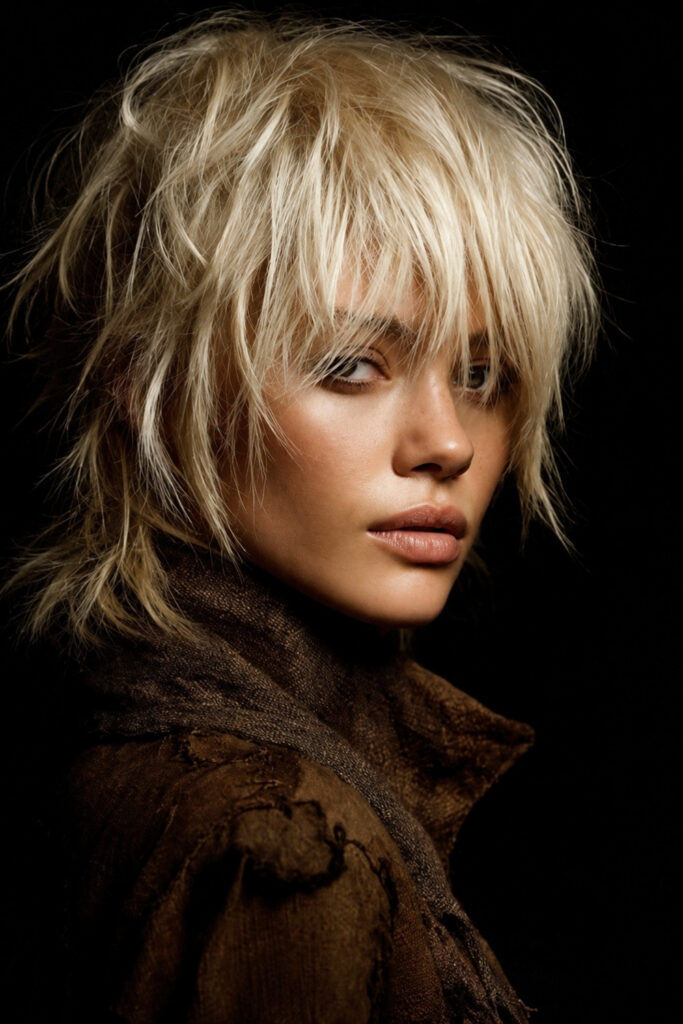
18. Thick Hair Alt Shag with Razor-Cut Ends
Thick hair in a shag carries enough natural density to support deep disconnection between layers without losing the silhouette to shapelessness. A thick hair alt shag cut with a razor rather than scissors produces jagged, irregular ends that read as deliberately rough rather than accidentally messy. The razor work removes bulk from the mid-shaft without thinning the root volume, which is the correct approach for thick hair in an alt shag structure.
Thick hair alt shags need internal thinning at the mid-shaft to prevent the silhouette from becoming wide and heavy below the chin. Ask the stylist specifically for internal thinning with shears, not a thinning razor at the surface. Surface thinning on thick hair creates visible damage lines in the outer layer.
 Save
How to Ask for an Alt Shag at the Salon
Use the Right Language
The word “shag” alone does not communicate alt. Ask for disconnected layers rather than blended layers. Specify blunt or micro fringe rather than wispy or curtain fringe. Request point-cut or razor-cut ends rather than scissor-cut ends. Each of these technical requests tells the stylist which direction the cut needs to go. A stylist who hears these terms understands immediately that the goal is texture and contrast rather than softness and movement.
Bring a Reference Image
Alt shag is a wide category. The difference between a 70s rock shag and an e-girl shag and a goth shag is significant, and the terminology does not fully communicate which version you want. Bring a clear reference image of the cut you are describing. Show it before the consultation begins. A reference image prevents misinterpretation faster than any verbal description.
Maintenance Schedule
Alt shags need trims every six to eight weeks to maintain the layer structure. The disconnected layers grow out unevenly, which is part of the aesthetic, but after eight weeks the disconnection becomes shapelessness rather than intentional roughness. Fringe trims happen more frequently, every three to four weeks for blunt fringe styles. Build the fringe trim into the maintenance schedule from the start.
Frequently Asked Questions
What is an alt shag haircut?
An alt shag haircut is a shag cut built around alternative subculture aesthetics rather than a soft or mainstream finish. The defining features are disconnected layers that do not blend together, blunt or micro fringe rather than wispy fringe, razor or point-cut ends that create jagged texture, and colour work like split dye or vivid streaks that emphasise the layer structure. It sits within grunge, punk, indie, e-girl, and goth aesthetics depending on the specific version.
What is the difference between an alt shag and a regular shag?
A regular shag in 2026 uses blended layers, soft feathered ends, and a curtain or wispy fringe designed for movement and volume. An alt shag uses disconnected layers, blunt or micro fringe, razor-cut ends, and structural contrast between sections. The regular shag is designed to look styled. The alt shag is designed to look cut.
What face shapes suit an alt shag?
Alt shags work across most face shapes because the fringe and layer placement can be adjusted per face shape. Oval faces suit almost every variation. Round faces benefit from a centre-parted fringe and layers that add length rather than width. Heart-shaped faces suit a heavier fringe that balances the wider forehead. Square faces work well with a side-swept or blunt fringe that softens the jaw angle.
How do you style an alt shag?
Alt shags style best with minimal product on dry hair. Apply a texture spray or a small amount of styling paste to dry hair and scrunch or rough-dry to separate the layers. The disconnected layer structure does the work when the hair is dry and the product holds the separation visible. Avoid heavy creams or oils that weigh the layers together and remove the choppy definition.
What is the best colour for an alt shag?
The colours that work best within the alt shag category are jet black, ash gray, teal, deep burgundy, dark red within brunette, and split dye combinations like black and bleach blonde. Vivid single-colour installs like electric blue or deep violet also work well because the choppy layers make the colour appear multidimensional by catching light at different angles in each section.
How often does an alt shag need trimming?
Every six to eight weeks for the layers and every three to four weeks for blunt or micro fringe. The disconnected layers in an alt shag grow out faster into shapelessness than blended layers because there is no smooth transition to carry the shape through the grow-out period. Regular trims maintain the intentional roughness that separates an alt shag from a grown-out haircut.
Can an alt shag work on curly hair?
Yes. Curly hair amplifies the alt shag structure because the curl pattern creates natural volume at the crown and natural separation between sections. Request a dry cut so the stylist cuts the layers at the actual curl length rather than the stretched length. A curly alt shag needs less product than a straight version because the curl does the texture work.
Add FAQ Schema Markup before publishing.
Final Thoughts
The alt shag haircut is a specific category within the broader shag trend of 2026 and it operates by different rules. Disconnection over blending, blunt over wispy, razor over scissor, contrast over softness. Those four principles separate every style on this list from the mainstream shag content that dominates most haircut articles right now.
Pick the version that matches your subculture reference point and your hair texture. Bring a reference image to the salon. Ask for disconnected layers and the fringe type that fits the look. The cut does the rest.