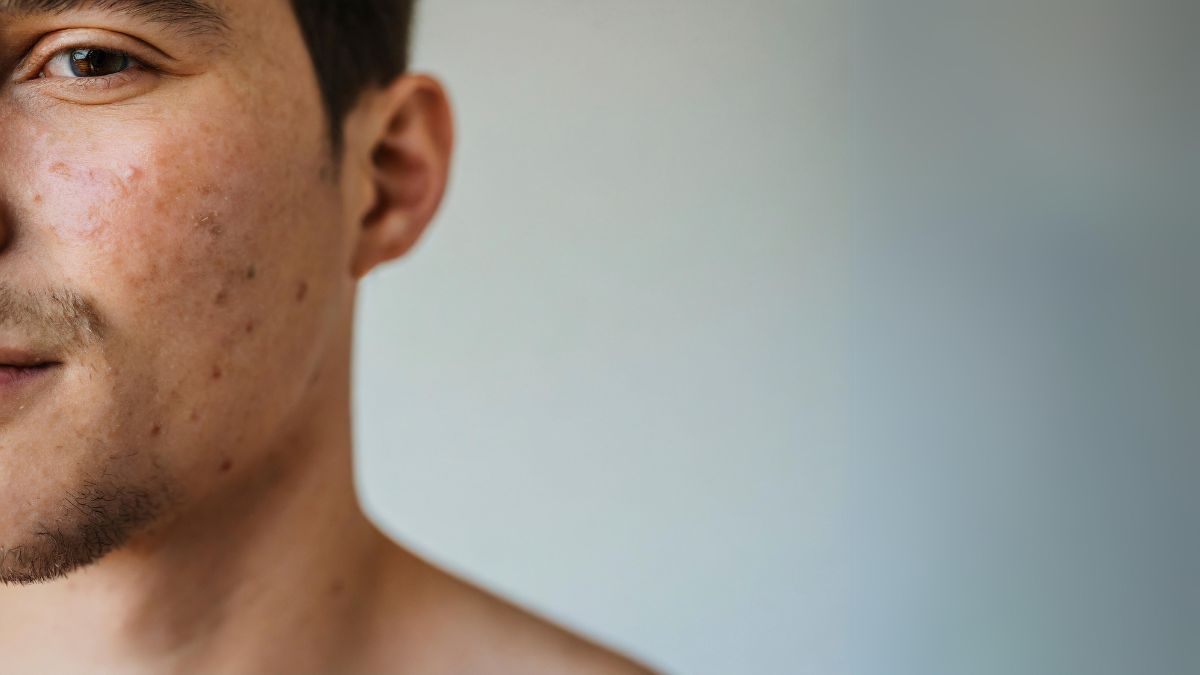
Fungal acne looks a lot like regular acne, but it isn’t acne at all. It’s an overgrowth of yeast in the hair follicles, which is why the usual acne products often don’t help and can even make it worse. Here’s how to recognize it, what causes it and how it’s usually treated.
This article is for general information and isn’t a substitute for advice from a dermatologist or doctor.
What Is Fungal Acne?
Fungal acne is the common name for Malassezia folliculitis, also called Pityrosporum folliculitis. Malassezia is a yeast that normally lives on everyone’s skin. When it grows out of balance, it can get into hair follicles and cause small, itchy, acne-like bumps.
 Save
What Causes It?
Anything that lets yeast multiply or upsets the skin’s usual balance of yeast and bacteria can trigger a flare. Common triggers include:
- Heat, humidity and sweat: it’s more common in hot climates and in people who sweat a lot.
- Tight or non-breathable clothing, including staying in sweaty workout clothes.
- Antibiotics: these reduce skin bacteria, which can let yeast take over.
- Oily skin and rich, occlusive skincare or sunscreen.
- A weakened immune system, including some medications such as steroids.
Fungal Acne vs. Regular Acne
 Save
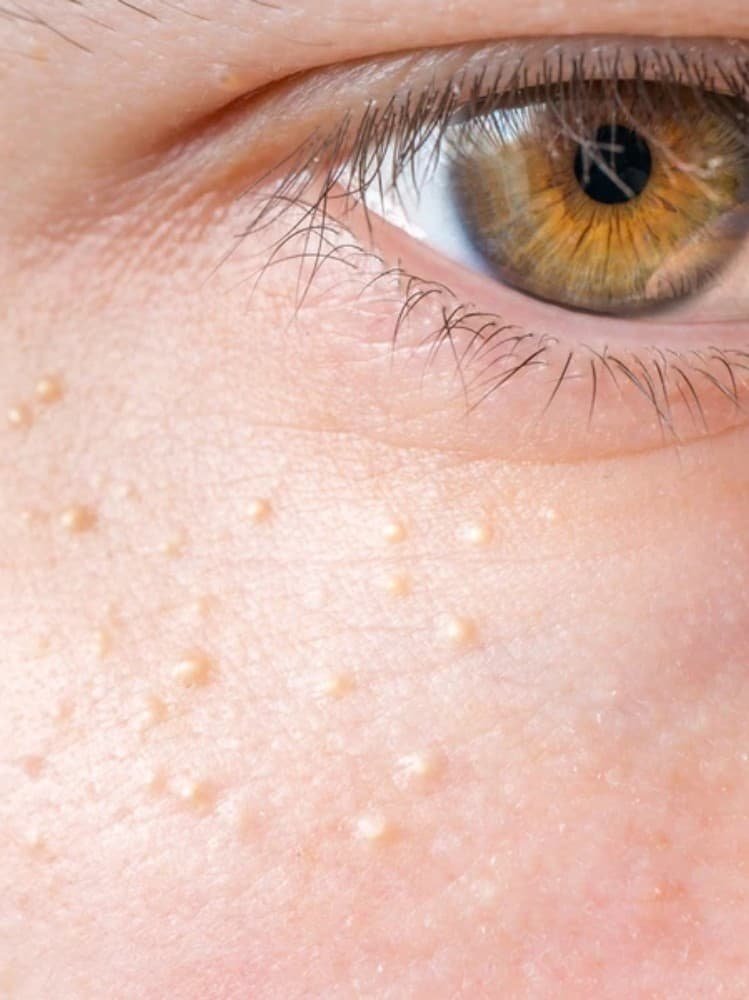
- Size: fungal acne bumps tend to be small and very similar in size, while regular acne varies, with blackheads, whiteheads and deeper spots.
- Itching: fungal acne is often itchy. Regular acne usually isn’t.
- Location: fungal acne commonly appears on the chest, upper back, shoulders and upper arms, and sometimes along the hairline or forehead.
- Blackheads: fungal acne doesn’t cause blackheads.
- Response to treatment: it usually doesn’t improve with typical acne treatments, and antibiotics can make it worse.
People with fungal acne sometimes also have other yeast-related skin issues, such as dandruff or seborrheic dermatitis.
How Is It Diagnosed?
A dermatologist can usually spot it from how the bumps look and where they are, along with your history, such as itching, recent antibiotics or a lot of sweating. To confirm it, they may gently scrape the skin and look for yeast under a microscope, or occasionally take a small biopsy.
How Is Fungal Acne Treated?
Treatment aims to bring the yeast back under control. Common approaches include:
- Anti-dandruff wash used on the body: shampoos with ketoconazole, selenium sulfide or zinc pyrithione can be lathered onto affected areas in the shower, left on for a few minutes, then rinsed. This is a common dermatologist recommendation.
- Over-the-counter antifungal creams, such as those sold for athlete’s foot, for small areas.
- Prescription treatment: for stubborn or widespread cases, a doctor may prescribe stronger topical antifungals or oral antifungal medicine.
- Lifestyle changes: shower and change soon after sweating, and choose loose, breathable fabrics.
Fungal acne often comes back, so a doctor may suggest using an antifungal wash once or twice a week to keep it away once it has cleared.
How to Prevent Flare-Ups
- Shower soon after workouts or sweating.
- Wear loose, breathable clothing and wash workout gear after each use.
- Choose lightweight, non-comedogenic skincare if you’re prone to it.
- Keep up a maintenance antifungal wash if your doctor recommends it.
When to See a Dermatologist
See a dermatologist if your breakout hasn’t improved after a few weeks of home care, keeps coming back, spreads, or if you’re not sure whether it’s fungal acne or something else. Several skin conditions look similar, so a proper diagnosis helps you get the right treatment.
Final Thoughts
Fungal acne is common, treatable and often misdiagnosed. If your “acne” is itchy, made of small uniform bumps and won’t respond to your usual products, it may be yeast-related, and the right antifungal approach can clear it up. For more skincare advice, see our beauty tips.